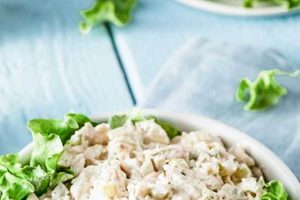
This classic dish typically features layers of lettuce, tomatoes, peas, cheese, bacon, hard-boiled eggs, and a mayonnaise-based dressing. Variations exist, with some recipes incorporating onions, green peppers, or other vegetables. The ingredients are arranged in a clear glass dish to showcase the colorful layers, creating an appealing visual presentation, often served as a side dish at potlucks, barbecues, and holiday gatherings.
The layered presentation not only enhances the visual appeal but also offers a convenient make-ahead option for entertaining. The salad can be assembled hours in advance and chilled, allowing the flavors to meld. Its popularity stems from the combination of fresh, crisp vegetables, savory protein elements, and a creamy dressing, offering a satisfying balance of textures and tastes. Its origins can be traced back to mid-20th century America, potentially evolving from simpler layered salads.
This discussion will further delve into specific ingredient choices, variations, detailed preparation instructions, tips for successful layering, and serving suggestions.
Tips for a Successful Layered Salad
Achieving a visually appealing and flavorful layered salad requires attention to detail. These tips offer guidance for optimal results.
Tip 1: Ingredient Preparation: Thoroughly wash and dry all vegetables. Chop ingredients uniformly for even layering and aesthetic presentation. Crisp lettuce, such as iceberg or romaine, is recommended.
Tip 2: Layer Order: Begin with a sturdy base layer, such as lettuce, to prevent the dressing from making the bottom soggy. Heavier ingredients, like peas and cheese, should be placed in the middle layers, while lighter items, like bacon bits and chopped eggs, are better suited for the top.
Tip 3: Dressing Distribution: The dressing is traditionally the final layer, but a thin layer can be spread between certain layers to enhance flavor and cohesion. Ensure the dressing is evenly distributed for optimal flavor.
Tip 4: Chilling Time: Allow the salad to chill for at least two hours before serving. Chilling allows the flavors to meld and the layers to settle.
Tip 5: Serving Considerations: Serve the salad directly from the preparation dish to showcase the layered presentation. A clear glass dish is ideal for visualizing the distinct layers.
Tip 6: Customization: While a traditional recipe offers a good starting point, ingredients can be adjusted based on preference. Consider incorporating different cheeses, vegetables, or proteins.
Tip 7: Preventing Sogginess: Salting certain vegetables, such as tomatoes, and allowing them to drain before adding them to the salad can help prevent excess moisture and maintain crisp layers.
By following these guidelines, one can create a visually stunning and delicious layered salad suitable for any occasion.
These techniques provide a foundation for preparing this classic dish. The following section will explore variations and adaptations to suit individual preferences.
1. Fresh Ingredients

The success of a seven-layered salad hinges on the freshness of its components. Fresh ingredients contribute significantly to the overall flavor, texture, and visual appeal of the dish. The crispness of the lettuce, the juiciness of the tomatoes, and the brightness of the other vegetables are essential for a truly satisfying experience. Using wilted or less-than-fresh produce results in a subpar salad lacking the vibrancy and textural contrast that define this classic dish. For example, crisp iceberg lettuce provides a sturdy base and satisfying crunch, while using fresh, ripe tomatoes contributes a burst of sweetness and vibrant color. Conversely, using limp lettuce or mealy tomatoes compromises the structural integrity and flavor profile of the entire salad.
The impact of ingredient freshness extends beyond individual components to affect the overall composition of the salad. Fresh vegetables retain their structure better, preventing the layers from becoming soggy and maintaining a visually appealing presentation. This is particularly important in a layered salad where the distinct layers are a key feature. Freshly cooked bacon offers a superior crispy texture and smoky flavor compared to pre-cooked or stale bacon. Similarly, using freshly grated cheese provides a better melt and enhances the overall flavor profile. The choice of fresh, high-quality mayonnaise is also crucial for achieving the desired creamy texture and flavor in the dressing.
Prioritizing fresh ingredients ensures the best possible flavor and texture. Selecting produce at its peak ripeness and utilizing other ingredients promptly after purchase or preparation is essential. While substitutions or variations are possible, maintaining an emphasis on freshness remains paramount. Compromising on ingredient quality directly diminishes the overall quality of the final product. Ultimately, the use of fresh ingredients is not merely a suggestion but a fundamental requirement for a truly exceptional seven-layered salad.
2. Layering Technique

Layering technique is paramount to the seven-layered salad, impacting both its visual appeal and structural integrity. This technique involves strategically arranging ingredients to create distinct, visible layers, contributing to the salad’s aesthetic appeal and enhancing the overall dining experience. More importantly, proper layering prevents the salad from becoming soggy, a common issue with salads containing diverse ingredients and dressings. The order in which ingredients are layered affects how they interact with the dressing and each other over time.
A sturdy base layer of lettuce provides a foundation and absorbs excess moisture, protecting more delicate ingredients. Heartier vegetables, such as peas, offer a transitional layer, followed by proteins like bacon or shredded chicken. Cheese, often grated, provides another visual and textural layer. Lighter elements, such as chopped eggs or crumbled bacon, are typically placed closer to the top, minimizing their exposure to the dressing and preserving their texture. The dressing, often a mayonnaise-based mixture, is typically the final layer, evenly distributed to coat the salad without overwhelming the other ingredients. For example, placing diced tomatoes directly on a bed of lettuce would lead to a soggy bottom layer. Placing a barrier layer of peas between the lettuce and tomatoes mitigates this issue, allowing for even distribution of moisture and maintaining the integrity of each layer. Conversely, layering delicate ingredients like chopped eggs at the bottom would result in them becoming compressed and losing their distinct shape and texture.
Understanding the principles of layering extends beyond simply stacking ingredients. It involves considering the density, moisture content, and fragility of each component to create a harmonious balance. Mastery of this technique leads to a visually appealing salad with distinct flavors and textures in each bite, preventing a homogenous mixture where individual components lose their identity. This method also allows for make-ahead preparation, a significant benefit for entertaining. While individual preferences may influence ingredient choices, adhering to the principles of layering ensures a successful outcome. Neglecting these principles can result in a less visually appealing, structurally unsound salad, susceptible to sogginess and compromised flavor.
3. Flavor Balance

Flavor balance is crucial for a successful seven-layered salad. The dish combines diverse elementscreamy, crunchy, savory, and freshrequiring careful consideration of how these flavors interact. A harmonious blend elevates the salad from a simple collection of ingredients to a cohesive, flavorful experience. An excess of any one element can overwhelm the others, diminishing the overall enjoyment. For instance, too much dressing can mask the flavors of the vegetables, while an insufficient amount of a savory element like bacon can make the salad taste bland. The interplay between the creamy dressing, crisp vegetables, salty bacon, and tangy cheese creates a dynamic flavor profile.
Achieving flavor balance requires understanding the individual contributions of each ingredient. The sweetness of peas contrasts with the slight bitterness of lettuce, while the saltiness of bacon complements the creamy dressing. The sharpness of cheddar cheese provides a counterpoint to the richness of the other ingredients. Careful portioning and layering are essential to ensure that no single flavor dominates. For example, incorporating a small amount of red onion adds a pungent note without overpowering the other flavors. Substituting a milder cheese, like Monterey Jack, for a sharper cheddar can create a more balanced flavor profile for those who prefer less intense flavors.
A well-balanced seven-layered salad offers a complex yet harmonious flavor profile. Each bite presents a combination of textures and tastes that complement each other. This balance not only enhances the overall enjoyment of the dish but also allows the individual flavors of the components to shine through. Failure to achieve this balance can result in a less satisfying experience, with certain flavors either dominating or becoming lost. This understanding of flavor interplay underscores the importance of thoughtful ingredient selection and careful layering in creating a truly exceptional seven-layered salad. Balancing these elements creates a cohesive dish that is greater than the sum of its parts.
4. Visual Appeal

Visual appeal forms an integral part of the seven-layered salad experience. The dish’s inherent structure, with its distinct, colorful strata, offers an immediate aesthetic appeal. This visual presentation enhances the perceived freshness and quality of the ingredients, stimulating appetite and creating anticipation. The careful arrangement of contrasting colors and textures contributes significantly to the overall enjoyment, transforming a simple salad into a visually engaging culinary creation. For example, the vibrant red of tomatoes against the crisp green of lettuce, interspersed with the white of hard-boiled eggs and the creamy texture of the dressing, creates a visually striking presentation that immediately draws the eye. This initial visual impression plays a key role in influencing the perceived flavor and overall enjoyment of the dish.
The visual appeal of a seven-layered salad also relies on the quality and freshness of the ingredients. Wilted lettuce or dull-colored vegetables detract from the overall aesthetic. Uniformly chopped ingredients contribute to clean lines and a professional appearance. The choice of serving dish further amplifies the visual presentation. A clear glass bowl or trifle dish showcases the layered arrangement, maximizing the visual impact. Conversely, serving the salad in an opaque dish diminishes the visual element, potentially impacting the perceived quality and enjoyment. The visual aspect also influences portion control, as the layered presentation provides a clear indication of the serving size. This is particularly relevant for buffet-style settings or potlucks where portion sizes may vary.
The significance of visual appeal extends beyond mere aesthetics. It plays a crucial role in enhancing the dining experience, impacting perceptions of flavor and quality. A visually appealing presentation elevates the perceived value of the dish, making it more enticing and enjoyable. This understanding underscores the importance of careful preparation and attention to detail when assembling a seven-layered salad. From ingredient selection to layering technique and choice of serving dish, each element contributes to the final visual presentation, ultimately impacting the diners overall experience. Challenges may include maintaining the visual integrity of the salad during transport or storage, necessitating strategies such as assembling the salad on-site or using containers designed to preserve layering.
5. Make-Ahead Convenience

The make-ahead convenience of the seven-layered salad significantly contributes to its popularity, particularly for entertaining. The ability to prepare the salad hours or even a day in advance frees up valuable time for hosts, allowing them to focus on other aspects of event preparation. This characteristic stems from the salad’s structure and ingredient composition. Because the ingredients are layered rather than tossed together, they are less prone to wilting or becoming soggy, even after several hours of refrigeration. The cold temperature also helps to maintain the crispness of the vegetables and the creamy consistency of the dressing. This makes the seven-layered salad an ideal choice for potlucks, picnics, and other gatherings where time constraints are often a factor. For example, a host preparing for a dinner party can assemble the salad the morning of the event, leaving it to chill in the refrigerator until serving time. This eliminates the need for last-minute salad preparation, reducing stress and maximizing efficiency.
The practical implications of this make-ahead convenience extend beyond time management. Preparing the salad in advance allows the flavors to meld and develop, resulting in a more cohesive and flavorful dish. The chilling process also enhances the structural integrity of the layered components, ensuring a visually appealing presentation when served. This aspect is particularly beneficial for large gatherings where salads often need to be prepared in large quantities. Transporting a pre-assembled seven-layered salad is also considerably easier than transporting individual ingredients and assembling the salad on-site. This simplifies logistics and minimizes the risk of spills or other mishaps during transport. Furthermore, the make-ahead nature of this salad reduces the need for numerous serving bowls and utensils, simplifying cleanup and minimizing waste.
The make-ahead convenience of the seven-layered salad offers significant advantages for both hosts and guests. It allows for efficient time management, enhances flavor development, simplifies transport and serving, and contributes to a less stressful and more enjoyable entertaining experience. While certain variations, such as those incorporating more delicate ingredients, might require some components to be added just before serving, the core structure of the salad lends itself well to advance preparation. This characteristic remains a key factor in the enduring popularity of this classic dish. Addressing potential challenges, such as preventing the bottom layer from becoming soggy, can be achieved through careful ingredient selection and layering techniques, ensuring a successful outcome regardless of preparation timing.
6. Customization Options
Customization options represent a significant advantage of the seven-layered salad, allowing for adaptability to individual preferences and dietary needs. This flexibility distinguishes the recipe from more rigid culinary creations, offering a framework within which variations can flourish. Exploring these options reveals the versatility inherent in the seven-layered salad, transforming it from a static recipe into a dynamic platform for culinary expression.
- Ingredient Swaps
Ingredient swaps provide a primary avenue for customization. Substituting different vegetables, proteins, or cheeses allows for the creation of unique flavor profiles tailored to specific tastes or dietary restrictions. For example, replacing iceberg lettuce with spinach caters to those seeking a nutrient-rich alternative, while swapping bacon for grilled chicken breast offers a leaner protein option. Substituting different cheeses, such as feta for cheddar, introduces new flavor dimensions. These substitutions impact not only the nutritional value but also the overall taste and texture of the salad.
- Dressing Variations
The dressing offers another opportunity for customization. While a classic mayonnaise-based dressing is traditional, variations abound. Using a vinaigrette, a Greek yogurt-based dressing, or even a homemade buttermilk ranch dressing can significantly alter the flavor profile. These modifications cater to different palates and dietary preferences, offering lighter or more flavorful alternatives to the traditional dressing. Furthermore, incorporating herbs, spices, or other flavor enhancers into the dressing adds depth and complexity.
- Layering Adjustments
While a traditional seven-layered salad follows a specific layering order, adjustments can be made to suit individual preferences. Changing the order of ingredients can create unique textural and flavor combinations. For example, layering avocado slices between the lettuce and tomatoes adds a creamy element and healthy fats. Modifying the layering order can also address specific dietary needs, such as placing ingredients with allergens higher in the layers for easy removal by those with sensitivities.
- Additions and Omissions
Additions and omissions offer further customization possibilities. Incorporating elements like nuts, seeds, or dried cranberries adds texture and nutritional value. Conversely, omitting certain ingredients, such as peas or hard-boiled eggs, caters to specific dislikes or allergies. These adjustments allow individuals to tailor the salad to their specific tastes and dietary requirements. For example, adding a layer of roasted chickpeas increases protein and fiber content, while omitting bacon accommodates vegetarian preferences.
These customization options demonstrate the adaptability of the seven-layered salad, transforming it from a fixed recipe into a versatile template. This flexibility allows individuals to create unique variations tailored to their preferences, dietary needs, and available ingredients, ultimately broadening the appeal and ensuring a satisfying culinary experience for a diverse range of individuals. The core principle of layering remains constant, while the specific components and their arrangement become a canvas for culinary creativity.
7. Proper Chilling

Proper chilling is integral to the seven-layered salad’s success, impacting both flavor development and structural integrity. Chilling allows the individual flavors of the various componentsvegetables, proteins, cheeses, and dressingto meld, creating a more cohesive and complex flavor profile. This process also allows the flavors of the dressing to permeate the other ingredients, enhancing their individual tastes. Furthermore, chilling firms the textures of the ingredients, particularly the vegetables, contributing to a more satisfying textural contrast between the crisp vegetables and the creamy dressing. Without adequate chilling, the salad’s flavors remain disparate, and the textures may be less appealing. For instance, a freshly assembled salad might taste predominantly of the individual ingredients, while a properly chilled salad offers a more integrated and balanced flavor experience. The difference between a warm, limp lettuce leaf and a cold, crisp one exemplifies the impact of chilling on texture.
The practical significance of proper chilling extends beyond flavor and texture enhancement. Chilling solidifies the structure of the layered salad, preventing the layers from collapsing or becoming soggy. This is particularly important when the salad is prepared in advance. A chilled salad maintains its distinct layers, ensuring a visually appealing presentation even after several hours of refrigeration. Conversely, a salad left unchilled may exhibit structural degradation, with the layers blurring and the bottom layer becoming saturated with dressing and vegetable juices. This structural integrity also simplifies transportation, allowing the salad to be moved without disrupting its carefully constructed layers. This is especially relevant for potlucks, picnics, or other events where the salad needs to be transported to a different location. A chilled salad is significantly less susceptible to shifting or mixing during transit compared to a room-temperature salad.
In summary, proper chilling is essential for optimizing both the flavor and structural integrity of a seven-layered salad. Chilling allows flavors to meld, enhances textures, and maintains the distinct layered presentation. Understanding the importance of this step ensures a more successful outcome, whether the salad is consumed immediately or prepared in advance. Challenges associated with chilling, such as uneven cooling or excessive chilling leading to freezing, can be mitigated through proper storage techniques and temperature monitoring. The practical benefits of proper chilling underscore its essential role in the preparation of this classic dish.
Frequently Asked Questions
This section addresses common inquiries regarding the seven-layered salad, providing concise and informative responses.
Question 1: Can this salad be prepared the day before serving?
Preparation a day in advance is possible and often recommended. Advance preparation allows flavors to meld. Ensure thorough chilling to maintain freshness and structural integrity.
Question 2: What can be substituted for the bacon?
Bacon alternatives include ham, crumbled cooked sausage, chopped nuts, or sunflower seeds. Omitting bacon altogether accommodates vegetarian preferences. These substitutions offer varied flavors and textures.
Question 3: How can sogginess be prevented?
Salting and draining watery vegetables, such as tomatoes, before layering helps prevent excess moisture. Using a crisp lettuce variety as the base layer also absorbs excess liquid. Ensuring the dressing is evenly distributed and not overly generous prevents the salad from becoming saturated.
Question 4: What type of dressing is traditionally used?
A mayonnaise-based dressing is traditional, often combined with sour cream or buttermilk for a tangier flavor. Variations exist, including dressings made with Greek yogurt or vinaigrette.
Question 5: Can different cheeses be used?
Cheese selection offers flexibility. Cheddar, Colby, Monterey Jack, or a blend can be incorporated. Stronger cheeses, such as blue cheese or feta, offer distinct flavor profiles.
Question 6: How long can the salad be stored in the refrigerator?
Properly stored, the salad typically remains fresh for three to five days in the refrigerator. Ensure the salad is covered tightly to prevent air exposure and maintain optimal freshness.
Understanding these aspects ensures a successful outcome when preparing a seven-layered salad.
The following section will delve into variations and adaptations of the classic seven-layered salad recipe.
Seven Layered Salad Recipe
Exploration of the seven layered salad recipe reveals a dish characterized by its structured presentation, diverse ingredients, and adaptability. Key elements include the importance of fresh ingredients, the strategic layering technique, the balance of flavors, the visual appeal, the inherent convenience for make-ahead preparation, the numerous customization options, and the essential role of proper chilling. Each facet contributes to the overall success and enduring popularity of this classic dish. From ingredient selection to layering methodology and flavor balancing, attention to detail ensures a satisfying culinary experience.
The seven layered salad recipe stands as a testament to the potential for creativity within a structured framework. Its adaptability allows for personalized interpretations, ensuring relevance across diverse palates and dietary preferences. Continued exploration of variations and ingredient combinations promises further evolution of this culinary classic, solidifying its place as a versatile and enduring dish for generations to come.