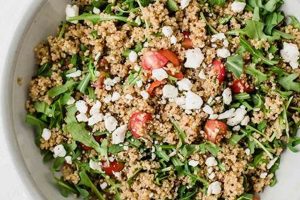
Combinations of leafy greens, dried cranberries, and pecan nuts offer a variety of culinary possibilities. These salads can range from simple, everyday meals to elegant dishes suitable for special occasions. A basic example includes mixed greens, crumbled goat cheese, dried cranberries, toasted pecans, and a light vinaigrette. Variations can incorporate other ingredients such as roasted vegetables, fruits like apples or pears, and different cheeses.
The blend of sweet and tart cranberries with crunchy pecans creates a pleasing textural and flavor contrast. Cranberries provide antioxidants and vitamins, while pecans offer healthy fats and protein. This nutritional profile makes such salads a healthy and satisfying meal option. The combination has become increasingly popular in recent decades, possibly influenced by the growing awareness of the health benefits of both ingredients and the desire for more complex flavor profiles in salads.
This article will explore various approaches to crafting these salads, including diverse ingredient combinations, dressing options, and tips for achieving optimal flavor and presentation. Specific recipes will be detailed, catering to various dietary preferences and skill levels, from quick weeknight meals to more elaborate preparations.
Tips for Cranberry and Pecan Salads
Optimizing flavor and presentation requires attention to detail. The following tips offer guidance for creating exceptional salads featuring cranberries and pecans.
Tip 1: Toast the Pecans: Toasting pecans enhances their inherent nutty flavor and adds a desirable crunch. Spread pecans in a single layer on a baking sheet and toast at 350F (175C) for 5-7 minutes, or until fragrant and lightly browned.
Tip 2: Balance Sweet and Tart: The sweetness of dried cranberries often benefits from a tart counterpoint. Consider incorporating ingredients like crumbled goat cheese, citrus segments, or a vinaigrette with lemon juice or apple cider vinegar.
Tip 3: Vary the Greens: While spinach and romaine lettuce are classic choices, consider exploring other greens such as kale, arugula, or butter lettuce for varied flavor and texture.
Tip 4: Don’t Overcrowd the Salad: Allow space between ingredients to showcase their individual colors and textures. Avoid adding too many ingredients, which can muddy the flavors.
Tip 5: Add a Touch of Sweetness: A drizzle of honey or maple syrup in the vinaigrette can complement the sweetness of the cranberries and pecans.
Tip 6: Consider Textural Variety: Enhance the salad’s appeal by adding elements like crumbled bacon, toasted croutons, or roasted chickpeas for contrasting textures.
Tip 7: Dress the Salad Just Before Serving: To prevent the greens from wilting, add the dressing immediately before serving. This also ensures the optimal balance of flavors.
By following these tips, one can elevate a simple cranberry and pecan salad into a culinary masterpiece, balancing flavors, textures, and visual appeal.
These tips provide a foundational understanding for creating delicious and visually appealing salads featuring these ingredients. The following section will delve into specific recipe examples showcasing these principles in action.
1. Fresh, Crisp Greens

The foundation of any successful salad featuring cranberries and pecans lies in the selection of fresh, crisp greens. These greens provide a neutral canvas that allows the flavors of the other ingredients to shine while contributing essential texture and nutrients. The choice of greens significantly impacts the overall sensory experience of the salad.
- Variety Selection
Numerous greens offer diverse flavors and textures suitable for cranberry pecan salads. Mild options like butter lettuce, baby spinach, or romaine create a delicate backdrop. More assertive greens such as arugula or kale provide a peppery counterpoint, adding complexity. Choosing a variety that complements the other ingredients ensures a balanced and harmonious flavor profile.
- Preparation and Storage
Proper handling maintains the freshness and crispness of the greens. Thoroughly washing and drying the leaves prevents a soggy salad. Storing greens in an airtight container lined with paper towels in the refrigerator helps preserve their texture. Proper preparation preserves the integrity of the leaves, ensuring a pleasant culinary experience.
- Visual Appeal
The vibrant green hues of fresh greens create an appealing visual contrast with the deep red of cranberries and the warm browns of pecans. Tearing larger leaves into bite-sized pieces contributes to an aesthetically pleasing presentation and facilitates even distribution of ingredients. This visual appeal enhances the dining experience.
- Nutritional Value
Leafy greens contribute essential vitamins and minerals to cranberry pecan salads, enhancing their nutritional value. Different greens offer varying nutritional profiles, further enriching the dish. This nutritional contribution elevates the salad from a simple dish to a healthful meal component.
The careful consideration of greens in cranberry pecan salads ensures a balanced, flavorful, and visually appealing dish. Selecting the right variety, proper handling, and attention to presentation maximize both the sensory experience and nutritional value, transforming the salad into a truly satisfying culinary creation.
2. Tart Cranberries

Tart cranberries play a crucial role in salads containing cranberries and pecans, providing a vibrant flavor contrast that balances the richness of the nuts and the other ingredients. Their tartness adds depth and complexity, preventing the salad from becoming overly sweet or one-dimensional. Understanding the nuances of cranberry tartness and its impact on the overall salad composition is essential for creating a well-balanced and flavorful dish.
- Balancing Sweetness
The inherent tartness of cranberries acts as a counterpoint to other sweet elements within the salad, such as candied pecans, sweet dressings, or the natural sugars present in fruits like apples or pears. This balance prevents an overly sweet profile, creating a more nuanced and enjoyable flavor experience. For example, a vinaigrette with honey or maple syrup can be balanced by the tartness of cranberries.
- Enhancing Flavor Complexity
Cranberries contribute more than just tartness; they offer a complex flavor profile with hints of bitterness and astringency. This complexity adds depth to the salad, interacting with the other ingredients to create a multi-layered sensory experience. The slight bitterness of cranberries, for instance, can complement the earthy notes of certain cheeses like gorgonzola or blue cheese.
- Textural Contrast
Dried cranberries, commonly used in these salads, offer a chewy texture that contrasts with the crunch of pecans and the crispness of fresh greens. This textural interplay adds another dimension to the salad, making it more engaging and satisfying. The juxtaposition of textures creates a more dynamic and enjoyable culinary experience.
- Visual Appeal
The vibrant red color of cranberries contributes significantly to the salad’s visual appeal. The bright pops of color against the backdrop of greens and the browns of pecans create an aesthetically pleasing presentation, enhancing the overall dining experience. This visual element makes the salad more inviting and appetizing.
The tartness of cranberries is integral to the success of salads featuring cranberries and pecans. This tartness not only balances sweetness and enhances flavor complexity but also contributes to textural and visual appeal. The strategic use of cranberries elevates the salad from a simple combination of ingredients to a well-rounded and satisfying dish, showcasing the interplay of flavors and textures.
3. Toasted Pecans

Toasted pecans represent a crucial element in salads featuring both cranberries and pecans. The toasting process enhances the inherent richness and nuttiness of pecans, creating a deeper, more complex flavor profile that complements the tartness of cranberries. This amplified flavor is not merely an addition but a transformative element, elevating the overall sensory experience of the salad. Untoasted pecans, while offering a certain degree of crunch and flavor, lack the intensified characteristics achieved through toasting. For instance, a salad with untoasted pecans might present a pleasant, if somewhat bland, nutty note, whereas toasted pecans provide a robust, buttery flavor that interacts more dynamically with the other ingredients.
The impact of toasting extends beyond flavor enhancement. The process also alters the texture of pecans, intensifying their inherent crunch. This added crispness offers a pleasing textural counterpoint to the chewiness of dried cranberries and the tenderness of leafy greens. This interplay of textures contributes significantly to the overall enjoyment of the salad. Consider a spinach salad with goat cheese, cranberries, and pecans. The toasted pecans provide a satisfying crunch that contrasts with the creamy goat cheese and tender spinach, creating a more engaging textural experience than would be achieved with untoasted pecans.
From a practical standpoint, toasting pecans is a simple yet highly effective culinary technique. Briefly heating the pecans in a dry pan or oven until fragrant and lightly browned achieves the desired result. This minimal effort yields a significant improvement in both flavor and texture, demonstrating the considerable impact of this seemingly small step in elevating the overall quality of a cranberry and pecan salad. The amplified flavor and enhanced texture achieved through toasting contribute substantially to the salad’s appeal, transforming it into a more sophisticated and satisfying culinary experience.
4. Balanced Vinaigrette

A balanced vinaigrette is essential for salads featuring cranberries and pecans. The vinaigrette acts as a unifying element, harmonizing the diverse flavors and textures present within the salad. It provides a necessary counterpoint to the sweetness of the cranberries and the richness of the pecans. An overly sweet or acidic dressing can overwhelm the delicate balance of the salad, while a bland vinaigrette fails to enhance the other ingredients. A well-balanced vinaigrette, therefore, complements and elevates the other components without dominating the flavor profile. Consider, for example, a maple-balsamic vinaigrette. The sweetness of the maple syrup complements the cranberries, while the balsamic vinegar provides a tart counterpoint that prevents the salad from becoming cloying. The acidity also cuts through the richness of the pecans, creating a harmonious flavor profile.
Achieving this balance requires careful consideration of the vinaigrette’s components. The ratio of oil to acid plays a crucial role in determining the overall flavor and texture of the dressing. A typical ratio is three parts oil to one part vinegar, but this can be adjusted to suit individual preferences and the specific ingredients of the salad. Beyond oil and acid, other components contribute to the vinaigrette’s complexity and balance. Emulsifiers, such as Dijon mustard or honey, help to bind the oil and vinegar together, creating a smooth and creamy texture. Flavor enhancers, like minced garlic, shallots, or herbs, add depth and complexity. A vinaigrette for a cranberry pecan salad might include a touch of Dijon mustard for emulsification, a small amount of honey to complement the cranberries, and a pinch of thyme to enhance the earthy notes of the pecans.
The practical significance of a balanced vinaigrette extends beyond flavor enhancement. It also affects the overall texture and presentation of the salad. A properly emulsified vinaigrette coats the leaves evenly, preventing them from becoming soggy while enhancing their visual appeal. Furthermore, the vinaigrette contributes to the salad’s nutritional value, providing healthy fats from the oil and potential added benefits from ingredients like herbs and spices. Therefore, a balanced vinaigrette serves not only as a flavor enhancer but also as a textural and nutritional component, crucial for a successful cranberry and pecan salad. Mastering the art of vinaigrette preparation allows one to create a cohesive and satisfying culinary experience, transforming a simple combination of ingredients into a well-rounded and flavorful dish.
5. Complementary Cheeses

Cheese selection significantly influences the overall flavor profile of salads incorporating cranberries and pecans. The goal is to achieve a harmonious balance, complementing the existing sweet, tart, and nutty notes without overwhelming the palate. Certain cheeses possess characteristics that enhance these flavors, creating a synergistic effect. Sharp, tangy cheeses, such as feta or goat cheese, provide a counterpoint to the sweetness of cranberries, while their creamy texture contrasts with the pecans’ crunch. Blue cheese offers a pungent, salty element that complements the earthy notes of pecans and adds depth to the salad. The interplay of flavors and textures between the cheese, cranberries, and pecans elevates the salad beyond a simple combination of ingredients, transforming it into a more complex and satisfying dish. For instance, a salad with crumbled goat cheese, candied pecans, and dried cranberries demonstrates this synergy. The tangy goat cheese offsets the sweetness of the cranberries and candied pecans, creating a balanced flavor profile.
The practical application of this understanding involves careful consideration of flavor profiles and textures. Hard cheeses like aged cheddar or Parmesan, while flavorful, might not integrate as seamlessly due to their intense sharpness and firm texture. Softer cheeses, such as brie or camembert, could become overly creamy when combined with the richness of pecans. The choice of cheese also impacts the salad’s nutritional value. Cheeses offer varying levels of protein, calcium, and fat, contributing to the overall nutritional composition of the meal. A salad with feta cheese, for example, provides a good source of calcium, while a salad with blue cheese offers a richer source of fat. Therefore, cheese selection should consider not only flavor and texture but also the desired nutritional outcome.
Strategic cheese selection elevates cranberry and pecan salads. Understanding the interplay of flavors and textures between different cheeses and the existing ingredients allows for the creation of a harmonious and balanced dish. Considering factors such as sharpness, creaminess, and saltiness, alongside the desired nutritional value, ensures that the chosen cheese enhances, rather than detracts from, the overall culinary experience. This approach transforms a simple salad into a nuanced composition of flavors and textures, demonstrating the importance of complementary cheese selection in achieving a successful culinary outcome.
6. Optional Additions
Optional additions represent opportunities to expand the flavor and textural complexity of salads containing cranberries and pecans. These additions, while not essential to the core combination, offer avenues for customization and creativity, transforming a basic salad into a more personalized and nuanced dish. Consider the interplay of flavors and textures. Roasted butternut squash, for instance, introduces a subtle sweetness and a soft, yielding texture that contrasts with the crisp pecans and tart cranberries. Similarly, the addition of crumbled bacon provides a smoky, savory element and a crispy texture, further diversifying the sensory experience. The strategic incorporation of optional additions allows for a broader range of flavor profiles, catering to individual preferences and dietary needs.
The practical significance of optional additions lies in their ability to elevate the salad from a simple dish to a more substantial and satisfying meal. Adding grilled chicken or roasted chickpeas, for example, increases the protein content, contributing to a more balanced nutritional profile. Seasonal variations can also be introduced through optional additions. In autumn, roasted apples or pears complement the flavors of cranberries and pecans, while in summer, fresh berries or sliced cucumbers offer a lighter, more refreshing counterpoint. These additions not only enhance the salad’s nutritional value but also provide visual appeal and textural variety, contributing to a more engaging culinary experience. For example, incorporating segments of orange adds a burst of color and a juicy texture that contrasts with the other ingredients.
Understanding the role of optional additions in cranberry and pecan salads provides a framework for culinary exploration and customization. While the core combination of cranberries, pecans, and greens remains central, optional additions allow for endless variations, catering to a wide range of tastes and preferences. Careful consideration of flavor profiles, textures, and nutritional value ensures that these additions enhance, rather than detract from, the overall balance and harmony of the salad. This approach transforms the salad from a static recipe into a dynamic platform for culinary creativity, reflecting the individual tastes and preferences of the preparer.
Frequently Asked Questions
This section addresses common inquiries regarding salads featuring cranberries and pecans, offering practical guidance for optimizing preparation and maximizing flavor.
Question 1: How can one prevent the salad from becoming soggy when using a vinaigrette?
To prevent sogginess, dress the salad immediately before serving. This ensures the greens remain crisp and prevents the dressing from overwhelming the other ingredients.
Question 2: What alternatives exist for individuals with pecan allergies?
Walnuts, pumpkin seeds, or sunflower seeds offer comparable textures and flavors while accommodating pecan allergies. These substitutes maintain the desired crunch while providing alternative nutritional benefits.
Question 3: Can dried cranberries be substituted with fresh cranberries?
Fresh cranberries offer a more tart flavor profile and a different texture. If substituting, consider adjusting the sweetness of the vinaigrette or other ingredients to balance the increased tartness. Additionally, chopping fresh cranberries can make them easier to incorporate into the salad.
Question 4: How can the nutritional value of these salads be maximized?
Incorporating nutrient-rich ingredients such as lean proteins (grilled chicken or fish), diverse vegetables (roasted sweet potatoes or bell peppers), and various greens (kale or spinach) enhances the overall nutritional content. These additions contribute additional vitamins, minerals, and fiber.
Question 5: What storage recommendations apply to prepared cranberry and pecan salads?
Storing prepared salads, especially those with dressings, is generally not recommended as the greens can wilt and the flavors can meld, diminishing the overall quality. If storage is necessary, store the components separately and combine just prior to serving.
Question 6: How does the choice of greens impact the overall flavor profile?
Mild greens, such as butter lettuce or baby spinach, allow the flavors of the cranberries and pecans to take center stage. More robust greens, like arugula or kale, provide a peppery counterpoint that adds complexity to the salad. The chosen greens should complement, not overpower, the other ingredients.
Addressing these frequently asked questions provides a comprehensive understanding of the nuances involved in preparing and enjoying cranberry and pecan salads. These insights offer practical guidance for maximizing flavor, texture, and nutritional value.
This concludes the discussion on frequently asked questions. The following section will provide a summary of key takeaways.
Conclusion
Exploration of salad recipes incorporating cranberries and pecans reveals the potential for diverse flavor profiles and nutritional benefits. Careful consideration of ingredient selection, including the choice of greens, the balance of sweet and tart elements, and the textural interplay between components, contributes significantly to the overall culinary experience. Proper handling techniques and the strategic use of complementary ingredients, such as cheeses and optional additions, further enhance the salad’s appeal. Understanding the impact of each ingredient and employing appropriate preparation methods ensures a harmonious blend of flavors and textures.
Culinary exploration of cranberry and pecan salad combinations offers a pathway to both healthful and satisfying meals. The versatility of these ingredients allows for continuous adaptation and customization, encouraging creative expression in the kitchen. Continued experimentation with diverse flavor profiles and ingredient combinations promises further development and appreciation of the culinary potential presented by these readily available components.