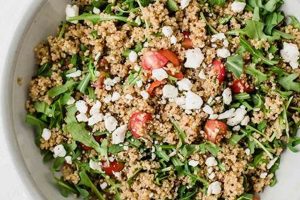
A dish featuring bitter melon (also known as bitter gourd or Momordica charantia) as the primary ingredient, prepared with a mixture of complementary vegetables, seasonings, and often a souring agent, constitutes this culinary creation. Variations exist across different cultures, incorporating ingredients like onions, tomatoes, eggs, and proteins such as dried fish or shrimp. These preparations balance the bitter melon’s inherent bitterness with other flavors, creating a complex and refreshing taste profile.
This type of dish offers a nutritious option, as bitter melon is rich in vitamins and minerals. It’s often considered beneficial for blood sugar regulation and digestive health in some traditional medicine practices. The dish’s prevalence in various Southeast Asian cuisines underscores its cultural significance as both a staple food and a testament to resourcefulness in utilizing the versatile bitter melon.
Further exploration will delve into the diverse regional variations, preparation techniques, and health benefits associated with this unique culinary tradition.
Tips for Preparing Bitter Melon Salad
Optimizing the preparation of bitter melon salad involves techniques to mitigate the inherent bitterness while enhancing its flavor profile and nutritional value. These guidelines offer practical advice for achieving a balanced and palatable dish.
Tip 1: Selecting Bitter Melon: Choose firm, unblemished bitter melons with a vibrant green color. Smaller, younger ones tend to be less bitter.
Tip 2: Reducing Bitterness: Slicing the bitter melon thinly and salting it for 15-20 minutes draws out excess bitterness. Rinsing thoroughly afterward removes the salt and residual bitterness.
Tip 3: Balancing Flavors: Incorporate acidic ingredients like vinegar or lime juice to counteract the bitterness and add brightness to the salad.
Tip 4: Adding Texture and Flavor: Include complementary ingredients like sliced onions, tomatoes, and other vegetables to add textural variety and enhance the overall flavor profile.
Tip 5: Enhancing Umami: Incorporating ingredients such as dried shrimp, fish sauce, or shrimp paste can introduce umami notes that complement the bitter melon’s flavor.
Tip 6: Serving Suggestions: The salad can be served chilled as a refreshing side dish or enjoyed as part of a larger meal.
Tip 7: Storage: Store leftover salad in an airtight container in the refrigerator for up to 2 days, although it is best consumed fresh.
By following these tips, one can create a bitter melon salad that is not only palatable but also showcases the unique characteristics of this versatile vegetable.
Concluding this exploration of bitter melon salad preparation, these tips provide a foundation for crafting a delightful and healthful dish.
1. Bitter Melon Preparation

Optimal bitter melon preparation is paramount to a successful ampalaya salad recipe. The inherent bitterness of this vegetable necessitates careful handling to create a palatable and enjoyable dish. The following facets highlight the crucial steps involved in this process.
- Selecting and Handling:
Choosing the right bitter melon is the first crucial step. Firm, unblemished bitter melons with a vibrant green hue are preferred. Smaller, younger ones tend to be less bitter. Proper handling involves washing the melon thoroughly before proceeding with further preparation.
- Slicing and Salting:
Thinly slicing the bitter melon aids in even cooking and flavor distribution, while also facilitating bitterness reduction. Salting the sliced bitter melon for 15-20 minutes draws out moisture and bitterness. Thorough rinsing after salting removes excess salt and residual bitterness.
- Blanching or Parboiling:
While salting primarily addresses bitterness, blanching or briefly parboiling the bitter melon in hot water further reduces its harshness while maintaining some texture. This step also brightens the green color of the melon.
- Marinating (Optional):
Marinating the prepared bitter melon in a mixture of vinegar, citrus juice, or other seasonings can further enhance flavor complexity and reduce any remaining bitterness. This step also allows the melon to absorb other flavors present in the marinade.
These preparatory steps are foundational to creating a balanced and delicious ampalaya salad. By mitigating the bitterness of the bitter melon through these techniques, the other flavors in the salad are allowed to shine, resulting in a harmonious and refreshing dish.
2. Balancing Bitterness
Balancing bitterness stands as a crucial element within ampalaya salad recipes. The inherent bitterness of ampalaya, while offering potential health benefits, requires careful management to achieve palatability. This balance acts as the cornerstone of a successful recipe, transforming a potentially overpowering flavor into a refreshing and complex culinary experience. The process involves understanding the sources of bitterness within the ampalaya itself and employing specific culinary techniques to mitigate its intensity.
Several methods contribute to bitterness reduction. Salting draws out excess bitterness from the sliced ampalaya, while blanching or parboiling further diminishes harshness. Acidity plays a vital role; the incorporation of vinegar, calamansi juice, or other souring agents counteracts bitterness and introduces a bright, tangy dimension. Further balancing is achieved through the inclusion of complementary ingredients. Sweetness from sugar or ripe tomatoes, saltiness from fish sauce or shrimp paste, and umami from onions or garlic all contribute to a more rounded flavor profile. A classic example is the Filipino ampalaya salad, where the bitterness of the melon is offset by the sweetness of tomatoes, the saltiness of shrimp paste, and the acidity of vinegar.
Successfully balancing bitterness transforms ampalaya salad from a potentially challenging dish into a desirable culinary creation. This balance not only enhances palatability but also allows the inherent nutritional value of ampalaya to be appreciated. The interplay of bitterness and complementary flavors underscores the complexity and sophistication possible within this seemingly simple dish. Mastery of this balance distinguishes a truly exceptional ampalaya salad.
3. Complementary Ingredients

Complementary ingredients are essential to a successful ampalaya salad recipe, playing a crucial role in balancing the inherent bitterness of the ampalaya and creating a harmonious flavor profile. Their strategic inclusion elevates the dish beyond a simple combination of ingredients, transforming it into a nuanced culinary experience. The selection and proportion of these ingredients directly impact the final taste, texture, and overall appeal of the salad.
Several categories of complementary ingredients contribute to a well-rounded ampalaya salad. Acidity, often from vinegar, calamansi juice, or other citrus fruits, counteracts the bitterness. Sweetness, derived from sugar, ripe tomatoes, or even a touch of honey, provides balance and complexity. Saltiness, introduced through fish sauce, shrimp paste, or salted eggs, adds a savory depth. Umami-rich ingredients, such as onions, garlic, or dried shrimp, enhance the overall flavor profile. Textural contrast, provided by crunchy elements like toasted nuts, fried shallots, or crispy dried fish, creates an engaging mouthfeel. A classic Filipino ampalaya salad, for example, might include tomatoes for sweetness, red onions for pungency, and salted eggs for a salty, creamy element, all balanced by the acidic tang of vinegar.
Understanding the interplay of these complementary ingredients is crucial for achieving a balanced and flavorful ampalaya salad. Careful consideration of regional variations and personal preferences allows for customization while maintaining the core principles of balancing bitterness and enhancing the overall sensory experience. The skillful integration of these complementary components ultimately determines the success and enjoyment of the dish.
4. Regional variations

Regional variations significantly influence ampalaya salad recipes, reflecting diverse culinary traditions and locally available ingredients. These variations offer a fascinating lens through which to explore the adaptability of this dish across different cultures. Examining these regional nuances provides a deeper understanding of how a core recipe can evolve and adapt to local tastes and preferences.
In the Philippines, a common variation incorporates tomatoes, onions, and salted eggs, often with a vinegar-based dressing. Thai versions might include dried shrimp, fish sauce, and lime juice, resulting in a more savory and umami-rich profile. Indian preparations sometimes feature roasted peanuts and spices like cumin and coriander, reflecting the region’s penchant for complex flavor combinations. These examples illustrate how the core concept of balancing ampalaya’s bitterness remains constant, while the specific ingredients used to achieve this balance vary widely. Such variations highlight the resourcefulness and creativity within different culinary traditions, adapting a shared ingredient to unique local contexts.
Understanding these regional adaptations provides valuable insights into the versatility of ampalaya salad. It underscores the dish’s adaptability and potential for customization based on individual preferences and ingredient availability. This awareness allows for a more nuanced appreciation of the dish, moving beyond a single, monolithic recipe to recognize the rich tapestry of flavors and techniques contributing to its diverse culinary expressions.
5. Nutritional Benefits

Nutritional benefits represent a significant aspect of ampalaya salad recipes, extending beyond mere palatability. Ampalaya, also known as bitter melon, offers a rich array of vitamins, minerals, and bioactive compounds, contributing to potential health advantages. Incorporating ampalaya into a salad format not only presents a palatable way to consume this nutritious vegetable but also allows for the integration of other beneficial ingredients, further enhancing the overall nutritional value of the dish.
- Vitamin and Mineral Content
Ampalaya is a good source of vitamins A, C, and several B vitamins, including folate. It also provides essential minerals like potassium, magnesium, and iron. These nutrients play crucial roles in various bodily functions, supporting immune health, cellular function, and energy metabolism. Consuming ampalaya salad can contribute to meeting daily recommended intakes of these essential micronutrients.
- Antioxidant Properties
Ampalaya contains antioxidants, such as flavonoids and polyphenols, which may help protect cells from oxidative stress. Oxidative stress is implicated in various chronic diseases, including heart disease and certain types of cancer. Regular consumption of antioxidant-rich foods like ampalaya salad may offer potential long-term health benefits.
- Potential Blood Sugar Regulation
Ampalaya has been traditionally used to manage blood sugar levels. Studies suggest that certain compounds within ampalaya may have blood-sugar-lowering effects. While further research is needed, incorporating ampalaya salad into a balanced diet may contribute to healthy blood sugar management.
- Dietary Fiber Contribution
Ampalaya is a source of dietary fiber, which plays a crucial role in digestive health. Fiber promotes regular bowel movements, prevents constipation, and supports a healthy gut microbiome. Including ampalaya salad in a diet can contribute to overall digestive well-being.
The nutritional benefits associated with ampalaya salad recipes highlight the potential health advantages of incorporating this dish into a balanced diet. While the specific nutritional composition may vary based on additional ingredients and preparation methods, the core nutritional value of ampalaya remains a significant contributor to overall health and well-being. Combining ampalaya with other nutrient-rich vegetables and lean protein sources further enhances the nutritional density of the salad, making it a valuable addition to a health-conscious dietary pattern.
6. Serving Suggestions

Serving suggestions for ampalaya salad recipes enhance the overall dining experience, moving beyond mere sustenance to consider presentation, pairings, and optimal enjoyment. Thoughtful serving elevates the dish, transforming it from a simple side dish to a more compelling culinary offering. Understanding these suggestions allows for a more nuanced appreciation and enjoyment of ampalaya salad.
- As a Standalone Side Dish:
Ampalaya salad often serves as a refreshing and palate-cleansing side dish. Its slightly bitter flavor profile contrasts well with richer, heavier main courses. Serving it chilled enhances its refreshing qualities. This application is particularly common in Southeast Asian cuisine, where it accompanies grilled meats, fish, or curries.
- Incorporated into Larger Meals:
Ampalaya salad can be integrated into larger meals, adding a layer of complexity and textural contrast. It can be incorporated into rice bowls, noodle dishes, or wraps. The slight bitterness of the salad complements the other flavors in the meal, creating a balanced and satisfying culinary experience.
- Paired with Complementary Dishes:
Strategic pairing with complementary dishes enhances the enjoyment of ampalaya salad. Dishes with rich, savory flavors, such as grilled or roasted meats, provide a counterpoint to the salad’s bitterness. Alternatively, pairing it with other lighter dishes creates a refreshing and balanced meal.
- Garnishes and Presentation:
Garnishing and thoughtful presentation elevate the visual appeal of ampalaya salad. Toasted sesame seeds, chopped peanuts, or fried shallots add texture and visual interest. Serving the salad on a bed of lettuce or alongside other vibrant vegetables enhances its presentation and perceived freshness.
Consideration of these serving suggestions elevates the ampalaya salad experience. The manner in which the salad is served impacts not only its perceived value but also its integration into a larger culinary context. By understanding these nuances, one can fully appreciate the versatility and potential of ampalaya salad as a component within a diverse range of dining occasions.
7. Storage Techniques
Storage techniques significantly impact the quality and safety of ampalaya salad. Proper storage maintains the dish’s freshness, flavor profile, and nutritional value while minimizing the risk of bacterial growth. Because ampalaya salad often incorporates fresh ingredients, including the moisture-rich ampalaya itself, it is susceptible to spoilage if not stored correctly. Understanding optimal storage practices is essential for maximizing the shelf life and ensuring the safe consumption of this dish.
Effective storage of ampalaya salad involves several key practices. Refrigeration at temperatures below 40F (4C) is crucial for inhibiting bacterial growth. Storing the salad in an airtight container prevents oxidation and moisture loss, preserving its crispness and flavor. Avoiding prolonged storage is also important; ideally, ampalaya salad is consumed within two days of preparation. Prior to storage, any excess dressing should be removed, as this can accelerate spoilage. If the salad includes ingredients prone to rapid deterioration, such as salted eggs or dried shrimp, these should be stored separately and added just before serving to maintain optimal quality. For instance, a restaurant preparing ampalaya salad in advance for a catered event would benefit from storing the base ingredients separately and combining them just prior to service, ensuring optimal freshness and preventing the salad from becoming soggy.
Appropriate storage techniques are fundamental for preserving the quality and safety of ampalaya salad. Neglecting these practices can lead to spoilage, compromising both flavor and food safety. Implementing these strategies contributes to a more enjoyable and healthful culinary experience by maintaining the dish’s intended characteristics and minimizing potential health risks. This understanding underscores the significance of proper food handling practices in preserving the integrity and safety of culinary creations, extending beyond immediate consumption to consider the broader implications of food storage and preservation.
Frequently Asked Questions
This section addresses common inquiries regarding ampalaya salad recipes, providing concise and informative responses to facilitate a deeper understanding of this culinary creation.
Question 1: How can the inherent bitterness of ampalaya be effectively reduced?
Several techniques mitigate bitterness. Salting sliced ampalaya draws out moisture and bitterness. Blanching or briefly parboiling further reduces harshness. Incorporating acidic agents like vinegar or calamansi juice counteracts bitterness and adds brightness.
Question 2: What complementary ingredients enhance ampalaya salad?
Ingredients like tomatoes, onions, and salted eggs contribute sweetness, pungency, and saltiness, respectively, balancing the bitterness. Dried shrimp or fish sauce add umami, while toasted nuts or fried shallots provide textural contrast.
Question 3: How does one prevent ampalaya salad from becoming watery?
Thorough salting and draining of the ampalaya removes excess moisture. Adding ingredients just before serving prevents them from releasing water into the salad. Storing the dressing separately also helps maintain crispness.
Question 4: What are the key nutritional benefits of consuming ampalaya salad?
Ampalaya is rich in vitamins A and C, along with several B vitamins and minerals like potassium and magnesium. It also contains antioxidants and fiber, contributing to potential health benefits.
Question 5: How long can ampalaya salad be stored safely?
Properly stored in an airtight container in the refrigerator, ampalaya salad typically lasts for up to two days. However, consuming it fresh is recommended for optimal flavor and texture.
Question 6: Can ampalaya salad be adapted to different dietary restrictions?
Ampalaya salad’s adaptability allows for modifications to suit various dietary needs. Vegan versions omit ingredients like salted eggs or dried shrimp. Adjustments in seasonings can cater to low-sodium or other dietary preferences.
These responses provide a foundational understanding of ampalaya salad preparation and characteristics. Further exploration and experimentation allow for personal adaptations and a deeper appreciation of this versatile dish.
The following section explores a variety of ampalaya salad recipes from different regions, showcasing the diverse culinary applications of this nutritious vegetable.
Conclusion
Exploration of ampalaya salad recipes reveals a dish characterized by nuanced preparation and diverse culinary applications. Balancing the inherent bitterness of ampalaya through techniques like salting, blanching, and the strategic use of acidic and complementary ingredients is crucial for palatability. Regional variations showcase adaptability, incorporating diverse flavor profiles and ingredients reflecting local culinary traditions. Nutritional benefits, including vitamin and mineral content, antioxidant properties, and potential blood sugar regulation, further underscore the value of incorporating ampalaya into one’s diet.
Ampalaya salad represents more than a simple culinary creation; it embodies resourcefulness, adaptability, and a deep connection to cultural heritage. Further exploration of regional variations and culinary techniques promises continued evolution and appreciation of this versatile and healthful dish. Its enduring presence in diverse culinary landscapes suggests a vibrant future for ampalaya salad, inviting further exploration and innovation within the culinary world.