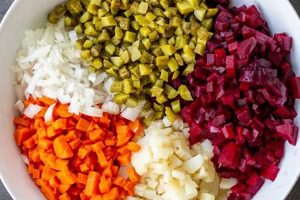
Dishes combining cooked quinoa, crumbled feta cheese, and various other ingredients offer a versatile and nutritious meal option. These preparations typically incorporate fresh vegetables, herbs, and a flavorful dressing. A simple example might include cooked quinoa, crumbled feta, chopped cucumber, tomatoes, red onion, parsley, and a lemon-herb vinaigrette.
Such combinations provide a balance of protein, complex carbohydrates, and healthy fats. Quinoa contributes essential amino acids and fiber, while feta provides calcium and a salty, tangy flavor. The addition of fresh produce boosts vitamin and mineral intake. The adaptability of these salads allows for variations based on seasonal ingredients and personal preferences, making them suitable for various dietary needs, from vegetarian and vegan (with feta substitutes) to gluten-free. They represent a contemporary approach to healthy eating, reflecting a growing awareness of the nutritional value of ancient grains and the Mediterranean diet’s emphasis on fresh ingredients.
Exploring specific ingredient combinations, preparation techniques, and variations in dressings will further illuminate the versatility and nutritional benefits offered by this culinary concept.
Tips for Quinoa Feta Salad Preparation
Optimizing ingredient selection and preparation techniques enhances the flavor and nutritional value of these versatile salads.
Tip 1: Rinse the quinoa. Rinsing quinoa under cold water before cooking removes any residual saponins, which can contribute a bitter taste.
Tip 2: Toast the quinoa (optional). Toasting dry quinoa in a pan before cooking adds a nutty flavor and enhances its texture.
Tip 3: Cook quinoa according to package directions. Proper cooking ensures a light and fluffy texture, avoiding a mushy or crunchy result.
Tip 4: Chill the quinoa. Cooling the cooked quinoa before combining it with other ingredients prevents the feta from melting and the vegetables from wilting.
Tip 5: Use high-quality feta. The flavor and texture of feta vary significantly; opt for a block of feta packed in brine rather than pre-crumbled varieties.
Tip 6: Incorporate a variety of fresh produce. Seasonal vegetables and herbs contribute flavor, texture, and nutritional value. Consider ingredients like cherry tomatoes, cucumbers, bell peppers, red onion, spinach, or kale.
Tip 7: Experiment with dressings. A simple vinaigrette made with olive oil, lemon juice, and herbs complements the flavors of quinoa and feta. Consider adding a touch of Dijon mustard or honey for variation.
Tip 8: Don’t overdress the salad. Add the dressing gradually, tasting as you go, to avoid a soggy salad.
Attention to these details ensures a flavorful and well-balanced dish that maximizes both the nutritional and sensory experience.
By following these tips, one can consistently create delicious and nutritious salads featuring quinoa and feta.
1. Ingredient Quality

Ingredient quality significantly impacts the overall success of quinoa feta salad recipes. The inherent flavors of quinoa and feta, relatively subtle on their own, allow the quality of accompanying ingredients to shine through. Substandard produce, stale herbs, or low-grade oil can negatively affect the final dish’s flavor, texture, and nutritional value. For example, using mealy tomatoes or limp cucumbers will result in a less vibrant and refreshing salad. Similarly, opting for a bland, mass-produced feta instead of a tangy, artisanal variety diminishes the complexity of the flavor profile. Selecting fresh, seasonal produce, high-quality feta packed in brine, and extra virgin olive oil elevates the sensory experience and nutritional benefits. This attention to detail transforms a simple salad into a flavorful and healthful meal.
The impact of ingredient quality extends beyond flavor. Fresh, ripe produce offers higher nutrient content, maximizing the health benefits of the salad. Choosing organic ingredients minimizes exposure to pesticides and herbicides. Investing in high-quality feta, often made with sheep or goat milk, provides a richer flavor and a source of beneficial probiotics. Furthermore, using a good quality olive oil contributes monounsaturated fats and antioxidants. These choices cumulatively enhance the nutritional value of the salad, aligning with the broader goals of healthy eating.
Prioritizing ingredient quality in quinoa feta salad recipes ensures optimal flavor, texture, and nutritional value. While convenience may tempt compromises, the difference between using high-quality ingredients and their inferior counterparts is readily discernible in the final product. An investment in quality ingredients directly translates to a superior culinary experience and contributes to overall well-being. This understanding empowers informed choices that maximize both the pleasure and health benefits derived from these versatile salads.
2. Flavor Balance

Flavor balance is paramount in quinoa feta salad recipes. The inherent subtlety of quinoa and the saltiness of feta necessitate careful consideration of other ingredients to create a harmonious and palatable dish. A well-balanced salad avoids overpowering any single flavor, allowing the nuanced tastes of individual components to complement each other. Achieving this balance requires an understanding of how different flavor profiles interact and how to adjust ingredient proportions accordingly.
- Saltiness from Feta:
Feta cheese contributes a distinct salty, tangy flavor. This saltiness serves as a foundation for the flavor profile, requiring balancing elements to prevent it from dominating. The amount of feta used should be carefully considered relative to other ingredients. For example, a salad with a larger proportion of feta may require more acidic elements in the dressing to counterbalance the saltiness. Different varieties of feta also exhibit varying levels of saltiness, influencing overall flavor balance.
- Acidity in the Dressing:
Acidic elements, commonly found in the dressing, play a crucial role in balancing the saltiness of feta. Lemon juice, vinegar, or other acidic ingredients provide brightness and cut through the richness of the cheese and any added oils. The level of acidity should complement, not overpower, the other flavors. A dressing that is too acidic can make the salad unpleasantly tart, while insufficient acidity can result in a bland or overly salty dish. The type of acid used also influences the overall flavor; lemon juice offers a brighter, citrusy note compared to the more subtle tang of red wine vinegar.
- Sweetness and Bitterness from Produce:
The inclusion of fresh produce introduces additional layers of flavor complexity. Sweet vegetables, like roasted sweet potatoes or bell peppers, offer a contrasting sweetness that complements both the salty feta and acidic dressing. Bitter greens, such as kale or arugula, provide a contrasting sharpness that can further enhance flavor balance. The selection and proportion of produce should be guided by the desired overall flavor profile. For example, a salad emphasizing sweetness might include dried cranberries or roasted beets, while a salad with a more bitter profile might incorporate radicchio or dandelion greens.
- Earthy and Nutty Notes from Quinoa and Add-ins:
Quinoa contributes a subtle earthy flavor, which can be enhanced by toasting it before cooking. This earthiness provides a grounding element that complements the brighter flavors of the other ingredients. Adding nuts or seeds introduces textural contrast and contributes nutty or earthy notes, further deepening the flavor profile. Toasted pine nuts, walnuts, or sunflower seeds are common additions. The choice of add-ins should align with the overall flavor balance; for example, walnuts offer a more robust flavor than pine nuts, impacting the overall taste.
Successfully balancing these elements results in a quinoa feta salad that is both flavorful and refreshing. The interplay of salty, acidic, sweet, bitter, earthy, and nutty notes creates a complex and satisfying culinary experience. Each bite offers a harmonious blend of flavors, showcasing the careful consideration given to ingredient selection and proportion. This attention to flavor balance elevates the dish beyond a simple combination of ingredients, transforming it into a well-rounded and enjoyable meal.
3. Textural Contrast

Textural contrast significantly enhances the sensory experience of quinoa feta salad recipes. The foundational ingredientscooked quinoa and crumbled fetaoffer a relatively uniform, soft texture. Incorporating ingredients with contrasting textures elevates the dish from simple to sophisticated, engaging multiple senses and creating a more dynamic eating experience. This contrast stimulates interest and prevents the palate from becoming fatigued. Crunchy, crispy, or chewy elements juxtaposed against the soft base of quinoa and feta contribute a more satisfying and memorable meal. This principle applies not only to flavor profiles but also to the physical interaction of the food with the palate. The interplay of textures generates greater interest and enjoyment.
Several strategies effectively introduce textural contrast. Toasted nuts, such as almonds, walnuts, or pecans, provide a satisfying crunch. Seeds, like sunflower or pumpkin seeds, offer a similar effect. Crispy vegetables, including chopped bell peppers, cucumbers, or shredded carrots, contribute a refreshing crispness. Adding dried fruits, like cranberries or chopped apricots, introduces a chewy texture that contrasts with the softer elements. Even the preparation of the quinoa itself can contribute to textural variation; toasting the quinoa before cooking adds a subtle nuttiness and a slightly firmer texture. These additions create a multi-faceted textural profile, preventing monotony and enriching the overall sensory experience.
The interplay of textures in a quinoa feta salad elevates it from a basic dish to a more complex and engaging culinary creation. Consider a salad with fluffy quinoa, creamy feta, crunchy toasted almonds, and juicy cherry tomatoes. The varied textures create a dynamic eating experience, stimulating the palate and enhancing enjoyment. Understanding the importance of textural contrast empowers informed ingredient choices and preparation techniques, ultimately leading to more satisfying and memorable meals. This principle, when applied thoughtfully, transforms a simple combination of ingredients into a well-rounded and texturally stimulating dish.
4. Preparation Methods

Preparation methods significantly influence the final outcome of quinoa feta salad recipes. While seemingly straightforward, the techniques employed in preparing individual components and combining them affect the overall flavor, texture, and nutritional value of the dish. Careful attention to these methods ensures a balanced and enjoyable culinary experience. Understanding the nuances of each step, from cooking the quinoa to assembling the salad, allows for greater control over the final product and optimization of its qualities.
- Quinoa Cooking Technique
Proper quinoa cooking is fundamental. Rinsing the quinoa before cooking removes saponins, which can impart a bitter taste. The cooking method itself impacts texture; using the correct water ratio and cooking time ensures fluffy, separate grains, avoiding a mushy or crunchy result. Toasting the quinoa before cooking adds a nutty dimension to the flavor profile. These seemingly minor steps significantly influence the overall quality of the salad.
- Feta Handling
Feta cheese, often packaged in brine, requires specific handling. Draining the feta removes excess moisture, preventing a watery salad. Crumbling the feta into evenly sized pieces ensures uniform distribution of flavor and texture throughout the salad. Different feta varieties, such as those made from cow, sheep, or goat milk, offer varying textures and flavor intensities, influencing the final result. Understanding these differences allows for informed choices based on desired outcomes.
- Vegetable Preparation
Vegetable preparation contributes significantly to the salad’s textural and flavor complexity. Chopping vegetables into uniform sizes promotes even cooking and distribution within the salad. Utilizing various cutting techniquesdicing, slicing, or shavingcreates visual and textural interest. Blanching or roasting certain vegetables, like green beans or bell peppers, can enhance their flavor and texture before adding them to the salad, contributing a depth of flavor beyond raw ingredients.
- Dressing Emulsification and Incorporation
The dressing often serves as the unifying element, binding the ingredients and enhancing overall flavor. Proper emulsification of the dressing, typically a vinaigrette, ensures a smooth and evenly distributed coating. Adding the dressing just before serving prevents the salad from becoming soggy. The order of ingredient incorporation impacts how flavors meld; adding more delicate ingredients last preserves their texture and prevents them from being overwhelmed by stronger flavors.
These seemingly simple preparation methods cumulatively determine the final quality and enjoyment of a quinoa feta salad. Attention to detail in each step ensures a well-balanced and flavorful dish, maximizing the potential of each ingredient. Mastery of these techniques empowers culinary creativity and allows for consistent, high-quality results. From rinsing the quinoa to incorporating the dressing, each step contributes to a more satisfying culinary experience.
5. Nutritional Value
Nutritional value represents a significant benefit of dishes featuring quinoa and feta. These salads offer a nutrient-dense meal option, providing a balance of macronutrients and micronutrients essential for optimal health. Understanding the nutritional contributions of individual components allows for informed choices regarding ingredient selection and portion sizes, maximizing health benefits. This analysis explores the key nutritional facets contributing to the overall dietary value of these culinary creations.
- Complete Protein Source
Quinoa is a complete protein, meaning it contains all nine essential amino acids the body cannot produce independently. This characteristic makes it a valuable dietary component, particularly for vegetarians and vegans. Combining quinoa with feta, while not strictly necessary for protein completeness, further enhances the protein content of the salad. This combination provides a substantial protein source, contributing to satiety, muscle maintenance, and various other bodily functions.
- Fiber Content and Digestive Health
Both quinoa and many common salad vegetables are excellent sources of dietary fiber. Fiber plays a crucial role in digestive health, promoting regularity, and contributing to feelings of fullness. Adequate fiber intake supports gut health, impacting overall well-being. Incorporating a variety of vegetables into quinoa feta salads further enhances fiber content, maximizing these benefits. This fiber content contributes to satiety, reducing overeating and promoting healthy weight management.
- Micronutrient Density from Vegetables
Fresh vegetables commonly included in these salads contribute essential vitamins and minerals. Leafy greens, such as spinach and kale, offer vitamins A and K. Tomatoes provide vitamin C and lycopene, an antioxidant. Cucumbers and bell peppers contribute hydration and electrolytes. The variety of vegetables incorporated directly influences the micronutrient profile of the salad, offering a wide range of essential nutrients for optimal health. Varying the vegetable selection ensures a broader spectrum of micronutrients.
- Healthy Fats from Dressings and Add-ins
Dressings based on olive oil provide monounsaturated fats, associated with various health benefits, including cardiovascular health. Incorporating nuts and seeds further enhances the healthy fat profile, contributing omega-3 fatty acids, which play a role in brain health and reducing inflammation. The choice of dressing and add-ins directly influences the type and quantity of healthy fats consumed. Moderation and mindful selection optimize the health benefits of these additions.
The nutritional value of quinoa feta salads stems from the synergistic combination of nutrient-rich ingredients. The complete protein from quinoa, fiber from both quinoa and vegetables, micronutrients from vegetables, and healthy fats from dressings and add-ins collectively contribute to a balanced and healthful meal. Understanding these nutritional components empowers informed choices, optimizing these salads for individual dietary needs and health goals. These salads, therefore, represent more than just a palatable dish; they offer a valuable contribution to a balanced and health-conscious dietary pattern.
6. Serving Suggestions
Serving suggestions enhance the versatility of quinoa feta salad recipes, transforming them from a simple side dish to a central component of various meals. Understanding how to incorporate these salads into different culinary contexts expands their utility and provides options for diverse occasions and dietary preferences. Exploring various serving suggestions highlights the adaptability of these recipes and their potential to complement a wide range of flavors and cuisines.
- As a Standalone Light Meal
Quinoa feta salads offer a complete and satisfying light meal, particularly during warmer months. Their balance of protein, carbohydrates, and healthy fats provides sustained energy without heaviness. The inclusion of fresh vegetables adds volume and micronutrients, contributing to a nutritionally balanced meal. This option suits individuals seeking a quick, healthy, and flavorful lunch or dinner.
- Paired with Grilled Protein
These salads complement grilled protein sources, such as chicken, fish, or tofu, exceptionally well. The light and refreshing qualities of the salad balance the richness of grilled meats, creating a complete and satisfying meal. The salad’s flavors, often featuring bright acidity and fresh herbs, enhance the savory notes of the protein. This combination caters to those seeking a more substantial meal with balanced macronutrients.
- Part of a Larger Buffet or Spread
Quinoa feta salads function effectively as part of a larger buffet or spread, offering a healthy and flavorful option alongside other dishes. Their adaptability allows them to complement various cuisines and flavor profiles. The vibrant colors and fresh ingredients contribute visual appeal to the buffet. This versatility makes them suitable for potlucks, picnics, and other gatherings.
- Packed Lunch or Picnic Component
The robust nature of quinoa and the structural integrity of these salads make them ideal for packed lunches or picnics. They transport well without becoming soggy or losing their appeal. The ability to customize ingredients and dressings allows for catering to individual preferences. This portability expands the practicality of these salads, extending their suitability beyond the confines of the dining table.
These varied serving suggestions demonstrate the adaptability of quinoa feta salad recipes, showcasing their potential beyond a simple side dish. Understanding these applications expands their utility, allowing for integration into a variety of meal contexts and culinary occasions. Whether served as a light lunch, a complement to grilled protein, a component of a buffet, or a portable meal option, these salads provide a versatile and nutritious culinary foundation.
Frequently Asked Questions
This section addresses common inquiries regarding quinoa feta salad recipes, providing concise and informative responses.
Question 1: Can quinoa feta salad be prepared in advance?
While the salad can be assembled a few hours in advance, adding the dressing immediately before serving is recommended to prevent the salad from becoming soggy. Storing the cooked quinoa, chopped vegetables, and feta separately allows for optimal freshness and texture when combined just prior to consumption.
Question 2: What are suitable feta substitutes for dairy-free versions?
Vegan feta cheeses, often made from tofu or nuts, offer suitable substitutes. Alternatively, nutritional yeast can provide a cheesy flavor, while avocado adds creaminess. Adjusting seasonings may be necessary to achieve desired flavor balance.
Question 3: How can the nutritional value of the salad be maximized?
Incorporating a variety of colorful vegetables increases vitamin and mineral intake. Adding nuts or seeds boosts healthy fats and protein. Choosing a nutrient-rich dressing, such as a vinaigrette made with extra virgin olive oil, enhances the nutritional profile. Portion control remains essential, even with healthy ingredients.
Question 4: How should leftover quinoa feta salad be stored?
Store leftover salad without dressing in an airtight container in the refrigerator for up to three days. Add fresh dressing just before serving. The texture of some vegetables may soften slightly upon refrigeration.
Question 5: Can other grains be substituted for quinoa?
While quinoa offers a unique nutritional profile, other grains like couscous, farro, or barley can be substituted. Adjust cooking times according to package directions. The flavor and texture of the salad will vary based on the chosen grain.
Question 6: How can one adapt the salad for different dietary needs?
Gluten-free versions require ensuring all ingredients, including dressings and add-ins, are gluten-free. Vegan adaptations necessitate substituting vegan feta and omitting any other animal products. Adjustments to seasonings and dressings may be necessary to accommodate ingredient substitutions.
Addressing these common questions clarifies potential uncertainties and provides guidance for creating and enjoying quinoa feta salads tailored to individual preferences and dietary needs. Careful consideration of these points ensures a positive culinary experience.
This concludes the frequently asked questions section.
Conclusion
Exploration of quinoa feta salad recipes reveals a versatile culinary concept offering nutritional value and adaptable flavor profiles. Careful ingredient selection, attention to flavor balance and textural contrast, and proper preparation methods optimize the sensory and dietary experience. From the foundational elements of quinoa and feta to the nuanced incorporation of fresh produce, dressings, and add-ins, each component contributes to the overall success of these dishes. Understanding the nutritional contributions of individual ingredients further underscores the health benefits associated with incorporating these salads into a balanced diet.
Culinary exploration extends beyond the provided information. Experimentation with diverse ingredients, flavor combinations, and serving suggestions allows for personalized adaptations catering to individual preferences and dietary needs. Continued exploration of culinary techniques and ingredient pairings unlocks the full potential of quinoa feta salad recipes, promoting both culinary creativity and healthful eating practices.