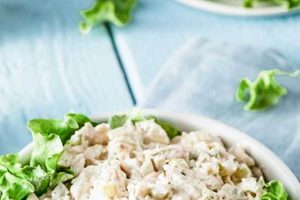
This dish, known by various names internationally (e.g., Olivier salad, Stolichny salad), typically combines diced cooked potatoes, carrots, pickles, peas, eggs, meat (often chicken or ham), and mayonnaise. Variations exist, with some including apples, onions, or other ingredients. A classic presentation involves cubing the components into small, uniform pieces, ensuring a balanced blend of flavors and textures in each bite.
A staple at celebratory meals and everyday tables across numerous cultures, this salad offers a versatile and satisfying culinary experience. Its historical roots lie in 19th-century Russia, where it evolved from a restaurant creation to a widespread culinary tradition. The dish’s enduring popularity stems from its relative affordability, ease of preparation, and adaptability to diverse tastes and dietary preferences. Its rich history and cultural significance contribute to its continued presence in modern cuisine.
The following sections will delve deeper into the preparation process, exploring various regional adaptations and offering tips for achieving optimal flavor and presentation. From ingredient selection to serving suggestions, this exploration will equip readers with the knowledge to create and enjoy this iconic dish.
Tips for Preparing a Superb Olivier Salad
Achieving optimal flavor and texture requires attention to detail throughout the preparation process. These tips offer guidance for creating a truly exceptional salad.
Tip 1: Uniformity of Ingredients: Dice all ingredients into consistently sized pieces. This ensures even distribution of flavors and contributes to a pleasing visual presentation.
Tip 2: Quality of Mayonnaise: The mayonnaise serves as the binding agent and significantly impacts the overall flavor profile. Opting for a high-quality mayonnaise is recommended.
Tip 3: Pickle Brine: Adding a small amount of pickle brine can enhance the salad’s savory notes and provide a subtle tang. Exercise caution to avoid excessive saltiness.
Tip 4: Chilling Time: Allow the salad to chill thoroughly before serving. Chilling allows the flavors to meld and enhances the overall experience.
Tip 5: Ingredient Freshness: Utilize fresh, high-quality ingredients whenever possible. This contributes significantly to the salad’s overall taste and texture.
Tip 6: Meat Selection: While traditional recipes often call for cooked chicken or ham, other meats, such as bologna or tongue, can also be incorporated. Consider personal preferences when selecting the meat component.
Tip 7: Garnish Considerations: Fresh herbs, such as dill or parsley, can be used as a garnish to enhance visual appeal and add a touch of freshness.
By adhering to these guidelines, one can elevate this classic dish from simple to exceptional. Careful ingredient selection, precise preparation, and adequate chilling time contribute significantly to the final result.
The following section will offer variations and adaptations of this versatile salad, demonstrating its adaptability to diverse culinary preferences.
1. Ingredient Quality

Ingredient quality significantly impacts the overall flavor, texture, and enjoyment of a Russian salad. Substandard ingredients can result in a bland, mushy, or otherwise unappetizing dish. Conversely, fresh, high-quality components elevate this simple salad to a culinary delight. Understanding the role of individual ingredient quality is crucial for achieving optimal results.
- Freshness of Vegetables:
Using crisp, recently harvested potatoes, carrots, and other vegetables ensures optimal texture and flavor. Wilted or aged produce can negatively impact the salad’s overall quality, leading to a less satisfying culinary experience. Fresh vegetables contribute a vibrant taste and desirable firmness.
- Type of Meat:
The chosen meat contributes significantly to the salad’s protein content and flavor profile. While cooked chicken or ham are common choices, other options, such as lean beef or firm fish, can be incorporated. The quality of the meat directly affects the overall taste and nutritional value. Premium cuts offer a richer flavor and contribute to a more satisfying meal.
- Mayonnaise Selection:
Mayonnaise acts as the binding agent and contributes significantly to the salad’s overall flavor and creaminess. Selecting a high-quality mayonnaise, ideally one made with natural ingredients, enhances the taste and texture. Avoid using low-quality or overly processed mayonnaise, as this can negatively impact the final product. The right mayonnaise complements the other ingredients without overpowering them.
- Pickles and Brine:
Pickles provide a tangy, acidic counterpoint to the richness of the mayonnaise and other ingredients. Using crisp, flavorful pickles, along with a touch of their brine, enhances the salad’s complexity. The quality of the pickles affects the overall balance of flavors. Well-fermented pickles contribute a depth of flavor that enhances the other components.
The interplay of these ingredient qualities defines the final character of the Russian salad. Prioritizing fresh, high-quality components elevates the dish from a simple combination of ingredients to a flavorful, texturally satisfying culinary experience. Attention to ingredient quality ensures a consistently delicious and enjoyable outcome.
2. Precise Dicing

Precise dicing plays a crucial role in the final quality of a Russian salad. Uniformly sized ingredients ensure even distribution of flavors, contribute to a pleasing visual presentation, and create a harmonious textural experience. Beyond mere aesthetics, precise dicing affects the salad’s overall palatability and enjoyment. The following facets explore the significance of this often-overlooked aspect of preparation.
- Uniformity of Texture:
Consistent dicing ensures that each bite contains a balanced mix of ingredients. This uniformity creates a harmonious texture and prevents the dominance of any single component. An unevenly diced salad can result in a disjointed eating experience, with some bites overly dominated by potatoes, others by pickles, etc. Precise dicing mitigates this issue, creating a consistently enjoyable textural profile.
- Flavor Distribution:
Small, evenly diced ingredients ensure that the flavors meld together effectively. The mayonnaise coats each piece uniformly, distributing the creamy, savory element throughout the salad. Larger, unevenly cut ingredients can result in pockets of uncoated components, leading to an unbalanced flavor profile. Precise dicing maximizes the interaction between ingredients, creating a cohesive flavor experience.
- Visual Appeal:
A precisely diced Russian salad presents a visually appealing mosaic of colors and textures. The uniformity of the ingredients contributes to a sense of order and craftsmanship. This visual appeal enhances the dining experience, making the salad more appetizing and enjoyable. Conversely, a haphazardly chopped salad can appear less appealing, potentially diminishing the overall culinary experience.
- Ease of Consumption:
Uniformly sized pieces make the salad easier to eat. Each bite is manageable and contains a balanced mix of ingredients. This ease of consumption contributes to a more enjoyable dining experience, particularly in formal settings. Overly large or unevenly cut pieces can make the salad difficult to handle and consume gracefully.
Precise dicing, while seemingly a minor detail, significantly impacts the overall quality and enjoyment of a Russian salad. From texture and flavor distribution to visual appeal and ease of consumption, this technique elevates the dish from a simple mixture to a carefully constructed culinary creation. Mastering this fundamental skill contributes significantly to a superior Russian salad experience.
3. Mayonnaise Selection

Mayonnaise functions as the unifying element in a Russian salad, binding the diverse ingredients and significantly influencing the final flavor profile. Its quality and character directly impact the overall sensory experience. Selecting an appropriate mayonnaise is therefore crucial for achieving a balanced and harmonious result. A high-quality mayonnaise, preferably one made with natural ingredients and a balanced flavor profile, elevates the salad, enhancing the subtle nuances of the other components. Conversely, a low-quality, overly acidic or sweet mayonnaise can overwhelm the delicate flavors of the vegetables and meat, resulting in a less satisfying dish. For instance, a mayonnaise crafted with extra virgin olive oil lends a subtle fruitiness, while one with a higher proportion of egg yolks provides a richer, creamier texture. These subtle differences can significantly impact the overall culinary experience.
The interplay between mayonnaise and the other ingredients creates a complex flavor dynamic. The mayonnaise should complement, not overpower, the vegetables, meat, and pickles. A mayonnaise with a neutral flavor profile allows the individual ingredients to shine, while one with a pronounced tang or sweetness can mask their subtle characteristics. Consider the specific ingredients when selecting a mayonnaise. For example, a bolder, more assertive mayonnaise might pair well with milder vegetables, while a more delicate mayonnaise might be preferred with strongly flavored ingredients like pickled herring. Understanding this interplay enables informed decisions, leading to a more balanced and flavorful salad.
Successful mayonnaise selection requires careful consideration of both the mayonnaise itself and its interaction with the other ingredients. It is not merely a binding agent but a crucial flavor component that significantly influences the overall culinary experience. Prioritizing quality and considering the interplay of flavors ensures a harmonious and delicious result, elevating the Russian salad from a simple combination of ingredients to a well-balanced and nuanced dish. A judicious choice of mayonnaise can make the difference between a mediocre salad and a truly exceptional one.
4. Seasoning Balance
Seasoning balance is paramount in a successful Russian salad recipe. It directly impacts the final flavor profile, influencing whether the dish is perceived as bland, overly salty, excessively acidic, or harmoniously balanced. This balance hinges on the interplay of salt, pepper, acidity from pickles and brine, and the inherent flavors of the ingredients themselves. For instance, insufficient salt can render the salad dull, failing to accentuate the flavors of the vegetables and meat. Conversely, excessive salt can overpower the other components, creating an unpleasant, salty experience. A well-seasoned Russian salad features a delicate balance where each element contributes to the overall flavor profile without dominating the others. The salt enhances the inherent flavors, the pepper adds a subtle warmth, and the acidity from the pickles provides a refreshing counterpoint to the richness of the mayonnaise and meat.
Achieving this balance requires careful attention during preparation. Start by using moderately salted pickles and adding their brine judiciously, tasting as you go. Remember that mayonnaise often contains salt, so factor this into the overall seasoning strategy. Freshly ground black pepper adds complexity and depth without excessive heat. Some recipes incorporate a touch of mustard for added tang, further enhancing the balance of flavors. Adjusting seasoning incrementally and tasting frequently are crucial steps in achieving the desired balance. The final seasoning should enhance, not mask, the flavors of the individual ingredients, allowing their unique characteristics to shine through while contributing to a cohesive and flavorful whole. A practical approach involves seasoning in stages, allowing the flavors to meld and reassessing the balance before serving.
Seasoning balance distinguishes a truly exceptional Russian salad from a mediocre one. This often-overlooked aspect of preparation elevates the dish by creating a harmonious flavor profile where each ingredient contributes to the overall culinary experience. The interplay of salt, pepper, acidity, and inherent flavors creates a symphony of taste that delights the palate. Mastering this critical element ensures a consistently delicious and satisfying result, demonstrating a deep understanding of the principles that underpin culinary excellence. Failing to address seasoning balance adequately can undermine the quality of the salad, regardless of the quality of the individual ingredients.
5. Chilling Duration
Chilling duration significantly influences the final quality of a Russian salad. This period allows the flavors of the diverse ingredientspotatoes, carrots, pickles, meat, and mayonnaiseto meld and mature, creating a more cohesive and complex flavor profile. Chilling also firms the diced components, enhancing the salad’s texture. Insufficient chilling results in a blander, less integrated flavor profile and a less satisfying textural experience. The temperature reduction solidifies the mayonnaise, binding the ingredients more effectively and contributing to the desired consistency. A chilled salad presents a more refreshing and enjoyable culinary experience, particularly in warmer climates. For instance, a salad chilled for only a short period might retain distinct, separate flavors from each ingredient, whereas a salad chilled for several hours exhibits a harmonious blend of flavors, with each component contributing to a unified whole. The practical significance lies in the enhanced flavor and texture achieved through adequate chilling.
The optimal chilling duration depends on several factors, including the specific ingredients, the ambient temperature, and individual preferences. Generally, a chilling period of at least two hours is recommended to allow sufficient flavor development and textural enhancement. Longer chilling, up to overnight, can further intensify the flavors, particularly if incorporating ingredients like pickled herring or salted meats. However, excessive chilling can negatively impact certain ingredients. Potatoes, for instance, may become overly firm and lose some of their delicate flavor if chilled for too long. Practical applications involve refrigerating the salad in a covered container to prevent moisture loss and absorption of odors from other foods. Strategic timing allows for optimal flavor development without compromising the integrity of individual ingredients. For example, preparing the salad the day before an event allows ample chilling time without risking over-chilling.
Chilling duration represents a crucial, often overlooked element in achieving a high-quality Russian salad. It facilitates flavor integration, enhances texture, and contributes to a more refreshing culinary experience. Understanding the relationship between chilling duration and the final product enables informed decisions regarding preparation and serving, ultimately maximizing enjoyment of this classic dish. The practical application of this understanding allows one to tailor the chilling time to specific circumstances, achieving the desired balance of flavor, texture, and temperature for any occasion. Overlooking this detail can compromise the salad’s potential, while mastering it elevates the dish to a new level of culinary excellence.
6. Presentation Style

Presentation style significantly impacts the perceived quality and enjoyment of a Russian salad. While flavor and texture remain paramount, visual appeal enhances the dining experience, transforming a simple dish into a culinary statement. From rustic family meals to elegant catered events, presentation style adapts to the occasion, reflecting culinary creativity and attention to detail. Understanding the interplay between presentation and perception allows for a more nuanced and informed approach to serving this versatile salad.
- Formal Presentation:
Formal settings often call for a more refined presentation. This might involve using a mold to shape the salad into a precise form, garnishing with meticulously arranged herbs or edible flowers, and serving individual portions on separate plates. This approach emphasizes precision, elegance, and attention to detail, creating a sense of occasion and enhancing the perceived value of the dish. For example, a timbale mold can create a cylindrical presentation, while a decorative serving spoon adds a touch of sophistication.
- Casual Presentation:
In casual settings, a more relaxed approach is appropriate. Serving the salad in a large bowl, family-style, encourages communal sharing and creates a sense of informality and warmth. Garnishes can be simpler, perhaps a sprinkle of fresh dill or a scattering of chopped chives. This style prioritizes ease and accessibility, fostering a relaxed and convivial atmosphere. A rustic wooden bowl or a colorful ceramic serving dish complements this casual style.
- Individual Portions:
Presenting individual portions offers a degree of control and allows for customized garnishing. Small bowls, ramekins, or even scooped-out avocado halves can serve as individual serving vessels. This approach is particularly suitable for buffets or catered events where individual preferences and portion control are paramount. It also allows for creative plating, enhancing the visual appeal and perceived value of each serving.
- Layered Presentation:
Layering the ingredients, rather than fully mixing them, creates a visually striking presentation that showcases the individual components. This approach requires a clear glass bowl or serving dish to highlight the layers. It allows for creative arrangements and color contrasts, adding an element of artistry to the presentation. This technique also offers a degree of customization, as guests can mix the layers themselves, tailoring the flavor and texture to their preference.
Presentation style, while secondary to flavor and texture, significantly contributes to the overall enjoyment of a Russian salad. Adapting the presentation to the context and occasion enhances the dining experience, transforming a simple dish into a culinary statement. From elegant formal displays to relaxed family-style servings, the presentation reflects the tone and purpose of the meal, adding a layer of sophistication and enhancing the perceived value of this versatile and classic salad. Thoughtful presentation elevates the Russian salad, demonstrating attention to detail and culinary creativity, thereby enriching the entire dining experience.
7. Regional Variations

Regional variations significantly enrich the culinary landscape of the “Olivier salad,” demonstrating its adaptability and enduring appeal across diverse cultures. These variations often reflect local ingredients, culinary traditions, and historical influences, resulting in a spectrum of interpretations that extend far beyond the original 19th-century Russian recipe. Examining these variations provides insights into the dynamic interplay between food and culture, illustrating how a single dish can evolve and adapt across geographical boundaries. For example, in some Balkan countries, the addition of roasted red peppers and feta cheese reflects Mediterranean influences, while in certain parts of Latin America, the inclusion of tropical fruits like mango or pineapple adds a distinctly local flavor profile. These adaptations not only showcase regional culinary preferences but also highlight the inherent versatility of the basic recipe.
The core componentsdiced cooked vegetables, meat or fish, and a creamy dressingremain consistent across most variations. However, the specific ingredients and their proportions often differ, reflecting local tastes and ingredient availability. The type of meat or fish can vary widely, from traditional boiled chicken or ham to smoked salmon, pickled herring, or even vegetarian alternatives like tofu or chickpeas. Variations in the vegetables might include the addition of ingredients like corn, apples, or hard-boiled eggs. The dressing, while typically mayonnaise-based, may incorporate sour cream, yogurt, or other local condiments. These regional adaptations showcase the dynamic evolution of the dish, illustrating how a single recipe can serve as a canvas for culinary creativity and cultural expression. For instance, the use of sour cream in some Eastern European variations reflects a preference for tangier flavors, while the incorporation of yogurt in some Middle Eastern interpretations aligns with dietary customs and locally available ingredients.
Understanding these regional variations offers a broader appreciation for the global culinary significance of this seemingly simple salad. It demonstrates the power of food to transcend cultural boundaries, adapting and evolving while retaining core elements that ensure its enduring appeal. By exploring these variations, one gains not only culinary insights but also a deeper understanding of the cultural contexts that shape food traditions worldwide. The dish serves as a microcosm of culinary globalization, reflecting the exchange of ingredients and culinary practices across borders. Further exploration of these variations can provide valuable insights into regional culinary histories and the evolving relationship between food, culture, and identity.
Frequently Asked Questions
This section addresses common inquiries regarding the preparation and variations of this classic salad, providing clear and concise information to ensure culinary success.
Question 1: What is the ideal potato variety for this salad?
Waxy potatoes, such as Yukon Gold or red potatoes, hold their shape well after cooking and provide a desirable texture. Starchy potatoes tend to crumble, resulting in a less appealing consistency.
Question 2: Can this salad be prepared in advance?
Preparation in advance is possible, and often beneficial, as chilling allows the flavors to meld. However, adding the mayonnaise too early can lead to a less desirable texture. It is generally recommended to combine the mayonnaise with the other ingredients shortly before serving.
Question 3: What are suitable meat substitutes for vegetarian versions?
Chickpeas, firm tofu, or cooked lentils offer suitable protein alternatives in vegetarian versions. These options provide textural and nutritional value while aligning with dietary preferences. Roasted and diced vegetables, such as bell peppers or zucchini, can also add depth and complexity to vegetarian variations.
Question 4: How can excessive saltiness be mitigated if too much pickle brine is added?
Adding more diced potatoes or other unsalted vegetables can help balance excessive saltiness. Alternatively, a small amount of plain yogurt or sour cream can temper the saltiness and add a creamy element.
Question 5: What are some suitable garnishes beyond fresh herbs?
Hard-boiled egg slices, capers, chopped pickles, or a sprinkle of paprika offer visually appealing and flavorful garnishes. These options complement the existing ingredients while adding textural and visual interest.
Question 6: How does one prevent the salad from becoming watery?
Ensuring that all vegetables are thoroughly drained after cooking helps prevent excess moisture. Additionally, salting the diced vegetables lightly and allowing them to rest before combining them with the other ingredients can draw out excess water.
Addressing these common inquiries provides a foundation for successful preparation and enjoyment. Understanding the nuances of ingredient selection, preparation techniques, and potential challenges empowers individuals to create a truly exceptional culinary experience.
The next section will offer a collection of curated recipes, showcasing the diversity and adaptability of this iconic salad.
Conclusion
This exploration has provided a comprehensive overview of the multifaceted aspects of crafting and appreciating this culinary classic. From ingredient selection and precise dicing techniques to mayonnaise choices and regional adaptations, each element contributes to the final product’s overall quality and cultural significance. The balance of flavors, textures, and presentation styles underscores the dish’s versatility and adaptability to diverse culinary preferences and social contexts. Understanding the historical evolution and regional interpretations further enriches the appreciation of this dish, highlighting its enduring presence in global cuisine.
The preparation of this salad, seemingly simple, offers a canvas for culinary expression and cultural exploration. Its continued presence across diverse culinary landscapes speaks to its adaptability and enduring appeal. Further exploration of regional variations and personal interpretations promises a deeper understanding of this dish’s cultural significance and its potential for continued evolution within the global culinary tapestry. This enduring salad invites culinary enthusiasts to engage with its rich history and contribute to its ongoing narrative.