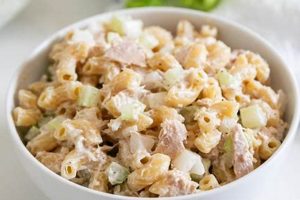
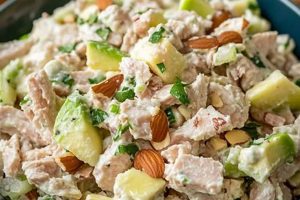
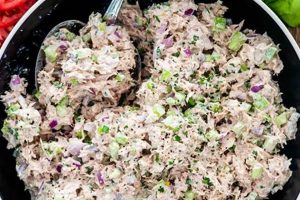
A guide to preparing a chilled dish featuring pasta, tuna, and typically mayonnaise, often incorporating vegetables like celery and onion. Variations exist using different pasta shapes, tuna types, and additional ingredients such as hard-boiled eggs or olives.
This type of dish offers a convenient and adaptable meal, suitable for picnics, quick lunches, or light dinners. Its popularity stems from its ease of preparation, relatively low cost, and nutritional value derived from protein-rich tuna and often vitamin-packed vegetables. Historically, the combination of readily available canned tuna and pasta likely contributed to its rise as a common dish, particularly in mid-20th century kitchens seeking efficient meal solutions.
Discussions about this dish often cover ingredient selection, preparation techniques, variations and adaptations for different dietary needs, and tips for achieving optimal flavor and texture.
Tips for a Superior Cold Tuna Noodle Salad
Achieving a flavorful and satisfying cold tuna noodle salad requires attention to detail and thoughtful ingredient selection. These tips offer guidance for optimizing preparation techniques and flavor profiles.
Tip 1: Pasta Choice Matters: Opt for small to medium-sized pasta shapes that hold the dressing well, such as rotini, shells, or farfalle. Avoid long, thin noodles like spaghetti, which can become cumbersome to eat in a salad.
Tip 2: Cook Pasta Al Dente: Slightly firm pasta provides a better textural contrast in the salad and prevents a mushy final product. Rinse cooked pasta under cold water to stop the cooking process and cool it quickly.
Tip 3: Tuna Selection: Use high-quality canned tuna packed in water or oil, depending on preference. Drain the tuna thoroughly to avoid excess liquid in the salad.
Tip 4: Enhance the Dressing: While mayonnaise is a classic base, consider adding Greek yogurt for tanginess and a lighter texture. Fresh lemon juice or vinegar can brighten the flavors.
Tip 5: Fresh Vegetables: Incorporate crisp vegetables for added texture and flavor. Celery and red onion are traditional choices, but consider diced bell peppers, cucumbers, or shredded carrots.
Tip 6: Seasoning is Key: Don’t neglect seasoning. Salt, pepper, and herbs like dill or parsley can elevate the overall flavor profile. A touch of Dijon mustard can add complexity.
Tip 7: Chill Thoroughly: Allow the salad to chill for at least 30 minutes before serving. This allows the flavors to meld and enhances the refreshing quality of the dish.
Tip 8: Garnish Thoughtfully: A simple garnish can elevate the presentation. Chopped fresh herbs, a sprinkle of paprika, or a few reserved vegetables can add visual appeal.
By following these tips, one can ensure a cold tuna noodle salad that is not only flavorful and satisfying but also visually appealing and texturally balanced.
These preparation guidelines contribute to a consistently enjoyable and satisfying culinary experience.
1. Ingredients
Ingredients form the foundation of any cold tuna noodle salad recipe, directly impacting the final dish’s flavor, texture, and nutritional value. Careful ingredient selection is crucial for achieving desired outcomes. The interplay between ingredients creates the overall sensory experience. For instance, the type of tuna usedalbacore versus skipjackinfluences the richness and flavor intensity. Similarly, fresh versus frozen vegetables can affect the salad’s crispness and overall freshness. The quality of mayonnaise chosen impacts the creaminess and overall flavor balance. Even seemingly minor ingredients, such as the type of onion or herbs used, contribute distinct flavor notes and aromas.
Consider the impact of ingredient variations. Substituting plain mayonnaise with a flavored version, such as lemon-dill or chipotle, immediately alters the salad’s flavor profile. Adding ingredients like hard-boiled eggs introduces a creamy, protein-rich element, while incorporating chopped olives offers a salty, briny counterpoint to the other flavors. The choice of pasta shape also plays a role: small shapes like shells hold dressing better, while larger shapes provide a different textural experience. Understanding these nuances empowers one to tailor the recipe to specific preferences and dietary needs. For example, substituting whole wheat pasta for traditional pasta increases fiber content, while using a low-fat mayonnaise reduces overall calorie and fat intake.
Ingredient selection ultimately defines the character of a cold tuna noodle salad. Analyzing the individual contribution of each component allows for informed choices that elevate the dish beyond a simple combination of ingredients. This understanding enables adaptation and customization, resulting in a tailored culinary experience. Challenges may arise from ingredient availability or dietary restrictions, but understanding the role of each ingredient provides the flexibility to make appropriate substitutions without compromising the overall quality and enjoyment of the dish. Ultimately, ingredient selection empowers control over the final product, ensuring a delicious and satisfying outcome.
2. Proportions
Proportions within a cold tuna noodle salad recipe dictate the balance between ingredients, influencing the overall taste, texture, and satisfaction derived from the dish. Correct proportions ensure that no single ingredient overwhelms the others, creating a harmonious blend of flavors and textures. Understanding the interplay of ingredient ratios allows for adjustments based on personal preference and desired outcomes. An imbalance can lead to a dish that is too dry, too wet, overly dominated by a single flavor, or lacking in textural complexity.
- Tuna-to-Pasta Ratio:
The ratio of tuna to pasta significantly impacts the heartiness and protein content of the salad. Too much pasta can result in a bland, filler-heavy dish, while too much tuna can make it overly rich and fishy. A balanced ratio ensures that each bite contains a pleasant mix of both. A typical guideline suggests using one can of tuna (5 ounces) for every 8 ounces of cooked pasta, but this can be adjusted based on individual preference. For instance, individuals seeking a higher protein intake might increase the tuna proportion.
- Dressing-to-Salad Ratio:
The amount of dressing directly influences the salad’s moisture level and flavor intensity. Too little dressing leads to a dry, unappealing salad, while excessive dressing can make it soggy and overpowering. The ideal amount coats the ingredients evenly, providing flavor and moisture without making the salad overly wet. The desired consistency of the dressing also plays a rolea thicker dressing will require a smaller quantity than a thinner one to achieve the same level of coating. Experimentation is key to finding the perfect balance for individual preferences.
- Vegetable-to-Other-Ingredient Ratio:
The proportion of vegetables contributes to the salad’s nutritional value, textural variety, and flavor complexity. A generous amount of vegetables adds crunch and freshness, balancing the richness of the tuna and the creaminess of the dressing. Different vegetables contribute unique textures and flavors; for example, celery provides a crisp, slightly bitter note, while bell peppers offer a sweeter, more substantial crunch. The ratio of vegetables should be adjusted based on the desired level of textural and flavor contrast.
- Seasoning and Flavor Enhancers:
Even seemingly minor ingredients like salt, pepper, herbs, and spices contribute significantly to the overall flavor profile. Correct proportions of these elements enhance the other ingredients without dominating the dish. Too much salt can make the salad unpleasantly salty, while insufficient seasoning can leave it bland. A balanced approach allows the natural flavors of the tuna, vegetables, and dressing to shine through while being complemented by the nuanced notes of herbs and spices. For example, a touch of Dijon mustard adds a subtle tanginess that balances the richness of the mayonnaise, while fresh dill provides a bright, herbaceous counterpoint.
Mastering the proportions within a cold tuna noodle salad recipe is essential for creating a dish that is both flavorful and satisfying. Careful consideration of these ratios ensures a harmonious balance of ingredients, resulting in a salad that is more than the sum of its parts. By understanding the impact of each ingredient’s proportion, individuals can tailor the recipe to suit specific tastes and dietary needs. This attention to detail elevates a simple tuna noodle salad from a basic dish to a well-balanced and enjoyable culinary experience.
3. Preparation Method

Preparation method significantly influences the final quality of a cold tuna noodle salad. Methodical approaches ensure consistent results and optimize flavor development, texture, and overall palatability. Specific techniques impact individual components and their integration within the finished dish. For example, the way pasta is cookedal dente versus overcookeddirectly affects the salad’s texture. Overcooked pasta becomes mushy and absorbs less dressing, leading to a less appealing and flavorful result. Similarly, the manner in which vegetables are prepared impacts their contribution to the salad. Finely diced vegetables integrate more seamlessly, while larger pieces offer more textural contrast. Thorough draining of canned tuna minimizes excess liquid, preventing a watery salad. Even the order of ingredient combination can play a role; adding the dressing last prevents the salad from becoming soggy. The chilling process allows flavors to meld and enhances the salad’s refreshing quality. A poorly executed preparation method, even with high-quality ingredients, can result in a subpar dish.
Consider the cause-and-effect relationship between specific techniques and the final product. Rinsing cooked pasta under cold water stops the cooking process and firms the noodles, leading to a more desirable texture in the salad. Properly whisking the dressing emulsifies the ingredients, creating a smooth, creamy consistency that coats the other components effectively. Gently folding the ingredients together prevents the tuna from breaking down and the vegetables from becoming bruised, maintaining their structural integrity and visual appeal. These seemingly minor details contribute significantly to the overall enjoyment of the salad. Conversely, neglecting these steps can lead to a less satisfying outcome. Failing to rinse the pasta can result in a sticky, clumpy salad. Improperly mixing the dressing can lead to separation and uneven flavor distribution. Rough handling of the ingredients can create a less visually appealing and texturally unappealing final product. Understanding these nuances empowers informed choices and allows for adjustments based on desired outcomes.
Preparation method acts as a crucial bridge between the recipe and the realized dish. Precise execution of techniques ensures that the intended flavors and textures are achieved, transforming a list of ingredients into a cohesive and enjoyable culinary experience. Challenges can arise from variations in equipment or individual skill levels, but understanding the underlying principles of each preparation step allows for adaptation and problem-solving. Ultimately, meticulous attention to the preparation method elevates the cold tuna noodle salad from a simple assembly of ingredients to a carefully crafted dish that maximizes flavor and textural enjoyment.
4. Flavor Balance
Flavor balance in a cold tuna noodle salad hinges on the interplay of key taste components: saltiness, sweetness, acidity, and richness. A well-balanced salad avoids dominance by any single flavor, creating a harmonious and palatable experience. This balance relies on careful consideration of ingredient proportions and the introduction of complementary flavors. The inherent saltiness of tuna, for instance, necessitates balancing elements. Acidity, often from vinegar or lemon juice, cuts through the richness of mayonnaise, preventing an overly heavy mouthfeel. A touch of sweetness, perhaps from finely diced sweet onion or a pinch of sugar, can further round out the flavor profile. Without this thoughtful interplay, the salad risks becoming one-dimensional, lacking depth and complexity. For example, a salad with too much mayonnaise will lack brightness and feel overly rich, while a salad lacking acidity might taste flat and overly salty due to the prominent tuna flavor.
Ingredient selection plays a critical role in achieving flavor balance. Different types of tuna possess varying levels of saltiness and richness. The choice of vegetables introduces additional flavor dimensions; celery contributes a slightly bitter, vegetal note, while bell peppers offer a sweeter, milder flavor. Herbs and spices further enhance complexity. Dill, for instance, complements the flavors of tuna and mayonnaise, while a touch of black pepper adds a subtle warmth and spice. The quality of the mayonnaise itself also contributes; some brands offer a tangier flavor profile than others, impacting the overall balance. Practical application of this understanding enables informed ingredient selection and adjustment. If using a particularly salty variety of tuna, one might increase the acidity or sweetness to compensate. Conversely, a milder tuna allows for greater flexibility with other flavor components. Understanding these nuances empowers customization and ensures a consistently enjoyable outcome.
Flavor balance elevates a cold tuna noodle salad from a simple combination of ingredients to a nuanced and satisfying dish. It transforms a potentially mundane meal into a culinary experience that engages the palate on multiple levels. Challenges arise from variations in individual palates and ingredient availability, but understanding the underlying principles of flavor balance allows for adaptation and creative problem-solving. Ultimately, this mastery of flavor dynamics distinguishes an exceptional cold tuna noodle salad from a mediocre one. It demonstrates an understanding of how individual components contribute to the whole, creating a dish that is both delicious and harmoniously balanced.
5. Serving Suggestions

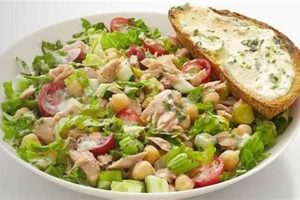
Serving suggestions enhance the enjoyment of cold tuna noodle salad by providing context, complementary pairings, and creative presentation ideas. Consideration of serving suggestions elevates the dish beyond a simple recipe, transforming it into a complete culinary experience. Appropriate accompaniments can balance flavors, enhance textures, and improve the overall presentation, influencing the perceived value and satisfaction derived from the meal. For example, serving the salad on a bed of crisp lettuce adds freshness and textural contrast, while pairing it with crunchy crackers or crusty bread provides a textural counterpoint to the creamy salad. Serving the salad in individual portions, such as in hollowed-out tomatoes or avocado halves, enhances visual appeal and adds another layer of flavor complexity.
Serving suggestions offer opportunities to address practical considerations and dietary needs. Portioning the salad into individual containers facilitates portability for lunches or picnics. Suggested pairings can address nutritional balance. For instance, serving the salad alongside a portion of grilled chicken or fish increases protein content, while adding a side of steamed green beans or a mixed green salad boosts vitamin and fiber intake. Serving suggestions might also include variations for different dietary restrictions. Offering gluten-free crackers or bread caters to those with gluten sensitivities. Suggesting a vinegar-based dressing instead of mayonnaise addresses low-fat dietary preferences. These considerations broaden the recipe’s appeal and adaptability, making it suitable for a wider range of individuals and occasions. Presenting the salad as part of a larger buffet spread provides options for guests to customize their meal, increasing the likelihood of satisfying diverse palates and preferences.
Thoughtful serving suggestions demonstrate an understanding of the dish beyond its basic preparation. They offer valuable insights for maximizing enjoyment and tailoring the experience to various contexts. While the core recipe provides the foundation, serving suggestions add depth and practicality, transforming a simple cold tuna noodle salad into a well-rounded and satisfying meal. Addressing potential challenges, such as dietary restrictions or presentation limitations, further enhances the value of these suggestions. Ultimately, incorporating serving suggestions within the recipe framework elevates it from a set of instructions to a comprehensive guide for a complete and enjoyable dining experience.
Frequently Asked Questions
This section addresses common inquiries regarding cold tuna noodle salad preparation and variations.
Question 1: What type of pasta is best suited for cold tuna noodle salad?
Small to medium-sized pasta shapes, such as rotini, shells, farfalle, or fusilli, are generally preferred. These shapes hold the dressing well and are easy to eat. Long, thin pasta like spaghetti is less suitable.
Question 2: Can frozen vegetables be used in this salad?
While fresh vegetables offer superior texture and flavor, frozen vegetables can be used in a pinch. Thaw and drain them thoroughly before incorporating them into the salad to prevent excess moisture.
Question 3: How long can cold tuna noodle salad be stored in the refrigerator?
Properly stored in an airtight container, the salad can be refrigerated for up to 3-4 days. However, the quality and texture may degrade over time.
Question 4: What are some healthy alternatives to traditional mayonnaise-based dressings?
Greek yogurt, plain or blended with herbs and spices, offers a lighter, tangier alternative to mayonnaise. A vinaigrette dressing, made with olive oil and vinegar, provides a lower-fat and less creamy option.
Question 5: Can canned tuna packed in oil be used?
Yes, canned tuna packed in oil can be used. However, it will impart a richer flavor and higher calorie content. Drain the oil thoroughly before adding the tuna to the salad.
Question 6: How can one prevent the salad from becoming watery?
Ensure all ingredients, particularly the tuna and any frozen vegetables, are thoroughly drained before mixing. Adding the dressing just before serving also helps prevent the salad from becoming excessively watery over time.
Careful attention to these frequently asked questions ensures optimal preparation techniques and addresses common concerns, contributing to a consistently successful and enjoyable cold tuna noodle salad experience.
Further exploration of recipe variations and customization options can enhance culinary creativity and cater to individual preferences.
Conclusion
Exploration of the cold tuna noodle salad recipe encompasses ingredient selection, proportional balance, methodical preparation, flavor dynamics, and optimal serving practices. Each component contributes significantly to the final product’s quality and enjoyment. Understanding the interplay of these elements allows for informed choices, enabling customization and adaptation to individual preferences and dietary needs. From pasta selection to dressing consistency, each detail influences the overall culinary experience.
Culinary success with this dish hinges on a comprehensive understanding of these interconnected factors. This knowledge empowers informed decision-making, transforming a simple recipe into a consistently satisfying and adaptable culinary creation. Continued exploration of variations and flavor profiles offers opportunities for culinary innovation within this classic dish’s framework.