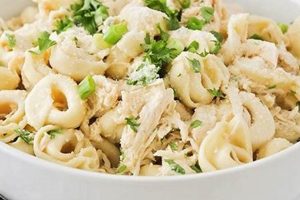
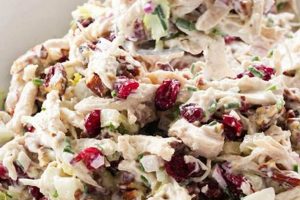
A culinary creation featuring a seasoned mixture of shredded or diced chicken, mayonnaise, and often celery, onion, and other flavoring agents, served heated between slices of bread with melted cheese. Variations may include grapes, nuts, dried cranberries, or apples. A classic example incorporates shredded cooked chicken breast, mayonnaise, finely chopped celery, and salt and pepper, grilled between slices of sourdough bread with cheddar cheese.
This comfort food offers a convenient and satisfying meal. Its adaptable nature allows for diverse flavor profiles catering to various palates. Historically, chicken salad emerged as a popular dish in the mid-19th century, evolving from simpler preparations of chopped chicken. The addition of melted cheese and bread to create a sandwich enhances its portability and elevates it to a complete meal. The dish’s enduring popularity speaks to its versatility and deliciousness, making it a staple in lunchboxes, picnics, and quick dinners alike.
The following sections will explore variations on this classic, including different chicken salad recipes, bread choices, cheese selections, and grilling techniques. Dietary considerations, such as gluten-free and low-fat options, will also be addressed.
Tips for a Superior Chicken Salad Melt
Optimizing the preparation process ensures a flavorful and satisfying culinary experience.
Tip 1: Chicken Selection & Preparation: Utilizing rotisserie chicken expedites the process while offering flavorful, pre-cooked meat. Alternatively, poaching or baking chicken breasts provides a leaner, more controlled option. Finely shredding or dicing the chicken creates a desirable texture.
Tip 2: Mayonnaise Matters: High-quality mayonnaise contributes significantly to flavor and creaminess. Experimenting with different brands or adding a touch of Dijon mustard or plain Greek yogurt can enhance the flavor profile.
Tip 3: Elevating the Flavor Profile: Fresh herbs like dill or chives, along with finely diced red onion or apple, provide complexity and brightness. Toasted nuts or dried cranberries offer textural contrast and complementary flavors.
Tip 4: Bread Selection: Sturdy bread like sourdough, whole wheat, or rye holds up well to grilling and complements the filling. Lightly toasting the bread before assembly prevents sogginess.
Tip 5: Cheese Choice: Cheddar, Gruyre, Swiss, or provolone melt beautifully and offer distinct flavor profiles. Consider using shredded or thinly sliced cheese for optimal melting.
Tip 6: Grilling Technique: Employing medium-low heat ensures even cooking and melting without burning the bread. A panini press or skillet works well. Grilling with a small amount of butter adds flavor and a crisp exterior.
Tip 7: Temperature Control: Ensuring the chicken salad is chilled before assembling the sandwich prevents excessive melting of the cheese before the bread is toasted. This maintains structural integrity and prevents a messy eating experience.
By attending to these details, one can elevate this simple dish to a truly gourmet experience.
From ingredient selection to grilling techniques, these tips provide a pathway to crafting a truly exceptional sandwich.
1. Chicken

Chicken serves as the foundational ingredient, defining the character of the dish. The quality and preparation of the chicken directly impact the overall flavor and texture of the sandwich. Employing pre-cooked rotisserie chicken offers convenience, while freshly cooked and shredded or diced chicken allows for greater control over seasoning and texture. The chicken’s moisture content is critical; overly dry chicken results in a less palatable sandwich. For example, using dry, overcooked chicken breast yields a crumbly, less cohesive filling, whereas moist, properly cooked chicken creates a smoother, more flavorful experience.
Different cuts of chicken influence the final product. Breast meat provides a leaner, milder flavor, while darker meat from thighs and legs offers richer flavor and greater moisture content. The cooking method also plays a significant role. Poaching or baking results in a healthier, cleaner flavor profile compared to frying. Furthermore, the size of the chicken pieces impacts texture; finely diced chicken creates a smoother filling, while larger chunks offer a more substantial bite. Consider a sandwich prepared with shredded rotisserie chicken versus one with coarsely chopped, pan-fried chicken thighs; the former offers convenience and a finer texture, while the latter presents a more robust, flavorful experience, albeit requiring more preparation.
Understanding the nuances of chicken selection and preparation is crucial for a successful chicken salad melt sandwich. Careful consideration of these factors ensures a flavorful, texturally satisfying, and enjoyable culinary outcome. Challenges may include sourcing high-quality, appropriately cooked chicken and achieving the desired texture through proper shredding or dicing techniques. This understanding informs not only the quality of the chicken salad itself, but also how it interacts with other components of the sandwich, such as the bread and cheese, ultimately influencing the overall dining experience.
2. Mayonnaise
Mayonnaise plays a crucial role in a chicken salad melt sandwich recipe, acting as a binding agent, flavor enhancer, and contributor to the overall texture and mouthfeel. Its quality and characteristics significantly influence the final product.
- Binding Agent:
Mayonnaise emulsifies the ingredients, holding the chicken, seasonings, and any additional components together. This creates a cohesive filling that remains intact within the sandwich. Without sufficient mayonnaise, the chicken salad can become dry and crumbly, making it difficult to handle and less enjoyable to eat. For example, a chicken salad with too little mayonnaise might fall apart during grilling, resulting in a messy and less satisfying sandwich.
- Flavor Enhancer:
Mayonnaise contributes a tangy, rich flavor that complements the chicken and other ingredients. The type of mayonnaise used can further influence the flavor profile. For instance, using a mayonnaise made with olive oil imparts a subtle fruitiness, while a mayonnaise with lemon juice adds brightness. A comparison of sandwiches made with different mayonnaises reveals noticeable variations in taste.
- Texture and Mouthfeel:
Mayonnaise adds creaminess and moisture to the chicken salad, creating a smooth, palatable texture. The amount of mayonnaise directly impacts the final consistency; too much can result in a overly rich and heavy filling, while too little leads to a dry, less enjoyable sandwich. Consider the textural difference between a chicken salad made with a generous amount of mayonnaise versus one with a minimal amount; the former will be smoother and creamier, while the latter may be drier and more textured.
- Interaction with Other Ingredients:
Mayonnaise interacts with the other ingredients in the chicken salad, influencing their flavor and texture. It can help to mellow strong flavors like onion or garlic, while enhancing the subtleties of herbs and spices. The fat content of mayonnaise also impacts how it interacts with the bread during grilling, potentially contributing to a crispier exterior. For instance, a chicken salad with a higher mayonnaise content may lead to a more browned and crispier sandwich crust during grilling.
The careful selection and application of mayonnaise are essential for achieving the desired balance of flavor, texture, and cohesion in a chicken salad melt sandwich. Its role extends beyond simply holding the ingredients together; it contributes significantly to the overall sensory experience, influencing how the other flavors and textures interact and ultimately shaping the enjoyment of the finished product.
3. Bread

Bread serves as the structural foundation of the chicken salad melt sandwich, playing a critical role in the overall culinary experience. Its characteristics significantly influence the sandwich’s texture, flavor profile, and ability to hold the filling. The choice of bread directly impacts the final product’s structural integrity, taste, and presentation.
Different bread types offer varying textures and flavors that complement the chicken salad filling. A sturdy, dense bread like sourdough or whole wheat provides a robust base that can withstand the weight and moisture of the filling without becoming soggy. Conversely, a lighter, airier bread like white bread or a croissant offers a delicate contrast to the creamy chicken salad, but may be more prone to collapsing under pressure or absorbing excess moisture. For example, a sourdough bread’s tangy flavor profile complements a classic chicken salad, while a buttery croissant adds richness to a chicken salad with grapes and nuts. Choosing the right bread involves considering the desired textural and flavor interplay between the bread and the filling.
The bread’s toasting or grilling process further influences the final outcome. Grilling creates a crisp, golden-brown exterior that contrasts with the soft interior and warm chicken salad. The Maillard reaction occurring during grilling adds a layer of flavor complexity, enhancing the overall sensory experience. A properly grilled bread also provides structural integrity, preventing the sandwich from falling apart while eating. Challenges include achieving even toasting without burning, and selecting a bread that can withstand the heat of the grilling process without becoming overly dry or brittle. Ultimately, the bread’s characteristics, combined with the grilling technique, significantly contribute to the chicken salad melt’s overall success, making it a crucial element to consider when crafting this classic sandwich.
4. Cheese

Cheese is an integral component of the chicken salad melt sandwich recipe, contributing significantly to its flavor profile, texture, and overall appeal. The choice of cheese influences the sandwich’s richness, creaminess, and how it interacts with the other ingredients during the melting process. Understanding the role of cheese in this culinary context is crucial for crafting a balanced and satisfying sandwich.
- Flavor Profile:
Different cheeses offer a wide spectrum of flavors, ranging from mild and buttery to sharp and pungent. These flavors interact with the chicken salad, bread, and other ingredients to create a complex and layered taste experience. For example, a sharp cheddar adds a robust, tangy note, while a creamy Havarti provides a milder, buttery flavor. The selection of cheese should complement the other ingredients and contribute to the desired overall flavor profile. A strong blue cheese might overpower a delicate chicken salad, whereas a mild Swiss cheese harmonizes with subtler flavors.
- Melting Properties:
The way cheese melts is critical in a melt sandwich. Some cheeses melt smoothly and evenly, creating a creamy, cohesive texture, while others become oily or separate when heated. Cheeses like Gruyre and mozzarella are known for their excellent melting properties, resulting in a smooth, stretchy texture, while some cheddar varieties may become grainy or oily when melted. The melting characteristics of the cheese influence the sandwich’s texture and how the flavors meld together during grilling.
- Textural Contrast:
The texture of the cheese contributes to the overall sensory experience of the sandwich. Hard cheeses provide a firm, slightly chewy texture, while softer cheeses offer a creamier, more yielding mouthfeel. The contrast between the textures of the cheese, bread, and chicken salad enhances the eating experience. For instance, a creamy Brie paired with a crusty baguette creates a textural interplay that complements the smooth chicken salad. The choice of cheese should consider the existing textures in the sandwich to achieve a balanced and satisfying result.
- Visual Appeal:
The appearance of melted cheese contributes to the overall visual appeal of the sandwich. The color and texture of the melted cheese enhance the presentation and create a more appetizing experience. A brightly colored cheddar adds visual interest, while a smoothly melted provolone creates a visually appealing blanket over the filling. The visual aspect of the cheese should be considered alongside its flavor and texture to create a truly satisfying and enjoyable sandwich.
The selection of cheese in a chicken salad melt sandwich recipe is a crucial decision that impacts the final product in various ways. By carefully considering the cheese’s flavor profile, melting properties, texture, and visual appeal, one can create a well-balanced and delicious sandwich that elevates this classic comfort food to a new level of culinary enjoyment. The interplay between these factors ultimately determines the overall success of the chicken salad melt, showcasing how a seemingly simple ingredient can significantly influence the final dish.
5. Seasoning
Seasoning is a crucial element in a chicken salad melt sandwich recipe, elevating the dish beyond simple ingredients to a flavorful and balanced culinary experience. Strategic use of seasonings enhances the inherent flavors of the chicken, mayonnaise, and other components, creating depth and complexity. The interplay of seasonings contributes significantly to the overall enjoyment of the sandwich.
- Balancing Flavors:
Seasoning is essential for balancing the richness of the mayonnaise and the inherent flavors of the chicken and other ingredients. Salt, a fundamental seasoning, enhances the savory notes and brings out the other flavors. Acids, such as lemon juice or vinegar, provide brightness and cut through the richness of the mayonnaise, creating a more balanced flavor profile. For example, a pinch of salt amplifies the sweetness of grapes in the chicken salad, while a dash of lemon juice balances the creaminess of the mayonnaise. Proper seasoning prevents the sandwich from tasting bland or overly rich.
- Creating Complexity:
Beyond basic salt and pepper, a variety of seasonings can add depth and complexity to the chicken salad. Herbs like dill, chives, or tarragon introduce fresh, aromatic notes, while spices like paprika or cayenne pepper offer warmth and subtle heat. The combination of seasonings creates a more nuanced and interesting flavor profile. For example, incorporating smoked paprika adds a smoky depth, while fresh dill provides a bright, herbaceous counterpoint. This layering of flavors elevates the sandwich beyond a simple combination of ingredients.
- Highlighting Specific Ingredients:
Seasoning can highlight specific ingredients within the chicken salad, enhancing their individual flavors and creating a more dynamic taste experience. For example, a touch of curry powder accentuates the sweetness of apples or raisins, while a pinch of cumin complements the savory notes of the chicken. By carefully selecting seasonings that pair well with specific ingredients, one can create a more harmonious and flavorful chicken salad.
- Enhancing Overall Palatability:
Proper seasoning enhances the overall palatability of the sandwich, making it more enjoyable to eat. A well-seasoned chicken salad is more flavorful and satisfying, encouraging consumption and appreciation. The interplay of seasonings stimulates the palate, creating a more engaging and memorable culinary experience. A bland, under-seasoned sandwich, on the other hand, can be uninspiring and less satisfying.
In the context of a chicken salad melt sandwich recipe, seasoning is not merely an afterthought but rather a crucial element that influences the final product’s overall success. The careful selection and application of seasonings transform a simple combination of ingredients into a well-balanced, flavorful, and ultimately more satisfying culinary creation. The interplay of seasonings contributes significantly to the sandwich’s complexity, highlighting individual ingredients and creating a more enjoyable dining experience.
6. Grilling
Grilling plays a transformative role in the chicken salad melt sandwich recipe, elevating it from a simple combination of ingredients to a warm, comforting, and texturally complex culinary experience. The application of heat through grilling fundamentally alters the sandwich’s characteristics, impacting its structural integrity, flavor profile, and overall appeal. This process initiates a series of reactions that enhance the sensory experience, creating a more satisfying and enjoyable meal.
The Maillard reaction, triggered by the heat of the grill, is central to this transformation. This chemical process browns the bread, creating a crisp, flavorful crust while simultaneously adding depth and complexity to the overall flavor profile. The warmth from the grill melts the cheese, binding the ingredients together and creating a creamy, cohesive texture that contrasts with the crisp bread. Simultaneously, the gentle heating of the chicken salad enhances the flavors of the seasonings and other components, creating a more pronounced and harmonious taste experience. For instance, grilling a chicken salad melt on sourdough bread results in a distinctly tangy and toasted flavor profile that complements the creamy filling, while grilling on rye bread yields a nuttier, earthier flavor. The choice of grilling method, whether using a panini press, skillet, or open-flame grill, further influences the final outcome, impacting the level of browning, crispness, and the development of distinct grill marks.
Understanding the impact of grilling on the chicken salad melt sandwich is crucial for achieving optimal results. Controlling the heat and grilling time ensures that the bread toasts evenly without burning, the cheese melts completely, and the chicken salad reaches the desired temperature without becoming overcooked. Challenges can include achieving uniform browning, preventing the filling from leaking out, and managing the melting point of different cheeses. Over-grilling can lead to a dry, burnt sandwich, while under-grilling may result in a soggy, unmelted cheese experience. Successfully navigating these challenges, however, yields a superior chicken salad melt, demonstrating how the grilling process elevates this classic sandwich to a truly satisfying culinary creation.
7. Assembly
Assembly represents the culmination of ingredient preparation and directly impacts the structural integrity, portability, and overall enjoyment of the chicken salad melt sandwich. A thoughtful assembly process ensures that the sandwich holds together during grilling and eating, maximizing flavor delivery and minimizing mess. This stage considers the interplay between the bread, filling, and cheese, affecting the final product’s aesthetic appeal and ease of consumption. The order and manner in which components are layered influence both the sandwich’s structural integrity and the distribution of flavors. For instance, placing cheese directly against the bread ensures optimal melting and adherence, creating a barrier against moisture from the chicken salad, thus preventing a soggy sandwich. Spreading the chicken salad evenly ensures consistent flavor in each bite and prevents structural imbalances that could lead to collapse during grilling. Similarly, the quantity of filling influences the sandwich’s overall height and stability; an overfilled sandwich risks spillage during grilling and consumption, while a sparsely filled one might lack the desired textural and flavor impact.
Practical applications of proper assembly techniques demonstrate tangible benefits. Consider a sandwich assembled with a layer of cheese between the bread and the chicken salad versus one without this cheese barrier. The former effectively contains the chicken salad and prevents the bread from becoming saturated, maintaining structural integrity and enhancing portability. Likewise, evenly distributing the chicken salad prevents one side of the sandwich from becoming overly thick, promoting even cooking and balanced flavor delivery. These seemingly minor details significantly influence the final product, demonstrating the critical role of assembly in creating a successful and enjoyable chicken salad melt. Improper assembly, such as uneven filling distribution or neglecting the cheese barrier, can lead to structural failure, leakage, and uneven cooking, negatively impacting both the aesthetic presentation and the eating experience.
In conclusion, the assembly process is a critical stage in the creation of a chicken salad melt sandwich. It represents the point where individual components converge to form a cohesive whole. A well-executed assembly process maximizes structural integrity, enhances flavor delivery, and improves portability, contributing significantly to the overall enjoyment of the sandwich. Challenges in assembly can include managing the temperature of ingredients to prevent premature melting or softening, and achieving an even distribution of the filling while maintaining structural stability. Mastering this stage, however, ensures a satisfying and aesthetically pleasing final product, showcasing the importance of attention to detail in even seemingly simple culinary endeavors. This understanding provides a framework for consistent and successful sandwich creation, highlighting the connection between methodical assembly and a superior culinary outcome.
Frequently Asked Questions
This section addresses common inquiries regarding the preparation and enjoyment of chicken salad melt sandwiches.
Question 1: What type of chicken is best suited for chicken salad melts?
Rotisserie chicken offers convenience, while freshly cooked chicken breasts provide greater control over seasoning and texture. Darker meat, such as chicken thighs, contributes richer flavor and moisture.
Question 2: Can low-fat mayonnaise be used?
While low-fat mayonnaise can be used, it may impact the overall flavor and creaminess of the chicken salad. Adjusting the seasoning or incorporating additional flavor-enhancing ingredients may be necessary to compensate.
Question 3: How can sogginess be prevented?
Lightly toasting the bread before assembly and using a cheese barrier between the bread and chicken salad helps prevent the bread from absorbing excess moisture. Selecting a sturdy bread, such as sourdough or whole wheat, also contributes to structural integrity.
Question 4: What are suitable cheese alternatives for those with dairy sensitivities?
Dairy-free cheese alternatives, such as those made from cashews or almonds, can be used. However, melting properties and flavor profiles may vary. Experimentation may be necessary to achieve desired results.
Question 5: Can the chicken salad be prepared in advance?
Chicken salad can be prepared up to two days in advance and stored in an airtight container in the refrigerator. This allows for convenient assembly when ready to prepare the melt.
Question 6: What are some variations on the classic chicken salad melt?
Incorporating ingredients like grapes, cranberries, apples, or nuts adds textural and flavor complexity. Experimenting with different cheeses, breads, and seasonings further expands the possibilities. Grilled variations, such as panini-pressed melts or open-faced melts, offer diverse culinary experiences.
Understanding these common points of inquiry facilitates successful preparation and enjoyment of this versatile and satisfying dish.
The following section offers a collection of curated recipes for chicken salad melt variations, catering to diverse palates and dietary preferences.
Chicken Salad Melt Sandwich Recipe
Exploration of the chicken salad melt sandwich recipe reveals a dish offering significant culinary versatility. From the foundational elements of chicken and mayonnaise to the nuanced additions of seasonings and the transformative process of grilling, each component contributes to the final product’s overall success. Careful consideration of bread selection, cheese pairings, and assembly techniques further enhances the sensory experience, demonstrating the interplay between seemingly simple ingredients and thoughtful preparation. Understanding these elements allows for adaptation and customization, catering to individual preferences and dietary needs. The adaptability of this recipe speaks to its enduring popularity and potential for continued culinary exploration.
The chicken salad melt sandwich recipe represents more than a simple set of instructions; it embodies a culinary tradition adaptable to evolving tastes and culinary innovations. Continued exploration of ingredient combinations, grilling techniques, and flavor profiles promises further evolution of this classic dish, ensuring its enduring presence in culinary landscapes for generations to come. This timeless recipe provides a foundation for both culinary comfort and creative expression, inviting continued experimentation and enjoyment.