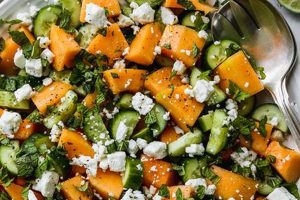
Outdoor dining experiences often call for dishes that are both delicious and travel-friendly. Salads designed for picnics prioritize fresh, robust ingredients that can hold up well in transport and varying temperatures, often incorporating sturdy greens, grains, legumes, and proteins. Examples include pasta salads with vibrant vegetables, hearty bean salads with flavorful dressings, and layered salads with preserved elements.
Portable and refreshing, these types of dishes offer a balance of nutrients and flavors, making them ideal for warm-weather gatherings. Historically, picnics represented a break from routine, a chance to enjoy nature and simple pleasures. The inclusion of flavorful, easily transportable salads played a significant role, enhancing the enjoyment of these excursions. They continue to be a staple today, offering convenience without compromising taste or nutritional value.
This article will explore various aspects of composing successful picnic salads, covering ingredient selection, preparation techniques, transportation tips, and creative variations to inspire culinary adventures in the open air.
Tips for Picnic-Perfect Salads
Creating a successful picnic salad requires consideration of several factors, from ingredient selection and preparation to transportation and serving. The following tips offer guidance for ensuring a delicious and hassle-free outdoor dining experience.
Tip 1: Choose Durable Ingredients: Opt for sturdy greens like kale or romaine that can withstand transport. Heartier vegetables such as bell peppers, carrots, and cucumbers also hold up well. Avoid delicate greens like spinach or butter lettuce, which wilt easily.
Tip 2: Pack Dressings Separately: To prevent soggy salads, transport dressings in separate containers and toss them just before serving. Consider using thicker dressings that cling to ingredients without making them overly wet.
Tip 3: Embrace Grains and Legumes: Incorporating grains like quinoa or farro, and legumes such as chickpeas or lentils, adds heartiness and protein, making salads more satisfying and less likely to wilt.
Tip 4: Layer Strategically: For layered salads, place heavier ingredients at the bottom and lighter, more delicate items on top. This prevents crushing and maintains a pleasing presentation.
Tip 5: Consider Preserved Ingredients: Sun-dried tomatoes, marinated artichoke hearts, or pickled vegetables add flavor complexity and maintain their texture during transport.
Tip 6: Pre-Chop Ingredients: Save time and effort at the picnic site by pre-chopping all vegetables and other ingredients. Store them in airtight containers for optimal freshness.
Tip 7: Chill Thoroughly: Ensure all ingredients and dressings are well-chilled before packing. Use insulated containers and ice packs to maintain a safe temperature during transport.
Tip 8: Choose the Right Container: Select airtight, leak-proof containers that are appropriate for the size and type of salad. Consider individual serving containers for easy distribution.
By following these tips, one can create picnic salads that are not only delicious but also practical and easy to manage, ensuring a delightful outdoor dining experience.
In conclusion, a carefully planned picnic salad elevates the enjoyment of any outdoor gathering. Attention to detail in ingredient selection, preparation, and transport ensures a fresh, flavorful, and stress-free meal.
1. Fresh, Seasonal Ingredients

The foundation of any exceptional picnic salad lies in the quality of its ingredients. Utilizing fresh, seasonal produce elevates both the flavor profile and the nutritional value of the dish. Seasonality ensures optimal ripeness and flavor, contributing significantly to a more enjoyable outdoor dining experience.
- Enhanced Flavor Profiles
Seasonal produce, harvested at its peak ripeness, offers the most vibrant and intense flavors. A summer salad featuring ripe tomatoes and sweet corn will far surpass the taste of one made with out-of-season counterparts. This natural sweetness and depth of flavor minimizes the need for excessive dressings or seasonings, allowing the freshness of the ingredients to shine.
- Nutritional Value
Fruits and vegetables at their peak ripeness generally boast higher concentrations of vitamins and antioxidants. Incorporating these nutrient-rich ingredients into picnic salads contributes to a healthier meal, supporting overall well-being while enjoying an outdoor feast.
- Variety and Creativity
The changing seasons offer a continuous rotation of fresh produce, inspiring creativity and variety in picnic salad recipes. Spring salads might feature asparagus and tender greens, while summer calls for juicy berries and ripe melons. This natural variation ensures that picnic menus remain interesting and exciting throughout the year.
- Support for Local Agriculture
Choosing seasonal ingredients often means sourcing produce from local farmers markets or growers. This supports local economies and reduces the environmental impact associated with long-distance transportation. The connection to local agriculture adds another layer of appreciation to the picnic experience.
By prioritizing fresh, seasonal ingredients, picnic salads become more than just a convenient meal; they transform into a celebration of flavor, nutrition, and the bounty of nature. This focus on quality ingredients ensures a memorable and satisfying dining experience in the open air.
2. Durable, sturdy components

Ingredient selection significantly impacts the success of a picnic salad. Durable, sturdy components maintain texture and freshness during transport and serving, crucial for an enjoyable outdoor dining experience. Delicate leafy greens, for example, wilt easily under pressure and warm temperatures, resulting in an unappetizing, soggy salad. Robust greens like kale, romaine, or radicchio, however, withstand transport and maintain their crispness, contributing to a more satisfying picnic meal. Similarly, choosing firm vegetables such as bell peppers, carrots, cucumbers, and cherry tomatoes ensures they retain their shape and texture, preventing a mushy salad upon arrival at the picnic site.
The concept of durability extends beyond produce selection to encompass other salad components. Grains like quinoa, farro, or orzo offer a hearty base that holds up well in transport and adds a satisfying textural element. Legumes, such as chickpeas, black beans, or cannellini beans, contribute protein and fiber while maintaining their shape and texture, further enhancing the salad’s resilience. Choosing robust ingredients allows for pre-assembly and transport without compromising the salad’s quality, a key advantage for picnic preparation.
Sturdy components contribute not only to the structural integrity of the salad but also to food safety. Ingredients less prone to wilting or breaking down are less susceptible to bacterial growth, particularly crucial in outdoor settings where temperature control can be challenging. By selecting durable components, one minimizes food safety risks and ensures a pleasant and healthy picnic experience. In summary, prioritizing sturdy ingredients is essential for creating a successful picnic saladone that travels well, maintains its appealing presentation, and contributes to a safe and enjoyable outdoor meal.
3. Flavorful, balanced dressings

Flavorful, balanced dressings are essential for elevating picnic salads from simple to exceptional. Dressings provide a unifying element, binding individual ingredients into a cohesive and delicious whole. However, the context of a picnic requires careful consideration of dressing selection and application. A heavy, creamy dressing, while delicious in other settings, can make a picnic salad soggy and unappealing during transport. Vinaigrettes, on the other hand, offer a lighter, brighter alternative, enhancing flavors without weighing down the salad. The balance of acidity, sweetness, and savory notes in a vinaigrette is crucial. A dressing too acidic can overpower delicate flavors, while one too sweet can become cloying. A well-balanced vinaigrette complements the flavors of the salad ingredients, creating a harmonious and refreshing taste experience. For example, a lemon-herb vinaigrette pairs well with Mediterranean-inspired salads, while a balsamic vinaigrette complements roasted vegetables and cheeses.
Practical application of dressings is equally important for picnic salads. Transporting dressing separately and tossing it with the salad just before serving prevents the salad from becoming soggy during travel. This also allows individuals to customize the amount of dressing, catering to different preferences. Furthermore, the choice of dressing can contribute to the overall durability of the salad. Lighter dressings are less likely to wilt delicate greens, ensuring the salad maintains its appeal even after transport. Consider using thicker dressings that cling to ingredients without making them overly wet, such as a tahini-based dressing for a Middle Eastern inspired salad or a pesto-based dressing for a pasta salad. Emulsified dressings also hold up well and coat ingredients evenly.
The interplay of flavor and practicality underscores the importance of dressing selection for picnic salads. A well-chosen and properly applied dressing enhances the overall dining experience, transforming a collection of ingredients into a cohesive, flavorful, and enjoyable meal. The right dressing can elevate a simple salad to a picnic centerpiece, contributing significantly to a memorable outdoor dining experience. Therefore, careful consideration of dressing type, flavor profile, and application is crucial for crafting a truly great picnic salad.
4. Easy transport and serving
Transport and serving considerations are integral to the success of a picnic salad. A great picnic salad isn’t just delicious; it’s also designed for effortless portability and convenient serving in an outdoor setting. Ease of transport influences ingredient choices, preparation methods, and packaging strategies. Similarly, serving convenience dictates how the salad is assembled and presented, contributing significantly to the overall enjoyment of the picnic experience.
- Container Selection
Appropriate containers are paramount. Durable, leak-proof containers prevent spills and maintain the salad’s integrity during transport. Individual serving containers further simplify distribution and minimize handling at the picnic site, promoting hygiene and convenience. Choosing the correct container size ensures efficient packing and prevents excess space or overcrowding, which can damage delicate ingredients. Consider using containers that can also serve as serving bowls to minimize cleanup.
- Ingredient Preparation
Pre-chopped ingredients streamline the picnic experience. Chopping vegetables, fruits, and other components beforehand eliminates the need for knives and cutting boards at the picnic site, reducing preparation time and simplifying cleanup. Storing prepped ingredients in separate containers facilitates quick assembly and allows for customized salads at the picnic, catering to individual preferences.
- Dressing Strategy
Packing dressings separately is crucial. This prevents the salad from becoming soggy during transport and allows individuals to control the amount of dressing added. Small, individual dressing containers offer further convenience and minimize waste. Selecting a dressing that complements the salad’s ingredients and holds up well in transport without separating is also essential for a positive picnic experience.
- Serving Utensils and Accessories
Providing appropriate serving utensils simplifies the serving process and minimizes mess. Durable, reusable utensils are environmentally friendly and practical. Including napkins, small plates, or bowls further enhances the dining experience, promoting comfort and ease of enjoyment. Pre-portioning salads into individual containers or providing serving spoons for communal bowls further simplifies the process.
Ultimately, the ease of transport and serving directly influences the overall enjoyment of a picnic salad. A well-planned approach to these logistical aspects ensures that the focus remains on the delicious food and the shared experience of outdoor dining. By prioritizing these elements, individuals can create picnic salads that are not only flavorful but also convenient and enjoyable, contributing to a truly memorable outdoor meal.
5. Make-ahead convenience

Make-ahead convenience represents a cornerstone of successful picnic planning. The ability to prepare salads in advance significantly reduces on-site preparation time, allowing more time for enjoyment and relaxation. This aspect is crucial for creating stress-free outdoor dining experiences, transforming picnics into truly leisurely occasions. The following facets explore the significance of make-ahead convenience in the context of great picnic salad recipes.
- Reduced On-Site Preparation
Pre-preparing salads eliminates the need for extensive chopping, mixing, and assembling at the picnic location. This simplifies logistics, reduces the equipment required, and minimizes cleanup. Tasks such as washing and chopping vegetables, cooking grains, and preparing dressings can be completed beforehand, leaving only final assembly or tossing at the picnic site. This efficiency streamlines the entire process, making outdoor dining more enjoyable and less labor-intensive.
- Enhanced Food Safety
Making salads ahead of time allows for proper chilling and storage, minimizing the risk of bacterial growth, particularly crucial in warm outdoor environments. Ingredients prone to spoilage benefit from controlled refrigeration prior to the picnic. Thorough chilling also enhances flavors and textures, ensuring a more satisfying culinary experience. Pre-portioning into individual servings further reduces handling and cross-contamination at the picnic site.
- Improved Flavor Development
Certain salads, particularly those with grains, legumes, or marinated components, benefit from make-ahead preparation as it allows flavors to meld and deepen over time. The marinating process enhances ingredient absorption and complexity. This pre-infusion of flavors results in a more nuanced and satisfying salad, surpassing the taste of one assembled hastily on-site. This flavor development is a key advantage of make-ahead salads, transforming simple ingredients into a cohesive, flavorful dish.
- Stress-Free Picnics
The convenience of make-ahead salads contributes significantly to a relaxed and enjoyable picnic experience. By completing most of the preparation beforehand, picnickers can focus on enjoying the company of others and the outdoor setting, rather than being preoccupied with food preparation and logistics. This stress-free approach maximizes leisure time and fosters a more convivial atmosphere, enhancing the overall picnic experience.
Make-ahead convenience elevates picnic salads from simple meals to carefully curated experiences. By emphasizing pre-preparation, one prioritizes both culinary excellence and logistical ease, ensuring that picnics remain relaxing, enjoyable, and memorable occasions centered around delicious food and shared company. The ability to savor a well-crafted salad without the burden of on-site preparation enhances the essence of the picnic experience, making it a truly rejuvenating escape from routine.
6. Adaptable to various tastes

Adaptability to diverse palates is a hallmark of exceptional picnic salad recipes. A truly great picnic salad caters to a range of dietary needs and preferences, ensuring everyone feels included and satisfied. This adaptability requires thoughtful consideration of ingredients, flavors, and potential modifications, transforming a simple dish into a universally appealing culinary centerpiece.
- Dietary Inclusivity
Picnic gatherings often include individuals with specific dietary requirements, such as vegetarian, vegan, gluten-free, or dairy-free. Adaptable salad recipes accommodate these needs through ingredient substitutions and careful preparation. For example, a traditional pasta salad can be transformed into a gluten-free option by using quinoa or rice pasta. Substituting plant-based proteins like tofu or chickpeas for meat or cheese creates vegetarian and vegan variations. Careful attention to ingredient selection and preparation ensures that everyone can enjoy a delicious and suitable salad option.
- Flavor Customization
Adaptability extends to flavor profiles, accommodating individual preferences ranging from spicy to tangy to savory. Modular salad recipes allow for customization through ingredient additions or substitutions. Offering a variety of dressings and toppings enables each individual to tailor their salad to their liking. Providing options such as chopped nuts, dried fruits, fresh herbs, or different cheeses empowers picnickers to personalize their plates, enhancing the overall dining experience. This flexibility transforms a standard salad into a customizable culinary canvas.
- Cultural Considerations
Drawing inspiration from diverse culinary traditions enhances the adaptability of picnic salads. Incorporating global flavors and ingredients broadens appeal and introduces new taste experiences. A Mediterranean-inspired salad with olives, feta, and a lemon-herb vinaigrette offers a refreshing contrast to a classic American potato salad. Exploring diverse culinary influences enhances creativity and ensures a wider range of palates are satisfied, promoting inclusivity and culinary exploration.
- Seasonal Variations
Adaptability also extends to seasonal availability. A great picnic salad recipe can be modified to incorporate seasonal produce, ensuring freshness and flavor throughout the year. A spring salad might feature asparagus and fresh peas, while a summer version incorporates ripe tomatoes and cucumbers. This adaptability not only maximizes flavor but also promotes sustainable eating practices by utilizing readily available ingredients. Seasonal variations keep picnic menus exciting and prevent culinary monotony.
The adaptability of a picnic salad directly correlates to its success in a group setting. By considering diverse dietary needs, flavor preferences, cultural influences, and seasonal variations, one creates a truly inclusive and enjoyable culinary experience. A great picnic salad transcends individual tastes, offering something for everyone and transforming a simple meal into a shared celebration of flavor and community.
Frequently Asked Questions
This section addresses common inquiries regarding the creation of successful picnic salads, offering practical solutions and expert insights.
Question 1: How can wilting be prevented in picnic salads?
Wilting can be minimized by selecting sturdy greens like kale or romaine. Packing dressings separately and adding them just before serving also helps prevent sogginess. Storing the salad in a cooler with ice packs further maintains freshness.
Question 2: What are suitable protein sources for picnic salads?
Grilled chicken or fish, hard-boiled eggs, beans, lentils, chickpeas, and nuts are excellent protein additions. Pre-cooked and cooled options are recommended for food safety.
Question 3: Can picnic salads be prepared the day before?
Many picnic salads benefit from overnight marinating, allowing flavors to meld. However, adding delicate ingredients like avocado or croutons just before serving is recommended to maintain texture.
Question 4: What are some durable vegetables for picnic salads?
Carrots, celery, bell peppers, cucumbers, cherry tomatoes, and radishes hold up well in transport. Avoid overly ripe or delicate produce that bruises easily.
Question 5: What are alternatives to mayonnaise-based dressings for food safety?
Vinaigrettes are a safer alternative, especially in warm weather. Lemon juice, olive oil, herbs, and spices create flavorful, lighter dressings that reduce spoilage risk.
Question 6: What are some creative picnic salad container ideas?
Mason jars, reusable plastic containers with airtight lids, and compartmentalized lunch boxes are practical and convenient for transport and individual servings.
Careful planning and ingredient selection are key to creating delicious and safe picnic salads. Prioritizing food safety and freshness ensures a pleasant and enjoyable outdoor dining experience.
Beyond these frequently asked questions, further exploration of specific salad recipes and variations can enhance one’s picnic culinary repertoire.
Great Picnic Salad Recipes
Exploration of optimal picnic salad composition reveals the critical interplay of fresh, durable ingredients, balanced dressings, and practical transport considerations. Ingredient selection prioritizes robust produce and grains capable of withstanding transport without compromising texture or flavor. Dressings, often light and flavorful vinaigrettes, complement rather than overwhelm, and are applied strategically to maintain freshness. Transport solutions emphasize secure, leak-proof containers that preserve both presentation and food safety. Furthermore, adaptability to diverse dietary needs and preferences ensures inclusivity, while the convenience of make-ahead preparation maximizes enjoyment of the outdoor dining experience.
Ultimately, successful picnic salads represent a confluence of culinary artistry and logistical foresight. Careful consideration of these elements elevates the simple act of outdoor dining, fostering connections with nature, food, and shared experiences. This thoughtful approach transforms a basic meal into a memorable occasion, enriching social gatherings and celebrating the simple pleasure of a well-crafted salad enjoyed in the open air. The pursuit of culinary excellence in the context of a picnic reflects a broader appreciation for quality ingredients, mindful preparation, and the joy of shared meals.