This dish combines the classic comfort of potato salad with the creamy tang of ranch dressing and the smoky savor of bacon. Typically, it involves cooked potatoes, often red-skinned or Yukon Gold, mixed with a ranch-based dressing. The bacon is usually cooked until crisp and then crumbled or diced before being added to the salad. Other common ingredients may include celery, onion, hard-boiled eggs, and various seasonings.
The appeal of this particular variation lies in the harmonious blend of flavors and textures. The creaminess of the ranch complements the starchiness of the potatoes, while the smoky, salty bacon provides a savory counterpoint. Its relative simplicity makes it a popular choice for potlucks, barbecues, and picnics. While variations exist, the combination of these three core ingredients represents a contemporary take on a traditional dish, appealing to a broad range of palates.
This article will explore various aspects of creating this flavorful side dish. Topics covered will include selecting the best potato varieties, achieving optimal bacon crispness, crafting a perfect ranch dressing from scratch, and incorporating complementary ingredients to enhance the overall flavor profile.
Tips for a Superior Potato Salad with Ranch Dressing and Bacon
Elevating this classic dish requires attention to detail. The following tips offer guidance for achieving optimal flavor and texture.
Tip 1: Potato Selection Matters: Opt for waxy potatoes like red-skinned or Yukon Gold. These varieties hold their shape well after cooking and provide a creamy texture.
Tip 2: Precise Potato Cooking: Avoid overcooking the potatoes. Cook until tender but still firm, ensuring they maintain their structure in the salad.
Tip 3: Bacon Preparation is Key: Render bacon slowly over medium heat to achieve maximum crispness. Drain thoroughly on paper towels to remove excess grease.
Tip 4: Ranch Dressing Nuances: While pre-made ranch dressing offers convenience, a homemade version allows for greater control over flavor and quality. Consider using fresh herbs and buttermilk for a richer taste.
Tip 5: Balancing Flavors: The saltiness of the bacon and the tanginess of the ranch should be balanced. Adjust seasoning accordingly, considering the addition of ingredients like celery, onion, or chives.
Tip 6: Ingredient Incorporation: Gently fold the ingredients together to avoid breaking the potatoes. This maintains the desired texture and visual appeal.
Tip 7: Chilling Time Enhances Flavor: Allow the salad to chill for at least an hour before serving. This allows the flavors to meld and enhances the overall experience.
By adhering to these guidelines, one can achieve a potato salad that is both flavorful and visually appealing. Careful preparation and attention to detail yield a superior culinary experience.
The following section will delve into specific variations and customizations, allowing for personalized interpretations of this beloved dish.
1. High-quality Potatoes

Potato selection significantly impacts the final quality of potato salad made with ranch dressing and bacon. Choosing the correct type and ensuring optimal freshness are crucial for achieving the desired texture and flavor profile.
- Potato Variety
Different potato varieties possess varying starch content and moisture levels, affecting their suitability for potato salad. Waxy potatoes, such as red-skinned or Yukon Gold, are preferred due to their lower starch content and ability to hold their shape after cooking. Conversely, starchy potatoes like russets tend to become mushy when boiled, resulting in an undesirable texture in the salad. Selecting the appropriate variety ensures the potatoes maintain a firm, yet creamy consistency.
- Potato Freshness
Fresh potatoes contribute to a brighter flavor and firmer texture. Avoid using potatoes with signs of sprouting, greening, or soft spots, as these indicate age and potential quality issues. Freshly harvested potatoes generally offer the best results, providing a clean, earthy flavor that complements the other ingredients. Using older potatoes can lead to a dull taste and a less appealing texture in the final dish.
- Potato Handling and Storage
Proper handling and storage maintain potato quality. Store potatoes in a cool, dark, and well-ventilated area to prevent sprouting and premature softening. Avoid storing potatoes in the refrigerator, as this can convert their starches to sugars, affecting their flavor and cooking properties. Proper storage preserves the potatoes’ optimal texture and taste, ensuring they contribute positively to the salad.
- Preparation Technique
Even high-quality potatoes can be compromised by improper cooking methods. Overcooking leads to mushiness, while undercooking results in a hard, unpleasant texture. Potatoes should be cooked until tender but still firm enough to hold their shape when mixed with the other ingredients. Precise cooking ensures the potatoes contribute the desired texture and flavor to the finished salad.
The selection and handling of potatoes directly influence the overall success of a ranch and bacon potato salad. By prioritizing quality, freshness, proper storage, and appropriate cooking techniques, one ensures a delightful culinary experience. These factors contribute not only to the texture and taste of the potatoes themselves but also how they interact with the other components of the dish, ultimately affecting the overall quality of the finished product.
2. Crispy bacon

Crispy bacon plays a crucial role in a successful potato salad with ranch dressing and bacon. Its texture and flavor provide a counterpoint to the creamy dressing and starchy potatoes. The crispness offers a textural contrast, preventing the salad from becoming overly soft and homogenous. The rendered bacon fat also contributes to the overall flavor profile, adding a savory richness that complements the other ingredients. Consider a scenario where soft, flabby bacon is used: the texture becomes unappealing, and the bacon flavor diminishes, resulting in a less satisfying dish. The rendered fat from crispy bacon coats the potatoes, enhancing their flavor and contributing to the overall richness of the salad.
Achieving optimal bacon crispness involves careful cooking techniques. Slow rendering over medium heat allows the fat to melt gradually, resulting in evenly cooked, shatteringly crisp bacon. Rushing the process by using high heat often leads to unevenly cooked bacon burnt in some areas and undercooked in others. Draining the cooked bacon on paper towels is essential for removing excess grease, which can make the salad oily and heavy. This attention to detail ensures the bacon maintains its desired texture and contributes the appropriate amount of fat to the salad, enhancing the overall sensory experience. Furthermore, the choice of bacon cut influences the final outcome. Thick-cut bacon offers a more substantial texture and flavor, while thinner cuts crisp up more quickly but may become brittle if overcooked. Understanding these nuances allows for greater control over the final product.
In conclusion, crispy bacon is not merely an ingredient but a vital component that elevates the potato salad experience. Its textural contrast and rich flavor are essential for balancing the other elements. Proper cooking techniques and careful selection contribute significantly to the overall quality and enjoyment of the dish. Neglecting the importance of crispy bacon compromises the balance of flavors and textures, resulting in a less satisfying culinary outcome.
3. Flavorful Ranch Dressing
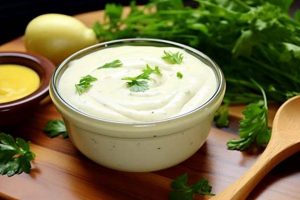
Ranch dressing serves as a crucial component in this specific potato salad variation. Its creamy texture and tangy flavor profile significantly influence the overall taste and enjoyment of the dish. The quality and flavor complexity of the ranch dressing directly impact how well it complements the other ingredients, namely the potatoes and bacon. A bland or poorly balanced ranch dressing can detract from the overall experience, while a well-crafted, flavorful dressing elevates the dish to a new level.
- Homemade vs. Store-Bought
A key decision lies in choosing between homemade and store-bought ranch dressing. Homemade ranch allows for complete control over ingredients and flavor profiles, enabling customization based on personal preferences. Fresh herbs, high-quality mayonnaise, and buttermilk can create a nuanced and vibrant flavor unmatched by most commercial dressings. Store-bought options offer convenience but may contain preservatives and additives that some find undesirable. The choice depends on priorities: convenience versus control over ingredients and flavor.
- Fresh Herbs and Spices
The inclusion of fresh herbs, such as dill, parsley, chives, and chervil, significantly elevates the flavor profile of ranch dressing. These herbs provide a bright, fresh counterpoint to the richness of the mayonnaise and sour cream base. Carefully balancing the herbs ensures they complement, rather than overpower, the other flavors. Dried herbs can be substituted in a pinch but offer a less vibrant flavor. The choice of herbs influences the overall complexity and freshness of the ranch, impacting how it interacts with the potatoes and bacon.
- Acidity Level
The acidity level in ranch dressing plays a critical role in balancing the richness of the other ingredients. Buttermilk, lemon juice, or vinegar provide the necessary tang, cutting through the fat and creating a more refreshing flavor profile. Properly balancing the acidity prevents the dressing from being overly rich or heavy, ensuring it complements the other flavors without overwhelming them. The acidity also interacts with the potatoes, preventing discoloration and adding a subtle brightness to their flavor.
- Consistency and Texture
The consistency of the ranch dressing contributes to the overall texture of the potato salad. A thick, creamy dressing clings to the potatoes, ensuring each bite is coated with flavor. A thinner dressing may not adhere as well, potentially leading to a less satisfying experience. Adjusting the consistency through the addition of buttermilk or mayonnaise allows for customization based on personal preference. The right consistency ensures the dressing binds the ingredients together harmoniously, contributing to the overall textural appeal.
The interplay of these facets determines the ultimate success of the ranch dressing in the context of the potato salad. A well-executed ranch dressing enhances the flavor and textural complexity of the dish, harmonizing with the potatoes and bacon to create a balanced and satisfying culinary experience. A thoughtful approach to ranch dressing preparation significantly elevates the final product.
4. Balanced Seasoning

Balanced seasoning is paramount in a successful potato salad featuring ranch dressing and bacon. It harmonizes the inherent flavors of the core ingredients, preventing any single element from dominating the palate. Without careful attention to seasoning, the dish can become overly salty from the bacon, excessively tangy from the ranch, or bland from under-seasoned potatoes. Achieving balance ensures that each ingredient contributes positively to the overall flavor profile.
- Salt
Salt enhances the natural flavors of the potatoes and other ingredients. However, the bacon already contributes significant saltiness. Over-salting can easily occur, making the salad unpleasant. The amount of added salt should be judiciously determined, considering the bacon’s salt content. Tasting and adjusting throughout the process is essential for optimal balance.
- Black Pepper
Black pepper adds a subtle heat and complexity to the salad. Freshly ground black pepper offers a more robust flavor compared to pre-ground. Its role is to complement the other flavors, not overpower them. A light hand with black pepper generally suffices, allowing the other seasonings and ingredients to shine.
- Acidity
A touch of acidity can brighten the overall flavor profile. A small amount of vinegar or lemon juice can cut through the richness of the ranch dressing and bacon fat, creating a more balanced and refreshing taste. However, excessive acidity can make the salad too tart. Careful balancing is crucial.
- Herbs and Spices
Other herbs and spices can add depth and complexity. Dill, chives, or parsley can complement the ranch flavors. Paprika or garlic powder can offer subtle nuances. However, the goal is to enhance, not mask, the primary flavors of the potato, bacon, and ranch. Overuse of additional seasonings can create a muddled flavor profile.
In conclusion, balanced seasoning is the key to a harmonious and flavorful potato salad with ranch dressing and bacon. Each seasoning element plays a specific role, interacting with the core ingredients to create a cohesive and enjoyable culinary experience. A thoughtful and measured approach to seasoning elevates the dish from simple to exceptional. The interplay of salt, pepper, acidity, and other complementary seasonings ultimately determines the final flavor profile, showcasing the careful balance achieved through mindful preparation.
5. Proper Chilling Time
Proper chilling time is a critical factor influencing the overall quality and enjoyment of potato salad made with ranch dressing and bacon. Chilling allows the flavors of the various componentspotatoes, bacon, ranch dressing, and any additional seasoningsto meld and mature, resulting in a more cohesive and harmonious flavor profile. Furthermore, chilling firms the potatoes, enhancing their texture and making them more palatable. This process also allows the ranch dressing to thicken slightly, improving its ability to coat the potatoes and other ingredients.
- Flavor Development
Chilling allows the diverse flavors within the salad to blend and deepen. The smoky essence of the bacon permeates the potatoes, while the herbs and spices in the ranch dressing infuse the entire mixture. This fusion of flavors creates a more complex and nuanced taste experience compared to a freshly made, unchilled salad. The chilling period essentially allows the ingredients to “marry,” resulting in a more unified and satisfying flavor profile.
- Texture Enhancement
The chilling process firms the potatoes, enhancing their textural appeal. Warm potatoes tend to be softer and more prone to breaking down. Chilling allows the potatoes to maintain their structural integrity, resulting in a more pleasant, less mushy texture. This firming effect also contributes to a more visually appealing salad, as the potatoes hold their shape better.
- Ranch Dressing Integration
Chilling allows the ranch dressing to thicken and adhere more effectively to the potatoes and other ingredients. A chilled dressing creates a more cohesive and flavorful experience, ensuring each bite is coated with the creamy, tangy dressing. This improved adherence also prevents the salad from becoming watery or diluted over time.
- Food Safety
Chilling is essential for food safety, particularly with mayonnaise-based dressings like ranch. Maintaining the salad at a safe temperature below 40F (4C) inhibits the growth of harmful bacteria, preventing spoilage and potential foodborne illnesses. Proper chilling ensures the salad remains safe for consumption, particularly during warmer weather or extended serving periods.
In conclusion, proper chilling is not merely a final step but an integral part of crafting a superior potato salad with ranch dressing and bacon. It significantly impacts flavor development, texture enhancement, dressing integration, and food safety. By allowing sufficient chilling time, typically at least two hours, one ensures a more flavorful, texturally appealing, and safe culinary experience. This attention to detail elevates the dish from a simple side to a truly satisfying culinary creation.
6. Gentle Ingredient Incorporation

Gentle ingredient incorporation is essential when preparing potato salad with ranch dressing and bacon. This technique preserves the structural integrity of the cooked potatoes, preventing them from becoming mushy or breaking apart. Forceful mixing can crush the potatoes, resulting in an undesirable, gluey texture. Maintaining distinct potato pieces contributes to a more appealing visual presentation and a more enjoyable eating experience. Consider the difference between a salad with intact, creamy potato pieces versus one with mashed, broken-down potatoes; the former offers a more satisfying textural contrast against the crispy bacon and creamy ranch.
The process involves a delicate folding motion rather than aggressive stirring. A rubber spatula or large spoon proves ideal for this purpose. Ingredients should be added gradually, starting with the ranch dressing. Distributing the dressing evenly before incorporating the bacon and other components ensures uniform coating and flavor distribution. Adding the bacon last minimizes breakage, as its sharp edges can damage the potatoes during mixing. For example, imagine incorporating crisp bacon pieces into the potato mixture before the ranch; the bacon’s weight and sharp edges could crush the potatoes during subsequent mixing. Conversely, adding the bacon after the ranch creates a protective coating, reducing the risk of damage.
The principle of gentle incorporation extends beyond simply preserving the potato’s shape. It contributes to a harmonious blend of textures and flavors, ensuring a more enjoyable culinary experience. Failure to employ this technique can compromise the salad’s structural integrity, visual appeal, and overall palatability. This seemingly minor detail has significant practical implications for the final product, underscoring the importance of mindful preparation in achieving a superior potato salad.
Frequently Asked Questions
This section addresses common inquiries regarding potato salad prepared with ranch dressing and bacon, offering practical guidance for optimal results.
Question 1: What type of potato is best suited for this recipe?
Waxy potatoes, such as red-skinned or Yukon Gold, are recommended. These varieties hold their shape well during cooking and maintain a desirable texture in the salad. Starchy potatoes, like russets, tend to become mushy and are less suitable.
Question 2: Can the bacon be prepared in advance?
Yes, bacon can be cooked ahead of time and stored in an airtight container in the refrigerator for up to three days. Reheat briefly before adding to the salad to restore crispness.
Question 3: How can one prevent the salad from becoming too salty?
Bacon contributes significant salt. It’s advisable to use unsalted butter if sauting other ingredients and to season the potatoes and other components judiciously. Tasting throughout the preparation process is crucial for achieving balanced seasoning.
Question 4: What are suitable substitutions for ranch dressing?
While ranch is key to this specific recipe, alternatives like blue cheese dressing or a buttermilk-herb dressing can be used for variations. However, the overall flavor profile will differ.
Question 5: How long can the potato salad be stored?
This potato salad can be refrigerated in an airtight container for up to three days. However, its quality is best within the first 24 hours.
Question 6: Can this recipe be adapted for a larger or smaller group?
The recipe can be easily scaled by adjusting ingredient quantities proportionally. Ensure consistent cooking times for potatoes and bacon regardless of the batch size.
Careful attention to these frequently asked questions ensures a successful outcome when preparing potato salad with ranch dressing and bacon. Understanding these details contributes to a more satisfying culinary experience.
The following section will offer variations and customizations, allowing for personalized interpretations of this classic dish.
Potato Salad Recipe with Ranch Dressing and Bacon
This exploration has delved into the critical components of a successful potato salad recipe featuring ranch dressing and bacon. From the selection of appropriate potato varieties and achieving optimal bacon crispness to the nuances of ranch dressing preparation and the importance of balanced seasoning, each element contributes significantly to the final product. Proper chilling time and gentle ingredient incorporation further enhance the flavor and textural harmony of the dish. Understanding these seemingly minor details elevates this classic comfort food to a new level of culinary satisfaction.
This dish represents more than a simple combination of ingredients; it embodies a balance of flavors, textures, and culinary techniques. Careful consideration of each step, from ingredient selection to final presentation, yields a dish that is both satisfying and memorable. The potential for customization allows for personalized interpretations while adhering to the fundamental principles outlined herein. This exploration encourages a thoughtful approach to preparation, transforming a familiar side dish into a culinary expression of care and attention to detail.