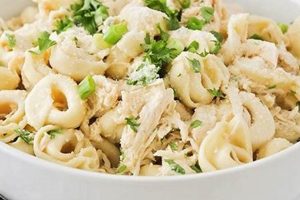
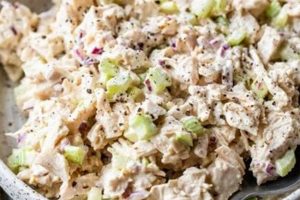
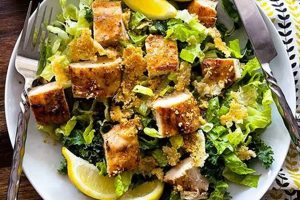
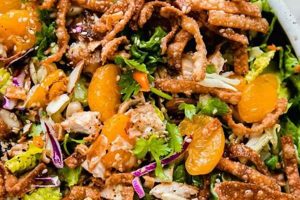
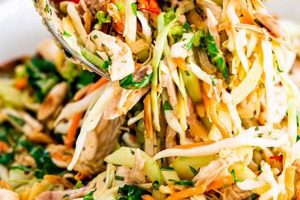
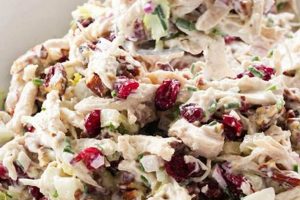
A dish combining cooked chicken with various leafy greens and other vegetables, often enhanced with a dressing, represents a versatile and nutritious meal option. A typical example might include grilled chicken breast, romaine lettuce, spinach, cucumber, tomatoes, and a light vinaigrette. Variations can incorporate diverse ingredients, such as different types of lettuces, herbs, nuts, seeds, dried fruits, cheeses, and other vegetables like bell peppers or red onion. The dressing can range from simple oil and vinegar to creamy dressings based on yogurt or mayonnaise.
Such meals offer a balance of protein, vitamins, minerals, and fiber, contributing to a healthy diet. The high protein content of chicken supports muscle growth and satiety, while the greens provide essential nutrients and antioxidants. These salads offer adaptable and customizable options suitable for various dietary needs and preferences. They can be a light lunch, a satisfying dinner, or a component of a larger meal. Historically, combinations of meat and greens have been culinary staples across cultures, evolving into the diverse salad preparations we see today.
The following sections will explore specific variations, offer tips for ingredient selection and preparation, and provide guidance on creating flavorful and balanced dressings. Techniques for achieving optimal texture and presentation will also be discussed.
Tips for Creating Exceptional Chicken Salads with Greens
Optimizing ingredient selection and preparation techniques elevates these salads from simple meals to culinary experiences.
Tip 1: Chicken Selection and Preparation: Employing high-quality, properly cooked chicken is paramount. Grilled, baked, or poached chicken offer healthier alternatives to fried options. Dicing or shredding the chicken facilitates even distribution throughout the salad.
Tip 2: Green Variety: Explore diverse greens beyond iceberg lettuce. Romaine, spinach, kale, arugula, and butter lettuce contribute varied textures and nutritional profiles. Consider a mix of greens for a complex flavor and visual appeal.
Tip 3: Freshness is Key: Utilizing fresh, crisp ingredients ensures optimal flavor and texture. Thoroughly washing and drying all produce is essential for food safety and enjoyment.
Tip 4: Dressing Selection: The dressing significantly impacts the salad’s overall flavor profile. Light vinaigrettes complement delicate greens, while creamy dressings pair well with robust ingredients. Consider making dressings from scratch for maximum flavor control and to avoid unnecessary additives.
Tip 5: Balancing Textures: Incorporating elements like crunchy nuts, seeds, or croutons introduces textural contrast. Roasted vegetables, such as bell peppers or sweet potatoes, can add depth and complexity.
Tip 6: Strategic Ingredient Addition: Delicate ingredients, such as herbs or avocado, should be added just before serving to prevent wilting or browning. This preserves freshness and visual appeal.
Tip 7: Proper Storage: Storing components separately, particularly the dressing and the greens, maintains optimal crispness and prevents premature wilting. Combining ingredients just prior to serving is recommended.
Attention to these details ensures a flavorful, visually appealing, and nutritious salad. The following section concludes with suggestions for variations and further culinary explorations.
By following these guidelines, one can consistently create exceptional chicken salads with greens. The subsequent concluding section provides further inspiration and encourages culinary creativity.
1. Fresh, High-Quality Ingredients

The success of a chicken green salad hinges directly on the freshness and quality of its components. Subpar ingredients detract significantly from the final product, yielding a less flavorful and potentially less nutritious meal. Freshly picked greens offer crisp texture and vibrant flavor, while older produce can be wilted, bitter, or even unsafe to consume. Similarly, using high-quality chicken contributes significantly to the overall taste and nutritional value. Chicken that is fresh and properly handled ensures optimal flavor and minimizes the risk of foodborne illness.
Consider the impact of ingredient quality on specific elements. Freshly harvested lettuce provides a satisfying crunch and a clean taste, contrasting starkly with the limp texture and off-flavors of aging leaves. Free-range chicken, known for its richer flavor and firmer texture, elevates the salad compared to mass-produced alternatives. Furthermore, the use of freshly made dressings with high-quality oils and vinegars adds a brightness and depth that bottled counterparts often lack. For instance, a vinaigrette made with fresh lemon juice and extra virgin olive oil will offer a far superior flavor profile compared to one made with pre-packaged ingredients.
Prioritizing fresh, high-quality ingredients demonstrates a commitment to both flavor and well-being. While cost may be a factor, the difference in taste and nutritional value justifies the investment. Selecting ingredients at their peak freshness enhances the sensory experience and maximizes the health benefits derived from the salad. Ultimately, understanding the integral role of fresh, high-quality ingredients is essential for crafting an exceptional and healthful chicken green salad.
2. Varied Greens (Texture, Flavor)

The incorporation of varied greens significantly impacts the overall sensory experience and nutritional value of a chicken green salad recipe. Texture and flavor, influenced by leaf shape, thickness, and composition, offer distinct contributions. A combination of textures, from the crisp snap of romaine to the delicate softness of spinach, creates a more engaging and satisfying meal. Similarly, incorporating greens with different flavor profilesthe peppery bite of arugula, the subtle sweetness of butter lettuce, or the earthy notes of kaleadds depth and complexity.
Consider a salad composed solely of iceberg lettuce. While providing a crisp texture, it lacks significant flavor and nutritional diversity. Contrast this with a salad incorporating romaine, spinach, and radicchio. The romaine provides a sturdy base and a refreshing crunch, the spinach contributes a smooth texture and a mild, slightly sweet flavor, and the radicchio adds a pop of color and a pleasant bitterness. This combination provides a more dynamic and nutritionally robust salad. Another example might include a blend of baby kale, arugula, and watercress, offering a mix of earthy, peppery, and slightly tangy flavors alongside varying textures.
Understanding the interplay of textures and flavors allows for strategic ingredient selection, maximizing both enjoyment and nutritional benefit. Challenges can arise in balancing contrasting flavors or ensuring compatibility with the chosen dressing. However, experimentation with different combinations often leads to the discovery of exciting and flavorful profiles. Ultimately, the selection of varied greens elevates the chicken green salad from a simple dish to a more complex and rewarding culinary creation.
3. Complementary Protein (Chicken)

Chicken plays a crucial role as a complementary protein source within a chicken green salad recipe. Protein contributes significantly to satiety, aids in muscle repair and growth, and provides essential amino acids. Adding chicken transforms a simple green salad into a more complete and satisfying meal, especially beneficial for those following higher-protein diets or seeking sustained energy levels. The inclusion of chicken also enhances the salad’s versatility, making it suitable as a standalone meal or a substantial component of a larger meal plan. For example, a chicken green salad can be a fulfilling lunch for office workers, a light yet protein-rich dinner for health-conscious individuals, or a post-workout meal for athletes.
The term “complementary protein” highlights chicken’s role in balancing the amino acid profile of the salad. While many plant-based foods contain protein, they may lack certain essential amino acids. Chicken provides these missing amino acids, creating a more complete protein source within the salad. This is particularly important for vegetarians or vegans who may occasionally consume poultry as a way to supplement their plant-based protein intake. The inclusion of chicken also enhances the sensory experience of the salad, adding a savory element that contrasts and complements the flavors of the vegetables and dressing. A salad with grilled chicken, for example, provides a different flavor profile compared to one with roasted or poached chicken, showcasing how preparation methods influence the overall taste.
Understanding the role of chicken as a complementary protein underscores its importance in optimizing the nutritional value and culinary appeal of the salad. While potential challenges exist in selecting appropriately cooked and flavored chicken, the benefits of including this protein source are substantial. Chicken contributes significantly to the salad’s satiating power, nutritional completeness, and flavor complexity, solidifying its position as a key component of a well-balanced and enjoyable chicken green salad.
4. Balanced, Flavorful Dressing

A balanced, flavorful dressing is integral to a successful chicken green salad recipe. Dressing provides more than just moisture; it acts as a unifying element, binding the individual components into a cohesive whole. A well-crafted dressing enhances the flavors of the chicken and vegetables, adding depth and complexity without overpowering the other ingredients. Balance is crucial: an overly acidic dressing can mask delicate flavors, while an excessively rich dressing can make the salad heavy and unappetizing. Consider the impact of a lemon-herb vinaigrette on a salad with grilled chicken and mixed greens. The bright citrus notes of the lemon complement the savory chicken, while the herbs provide an aromatic lift to the greens. This balance ensures that each ingredient contributes to the overall flavor profile without any single element dominating.
Specific flavor pairings demonstrate the practical significance of this balance. A creamy ranch dressing, while delicious, might overwhelm a salad with delicate greens like butter lettuce or spinach. Conversely, a light vinaigrette might not provide enough flavor for a salad with robust ingredients like kale or roasted vegetables. A Dijon vinaigrette, for instance, offers a tangy and slightly spicy counterpoint to the richness of roasted chicken and the earthiness of kale. Similarly, a honey-mustard dressing complements the sweetness of dried cranberries and the savory notes of grilled chicken. These examples illustrate how a carefully selected dressing can elevate a simple chicken green salad to a more complex and satisfying culinary experience.
Achieving a balanced, flavorful dressing requires attention to detail and an understanding of flavor interactions. Challenges include finding the right balance of acidity, sweetness, and richness, and ensuring the dressing complements the specific ingredients in the salad. However, the payoff is significant. A well-executed dressing transforms a collection of individual components into a harmonious and delicious whole. This careful consideration of the dressing is essential for maximizing the enjoyment and overall success of any chicken green salad recipe.
5. Textural Contrast (Nuts, Seeds)
Textural contrast plays a vital role in elevating a chicken green salad recipe from palatable to truly enjoyable. The interplay of textures creates a more engaging sensory experience, preventing monotony and enhancing the overall appeal. Incorporating nuts and seeds introduces desirable textural variety, complementing the softer textures of leafy greens and chicken. This section explores the multifaceted impact of textural contrast achieved through nuts and seeds within the context of chicken green salad.
- Enhanced Sensory Experience
The inclusion of nuts and seeds introduces a satisfying crunch or chewiness, contrasting with the softer textures of the other ingredients. This interplay of textures stimulates the palate and adds a dynamic element to each bite. Imagine the satisfying crunch of toasted almonds against tender chicken and crisp lettucethis textural variation elevates the eating experience.
- Nutritional Enrichment
Beyond textural enhancement, nuts and seeds contribute valuable nutrients. They are excellent sources of healthy fats, protein, fiber, vitamins, and minerals. Adding a handful of walnuts, for example, boosts the salad’s omega-3 fatty acid content, while sunflower seeds contribute vitamin E and selenium. These additions transform the salad into a more nutrient-dense meal.
- Flavor Complexity
Nuts and seeds offer diverse flavor profiles that complement and enhance the other ingredients. Toasted pecans provide a rich, buttery flavor, while pumpkin seeds offer a subtly sweet and earthy taste. These flavors interact with the chicken, greens, and dressing to create a more complex and nuanced flavor profile. Consider the interplay of toasted pine nuts with pesto dressing and grilled chickenthe nutty flavor enhances the pesto’s herbaceous notes and complements the savory chicken.
- Visual Appeal
The varying shapes, sizes, and colors of nuts and seeds contribute to the salad’s visual appeal. Sprinkling slivered almonds or black sesame seeds across the salad adds visual interest and elevates its presentation. This visual enhancement makes the salad more enticing and appetizing.
In conclusion, the strategic inclusion of nuts and seeds in a chicken green salad recipe elevates the dish through textural contrast, nutritional enrichment, flavor complexity, and enhanced visual appeal. These seemingly small additions significantly impact the overall sensory experience and nutritional value, demonstrating the importance of considering texture in creating a well-rounded and satisfying salad. Experimenting with different nuts and seeds allows for customization and exploration of diverse flavor and texture combinations, ensuring a more enjoyable and healthful culinary experience.
6. Proper Storage Techniques
Proper storage techniques are essential for maintaining the quality and safety of a chicken green salad recipe. Improper storage can lead to ingredient degradation, bacterial growth, and a compromised sensory experience. Implementing correct storage procedures preserves the freshness, crispness, and flavor of individual components, ultimately contributing to a more enjoyable and healthful meal. The following facets detail the key considerations for optimal storage.
- Separate Storage of Ingredients
Storing ingredients separately, particularly the chicken, greens, and dressing, is crucial for preserving optimal quality. Chicken should be stored in airtight containers in the refrigerator and consumed within a few days of cooking. Leafy greens should be washed, dried thoroughly, and stored in a separate container or bag lined with paper towels to absorb excess moisture. Dressings should be stored in sealed containers in the refrigerator. This separation prevents premature wilting of greens, cross-contamination, and undesirable flavor mingling. For example, storing cooked chicken directly on top of lettuce will cause the lettuce to wilt and become soggy due to the chicken’s moisture content.
- Temperature Control
Maintaining appropriate temperatures is crucial for preventing bacterial growth and preserving ingredient quality. Raw chicken should be stored at or below 40F (4C) to inhibit bacterial proliferation. Cooked chicken should be cooled promptly and refrigerated within two hours. Leafy greens are best stored at slightly above freezing temperatures, ideally around 36F (2C). Avoid storing ingredients in the “danger zone” between 40F and 140F (4C and 60C), where bacterial growth is most rapid. Ignoring temperature control can lead to foodborne illness and ingredient spoilage, rendering the salad unsafe for consumption.
- Container Selection
Proper container selection further contributes to ingredient preservation. Airtight containers are essential for preventing moisture loss and oxidation, which can lead to stale flavors and nutrient degradation. Using appropriate containers for different ingredients ensures optimal storage conditions. For example, storing leafy greens in a sealed container lined with a paper towel helps maintain crispness by absorbing excess moisture, while storing the dressing in a separate airtight container preserves its flavor and prevents spills.
- Time Sensitivity
Adhering to recommended storage times ensures optimal quality and safety. Cooked chicken should be consumed within three to four days of refrigeration. Leafy greens are best consumed within a few days of purchase, even with proper storage. Dressings, depending on their ingredients, can typically be stored for a week or more. Understanding these timeframes minimizes the risk of spoilage and maximizes flavor and nutritional value. Attempting to consume ingredients beyond their recommended storage time can lead to undesirable taste, texture changes, and potential health risks.
Implementing these proper storage techniques safeguards the quality and safety of each component of a chicken green salad recipe. By preventing spoilage and preserving freshness, these practices contribute significantly to a more satisfying and healthful culinary experience. Neglecting proper storage can result in a compromised final product, diminishing both the enjoyment and nutritional benefits of the salad. Therefore, understanding and applying proper storage techniques are essential for creating a successful and enjoyable chicken green salad.
7. Creative Ingredient Combinations
Creative ingredient combinations elevate a chicken green salad recipe from a basic dish to a culinary exploration. Strategic pairings introduce unexpected flavors and textures, enhancing complexity and enjoyment. Exploration of diverse ingredients expands the nutritional profile and offers opportunities for personalized flavor customization. This section delves into specific facets illustrating the impact of creative ingredient combinations.
- Fruits and Nuts
The incorporation of fruits and nuts introduces a sweet and savory dynamic. Dried cranberries provide a tart sweetness that complements the savory chicken and creamy goat cheese, while toasted walnuts or pecans offer a satisfying crunch and rich flavor. This combination adds a layer of complexity beyond the standard vegetable and protein components.
- Cheeses and Vegetables
Pairing cheeses with complementary vegetables creates a balanced and flavorful profile. Crumbled feta cheese with roasted red peppers offers a salty and tangy contrast to the sweetness of the peppers. Similarly, shaved Parmesan cheese with grilled zucchini adds a nutty and umami element. These combinations demonstrate how contrasting flavors and textures create a more dynamic and enjoyable salad.
- Herbs and Spices
Integrating fresh herbs and spices introduces aromatic complexity. Fresh cilantro and lime juice brighten the flavors of grilled chicken and avocado, while a sprinkle of smoked paprika adds a smoky depth to roasted chickpeas and sweet potatoes. These additions go beyond basic seasonings, contributing distinct flavor profiles that elevate the overall composition.
- Grains and Seeds
The addition of grains and seeds enhances both texture and nutritional value. Quinoa adds a protein boost and a slightly nutty flavor, while chia seeds or flax seeds offer a subtle crunch and contribute omega-3 fatty acids. These additions transform the salad into a more substantial and nutrient-rich meal. For example, combining quinoa with roasted vegetables and a lemon-herb vinaigrette creates a hearty and flavorful salad.
Creative ingredient combinations are essential for maximizing the flavor potential and nutritional value of a chicken green salad recipe. Exploring diverse flavor profiles and textures allows for personalized customization and transforms a simple salad into a more complex and satisfying culinary creation. Strategic pairings enhance the overall sensory experience, demonstrating the significant impact of thoughtful ingredient selection in crafting a truly exceptional salad.
Frequently Asked Questions
This section addresses common inquiries regarding the preparation and enjoyment of chicken green salads.
Question 1: What is the best way to prevent a chicken green salad from becoming soggy?
Sogginess is often caused by excess moisture. Thoroughly drying greens after washing and storing ingredients separately, especially the dressing, are crucial preventative measures. Adding dressing immediately before serving also minimizes moisture exposure.
Question 2: Can chicken green salads be prepared in advance?
Components can be prepared in advance, but combining them just prior to serving is recommended to maintain optimal freshness and prevent sogginess. Store chicken, greens, and dressing separately and combine only when ready to eat.
Question 3: What are some healthy dressing alternatives to creamy options?
Vinaigrettes based on olive oil, vinegar, and lemon juice offer lighter, healthier alternatives. Flavor can be enhanced with herbs, spices, and a touch of honey or maple syrup for sweetness.
Question 4: How can nutritional value be maximized in a chicken green salad?
Incorporating a variety of colorful vegetables, such as bell peppers, carrots, and cucumbers, increases vitamin and mineral content. Adding nutrient-dense toppings, such as nuts, seeds, or dried fruit, further enhances nutritional value.
Question 5: What are some suitable chicken substitutes for variations?
Grilled or pan-fried tofu, chickpeas, hard-boiled eggs, or beans offer plant-based protein alternatives. Seafood, such as grilled shrimp or salmon, provides another flavorful option.
Question 6: How can food safety be ensured when preparing chicken green salads?
Proper handling and cooking of chicken are essential. Ensure chicken reaches an internal temperature of 165F (74C) to eliminate harmful bacteria. Thoroughly wash all produce before consumption.
Addressing these common concerns ensures a more enjoyable and informed culinary experience. Understanding proper preparation and storage techniques maximizes flavor and nutritional value.
The next section provides a collection of varied chicken green salad recipes.
Chicken Green Salad Recipe
Exploration of chicken green salad recipes reveals a versatile culinary canvas. Emphasis on fresh, high-quality ingredients, balanced flavor profiles, and considered textural contrasts ensures a satisfying and nutritious meal. Proper storage techniques maintain ingredient integrity, while creative ingredient combinations unlock a world of flavor possibilities. From the selection of greens and proteins to the nuances of dressing selection and the incorporation of textural elements, each component contributes significantly to the final product.
Culinary experimentation within this framework offers a pathway to personalized, healthful, and enjoyable meals. The potential for customization and adaptation to individual preferences and dietary needs positions the chicken green salad as a timeless culinary staple. Continued exploration of flavor combinations and ingredient pairings promises a future of exciting and innovative chicken green salad creations.