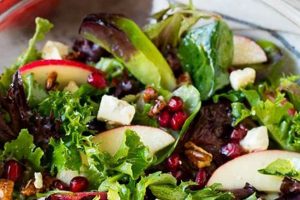
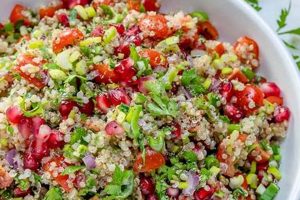
A combination of the aquatic plant Nasturtium officinale with other ingredients creates a dish rich in nutrients and flavor. A simple version might involve fresh watercress, a light vinaigrette, and perhaps some thinly sliced red onion. More complex variations can incorporate fruits like oranges or pears, cheeses such as feta or goat cheese, and nuts like pecans or walnuts.
These dishes offer a range of vitamins and minerals, including vitamins A, C, and K, as well as calcium and potassium. Historically, watercress has been valued for its purported health benefits, dating back to ancient civilizations. Its peppery bite adds a distinctive flavor profile to salads, making them a refreshing and healthy culinary choice.
This exploration delves into the versatile nature of such dishes, examining various preparation methods, ingredient pairings, and nutritional advantages. From classic combinations to innovative creations, the possibilities for crafting a delicious and healthful salad using this versatile green are vast.
Tips for Preparing Watercress Salads
Creating a vibrant and flavorful salad with watercress requires attention to detail and an understanding of the plant’s unique characteristics. These tips offer guidance for optimal preparation and enjoyment.
Tip 1: Select Fresh Watercress: Look for vibrant green bunches with crisp, firm stems and leaves. Avoid yellowing or wilted watercress.
Tip 2: Proper Storage: Store unwashed watercress in a sealed container or plastic bag lined with a damp paper towel in the refrigerator. It’s best consumed within a few days of purchase.
Tip 3: Thorough Cleaning: Rinse the watercress thoroughly under cold running water, ensuring all grit and debris are removed.
Tip 4: Drying is Key: Excess moisture can dilute the dressing and make the salad soggy. Dry the watercress completely after washing, preferably using a salad spinner.
Tip 5: Balance Flavors: Watercress has a peppery bite. Balance this with complementary ingredients such as sweet fruits (oranges, pears), creamy cheeses (goat cheese, feta), or crunchy nuts (pecans, walnuts).
Tip 6: Dress Lightly: Avoid heavy dressings that can overpower the delicate flavor of the watercress. A light vinaigrette or a simple lemon-olive oil dressing often works best.
Tip 7: Timing is Everything: Dress the salad just before serving to prevent the leaves from wilting.
By following these guidelines, one can consistently achieve a delicious and satisfying salad that showcases the unique qualities of watercress.
These preparatory steps contribute not only to the taste but also to the overall presentation and nutritional value of the final dish.
1. Fresh Watercress
Fresh watercress serves as the foundational ingredient, providing the distinctive peppery flavor that characterizes a successful watercress salad recipe. Its quality and freshness directly impact the overall taste and nutritional value of the final dish. Understanding the characteristics of fresh watercress is essential for recipe success.
- Appearance and Texture
Fresh watercress displays vibrant green leaves and crisp, firm stems. Avoid bunches with yellowing or wilted leaves, as these indicate age and diminished quality. The texture should be firm and slightly yielding, not limp or slimy. This crispness contributes to the pleasant mouthfeel of the salad.
- Aroma
Fresh watercress possesses a slightly peppery, clean aroma. Any off-putting or musty smells suggest spoilage and should be avoided. This characteristic aroma contributes to the overall sensory experience of the salad.
- Sourcing and Storage
Watercress can be sourced from local farmers’ markets, grocery stores, or even grown in home gardens. Proper storage is crucial for maintaining freshness. Store unwashed watercress in a sealed container or plastic bag lined with a damp paper towel in the refrigerator. Consume within a few days of purchase for optimal quality.
- Preparation
Thorough washing and drying are critical steps. Rinse the watercress under cold running water to remove any grit or debris. Use a salad spinner or gently pat dry with paper towels to remove excess moisture, which can dilute the dressing and make the salad soggy. Properly prepared watercress maintains its texture and contributes to a more appealing final dish.
These facets of fresh watercress directly influence the overall quality and success of a watercress salad recipe. By selecting, storing, and preparing the watercress correctly, one ensures a flavorful, visually appealing, and nutritious salad that highlights the plant’s unique characteristics.
2. Complementary Ingredients
Balancing the peppery bite of watercress requires careful consideration of complementary ingredients. These additions not only enhance the flavor profile but also contribute to textural variety and nutritional value within the salad. A well-chosen array of complementary ingredients elevates a simple watercress salad into a complex and satisfying culinary experience.
- Fruits
The sweetness of fruits provides a counterpoint to watercress’s peppery notes. Citrus fruits, such as oranges and grapefruits, offer a refreshing acidity, while sliced pears or apples contribute a subtle sweetness and satisfying crunch. The addition of dried fruits, like cranberries or apricots, introduces a chewy texture and concentrated sweetness. Incorporating fruits enhances both the flavor and nutritional profile of the salad.
- Cheeses
Creamy cheeses temper the peppery bite of watercress and add a richness to the salad. Crumbled goat cheese offers a tangy complexity, while feta cheese provides a salty, briny flavor. Shaved Parmesan contributes a sharp, nutty taste, and blue cheese introduces a pungent and creamy element. The choice of cheese impacts the overall flavor profile and adds a satisfying textural contrast.
- Nuts and Seeds
Nuts and seeds offer a satisfying crunch and contribute healthy fats and protein to the salad. Toasted pecans or walnuts provide a rich, buttery flavor, while sunflower seeds offer a nutty taste and boost of vitamin E. Slivered almonds introduce a subtle sweetness and satisfying crunch, and pumpkin seeds contribute a delicate nuttiness and valuable nutrients. These additions enhance both the texture and nutritional content of the salad.
- Vegetables
Incorporating other vegetables expands the flavor profile and adds nutritional value. Thinly sliced red onion provides a sharp bite, while cucumber adds a refreshing coolness. Avocado contributes a creamy texture and healthy fats, and roasted beets offer an earthy sweetness. The inclusion of diverse vegetables creates a more complex and satisfying culinary experience.
The strategic combination of these complementary ingredients elevates the watercress salad from a simple side dish to a main course option. Careful consideration of flavor profiles, textures, and nutritional values allows for a balanced and harmonious culinary creation, maximizing the potential of this versatile green.
3. Balanced Dressing

The success of a watercress salad recipe hinges on a balanced dressing that complements the peppery bite of the watercress without overpowering its delicate flavor. A thoughtfully crafted dressing enhances the overall culinary experience, unifying the various ingredients and contributing to a harmonious blend of tastes and textures. The following facets illuminate the essential role of balanced dressing in creating a truly exceptional watercress salad.
- Acidity
Acidity provides brightness and cuts through the richness of other ingredients. Vinegars, such as white wine vinegar, apple cider vinegar, or champagne vinegar, are common choices. Citrus juices, like lemon or lime, offer a refreshing zest. The level of acidity should be carefully calibrated to complement the watercress and other components of the salad without being overly tart. A balanced acidity enhances the overall flavor profile and stimulates the palate.
- Oil
Oil contributes richness and helps distribute the flavors throughout the salad. Extra virgin olive oil offers a robust flavor, while lighter oils like grapeseed or avocado oil provide a more neutral base. The choice of oil depends on the desired flavor profile and the other ingredients in the salad. A balanced oil content ensures a pleasant mouthfeel and prevents the salad from becoming dry or greasy.
- Sweetness
A touch of sweetness balances the acidity and adds complexity to the dressing. Honey, maple syrup, or a pinch of sugar can be used sparingly. The sweetness should be subtle, enhancing the other flavors without dominating the profile. A balanced sweetness rounds out the dressing and complements the peppery notes of the watercress.
- Seasoning
Seasoning enhances the overall flavor profile of the dressing. Salt and freshly ground black pepper are essential, while other spices and herbs can be added to complement the other ingredients. A pinch of Dijon mustard adds a subtle tang, while minced garlic or shallots contribute a savory depth. Fresh or dried herbs, such as chives, parsley, or tarragon, can be incorporated to further enhance the flavor complexity. Careful seasoning elevates the dressing and brings all the elements of the salad together.
A well-balanced dressing ties all the components of a watercress salad recipe together. The interplay of acidity, oil, sweetness, and seasoning creates a harmonious flavor profile that enhances the natural peppery bite of the watercress and complements the other ingredients. The dressing should not mask the individual flavors but rather elevate them, resulting in a cohesive and satisfying culinary experience. By carefully considering these facets, one can create a dressing that perfectly complements the watercress and other ingredients, resulting in a truly exceptional salad.
4. Proper Preparation
Proper preparation is crucial for maximizing the flavor, texture, and overall quality of a watercress salad recipe. Careful attention to detail in each stage, from selecting fresh ingredients to the final plating, ensures a delightful culinary experience. Overlooking these steps can compromise the delicate nature of watercress, resulting in a less satisfying dish. The following facets highlight the essential components of proper preparation.
- Ingredient Selection
Choosing fresh, high-quality watercress is paramount. Look for vibrant green leaves and firm stems, avoiding any signs of wilting or yellowing. Other ingredients, such as fruits, cheeses, and nuts, should also be at their peak freshness to ensure optimal flavor and texture. Selecting subpar ingredients can negatively impact the overall quality of the salad, regardless of subsequent preparation techniques.
- Washing and Drying
Thoroughly washing watercress removes any soil or debris, while careful drying prevents a soggy salad and diluted dressing. Gentle rinsing under cold water, followed by thorough drying in a salad spinner or with paper towels, preserves the delicate leaves and ensures a crisp, refreshing texture. Inadequate washing can leave unpleasant grit, while insufficient drying can lead to a watery, less appealing salad.
- Timing of Dressing
The timing of dressing application is critical for maintaining the texture and integrity of the watercress. Dressing the salad too early can cause the leaves to wilt and become soggy. It is best to add the dressing just before serving, ensuring that the watercress remains crisp and vibrant. This preserves the delicate texture and prevents the dressing from overpowering the other flavors.
- Storage Techniques
Proper storage of both prepared and unprepared ingredients maintains freshness and prevents spoilage. Unwashed watercress should be stored in a sealed container or plastic bag lined with a damp paper towel in the refrigerator. Prepared salads should be consumed as soon as possible to maintain optimal quality. Improper storage can lead to wilting, discoloration, and bacterial growth, compromising both flavor and food safety.
These facets of proper preparation are integral to a successful watercress salad recipe. Each step, from ingredient selection to final presentation, contributes to the overall quality and enjoyment of the dish. Attention to detail ensures that the delicate nature of watercress is preserved, resulting in a salad that is both visually appealing and deliciously satisfying. By adhering to these guidelines, one can consistently create a watercress salad that showcases the vibrant flavors and textures of this versatile green.
5. Nutritional Value
Nutritional value represents a significant aspect of watercress salad recipes. Consuming such salads offers a range of health benefits due to the inherent properties of watercress and the potential for incorporating other nutrient-rich ingredients. Understanding the nutritional composition of these salads provides insights into their contribution to a balanced and healthful diet.
- Vitamins and Minerals
Watercress is a rich source of vitamins A, C, and K, as well as minerals like calcium and potassium. Vitamin A contributes to eye health, while Vitamin C supports immune function. Vitamin K plays a role in blood clotting, and calcium is essential for bone health. Potassium helps regulate blood pressure. A watercress salad can contribute significantly to the recommended daily intake of these essential nutrients.
- Antioxidants
Watercress contains antioxidants, including beta-carotene and lutein. These compounds protect cells from damage caused by free radicals, potentially reducing the risk of chronic diseases. The inclusion of other antioxidant-rich ingredients, such as berries or nuts, further enhances the protective benefits of the salad.
- Low Calorie and High Fiber Content
Watercress is low in calories and high in fiber. This combination makes it a satisfying and filling ingredient that can support weight management efforts. Fiber also promotes digestive health and helps regulate blood sugar levels. A watercress salad can be a nutritious and low-calorie meal option.
- Bioactive Compounds
Watercress contains various bioactive compounds, including glucosinolates, which are associated with potential health benefits. These compounds may have anti-inflammatory and anti-cancer properties. Further research is ongoing to fully understand the health implications of these compounds within watercress.
The nutritional value of a watercress salad recipe extends beyond the individual nutrients found in watercress itself. The inclusion of other nutrient-rich ingredients, such as fruits, vegetables, nuts, and seeds, further enhances the overall health benefits. By thoughtfully combining these components, one can create a salad that not only satisfies the palate but also provides a wide array of essential nutrients that contribute to overall well-being.
Frequently Asked Questions
This section addresses common inquiries regarding the preparation and consumption of watercress salads.
Question 1: How should one store fresh watercress to maintain optimal quality?
Fresh watercress should be stored in a sealed container or plastic bag lined with a damp paper towel in the refrigerator. It is best consumed within a few days of purchase.
Question 2: Can watercress be consumed if the leaves are slightly yellowed?
While slightly yellowed leaves may not pose a safety risk, they indicate a loss of freshness and optimal nutritional value. Selecting bunches with vibrant green leaves is recommended for the best flavor and quality.
Question 3: What dressings best complement the flavor of watercress?
Light vinaigrettes or simple lemon-olive oil dressings typically complement watercress well. Heavy dressings can mask the delicate peppery flavor. A balanced dressing with appropriate acidity enhances the overall taste.
Question 4: How does one prevent watercress salads from becoming soggy?
Thorough drying of the watercress after washing is crucial. Using a salad spinner or gently patting the leaves dry with paper towels removes excess moisture that can lead to a soggy salad. Dressing the salad just before serving also helps maintain crispness.
Question 5: Beyond salads, what other culinary applications exist for watercress?
Watercress can be incorporated into soups, sandwiches, pesto, and smoothies. Its peppery flavor adds a unique dimension to various dishes. It can also be lightly sauted or used as a garnish.
Question 6: Are there any potential adverse effects associated with consuming watercress?
Consuming large quantities of watercress may contribute to certain health issues due to its high vitamin K content. Individuals taking blood-thinning medication should consult a healthcare professional regarding appropriate watercress consumption levels.
Addressing these common questions provides a deeper understanding of selecting, storing, preparing, and consuming watercress. This information allows for the creation of delicious and nutritious salads featuring this versatile green.
Further exploration of watercress salad recipes can enhance culinary skills and promote healthier dietary choices.
Conclusion
Exploration of the multifaceted nature of watercress salad recipes reveals the potential for culinary creativity and nutritional benefit. From the selection of fresh, vibrant watercress to the careful balancing of complementary ingredients and dressings, each step contributes to the final product’s overall quality. Proper preparation techniques, including thorough washing and drying, ensure optimal texture and prevent wilting. Consideration of the nutritional value inherent in watercress, along with the potential additions of other nutrient-rich components, highlights the significant health benefits achievable through thoughtful recipe development.
Watercress salad recipes offer a versatile and healthful culinary option. Continued exploration of flavor combinations and innovative ingredient pairings allows for a diverse and enriching dining experience. Embracing the potential of this versatile green promotes both culinary enjoyment and nutritional well-being.