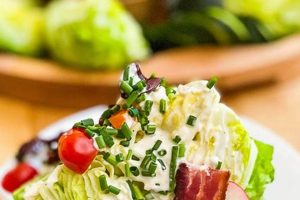
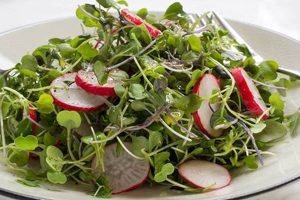
Recipes inspired by a bear’s diet typically emphasize fresh, seasonal ingredients, often foraged or locally sourced. These salads prioritize nutrient density, featuring leafy greens, berries, nuts, roots, and occasionally fish or lean meats. An example might include dandelion greens, wild berries, salmon, and crushed walnuts, dressed with a simple vinaigrette.
Adopting this dietary approach can offer several potential health benefits. Focusing on whole, unprocessed foods provides a rich source of vitamins, minerals, and antioxidants, which can contribute to improved energy levels, enhanced immune function, and overall well-being. Historically, humans in various cultures have consumed diets similar to bears, particularly in regions where foraging played a significant role in sustenance. This connection to nature and traditional foodways can offer a sense of grounding and a deeper appreciation for seasonal eating.
The following sections will explore specific recipes, foraging tips, and nutritional information related to creating salads aligned with this concept of natural, wholesome eating.
Tips for Bear-Inspired Salads
Creating salads based on a bear’s natural diet requires attention to ingredient selection, seasonality, and preparation methods.
Tip 1: Prioritize Seasonal Ingredients: Select ingredients readily available in the current season. Spring might offer dandelion greens and morel mushrooms, while summer provides berries and fresh herbs. Fall brings root vegetables and nuts, mirroring a bear’s preparation for winter.
Tip 2: Embrace Foraged Foods (with Caution): Incorporate foraged items like wild greens, mushrooms, and berries where possible. However, accurate identification is crucial to avoid consuming toxic plants. Consult expert resources or experienced foragers before consuming any foraged item.
Tip 3: Focus on Nutrient Density: Choose ingredients packed with vitamins, minerals, and antioxidants. Dark leafy greens, brightly colored berries, and nuts are excellent examples.
Tip 4: Incorporate Healthy Fats: Include sources of healthy fats such as nuts, seeds, or avocado. These provide essential fatty acids and contribute to satiety.
Tip 5: Vary Protein Sources: While plants form the foundation, consider adding lean protein sources like wild-caught fish, insects, or occasionally lean game meat, reflecting the occasional protein intake of bears.
Tip 6: Keep Dressings Simple: Opt for light dressings made with natural ingredients like olive oil, lemon juice, and herbs. Avoid heavy, processed dressings that can detract from the natural flavors of the salad.
Tip 7: Mindful Preparation: Wash ingredients thoroughly, especially foraged items. Consider lightly steaming or sauting certain vegetables to enhance digestibility and nutrient availability.
By focusing on these tips, one can create flavorful and nutritious salads that reflect the principles of natural, whole-food eating observed in a bear’s diet. These salads offer potential benefits for improved health and a deeper connection to the natural world.
The following section will provide specific recipe examples to inspire culinary exploration of this dietary approach.
1. Seasonal Ingredients

Seasonality forms a cornerstone of the “eat like a bear” salad concept. Bears, as opportunistic eaters, consume what is readily available in their environment at any given time. Their diet shifts with the seasons, reflecting the natural cycles of plant growth and availability. This principle translates directly to salad creation, emphasizing the use of locally sourced, in-season produce. Spring salads might incorporate tender greens like dandelion, miner’s lettuce, and fiddleheads. Summer offers an abundance of berries, fruits, and edible flowers. Fall brings heartier greens, roots, nuts, and seeds, mirroring a bear’s preparation for winter scarcity.
The emphasis on seasonal ingredients offers several advantages. Produce harvested at its peak ripeness boasts superior flavor and nutritional value compared to out-of-season alternatives shipped long distances. Furthermore, aligning one’s diet with seasonal availability promotes sustainable agricultural practices and reduces reliance on resource-intensive transportation and storage methods. For instance, incorporating locally foraged berries in the summer reduces the environmental impact associated with transporting berries from distant locations. Choosing root vegetables in the fall aligns with the natural storage capabilities of these crops, minimizing the need for artificial preservation techniques.
Prioritizing seasonal ingredients connects individuals more closely to the natural world and fosters an appreciation for the cyclical nature of food systems. This approach presents practical challenges, requiring flexibility and adaptability in recipe planning. However, the benefits enhanced flavor, improved nutrition, and reduced environmental impact contribute significantly to the overarching goal of creating healthful and sustainable salads inspired by a bear’s natural diet.
2. Foraged Greens, Berries, Nuts

Foraged greens, berries, and nuts constitute significant components of salads inspired by a bear’s diet. Bears, particularly during the warmer months, consume a variety of wild plants, fruits, and nuts readily available in their habitats. This foraging behavior informs the selection of ingredients for “eat like a bear” salads, emphasizing wild-gathered, unprocessed foods over cultivated or commercially produced alternatives. Dandelion greens, lamb’s quarters, chickweed, and purslane offer examples of foraged greens suitable for these salads. Wild berries, such as blackberries, raspberries, huckleberries, and elderberries, provide natural sweetness and potent antioxidants. Nuts like acorns, walnuts, and hazelnuts contribute healthy fats, protein, and essential minerals.
The act of foraging itself fosters a deeper connection with the natural world and an understanding of seasonal food availability. Careful identification of edible plants is paramount. Consulting field guides, attending foraging workshops, and learning from experienced foragers are crucial for safe and responsible foraging practices. For example, correctly distinguishing edible mushrooms from toxic varieties is essential for avoiding potential health risks. Understanding the ethical considerations of foraging, including sustainable harvesting practices and respect for private property, ensures the long-term health of ecosystems and continued access to foraged foods.
Incorporating foraged ingredients into salads aligns with a broader dietary philosophy emphasizing whole, unprocessed foods and a reduced reliance on industrial food systems. Challenges associated with foraging include regional variations in plant availability, seasonal limitations, and the time commitment required for safe identification and harvesting. However, the nutritional benefits, connection to nature, and potential for enhanced flavor contribute significantly to the appeal of foraged foods within the context of “eat like a bear” salad recipes. This approach promotes a more sustainable and environmentally conscious approach to food consumption.
3. Minimal Processing

Minimal processing represents a defining characteristic of “eat like a bear salad recipes.” Bears consume foods in their natural state, unburdened by the complex processing prevalent in modern human diets. This emphasis on unprocessed or minimally processed ingredients distinguishes these salads from conventional salads often containing refined grains, processed dressings, and commercially produced ingredients. Minimal processing prioritizes whole foods, retaining inherent nutrients and flavors. A bear’s consumption of raw berries, fresh greens, and unroasted nuts directly informs this approach.
The benefits of minimal processing extend beyond nutritional preservation. Avoiding processed foods reduces exposure to additives, preservatives, and artificial ingredients often associated with adverse health outcomes. Furthermore, minimizing processing decreases reliance on energy-intensive manufacturing processes, contributing to a lower environmental impact. For example, using freshly picked dandelion greens and wild berries requires significantly less energy than producing and transporting commercially grown lettuce and farmed berries. The practical application of this principle involves selecting ingredients as close to their natural state as possible. Nuts might be lightly toasted or crushed, but not heavily salted or coated in sugar. Dressings utilize simple ingredients like olive oil, lemon juice, and herbs, avoiding processed oils, refined sugars, and artificial flavors.
Minimal processing, therefore, contributes significantly to the nutritional value and ecological soundness of “eat like a bear salad recipes.” This principle aligns with broader dietary trends emphasizing whole foods, sustainable agriculture, and reduced consumption of processed foods. While some ingredients might benefit from minimal processing to enhance digestibility or palatability, the overarching goal remains centered on maximizing nutrient retention and minimizing the environmental footprint associated with food preparation. This approach fosters a deeper understanding of the interconnectedness between diet, personal well-being, and environmental health.
4. Nutrient-dense foods

Nutrient density forms a core principle of “eat like a bear salad recipes.” Bears, driven by instinct, prioritize foods offering maximum nutritional value to support their energy needs and overall health. This focus on nutrient-rich ingredients translates directly to salad construction, emphasizing foods packed with vitamins, minerals, antioxidants, and other essential nutrients. This approach contrasts sharply with salads emphasizing empty calories or relying on processed ingredients lacking substantial nutritional value.
- Wild Greens and Berries:
Wild greens, such as dandelion, purslane, and lamb’s quarters, offer a potent source of vitamins A, C, and K, along with minerals like potassium and magnesium. Wild berries, including blueberries, huckleberries, and raspberries, provide antioxidants, fiber, and a range of vitamins. These nutrient-rich ingredients form the foundation of many “eat like a bear” salads, supplying essential micronutrients often lacking in standard diets.
- Nuts and Seeds:
Nuts and seeds, like walnuts, acorns, and sunflower seeds, contribute healthy fats, protein, fiber, and minerals such as zinc and selenium. These nutrient-dense additions provide sustained energy and essential fatty acids crucial for various bodily functions. Their inclusion mirrors a bear’s consumption of nuts and seeds as a valuable source of calories and nutrients, particularly in preparation for winter.
- Roots and Tubers:
Roots and tubers, including wild carrots, burdock root, and Jerusalem artichokes, offer prebiotic fiber, vitamins, and minerals like iron and potassium. These ingredients support gut health and provide sustained energy. Bears often consume roots and tubers as a reliable source of carbohydrates, and their inclusion in salads replicates this nutritional strategy.
- Occasional Animal Products:
While predominantly plant-based, “eat like a bear” salads may occasionally incorporate animal products, reflecting the opportunistic nature of a bear’s diet. Wild-caught fish, insects, or lean game meat offer concentrated sources of protein and essential amino acids. These additions, used sparingly, contribute to the overall nutrient density and align with a bear’s occasional consumption of animal-based foods.
The emphasis on nutrient-dense foods in “eat like a bear salad recipes” directly translates to potential health benefits. Consuming a diet rich in vitamins, minerals, antioxidants, and other essential nutrients supports optimal physiological function, boosts immunity, and contributes to overall well-being. This approach offers a model for creating salads that nourish the body while minimizing reliance on processed or nutrient-poor ingredients, promoting a more holistic and health-conscious approach to dietary choices.
5. Natural, whole foods

The concept of “natural, whole foods” forms the foundation of “eat like a bear salad recipes.” Bears, in their natural environment, consume foods primarily in unprocessed, whole forms. This principle guides ingredient selection and preparation, emphasizing unaltered, nutrient-rich components over refined or processed alternatives. Understanding the various facets of natural, whole foods within this context provides crucial insight into the dietary philosophy underlying these recipes.
- Minimally Processed Ingredients
Natural, whole foods undergo minimal processing, retaining their original structure and nutrient profile. Examples include fresh berries, raw nuts, and unrefined grains. In “eat like a bear salad recipes,” this translates to using ingredients like freshly picked dandelion greens, untamed berries, and coarsely chopped nuts, as opposed to processed greens, dried fruits, or candied nuts. This approach maximizes nutrient intake and avoids additives common in processed foods.
- Absence of Artificial Ingredients
Natural, whole foods lack artificial ingredients, such as artificial sweeteners, colors, flavors, and preservatives. A bear’s diet, free from these synthetic additions, informs the composition of these salads. Dressings utilize natural ingredients like olive oil, lemon juice, and herbs rather than bottled dressings containing artificial flavor enhancers or preservatives. This purity aligns with the core principle of consuming foods in their most natural state.
- Focus on Single-Ingredient Foods
Natural, whole foods consist of single ingredients, identifiable in their natural form. A handful of blueberries, a walnut, or a sprig of mint exemplify this. “Eat like a bear salad recipes” reflect this by prioritizing recognizable ingredients over complex, multi-ingredient processed foods. This simplicity allows for a clearer understanding of the nutritional contribution of each component and minimizes potential exposure to unknown or undesirable additives.
- Nutrient Density and Bioavailability
Natural, whole foods often possess higher nutrient density and bioavailability compared to processed counterparts. Nutrients in their natural form are often more readily absorbed and utilized by the body. The focus on whole foods, such as fresh greens, berries, and nuts, in “eat like a bear salad recipes” maximizes the intake of vitamins, minerals, and antioxidants in their most bioavailable forms, optimizing their nutritional impact.
These combined facets contribute to the overall health benefits and ecological soundness associated with “eat like a bear salad recipes.” The emphasis on natural, whole foods promotes a diet rich in essential nutrients, minimizes exposure to potentially harmful additives, and reduces reliance on processed food systems. This approach encourages a more conscious and sustainable relationship with food, reflecting a deeper appreciation for the nutritional value and environmental impact of dietary choices.
Frequently Asked Questions
This section addresses common inquiries regarding salads inspired by a bear’s diet.
Question 1: Does following this dietary approach require consuming actual bear meat?
No. “Eat like a bear” focuses on the principles of a bear’s dietseasonal eating, nutrient-dense foods, and minimal processingnot literal replication. While bears do consume meat, their diet consists primarily of plants, especially during warmer months. Recipes emphasize plant-based ingredients with optional, occasional additions of sustainably sourced animal protein.
Question 2: Is foraging essential for these salads?
While foraging offers a strong connection to the principles behind these salads, it is not strictly essential. Farmers’ markets, local produce stands, and even carefully selected grocery store items can provide suitable alternatives when foraging is impractical or unavailable. Prioritizing seasonal and locally sourced ingredients remains key regardless of the procurement method.
Question 3: Are these salads suitable for year-round consumption?
Adapting this approach year-round requires flexibility. A bear’s diet changes significantly with the seasons. During colder months, available fresh produce diminishes. Winter adaptations might involve incorporating stored or preserved foods, such as root vegetables, dried fruits, nuts, and seeds, while still adhering to the principles of nutrient density and minimal processing.
Question 4: How does this approach differ from a standard vegetarian or vegan diet?
The primary difference lies in the emphasis on seasonality, foraging, and mimicking the natural diet of a bear. While vegetarian and vegan diets can incorporate these elements, they are not defining features. “Eat like a bear” prioritizes locally available, seasonal foods, often foraged, reflecting a bear’s opportunistic eating habits, unlike strictly defined vegetarian or vegan guidelines.
Question 5: Are there any safety concerns related to foraging wild ingredients?
Proper plant identification is paramount when foraging. Consuming misidentified plants can pose significant health risks. Thorough research, expert guidance, and cross-referencing multiple reliable sources are essential before consuming any foraged ingredient. Starting with easily identifiable plants and gradually expanding knowledge under expert supervision is recommended.
Question 6: Is this diet appropriate for individuals with specific dietary restrictions or allergies?
Individuals with dietary restrictions or allergies must carefully consider ingredient selection within this framework. Eliminating specific ingredients or substituting alternatives while adhering to core principles of nutrient density and minimal processing allows for adaptation. Consulting a healthcare professional or registered dietitian can provide personalized guidance for safely incorporating this dietary approach.
Understanding the core tenets of “eat like a bear” salads empowers individuals to make informed dietary choices aligned with their individual needs and circumstances. This approach encourages mindful consumption and a closer connection to natural food sources.
The next section delves into specific recipe examples demonstrating practical application of these principles.
Conclusion
Exploring the concept of “eat like a bear salad recipes” reveals a dietary approach emphasizing natural, whole foods, seasonal ingredients, and minimal processing. From foraged greens and berries to nuts and occasional animal protein, these salads prioritize nutrient density and a connection to the natural world. This approach encourages mindful consumption by mirroring a bear’s opportunistic and seasonally driven eating habits. Key considerations include responsible foraging practices, accurate plant identification, and adaptation based on individual dietary needs and seasonal availability.
The “eat like a bear” philosophy offers a pathway toward a more sustainable and health-conscious relationship with food. By embracing the principles of this dietary approach, individuals can potentially enhance their nutritional intake, reduce their environmental impact, and foster a deeper appreciation for the natural world. Further exploration of regional variations, culinary adaptations, and scientific research on the health benefits of foraged foods promises to enrich understanding and application of these principles.