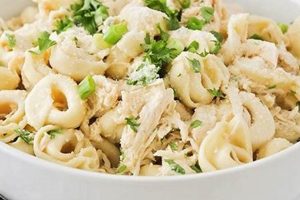
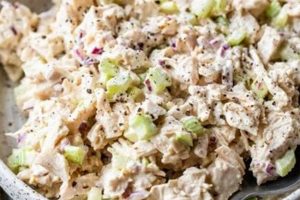
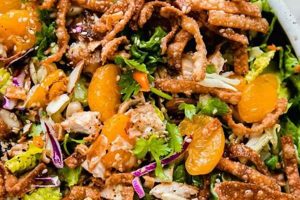
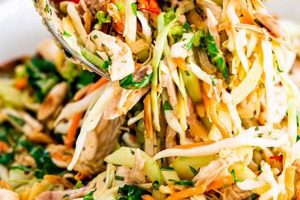
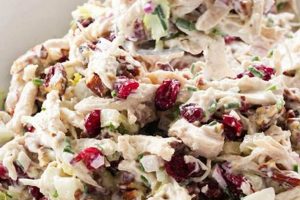
A dish combining cooked chicken, typically shredded or diced, with a dressing featuring citrus elements, often orange juice and zest, can encompass a variety of ingredients and preparations. Variations can include dried cranberries or raisins, toasted almonds or walnuts, celery, red onion, and mixed greens. The dressing might incorporate mayonnaise, yogurt, vinegar, ginger, and soy sauce, offering a balance of sweet, savory, and tangy flavors.
This type of salad provides a refreshing and flavorful meal option, adaptable to different dietary needs and preferences. Its versatility allows for adjustments in ingredients and seasonings, catering to individual tastes. Historically, fruit and meat combinations have appeared in various cuisines, and the modern iteration reflects a fusion of flavors and culinary traditions, offering a balanced source of protein and vitamins.
Further exploration will delve into specific ingredient combinations, dressing variations, and preparation techniques to achieve optimal flavor profiles and textures, addressing considerations for dietary restrictions and offering creative presentation suggestions.
Tips for a Superior Chicken Salad with Citrus
Achieving a well-balanced and flavorful salad requires attention to detail in ingredient selection and preparation techniques. These tips offer guidance for an enhanced culinary experience.
Tip 1: Chicken Selection: Opt for high-quality, cooked chicken breast or rotisserie chicken. For optimal texture, shred or dice the chicken into bite-sized pieces rather than chopping it coarsely.
Tip 2: Citrus Enhancement: Freshly squeezed orange juice and zest provide the most vibrant flavor. Experiment with other citrus fruits like mandarin or grapefruit for nuanced flavor profiles.
Tip 3: Balancing Sweetness and Acidity: Adjust the sweetness and acidity of the dressing by incorporating honey or maple syrup and apple cider vinegar or rice vinegar to complement the citrus notes.
Tip 4: Incorporating Textural Variety: Add textural contrast through toasted nuts (almonds, pecans, walnuts), dried cranberries, or chopped celery and red onion.
Tip 5: Dressing Emulsification: A stable emulsion prevents the dressing from separating. Whisking the oil slowly into the other dressing ingredients creates a smooth, cohesive texture.
Tip 6: Chilling for Optimal Flavor: Allow the salad to chill in the refrigerator for at least 30 minutes before serving. This allows the flavors to meld and enhances the overall taste experience.
Tip 7: Presentation: Consider serving the salad on a bed of mixed greens, in croissant rolls, or as a filling for lettuce wraps. Garnishing with fresh herbs or orange segments elevates the visual appeal.
By following these guidelines, one can create a chicken salad that offers a harmonious blend of flavors and textures, ensuring a satisfying culinary creation.
Following these preparatory steps and incorporating diverse ingredients contributes significantly to the overall quality and enjoyment of this versatile dish.
1. Fresh, High-Quality Ingredients

Ingredient quality significantly impacts the flavor profile of an orange chicken salad. Freshly squeezed orange juice contributes a brightness and complexity absent in pre-packaged alternatives. Its vibrant acidity balances the richness of the chicken and other components. Similarly, using fresh herbs like mint or cilantro introduces aromatic nuances that dried herbs cannot replicate. The quality of the chicken itself is paramount. Freshly cooked, properly chilled chicken maintains its moisture and texture, resulting in a more palatable salad. Opting for high-quality mayonnaise, free from artificial flavors or preservatives, further enhances the overall flavor experience. Subtle differences in ingredient quality contribute cumulatively to a superior final product.
Consider the impact of using withered lettuce versus crisp, vibrant greens. Withered lettuce introduces an unpleasant bitterness and detracts from the salad’s freshness, while crisp greens offer a refreshing counterpoint to the richer elements. Likewise, using stale nuts introduces an off-putting rancidity that compromises the entire dish. Fresh, high-quality nuts contribute a desirable crunch and subtle roasted flavor that complements the other ingredients. The principle extends to every component; even seemingly minor ingredients like salt and pepper should be of high quality to avoid unwanted mineral or metallic notes. Investing in superior ingredients elevates the sensory experience, transforming a simple salad into a culinary delight.
Ultimately, the pursuit of fresh, high-quality ingredients demonstrates a commitment to culinary excellence. While substitutions or compromises might seem minor, their cumulative effect can significantly diminish the final product. Prioritizing quality ensures a vibrant, flavorful, and texturally satisfying orange chicken salad that exemplifies the transformative power of fresh ingredients. This attention to detail differentiates a mediocre salad from a truly exceptional one, highlighting the intimate connection between ingredient quality and culinary success.
2. Balanced Citrus Flavor Profile

A balanced citrus flavor profile is crucial for a successful orange chicken salad. It prevents the citrus notes from overpowering the other ingredients, ensuring a harmonious blend of sweet, savory, and acidic elements. This balance elevates the salad beyond a simple combination of ingredients, creating a complex and nuanced flavor experience.
- Acidity Level
The acidity of the citrus component is paramount. Too much acidity can make the salad taste sharp and unpleasant, while too little can result in a bland, one-dimensional flavor. The right balance provides a refreshing tang that complements the richness of the chicken and other ingredients. For example, using only orange juice might result in excessive sweetness. Incorporating a small amount of lemon juice or vinegar can balance the sweetness and provide the necessary acidity. This interplay of sweet and sour notes is essential for a well-rounded flavor profile.
- Citrus Variety
While orange is the dominant citrus element, incorporating other citrus varieties can add depth and complexity. A hint of grapefruit can introduce a pleasant bitterness, while mandarin oranges can offer a sweeter, more floral note. Blending different citrus fruits allows for a more nuanced and layered flavor profile. Consider a salad with orange as the base, complemented by a touch of grapefruit zest and a squeeze of lime. This combination offers a more dynamic citrus experience than orange alone.
- Sweetness Modulation
Balancing the citrus with a touch of sweetness is often necessary. This can be achieved through the addition of ingredients like honey, maple syrup, or dried cranberries. The sweetness should complement, not overpower, the citrus notes. A small amount of honey can mellow the tartness of orange and create a more balanced flavor. The sweetness level should be carefully calibrated to avoid masking the other flavors in the salad.
- Aromatic Complexity
Herbs and spices can further enhance the citrus profile. Fresh herbs like mint or cilantro can add brightness and freshness, while spices like ginger or cardamom can introduce warm, aromatic notes. These additions contribute to a more complex and layered flavor profile, moving beyond a simple citrus taste to a more nuanced and engaging experience. For example, a touch of fresh ginger can complement the citrus notes and add a subtle warmth to the salad, creating a more sophisticated flavor profile.
A well-executed orange chicken salad hinges on a carefully balanced citrus profile. By considering the interplay of acidity, sweetness, citrus variety, and aromatic complexity, one can create a dish that is not only refreshing and flavorful but also demonstrates a sophisticated understanding of flavor balance. This attention to detail transforms a simple salad into a culinary experience that delights the palate.
3. Proper Chicken Preparation

Proper chicken preparation is integral to a successful orange chicken salad recipe. It directly influences the texture, flavor absorption, and overall palatability of the final dish. Considerations include cooking method, temperature, and handling techniques. Overcooked chicken becomes dry and stringy, detracting from the salad’s texture and hindering its ability to absorb the citrus-based dressing. Conversely, undercooked chicken presents food safety risks and yields an unpleasant, rubbery texture. Achieving a perfectly cooked, moist, and tender chicken ensures optimal flavor infusion and a pleasant eating experience.
Different cooking methods impact the final result. Poaching or baking yield a cleaner chicken flavor, ideal for salads where the citrus notes are prominent. Grilling imparts a smoky char, which might overpower the delicate citrus flavors. Rotisserie chicken offers convenience, but its seasoning may need careful consideration to ensure compatibility with the salad’s flavor profile. Once cooked, the chicken’s temperature is critical. Allowing it to cool completely before incorporating it into the salad prevents the dressing from separating and the other ingredients from wilting. Dicing or shredding the cooled chicken into uniform, bite-sized pieces ensures even dressing distribution and enhances the salad’s overall texture.
Ultimately, proper chicken preparation elevates the orange chicken salad from a simple dish to a culinary creation. Attention to detail, from cooking method to handling techniques, ensures the chicken contributes optimal flavor, texture, and food safety to the final product. This careful approach highlights the importance of seemingly basic steps in achieving culinary excellence. Overlooking this crucial aspect can compromise the entire salad, demonstrating the interconnectedness of each component in a successful recipe.
4. Complementary Textural Elements
Textural elements contribute significantly to the overall enjoyment of an orange chicken salad. A variety of textures creates a more dynamic and engaging sensory experience, preventing the salad from feeling monotonous. The interplay of contrasting texturescreamy, crunchy, chewy, and crispelevates the dish from simple to sophisticated. Careful consideration of these elements is crucial for a well-balanced and satisfying orange chicken salad.
- Crunchy Elements
Nuts, such as toasted almonds, walnuts, or pecans, provide a satisfying crunch that contrasts with the softer textures of the chicken and fruit. Seeds, like sunflower or pumpkin seeds, offer a similar textural contrast. These elements add a layer of complexity and prevent the salad from becoming overly soft or mushy. The specific nut or seed chosen can also complement the flavor profile; for instance, pecans offer a buttery richness, while toasted almonds provide a subtle nuttiness.
- Chewy Elements
Dried cranberries or raisins introduce a chewy texture that contrasts with the crunch of nuts and the tenderness of the chicken. These elements also contribute a subtle sweetness that complements the citrus notes. Other dried fruits, such as chopped apricots or dates, can also be incorporated, offering variations in sweetness and chewiness. The choice of dried fruit should consider the overall flavor balance and desired level of sweetness.
- Crisp Elements
Fresh vegetables, such as celery, red onion, or water chestnuts, contribute a crisp and refreshing element. These ingredients not only add textural variety but also introduce additional flavors and nutrients. The crispness of these vegetables contrasts with the creaminess of the dressing and the other softer elements, creating a more dynamic and enjoyable eating experience. The choice of vegetables should complement the overall flavor profile and desired level of freshness.
- Creamy Elements
The dressing provides the creamy element that binds the salad together and coats the other ingredients. A well-emulsified dressing, whether mayonnaise-based or yogurt-based, adds a smooth, rich texture that contrasts with the crunchier and chewier components. The dressing also carries the primary flavors of the salad, coating the other ingredients and ensuring a consistent flavor experience in each bite.
The interplay of these textural elements significantly influences the overall enjoyment of the orange chicken salad. A harmonious balance of creamy, crunchy, chewy, and crisp components creates a more satisfying and engaging dining experience. The careful selection and incorporation of these elements elevate the salad from a simple mixture of ingredients to a thoughtfully composed dish with a complex and satisfying textural profile. This attention to detail contributes significantly to the overall quality and enjoyment of the salad.
5. Effective Dressing Emulsification
Effective dressing emulsification is crucial for the overall quality and enjoyment of an orange chicken salad. A stable emulsion prevents the dressing from separating into its constituent partsoil and water-based ingredientsensuring a smooth, cohesive texture and consistent flavor distribution. This stability is essential for the dressing to effectively coat the other ingredients, enhancing their flavors and preventing a watery or oily mouthfeel. A properly emulsified dressing contributes significantly to the salad’s visual appeal and palatability.
- Emulsion Stability
Emulsion stability refers to the dressing’s ability to remain cohesive and prevent separation. A stable emulsion ensures that the oil and water-based ingredients remain evenly dispersed, creating a smooth and creamy texture. This stability is crucial for a visually appealing and palatable salad, as a separated dressing can appear unappetizing and result in uneven flavor distribution. Factors influencing stability include the ratio of oil to water-based ingredients, the presence of emulsifying agents, and the temperature at which the emulsion is formed and stored.
- Emulsifying Agents
Emulsifying agents, such as egg yolks, mustard, or honey, facilitate the stable combination of oil and water-based ingredients. These agents contain molecules with both hydrophilic (water-loving) and hydrophobic (oil-loving) ends, allowing them to bridge the gap between the two immiscible phases. The emulsifying agent’s effectiveness depends on its properties and concentration within the dressing. For example, egg yolks contain lecithin, a powerful emulsifier that creates a stable and creamy emulsion. The choice of emulsifying agent influences the dressing’s flavor and texture.
- Mixing Techniques
Proper mixing techniques are essential for creating a stable emulsion. Slowly adding the oil to the water-based ingredients while whisking vigorously allows the emulsifying agent to effectively coat the oil droplets and prevent them from coalescing. Over-mixing or adding the oil too quickly can destabilize the emulsion, leading to separation. The temperature of the ingredients can also influence emulsification; generally, room temperature ingredients emulsify more readily.
- Impact on Flavor and Texture
Effective emulsification directly impacts the salad’s flavor and texture. A stable emulsion ensures even flavor distribution, preventing pockets of excessive oiliness or acidity. The creamy texture of a well-emulsified dressing enhances the overall mouthfeel and contributes to a more satisfying culinary experience. A separated dressing, on the other hand, can lead to an uneven and less enjoyable eating experience.
In the context of an orange chicken salad recipe, effective dressing emulsification is paramount. It ensures that the citrus-based dressing effectively coats the chicken, fruits, and vegetables, creating a harmonious blend of flavors and textures. A stable, well-emulsified dressing elevates the salad, contributing to its visual appeal, palatability, and overall culinary success.
6. Appropriate Chilling Duration
Appropriate chilling duration plays a crucial role in the final quality of an orange chicken salad recipe. Chilling allows the flavors to meld and deepen, resulting in a more balanced and nuanced flavor profile. It also improves the salad’s texture by firming the chicken and allowing the dressing to further emulsify. The chilling process, therefore, is not merely a storage step but an active contributor to the overall culinary experience.
- Flavor Development
Chilling allows the diverse flavors within the saladthe citrus notes of the dressing, the savory chicken, the sweetness of dried fruit, and the aromatics of herbs and spicesto harmonize. This melding of flavors creates a more complex and integrated taste experience compared to a freshly made salad. The low temperature slows down chemical reactions, preventing volatile flavor compounds from dissipating too quickly and allowing subtle nuances to emerge.
- Texture Enhancement
Chilling firms the chicken, preventing it from becoming mushy and improving its textural contrast with the other ingredients. The colder temperature also further stabilizes the dressing’s emulsion, enhancing its creaminess and preventing separation. This improved texture contributes to a more pleasurable mouthfeel and enhances the overall enjoyment of the salad.
- Food Safety
Proper chilling is essential for food safety, particularly with chicken salads. Maintaining a refrigerator temperature of 40F (4C) or below inhibits the growth of harmful bacteria, preventing spoilage and potential foodborne illnesses. Adhering to recommended chilling times and temperatures is crucial for ensuring the salad remains safe for consumption.
- Optimal Chilling Time
The ideal chilling duration for orange chicken salad is typically between 30 minutes and 2 hours. This timeframe allows sufficient time for flavor development and texture enhancement without compromising the quality of the ingredients. Excessive chilling can dry out the salad or make the ingredients become too firm. The specific optimal chilling time may vary depending on the recipe and the ingredients used.
The appropriate chilling duration is an integral step in preparing a high-quality orange chicken salad. It is not merely a matter of convenience or storage but a crucial element that influences the salad’s flavor, texture, and safety. By allowing sufficient chilling time, the individual ingredients harmonize into a cohesive and delightful culinary experience. Ignoring this step can compromise the final product, highlighting the importance of respecting the subtle yet significant impact of proper chilling.
7. Creative Presentation Techniques
Presentation elevates the dining experience, transforming a simple orange chicken salad from a basic meal to a visually appealing and engaging culinary creation. Thoughtful presentation enhances perceived value and stimulates appetite, making the salad more enticing and enjoyable. Various techniques, ranging from plating styles to serving vessels, contribute to this elevated perception and overall dining satisfaction.
- Plating Styles
Strategic arrangement of salad components on the plate significantly influences visual appeal. Instead of simply piling the salad onto a plate, consider creating a more structured presentation. For example, a bed of mixed greens can provide a vibrant backdrop for the orange chicken salad, while strategically placed orange segments and toasted nuts add visual interest and highlight key ingredients. The use of negative space on the plate can further enhance the presentation, drawing attention to the salad’s textures and colors.
- Serving Vessels
The choice of serving vessel contributes to the overall aesthetic. Instead of a traditional salad bowl, consider using individual ramekins, hollowed-out citrus fruits, or endive leaves for a more sophisticated and personalized presentation. Serving the salad in small, edible containers, such as scooped-out avocado halves or bell pepper cups, adds an element of surprise and interactivity. The serving vessel should complement the salad’s colors and textures, enhancing its visual appeal.
- Garnishes
Garnishes provide the finishing touch, adding pops of color, flavor, and texture. Fresh herbs, such as mint or cilantro sprigs, offer a vibrant green contrast and aromatic complexity. Toasted sesame seeds or slivered almonds add textural contrast and visual interest. Edible flowers, chosen carefully for their flavor compatibility, introduce an element of elegance and sophistication. Garnishes should be used judiciously, enhancing the presentation without overwhelming the main components of the salad.
- Contextual Considerations
The presentation style should align with the dining context. A casual lunch might warrant a simpler presentation, while a more formal dinner party calls for greater attention to detail. Consider the overall theme and atmosphere of the occasion when choosing plating styles, serving vessels, and garnishes. For example, a buffet-style presentation might prioritize ease of serving and accessibility, while a plated dinner allows for more intricate and artistic arrangements. Adapting the presentation to the context ensures a cohesive and appropriate dining experience.
Creative presentation techniques elevate the orange chicken salad beyond a simple dish, transforming it into a visually appealing and engaging culinary creation. By considering plating styles, serving vessels, garnishes, and contextual factors, one can enhance the perceived value and enjoyment of the salad, demonstrating that presentation is an integral aspect of the overall dining experience. These techniques contribute not only to the aesthetic appeal but also to the overall perception of flavor and quality, making a well-presented salad more enticing and memorable.
Frequently Asked Questions
This section addresses common inquiries regarding the preparation and enjoyment of orange chicken salad.
Question 1: What type of chicken is best suited for this salad?
Cooked chicken breast, either poached, baked, or rotisserie, works well. The key is to ensure it is cooked thoroughly and cooled completely before incorporating it into the salad.
Question 2: Can bottled orange juice be used in place of fresh juice?
While bottled juice can be used, fresh orange juice offers superior flavor and brightness. The zest of the orange also contributes significantly to the overall flavor profile and is recommended whenever possible.
Question 3: How can the sweetness of the salad be adjusted?
Honey, maple syrup, or dried fruits such as cranberries or raisins can be added to enhance sweetness. The amount used should be adjusted to personal preference and balanced against the acidity of the citrus.
Question 4: What can be done to prevent the dressing from separating?
Proper emulsification is key. Whisking the oil slowly into the other dressing ingredients, ensuring the presence of an emulsifying agent like mustard or egg yolk, helps create a stable emulsion.
Question 5: How long should the salad be chilled before serving?
Chilling for at least 30 minutes allows the flavors to meld. However, avoid excessive chilling, as it can dry out the salad. A chilling time of up to 2 hours is generally recommended.
Question 6: What are some alternatives to mayonnaise in the dressing?
Plain Greek yogurt or a combination of yogurt and mayonnaise can provide a lighter, tangier alternative. Avocado can also be used for a creamy, dairy-free option. These alternatives alter the flavor and texture, requiring adjustments to other ingredients for optimal balance.
Understanding these key aspects ensures successful preparation and enhances the overall enjoyment of this versatile dish. Careful consideration of ingredients, techniques, and chilling times contributes to a superior culinary outcome.
The next section will explore variations on the classic orange chicken salad recipe, incorporating diverse ingredients and flavor profiles.
Orange Chicken Salad Recipe
Exploration of this recipe reveals a dish offering nuanced flavor profiles and adaptable preparation methods. Emphasis on fresh, high-quality ingredients, balanced citrus integration, proper chicken preparation, complementary textural elements, effective dressing emulsification, and appropriate chilling duration contributes significantly to the final product. Creative presentation techniques further enhance the dining experience, elevating the perceived value and enjoyment. Understanding these interconnected elements allows for culinary customization and optimization of this versatile dish.
Culinary exploration extends beyond mere sustenance; it represents a continuous evolution of flavors, techniques, and cultural influences. The orange chicken salad recipe embodies this principle, inviting adaptation and personalization while adhering to fundamental culinary principles. This adaptability ensures its continued presence and evolution within the culinary landscape.