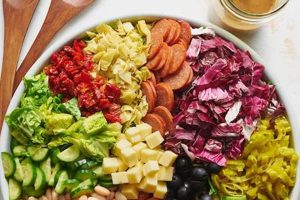
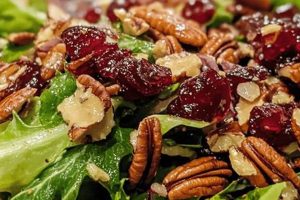
A dish featuring crispy fried or sometimes steamed wonton wrappers, often served atop a bed of mixed greens and other vegetables. Common additions include shredded carrots, red cabbage, and sliced almonds. A variety of dressings are used, ranging from light vinaigrettes with sesame oil and ginger to creamy peanut or sweet chili sauces. This creates a contrast in textures and flavors, with the crisp wontons complementing the fresh vegetables and the chosen dressing tying the elements together.
This culinary creation offers a delightful balance of textures and flavors, making it a popular choice for appetizers, light lunches, or side dishes. Its adaptability allows for diverse flavor profiles catering to various palates. The historical origins likely stem from Asian cuisine, with adaptations and variations emerging across different cultures, showcasing its versatility and enduring appeal.
Further exploration will cover variations in ingredients and dressings, techniques for achieving perfectly crispy wontons, and suggestions for presenting the dish in visually appealing ways.
Tips for a Perfect Wonton Salad
Achieving a well-balanced and flavorful salad involves attention to detail in ingredient selection, preparation methods, and final presentation.
Tip 1: Wonton Wrapper Selection: Opt for square wonton wrappers, typically found in the refrigerated section of grocery stores. Round wrappers can be used, but squares offer optimal shape for frying and presentation.
Tip 2: Achieving Crispy Wontons: Ensure the oil is heated to the correct temperature (350F/175C) before frying. Overcrowding the pan will lower the oil temperature and result in soggy wontons. Fry in batches for optimal crispness.
Tip 3: Dressing Considerations: The dressing plays a crucial role in the final flavor profile. Light vinaigrettes offer a refreshing contrast to the rich wontons, while creamy dressings provide a more decadent experience. Consider the overall flavor balance when selecting a dressing.
Tip 4: Vegetable Variety: While traditional recipes often include shredded carrots and cabbage, feel free to experiment with other vegetables. Shredded bell peppers, edamame, or thinly sliced cucumbers can add interesting textures and flavors.
Tip 5: Protein Enhancements: Grilled chicken, shrimp, or tofu can be added to create a more substantial meal. Ensure the protein is cooked thoroughly and complements the chosen dressing.
Tip 6: Garnishing for Visual Appeal: Toasted sesame seeds, chopped cilantro, or a sprinkle of crushed peanuts can elevate the presentation and add an extra layer of flavor.
Tip 7: Timing is Key: Dress the salad just before serving to prevent the wontons from becoming soggy. This ensures optimal texture and flavor.
By following these guidelines, one can create a wonton salad that offers a delightful combination of crispy wontons, fresh vegetables, and a flavorful dressing. Attention to these details elevates the dish from simple to exceptional.
These tips provide a foundation for crafting a successful wonton salad. Experimentation and adaptation based on personal preferences are encouraged to create unique and enjoyable variations.
1. Crispy Wonton Strips

Crispy wonton strips constitute a defining element of the wonton salad, contributing significantly to its textural and flavor complexity. Their presence offers a satisfying crunch that contrasts with the softer textures of the accompanying vegetables and dressing. The frying process transforms the thin wonton wrappers into delicate, golden-brown crisps, imbuing them with a subtle savory flavor that complements the other salad components. Without this textural counterpoint, the dish would lack its characteristic appeal. Consider a salad composed solely of vegetables and dressing; it might be refreshing but would lack the satisfying crunch that elevates the wonton salad beyond a simple mix of ingredients. The absence of crispy wontons fundamentally alters the dish’s identity.
The method of preparing these strips significantly impacts the overall quality of the salad. Over-frying can result in burnt, bitter wontons, detracting from the desired flavor profile. Under-frying, conversely, leads to a chewy, oily texture that compromises the intended crispness. Achieving perfectly golden, airy wonton strips requires careful attention to oil temperature and frying time. This precision ensures that the strips contribute the intended textural and flavor nuances to the final dish. For instance, a salad featuring perfectly fried wonton strips, tossed with a light sesame vinaigrette, and combined with fresh, crisp vegetables offers a harmonious blend of flavors and textures. This balance distinguishes the wonton salad from other salad variations.
The essential role of crispy wonton strips within the overall composition of the wonton salad is undeniable. Their textural contribution and subtle flavor enhancement are critical to the dish’s success. Mastery of the frying technique, coupled with an understanding of their importance, ensures a balanced and flavorful final product. This understanding allows for informed recipe adjustments, ingredient substitutions, and ultimately, a consistently satisfying culinary experience.
2. Fresh, vibrant vegetables
The inclusion of fresh, vibrant vegetables is essential to a successful wonton salad recipe. They provide crucial textural and flavor contrasts to the crispy wontons and rich dressing, elevating the dish beyond mere fried dough and sauce. The selection and preparation of these vegetables significantly influence the overall balance and appeal of the salad.
- Textural Variety
Fresh vegetables introduce a spectrum of textures, creating a dynamic interplay within the salad. Crisp elements like shredded carrots and cabbage offer a refreshing counterpoint to the crunchy wontons, while softer additions such as diced bell peppers or julienned cucumbers contribute a more delicate texture. This diversity keeps the palate engaged and prevents the salad from becoming monotonous.
- Flavor Balance
Beyond texture, fresh vegetables contribute a brightness and complexity of flavor that balances the richness of the wontons and dressing. The subtly sweet and peppery notes of shredded carrots, the earthy undertones of spinach, or the refreshing bite of red cabbage each contribute distinct flavors that complement the overall profile. This layered approach prevents any single flavor from dominating.
- Nutritional Value
Incorporating a variety of colorful vegetables adds substantial nutritional value. These elements introduce vitamins, minerals, and fiber, transforming the salad into a more wholesome and balanced meal. The inclusion of nutrient-rich vegetables allows the dish to satisfy not only cravings but also nutritional requirements.
- Visual Appeal
The vibrant colors of fresh vegetables contribute significantly to the salad’s aesthetic presentation. The deep green of spinach, the bright orange of carrots, the rich purple of red cabbage, and the vibrant red of bell peppers create a visually enticing dish. This visual appeal enhances the dining experience, making the salad as pleasing to the eye as it is to the palate. A well-presented salad is more inviting and contributes to a more satisfying meal.
The careful selection and preparation of fresh, vibrant vegetables are integral to a successful wonton salad recipe. They contribute not only essential nutrients but also textural and flavor complexity, elevating the dish beyond a simple combination of ingredients. Their inclusion ensures a balanced, flavorful, and visually appealing salad that satisfies both nutritional needs and culinary desires.
3. Flavorful Dressing

Flavorful dressing forms an integral component of a successful wonton salad recipe, acting as a unifying element that harmonizes the diverse flavors and textures. The dressing’s role extends beyond mere seasoning; it contributes significantly to the overall balance and complexity of the dish. A well-chosen dressing enhances the individual flavors of the components while simultaneously creating a cohesive culinary experience. Consider, for example, a sesame-ginger vinaigrette. The tangy vinaigrette provides a refreshing counterpoint to the richness of the fried wontons, while the sesame and ginger notes complement the Asian-inspired flavors of the salad. Conversely, a creamy peanut dressing offers a different flavor profile, adding a nutty richness that complements ingredients like shredded chicken or tofu. The absence of a flavorful dressing, or an improperly balanced one, can result in a disjointed and less satisfying experience. A bland dressing fails to elevate the other ingredients, while an overly assertive dressing can overwhelm the delicate flavors of the vegetables and wontons.
The interplay between the dressing and other components exemplifies the crucial role of balance in recipe development. A light, acidic vinaigrette works well with lighter vegetable combinations and lean proteins, offering a refreshing contrast to the crispy wontons. A richer, creamier dressing, however, complements heartier ingredients and bolder flavors. This understanding allows for informed decision-making when adapting recipes. Substituting a sweet chili sauce for a peanut dressing, for instance, introduces a different level of heat and sweetness, necessitating adjustments to other ingredients to maintain balance. Practical application of this knowledge ensures a consistently harmonious and flavorful outcome.
Careful consideration of the dressing’s flavor profile is paramount in crafting a successful wonton salad. The dressing should complement, not overpower, the other components. A balanced approach, informed by an understanding of flavor interactions, is essential. Achieving this balance results in a dish where the individual flavors of the wontons, vegetables, and dressing meld together harmoniously, creating a satisfying and complete culinary experience. This attention to detail elevates the wonton salad from a simple combination of ingredients to a well-composed dish that exemplifies the power of balanced flavors.
4. Balanced Textures

Textural balance constitutes a defining characteristic of a successful wonton salad recipe. The interplay of contrasting textures elevates the dish beyond a simple combination of ingredients, creating a dynamic and engaging sensory experience. This balance hinges on the careful selection and preparation of components, ensuring a harmonious blend of crisp, crunchy, and soft elements.
- Crispy Wontons
The crispy wontons provide the foundational textural element, offering a satisfying crunch that contrasts with the other components. Achieving optimal crispness requires careful attention to frying techniques. Over-frying results in a brittle, burnt texture, while under-frying yields a chewy, oily consistency. Properly fried wontons contribute a delicate, airy crispness that anchors the textural profile of the salad.
- Fresh Vegetables
Fresh vegetables introduce a variety of textures, further enhancing the complexity of the dish. Crisp vegetables like shredded carrots, cabbage, and bell peppers offer a refreshing counterpoint to the fried wontons. Softer elements, such as chopped cucumbers or avocado, introduce a more delicate texture. This interplay of crisp and soft vegetables creates a dynamic and multi-dimensional textural experience.
- Other Textural Elements
Beyond the core components, additional ingredients can contribute to the overall textural balance. Toasted nuts or seeds, such as sesame seeds or slivered almonds, introduce a satisfying crunch. Crumbled bacon or crispy noodles can also add textural complexity. These additions, used judiciously, further enhance the dynamic interplay of textures within the salad.
- The Role of the Dressing
The dressing, while primarily contributing to flavor, also plays a role in textural perception. A light vinaigrette allows the individual textures of the other components to shine through, while a creamy dressing can coat the ingredients, adding a smooth, cohesive element. The dressing’s viscosity and texture should be considered in relation to the other components to ensure a balanced and harmonious final product.
The harmonious interplay of these textural elements distinguishes a well-executed wonton salad from a less successful rendition. The contrast between crispy wontons, fresh vegetables, and other textural components creates a dynamic and satisfying sensory experience. Understanding the importance of textural balance allows for informed ingredient selection, preparation methods, and ultimately, a more enjoyable culinary outcome. A well-balanced wonton salad exemplifies the power of texture in creating a truly delightful dish.
5. Appealing Presentation
Appealing presentation elevates the wonton salad beyond a mere combination of ingredients, transforming it into a visually engaging culinary experience. Visual appeal stimulates appetite and enhances enjoyment, making presentation a crucial aspect of a successful wonton salad recipe. Consideration of color, arrangement, and garnish transforms the dish from simple sustenance to a feast for the senses.
- Color Palette
A vibrant color palette enhances the visual appeal. The contrast between the golden-brown wontons, the deep green of leafy vegetables, the bright orange of carrots, and the rich purple of red cabbage creates a visually dynamic presentation. A monochromatic salad, while potentially flavorful, lacks the visual interest generated by a variety of colors. Strategic use of color enhances the perceived freshness and quality of the ingredients.
- Arrangement and Composition
Thoughtful arrangement elevates the presentation. Rather than simply tossing all ingredients together, consider layering or strategically placing elements. Creating height and depth adds visual interest. For instance, placing the crispy wontons atop the salad, rather than mixing them throughout, allows their texture and color to stand out. Similarly, arranging vegetables in distinct sections, rather than randomly distributing them, creates a more visually appealing composition.
- Garnishes and Finishing Touches
Garnishes provide finishing touches that enhance visual appeal and add subtle flavor nuances. A sprinkle of toasted sesame seeds, chopped cilantro, or crushed peanuts adds visual interest and complements the flavors of the salad. These small additions demonstrate attention to detail and elevate the perceived quality of the dish. A simple garnish can transform a basic salad into a visually appealing culinary creation.
- Serving Vessels and Plating
The choice of serving vessel influences the overall presentation. A shallow bowl allows for a wider spread, showcasing the colorful ingredients. A deeper bowl, conversely, might be more appropriate for individual servings. Consider the context and occasion when selecting the serving vessel. Plating techniques, such as using a ring mold to create a composed salad, further enhance the presentation. Attention to these details contributes to a more refined and visually appealing final product.
Appealing presentation enhances the enjoyment of a wonton salad recipe. By considering color, arrangement, garnishes, and plating, one transforms the dish from a simple combination of ingredients into a visually engaging culinary experience. Attention to these visual elements elevates the perceived quality and enjoyment of the salad, demonstrating the integral role of presentation in creating a truly satisfying dining experience.
Frequently Asked Questions
This section addresses common inquiries regarding wonton salad preparation and variations.
Question 1: Can wonton wrappers be baked instead of fried for a healthier option?
Baking wonton wrappers is possible, though achieving the characteristic crispness of frying requires specific techniques. Brushing the wrappers lightly with oil and baking at a high temperature (400F/200C) until golden brown yields a relatively crisp result. However, baked wontons generally possess a different texture than their fried counterparts.
Question 2: What dressings work well beyond the standard sesame-ginger vinaigrette?
Flavor profiles beyond sesame-ginger vinaigrette complement wonton salads effectively. Peanut, sweet chili, and even a light citrus vinaigrette offer appealing alternatives. Consider the other salad components when selecting a dressing, aiming for a balanced flavor profile.
Question 3: How can sogginess be prevented when adding dressing to the salad?
Sogginess is a common concern, especially when using a more liquid dressing. To mitigate this, dress the salad immediately before serving. Alternatively, serve the dressing on the side, allowing individuals to add it to their portions as desired. This preserves the crispness of the wonton strips.
Question 4: What protein options complement a wonton salad?
Protein additions create a more substantial meal. Grilled chicken or shrimp align with Asian-inspired flavors, while crispy tofu offers a vegetarian option. Ensure the protein complements the chosen dressing and overall flavor profile of the salad.
Question 5: Can alternative greens be used instead of traditional salad mixes?
Alternative greens offer variations in flavor and texture. Spinach, romaine lettuce, or even shredded kale provide interesting alternatives. Consider the overall flavor profile and textural balance when selecting greens. Experimentation with different greens can lead to unique and satisfying results.
Question 6: How can leftover wonton salad be stored effectively?
Storing leftover wonton salad requires separating components to maintain optimal texture. Store the wonton strips, vegetables, and dressing separately. Combine just before serving to prevent the wontons from becoming soggy. This preserves the individual textures and prevents a compromised final product.
Understanding these commonly addressed concerns allows for confident preparation and customization. Thoughtful consideration of these points enhances the likelihood of a successful and enjoyable culinary outcome.
The following section offers a sample recipe incorporating these principles.
Wonton Salad Recipe
Exploration of the wonton salad recipe reveals a dish characterized by a harmonious balance of flavors and textures. Crispy wonton strips, fresh vegetables, and a flavorful dressing contribute distinct yet complementary elements. Attention to ingredient selection, preparation methods, and presentation elevates this dish beyond a simple salad. Understanding the interplay between these components allows for adaptation and customization based on individual preferences. From achieving perfectly crispy wontons to selecting a complementary dressing, each step contributes to the final culinary outcome. The significance of textural balance and visual appeal further underscores the multifaceted nature of this culinary creation.
The wonton salad recipe presents an opportunity for culinary exploration and creative expression. Adaptation of ingredients and dressings allows for personalized variations, showcasing the dish’s versatility. Continued experimentation and refinement of techniques promise further enhancement of this already delightful culinary experience. Mastery of this recipe provides a foundation for exploring broader culinary horizons, emphasizing the power of balanced flavors, textures, and presentation in creating truly satisfying dishes.