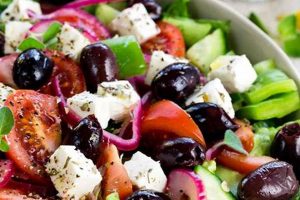
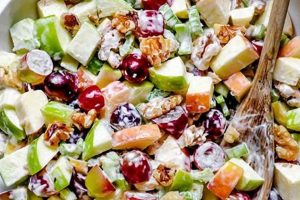
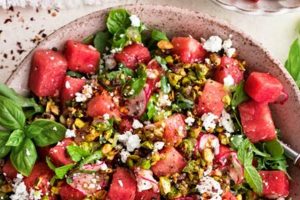
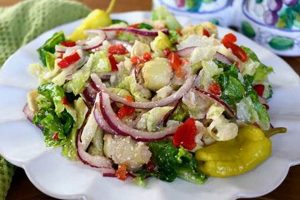
A simple salad featuring lettuce as the primary ingredient, often combined with other fresh vegetables, fruits, nuts, cheese, or protein, and dressed with a vinaigrette or other light dressing typically constitutes a quick and healthy meal option. For example, a bowl of chopped romaine lettuce tossed with cherry tomatoes, cucumber, and a lemon vinaigrette represents such a dish.
Such salads offer numerous nutritional benefits, contributing vitamins, minerals, and fiber to the diet, often with relatively low caloric intake. Their ease of preparation makes them accessible even to novice cooks, promoting healthy eating habits. Historically, simple lettuce salads, featuring readily available ingredients, have been a staple in various cultures for centuries, adapting to regional preferences and seasonal produce.
This discussion will further explore various aspects of creating these salads, including selecting lettuce varieties, complementary ingredients, and preparing flavorful dressings, as well as providing specific examples and variations.
Tips for Creating Delicious Simple Lettuce Salads
Creating a satisfying and flavorful salad with lettuce as the main component requires attention to a few key details. The following tips offer guidance for achieving optimal results.
Tip 1: Select Fresh, Crisp Lettuce. Choose lettuce that exhibits vibrant color and firm texture. Avoid leaves with browning edges or signs of wilting. Different lettuce varieties offer unique flavors and textures; consider experimenting with romaine, butter lettuce, spinach, or arugula.
Tip 2: Wash and Dry Thoroughly. Proper cleaning removes any soil or debris. Thorough drying prevents a watery salad and helps dressings adhere evenly.
Tip 3: Use a Variety of Ingredients. Beyond lettuce, incorporate other vegetables, fruits, nuts, or proteins to enhance flavor, texture, and nutritional value. Consider additions such as tomatoes, cucumbers, bell peppers, carrots, berries, apples, walnuts, sunflower seeds, grilled chicken, or chickpeas.
Tip 4: Make Your Own Dressing. Homemade dressings provide greater control over flavor and avoid unnecessary additives found in many commercial options. A simple vinaigrette can be made by whisking together olive oil, vinegar, and seasonings.
Tip 5: Don’t Overdress. Too much dressing can make the salad soggy. Start with a small amount and add more if needed.
Tip 6: Add Dressing Just Before Serving. This prevents the lettuce from wilting and maintains a crisp texture.
Tip 7: Consider Seasonality. Utilize fresh, seasonal ingredients for optimal flavor and nutritional value.
Tip 8: Get Creative with Toppings. Explore different toppings to discover new flavor combinations. Consider using toasted nuts, crumbled cheese, dried cranberries, or a sprinkle of fresh herbs.
By following these guidelines, one can consistently produce flavorful, nutritious, and visually appealing lettuce-based salads.
These simple strategies represent a foundation for creating a wide range of delicious and healthful salads suited to various tastes and preferences.
1. Fresh, Crisp Lettuce

Fresh, crisp lettuce forms the foundation of any successful easy lettuce salad recipe. Its textural and flavor contributions significantly influence the overall sensory experience. A salad built on wilted or less-than-fresh lettuce will lack the desired vibrancy and appeal, regardless of other high-quality ingredients. The crispness provides a satisfying contrast to other components, such as creamy cheeses or crunchy vegetables, contributing to a more enjoyable eating experience. For example, a salad composed of crisp romaine lettuce offers a pleasant crunch alongside juicy tomatoes and creamy avocado, whereas using wilted lettuce would diminish the overall textural appeal.
Selecting and maintaining lettuce freshness is crucial. Look for lettuce with vibrant color and firm leaves, avoiding any signs of browning, wilting, or sliminess. Proper storage, such as refrigeration in a breathable container or wrapped in slightly damp paper towels, helps preserve freshness. Washing and thoroughly drying the lettuce just before preparing the salad also contributes to optimal crispness and prevents a watery final product. This careful attention to the lettuce’s condition distinguishes a truly enjoyable salad from a mediocre one.
Prioritizing lettuce freshness ensures an easy lettuce salad recipe reaches its full potential. This foundational element enhances both flavor and texture, contributing significantly to the overall culinary satisfaction. Neglecting this aspect compromises the final dish, demonstrating the critical relationship between fresh, crisp lettuce and a successful, simple salad.
2. Variety of Ingredients

Ingredient variety significantly elevates a simple lettuce salad from basic to compelling. While lettuce provides the foundation, the inclusion of diverse components contributes textural complexity, nutritional balance, and a broader flavor profile. A monochromatic salad consisting solely of lettuce, even with a flavorful dressing, lacks the multifaceted sensory experience offered by the incorporation of other elements. Consider the difference between a bowl of plain iceberg lettuce and one that includes chopped cucumbers, bell peppers, tomatoes, red onion, and crumbled feta cheese. The latter offers a combination of crisp, juicy, and creamy textures, alongside a range of flavors that complement and enhance the lettuce itself. This diversity transforms a simple salad into a more satisfying and nutritionally complete meal.
The strategic selection of ingredients allows for endless customization and adaptation to individual preferences and dietary needs. Adding protein, such as grilled chicken, chickpeas, or hard-boiled eggs, transforms a light side dish into a more substantial main course. Incorporating various vegetables introduces an array of vitamins and minerals, contributing to a more balanced nutritional profile. The selection of ingredients also offers opportunities to explore different culinary traditions. For instance, a Mediterranean-inspired salad might feature Kalamata olives, feta cheese, and sun-dried tomatoes, while an Asian-inspired salad could include mandarin oranges, edamame, and toasted sesame seeds. These additions not only enhance the flavor and texture but also broaden the culinary experience.
Achieving variety in a simple lettuce salad does not necessitate complexity or extensive preparation. Utilizing readily available, seasonal produce and pantry staples allows for effortless customization and promotes both nutritional value and culinary creativity. The inclusion of diverse ingredients transforms the simple lettuce salad into a versatile dish, enhancing its appeal and nutritional impact. A thoughtful approach to ingredient selection unlocks the full potential of the easy lettuce salad, offering a platform for both culinary exploration and healthful eating.
3. Complementary Flavors
Flavor balance represents a critical aspect of a successful easy lettuce salad recipe. Harmonizing diverse tastes elevates the sensory experience beyond the sum of its individual components. A thoughtful combination of complementary flavors transforms a simple salad into a cohesive and satisfying dish. This section explores the nuances of flavor pairings within the context of easy lettuce salad recipes.
- Balancing Sweet and Savory
The interplay of sweet and savory elements adds depth and complexity to a lettuce salad. Sweetness can be derived from fruits like berries or grapes, or from sweet vegetables such as roasted carrots or bell peppers. Savory notes can come from ingredients like cheese, nuts, or cured meats. The contrast between these opposing flavors creates a dynamic and more engaging culinary experience. For instance, the sweetness of strawberries paired with the saltiness of feta cheese and the peppery bite of arugula creates a balanced and flavorful salad. The careful calibration of these elements prevents the salad from becoming overly sweet or excessively savory.
- Acidity as a Flavor Enhancer
Acidity plays a crucial role in brightening and balancing the flavors of a lettuce salad. Vinegars, citrus juices, and acidic fruits like tomatoes contribute a sharpness that cuts through richness and enhances the other flavors present. A simple vinaigrette made with lemon juice and olive oil, for example, adds a refreshing acidity that complements the flavors of fresh vegetables and herbs. Acidity also helps to tenderize lettuce leaves, contributing to a more pleasant texture.
- The Role of Umami
Umami, often described as a savory, meaty, or earthy flavor, contributes depth and complexity to lettuce salads. Ingredients rich in umami, such as Parmesan cheese, mushrooms, or a sprinkle of nutritional yeast, add a satisfying richness that complements the other flavors. Even a small amount of an umami-rich ingredient can significantly enhance the overall flavor profile of the salad.
- Textural Considerations
While not strictly a flavor component, texture plays a significant role in how flavors are perceived and experienced. The crispness of lettuce provides a foundation for contrasting textures, such as the creaminess of avocado, the crunch of nuts, or the chewiness of dried fruit. These textural variations enhance the overall sensory experience and contribute to a more satisfying and dynamic salad. A salad with a variety of textures offers a more stimulating and enjoyable eating experience.
Understanding the interplay of these flavor and texture components allows for the creation of balanced and delicious easy lettuce salads. Consideration of these elements elevates the salad beyond a simple combination of ingredients to a carefully constructed culinary experience. The deliberate balancing of flavors transforms the easy lettuce salad into a versatile and satisfying dish, highlighting the impact of thoughtful ingredient selection and flavor pairings.
4. Homemade Dressing

Homemade dressings play a pivotal role in elevating easy lettuce salad recipes. While store-bought options offer convenience, crafting dressings from scratch provides unparalleled control over flavor profiles, ingredient quality, and dietary considerations. This customization potential allows for precise tailoring to individual preferences and specific salad compositions, enhancing the overall culinary experience. This enhanced control transforms a simple salad into a personalized culinary creation.
- Flavor Customization
Homemade dressings allow for complete control over flavor profiles, accommodating individual preferences and dietary restrictions. A simple vinaigrette, for example, can be tailored by adjusting the type of vinegar, oil, and herbs used. This adaptability extends to creating unique flavor combinations, such as a maple- Dijon vinaigrette or a creamy avocado dressing, which would be difficult to replicate with pre-made options. This level of customization ensures the dressing perfectly complements the other salad ingredients.
- Ingredient Quality
Preparing dressings at home offers complete transparency regarding ingredient quality. This allows for the selection of fresh, high-quality oils, vinegars, and herbs, avoiding unnecessary additives, preservatives, and excessive sodium often found in commercial dressings. Using extra virgin olive oil, for instance, provides health benefits and superior flavor compared to processed vegetable oils commonly used in bottled dressings. This focus on ingredient quality contributes to both flavor and nutritional value.
- Dietary Considerations
Homemade dressings cater to specific dietary needs and preferences. Individuals can easily control sugar content, eliminate allergens, or incorporate specific dietary fats. For example, a vegan dressing can be created using plant-based milk and nutritional yeast, while a low-sodium dressing can be achieved by omitting salt or using low-sodium ingredients. This level of control empowers individuals to align their salads with their specific health and dietary goals.
- Simplicity and Cost-Effectiveness
Contrary to common assumptions, creating homemade dressings often requires minimal effort and ingredients. Many dressings can be whisked together in minutes using pantry staples. This simplicity, coupled with the ability to control portion sizes and avoid packaging waste, makes homemade dressings a cost-effective alternative to store-bought options. Furthermore, the freshness of homemade dressings often surpasses that of bottled varieties, enhancing the overall flavor of the salad.
The integration of homemade dressings significantly enhances easy lettuce salad recipes. By prioritizing flavor customization, ingredient quality, and dietary considerations, homemade dressings elevate the simple salad from a basic dish to a personalized culinary experience. This emphasis on freshness and control allows individuals to fully realize the potential of the easy lettuce salad, transforming it into a versatile and satisfying meal option.
5. Proper Proportions
Proportionality significantly impacts the overall enjoyment and satisfaction derived from an easy lettuce salad recipe. A balanced ratio of lettuce to other ingredients, and of dressing to salad components, ensures a harmonious blend of flavors and textures. An excess of lettuce can result in a bland and unsatisfying meal, while an overabundance of toppings might overwhelm the fresh, delicate nature of the lettuce itself. Similarly, too much dressing can lead to a soggy salad, while too little dressing leaves the ingredients underseasoned and dry. Consider a salad composed primarily of lettuce with only a few sparse additions of other vegetables and a minimal amount of dressing. This imbalance diminishes the potential for a flavorful and texturally diverse experience. Conversely, a salad overwhelmed with toppings and drenched in dressing obscures the flavor of the lettuce and other components, resulting in a less enjoyable meal.
Achieving proper proportions enhances the sensory experience and nutritional value of the salad. A balanced distribution of ingredients ensures each component contributes its intended flavor and texture, creating a cohesive and satisfying whole. For example, a salad with equal parts lettuce, chopped vegetables, and protein, lightly dressed with a vinaigrette, provides a balanced nutritional profile and a more complex flavor profile than a salad dominated by a single ingredient. This proportionality also allows for better portion control, contributing to a more mindful and balanced approach to healthy eating. The right balance maximizes the nutritional benefits derived from each ingredient, preventing any single component from dominating the nutritional profile.
Understanding and implementing proper proportions represents a key element in mastering easy lettuce salad recipes. This attention to balance elevates the salad from a basic dish to a carefully constructed culinary experience. The correct ratio of ingredients, including lettuce, toppings, and dressing, ensures a harmonious blend of flavors, textures, and nutritional value, maximizing enjoyment and promoting a healthier approach to meal preparation. Neglecting this aspect can compromise the overall quality and satisfaction derived from the salad, underscoring the importance of proportionality in achieving culinary excellence, even in seemingly simple dishes.
6. Seasonality

Seasonality plays a crucial role in optimizing easy lettuce salad recipes, impacting flavor, nutritional value, and overall culinary experience. Aligning salad components with their peak seasons ensures optimal freshness and taste, while also supporting local agriculture and reducing environmental impact. Understanding the nuances of seasonal produce selection allows for the creation of vibrant, flavorful salads that capture the essence of each season.
- Enhanced Flavor Profiles
Produce consumed in its peak season exhibits the most robust and complex flavor profiles. Tomatoes harvested in the summer, for example, offer a sweetness and juiciness unmatched by those grown out of season. Incorporating seasonal ingredients into a lettuce salad elevates the overall flavor profile, enhancing the taste experience significantly. A spring salad featuring fresh peas, asparagus, and tender lettuce offers a distinctly different flavor profile than a fall salad showcasing roasted root vegetables and hearty greens. This variation allows for continuous culinary exploration throughout the year.
- Nutritional Value at its Peak
Fruits and vegetables harvested at their peak ripeness generally boast higher nutrient content compared to those grown out of season. This enhanced nutritional value translates to greater health benefits when consumed. A salad composed of seasonal produce offers a richer source of vitamins, minerals, and antioxidants, contributing to a more nutrient-dense meal. For example, a summer salad featuring ripe berries provides a higher concentration of antioxidants than a winter salad incorporating out-of-season berries. This focus on seasonal produce maximizes the nutritional impact of the easy lettuce salad.
- Support for Local Agriculture and Reduced Environmental Impact
Prioritizing seasonal ingredients often translates to supporting local farmers and reducing the environmental footprint associated with food transportation. Consuming locally grown, seasonal produce minimizes the need for long-distance shipping, reducing carbon emissions and promoting sustainable agricultural practices. This conscious choice benefits both the local economy and the environment, contributing to a more sustainable food system. Choosing ingredients from local farmers markets, for example, reduces transportation needs and supports local businesses, promoting community-based agriculture.
- Cost-Effectiveness
Seasonal produce is often more affordable due to its abundance during peak harvest times. This increased availability and reduced transportation costs translate to lower prices for consumers. Taking advantage of seasonal ingredients allows for the creation of delicious and nutritious salads at a lower cost, making healthy eating more accessible. For instance, incorporating summer tomatoes into a salad when they are in abundance proves more economical than using out-of-season tomatoes, which are typically more expensive due to increased production and transportation costs.
By embracing seasonality, easy lettuce salad recipes become more than just a simple meal; they transform into a celebration of the flavors and bounty of each season. This approach not only enhances flavor and nutritional value but also contributes to a more sustainable and cost-effective approach to healthy eating. The conscious integration of seasonal produce elevates the easy lettuce salad to a culinary expression of time and place, showcasing the inherent value of aligning food choices with the natural rhythms of the seasons. The benefits extend beyond individual health to encompass broader economic and environmental considerations, highlighting the interconnectedness of food systems and the impact of mindful consumption.
7. Simple Preparation
The ease of preparation inherent in easy lettuce salad recipes contributes significantly to their appeal. Minimal culinary expertise or time investment is required to create a nutritious and satisfying meal. This simplicity promotes healthy eating habits by reducing barriers to entry for individuals with limited cooking skills or time constraints. This section explores the facets contributing to the straightforward nature of these salads.
- Minimal Cooking Required
Easy lettuce salad recipes predominantly utilize fresh, raw ingredients, eliminating the need for extensive cooking processes. Washing, chopping, and assembling the components constitute the majority of the preparation involved. This characteristic makes these salads ideal for quick meals, particularly during warmer months when elaborate cooking is less desirable. A simple salad requires no cooking beyond perhaps grilling chicken or toasting nuts, allowing for rapid assembly and minimal cleanup.
- Adaptability and Versatility
The adaptable nature of easy lettuce salads further simplifies their preparation. Recipes can be easily modified to incorporate available ingredients and accommodate individual preferences. Leftover roasted vegetables, cooked grains, or proteins can be seamlessly integrated, reducing food waste and minimizing planning. This inherent versatility makes creating a satisfying salad a straightforward process, regardless of the specific ingredients on hand. A basic lettuce salad can be transformed into a more substantial meal by adding grilled chicken or chickpeas, demonstrating the adaptability of this simple dish.
- Accessibility of Ingredients
Easy lettuce salad recipes typically rely on readily accessible ingredients, commonly found in most grocery stores. Lettuce, common vegetables like tomatoes and cucumbers, and basic pantry staples form the foundation of many variations. This accessibility reduces the need for specialized ingredients or extensive shopping trips, further streamlining the preparation process. A simple vinaigrette, for example, requires only oil, vinegar, and seasonings, all readily available in most kitchens. This reliance on common ingredients makes creating a flavorful salad a convenient and accessible process.
- Quick Assembly
The assembly of an easy lettuce salad is typically a swift process. Once the ingredients are washed and chopped, combining them and adding the dressing requires minimal time. This rapid assembly makes these salads an ideal option for busy weeknights or impromptu meals. A simple salad can be assembled in minutes, making it a convenient and time-efficient meal option, especially when time is limited.
The simplicity of preparation associated with easy lettuce salad recipes significantly contributes to their popularity and practicality. This ease of assembly, coupled with adaptability, accessibility of ingredients, and minimal cooking requirements, positions these salads as a convenient and healthful meal option. This confluence of factors makes incorporating more fresh produce into one’s diet a readily achievable goal, promoting healthier eating habits without demanding extensive culinary skills or time investment.
Frequently Asked Questions
This section addresses common inquiries regarding easy lettuce salad recipes, providing concise and informative responses to clarify potential uncertainties and offer practical guidance.
Question 1: How can wilting be prevented in a lettuce salad?
Wilting can be minimized by washing and thoroughly drying lettuce before assembling the salad. Adding dressing immediately before serving also helps maintain crispness. Storing lettuce separately from other ingredients and dressing until serving time further prevents premature wilting.
Question 2: What are suitable lettuce alternatives for individuals seeking different textures or flavors?
Alternatives such as spinach, kale, arugula, or romaine offer variations in texture and flavor. These options can be used independently or combined with other greens to create a diverse and flavorful salad base.
Question 3: Can easy lettuce salads be prepared in advance?
While some components can be prepared ahead of time, such as chopping vegetables or making dressing, it’s generally recommended to assemble the salad close to serving time. This practice helps maintain the freshness and crispness of the lettuce and prevents the salad from becoming soggy.
Question 4: How can an easy lettuce salad be made more substantial as a meal?
Adding protein sources, such as grilled chicken, fish, beans, lentils, or hard-boiled eggs, transforms a simple salad into a more complete and satisfying meal. Incorporating whole grains like quinoa or farro can also enhance the nutritional value and satiety factor.
Question 5: What are effective strategies for creating flavorful dressings without relying on excessive salt or sugar?
Flavorful dressings can be achieved using fresh herbs, spices, citrus juices, and flavorful oils. Experimenting with different vinegars, such as balsamic, apple cider, or red wine vinegar, can also add depth of flavor without relying on excessive salt or sugar. Incorporating ingredients like Dijon mustard or grated ginger further enhances flavor complexity.
Question 6: How can food waste be minimized when preparing easy lettuce salads?
Utilizing leftover cooked vegetables, proteins, or grains in salads reduces food waste and minimizes preparation time. Proper storage of lettuce and other ingredients also helps maintain freshness and extends their shelf life. Planning meals and purchasing only the necessary quantities of ingredients further contributes to waste reduction.
By addressing these frequently asked questions, individuals can gain a more comprehensive understanding of the principles and techniques involved in creating delicious and satisfying easy lettuce salads. These insights empower individuals to confidently experiment with various ingredients and flavors, customizing their salads to align with personal preferences and dietary needs.
The following section will provide specific examples of easy lettuce salad recipes, demonstrating the practical application of these principles.
Easy Lettuce Salad Recipe
Exploration of easy lettuce salad recipes reveals the potential for culinary creativity and nutritional value within this seemingly simple dish. Emphasis on fresh, high-quality ingredients, balanced flavor profiles, and proper proportions elevates the basic lettuce salad to a satisfying and healthful meal. Consideration of seasonality, homemade dressings, and efficient preparation techniques further enhances the appeal and accessibility of these recipes. From selecting crisp lettuce varieties to incorporating complementary flavors and textures, each step contributes to the overall culinary experience.
The adaptability of easy lettuce salad recipes offers a foundation for continuous culinary exploration. Experimentation with diverse ingredients, flavor combinations, and dressings allows for personalized creations tailored to individual preferences and dietary needs. This versatility ensures the enduring relevance of the easy lettuce salad, positioning it as a staple for both novice cooks and experienced culinary enthusiasts. The potential for both simplicity and sophistication within this classic dish underscores its enduring appeal and its capacity to nourish and delight.