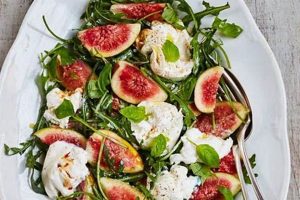
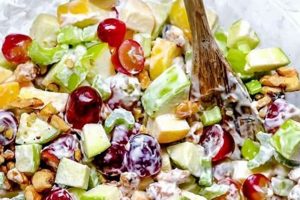
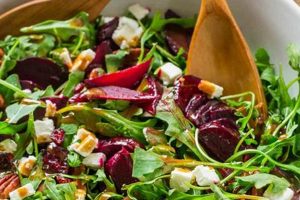
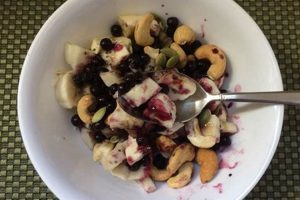
Nutrient-rich, plant-based salads offer a wide range of culinary possibilities. These dishes typically incorporate fresh produce, whole grains, legumes, nuts, seeds, and flavorful dressings made without animal products. Examples include a quinoa salad with roasted vegetables and a lemon-tahini dressing, or a lentil salad with chopped cucumbers, tomatoes, and a vinaigrette.
Such meals provide essential vitamins, minerals, and fiber, contributing to improved digestion, weight management, and reduced risk of chronic diseases. Historically, salads have evolved from simple combinations of raw greens to complex and flavorful dishes reflecting diverse culinary traditions and the growing emphasis on plant-forward diets. The increasing awareness of health and environmental sustainability has further propelled the popularity of these dishes.
This discussion will further explore the creation of these vibrant and wholesome meals, encompassing topics such as selecting ingredients, crafting balanced flavor profiles, and adapting recipes to individual dietary needs and preferences.
Tips for Creating Nutrient-Rich Vegetarian Salads
Crafting flavorful and nutritious vegetarian salads involves careful consideration of ingredients, textures, and dressings. These tips offer guidance for creating satisfying and healthful meals.
Tip 1: Prioritize Nutrient Density: Focus on incorporating a variety of colorful vegetables, offering a broad spectrum of vitamins and minerals. Dark leafy greens, such as spinach and kale, provide substantial nutritional value.
Tip 2: Embrace Whole Grains: Quinoa, farro, and brown rice add complex carbohydrates, fiber, and sustained energy. These ingredients contribute satisfying texture and substance.
Tip 3: Explore Legumes for Protein: Lentils, chickpeas, and black beans are excellent sources of plant-based protein, contributing to satiety and overall nutritional balance.
Tip 4: Incorporate Healthy Fats: Avocado, nuts, and seeds offer healthy fats, essential for nutrient absorption and promoting satiety. These additions also enhance flavor and texture.
Tip 5: Elevate with Herbs and Spices: Fresh herbs and spices enhance flavor complexity and offer potential health benefits. Experiment with various combinations to create unique and appealing flavor profiles.
Tip 6: Create Flavorful Dressings: Vinaigrettes made with olive oil, lemon juice, or vinegar offer a light and healthy dressing option. Tahini, blended with lemon juice and water, provides a creamy and nutrient-rich alternative.
Tip 7: Consider Seasonal Ingredients: Utilizing seasonal produce maximizes flavor and nutritional value, while supporting local agriculture.
Tip 8: Pre-Prep Ingredients: Washing, chopping, and storing ingredients in advance streamlines meal preparation, promoting consistency in consuming healthful meals.
By following these guidelines, individuals can create delicious and nutritious salads that contribute to overall well-being and a balanced diet.
The following section will delve into specific recipe examples and variations, illustrating the versatility and adaptability of vegetarian salads.
1. Fresh, Seasonal Produce

The foundation of exceptional vegetarian salads lies in the utilization of fresh, seasonal produce. This approach maximizes flavor, nutritional value, and supports sustainable agricultural practices. Selecting ingredients at their peak ripeness ensures optimal taste and nutrient density, contributing significantly to the overall quality and health benefits of the salad.
- Enhanced Flavor Profiles
Seasonal produce offers superior taste compared to out-of-season alternatives. Tomatoes bursting with summer sun or crisp autumn apples offer distinct flavor profiles unattainable through long-distance shipping and storage. Incorporating these vibrant flavors elevates the sensory experience of the salad, making it more enjoyable and appealing.
- Increased Nutrient Content
Fruits and vegetables harvested at their peak ripeness generally possess higher concentrations of vitamins, minerals, and antioxidants. Choosing seasonal ingredients ensures that salads provide maximum nutritional benefit, contributing to overall health and well-being. Locally sourced produce, often fresher, further enhances nutrient retention.
- Support for Sustainable Agriculture
Consuming seasonal produce reduces reliance on long-distance transportation and energy-intensive storage methods. This practice supports local farmers and reduces the environmental impact associated with food production and distribution. Choosing seasonal ingredients aligns with sustainable consumption patterns and promotes responsible resource management.
- Variety and Culinary Inspiration
The cyclical nature of seasons provides ongoing culinary inspiration. The changing availability of different fruits and vegetables encourages experimentation and creativity in salad preparation. Embracing seasonal ingredients offers opportunities to explore diverse flavor combinations and expand culinary horizons.
By prioritizing fresh, seasonal produce, individuals can elevate vegetarian salads from simple meals to vibrant, flavorful, and nutritionally rich culinary experiences. This approach not only enhances individual well-being but also contributes to a more sustainable and responsible food system.
2. Plant-Based Protein Sources

Plant-based protein sources are crucial for creating balanced and nutritious vegetarian salads. These ingredients provide essential amino acids necessary for various bodily functions, including tissue repair, hormone production, and immune system support. Incorporating diverse protein sources ensures salads contribute significantly to overall dietary protein intake while offering varied textures and flavors.
- Legumes
Legumes, including lentils, chickpeas, and various beans, represent versatile and readily available protein sources. Their diverse textures and flavors integrate seamlessly into various salad preparations. Lentils, for example, offer a hearty addition to grain-based salads, while chickpeas provide a creamy texture to salads featuring fresh vegetables and herbs. Legumes also contribute significant fiber, promoting digestive health.
- Tofu and Tempeh
Derived from soybeans, tofu and tempeh offer substantial protein content and adaptable culinary applications. Tofu’s neutral flavor absorbs surrounding flavors readily, making it suitable for marinated or seasoned preparations. Tempeh, with its firmer texture and nutty flavor, complements salads featuring roasted vegetables or robust dressings. Both contribute valuable nutrients, including iron and calcium.
- Nuts and Seeds
Nuts and seeds, while contributing healthy fats, also offer a valuable protein boost to salads. Almonds, walnuts, pumpkin seeds, and sunflower seeds provide textural variety and essential nutrients. These ingredients enhance flavor profiles, contributing richness and complexity. Their inclusion supports satiety and provides sustained energy.
- Ancient Grains
Certain ancient grains, such as quinoa and amaranth, offer a complete protein profile, meaning they contain all nine essential amino acids. These grains provide a substantial base for salads, contributing protein alongside complex carbohydrates and fiber. Their nutty flavors and varied textures enhance the overall sensory experience.
Strategic incorporation of these plant-based protein sources ensures vegetarian salads offer complete nutritional profiles. Combining complementary proteins, such as legumes with grains or nuts with seeds, maximizes amino acid availability and enhances the overall health benefits of these versatile and flavorful meals.
3. Whole Grains and Complex Carbohydrates

Whole grains and complex carbohydrates form an integral component of healthy vegetarian salad recipes, contributing essential nutrients and promoting satiety. Unlike refined grains, which undergo processing that removes vital nutrients and fiber, whole grains retain the entire grain kernelbran, germ, and endospermmaximizing their nutritional value. This inclusion offers sustained energy release, preventing blood sugar spikes and promoting stable energy levels throughout the day. Complex carbohydrates found in whole grains provide a valuable source of dietary fiber, supporting healthy digestion and contributing to feelings of fullness. This aids in weight management by reducing overall calorie intake and promoting healthy gut microbiota.
Quinoa, a complete protein source, exemplifies a nutrient-rich whole grain suitable for vegetarian salads. Its light, fluffy texture and mild flavor complement various ingredients, including roasted vegetables, legumes, and fresh herbs. Brown rice, another versatile option, provides a nutty flavor and chewy texture, enhancing salad compositions with robust dressings and hearty vegetables. Farro, with its slightly nutty taste and firm texture, offers a satisfying base for salads featuring seasonal produce and lighter dressings. These examples illustrate the diverse culinary applications of whole grains within vegetarian salad recipes.
Incorporating whole grains and complex carbohydrates into vegetarian salads enhances nutritional value and promotes sustained energy and satiety. This understanding empowers individuals to create balanced, healthful meals that support overall well-being. The strategic inclusion of these ingredients contributes to long-term health benefits and aligns with dietary guidelines emphasizing whole, unprocessed foods. Successfully integrating whole grains and complex carbohydrates requires considering flavor profiles, textures, and complementary ingredients to achieve balanced and appealing salad compositions.
4. Healthy Fats and Oils

Healthy fats and oils play a crucial role in healthy vegetarian salad recipes, contributing not only to flavor and texture but also to nutritional value and overall health benefits. These fats are essential for nutrient absorption, hormone production, and cell function. Incorporating the right types and amounts of fats elevates salads from simple meals to nutrient-dense powerhouses.
- Enhanced Nutrient Absorption
Fat-soluble vitamins, such as vitamins A, D, E, and K, require dietary fat for proper absorption. Incorporating healthy fats into salads ensures the body effectively utilizes these essential nutrients, contributing to optimal health and preventing deficiencies. For example, a salad with leafy greens and a vinaigrette containing olive oil facilitates the absorption of vitamin K, crucial for blood clotting and bone health.
- Improved Satiety and Flavor
Healthy fats contribute to satiety, promoting feelings of fullness and satisfaction after a meal. This helps regulate appetite and can contribute to weight management efforts. Additionally, fats enhance the flavor and palatability of salads, making them more enjoyable and encouraging consumption of nutrient-rich ingredients. The creamy texture of avocado, for instance, complements the crispness of vegetables, while a nutty tahini dressing adds depth and complexity.
- Sources of Essential Fatty Acids
Certain fats, like omega-3 and omega-6 fatty acids, are essential, meaning the body cannot produce them and must obtain them through diet. These fatty acids play vital roles in brain function, cardiovascular health, and inflammation regulation. Incorporating sources like flaxseed oil, walnuts, or chia seeds into salads helps ensure adequate intake of these crucial nutrients.
- Considerations for Oil Selection
Choosing the right oils is essential for maximizing health benefits. Extra virgin olive oil, known for its monounsaturated fats and antioxidant properties, is a versatile choice for salad dressings. Avocado oil offers a high smoke point, making it suitable for roasting vegetables before adding them to salads. Other options include flaxseed oil, walnut oil, and hemp seed oil, each with its unique flavor profile and nutritional composition.
The careful selection and incorporation of healthy fats and oils elevates vegetarian salads from simple meals to nutrient powerhouses, contributing to flavor, satiety, and essential nutrient absorption. Understanding the role and benefits of various fats empowers individuals to make informed choices, creating salads that support both culinary enjoyment and optimal health outcomes. By combining appropriate fats with other nutritious ingredients like vegetables, whole grains, and plant-based proteins, individuals can craft balanced and flavorful salads that contribute to a healthy and satisfying diet.
5. Flavorful Herbs and Spices

Flavorful herbs and spices are essential for elevating healthy vegetarian salad recipes beyond basic combinations of ingredients. They contribute depth, complexity, and aromatic nuances that transform simple salads into culinary experiences. Beyond enhancing taste, many herbs and spices offer potential health benefits, further enriching the nutritional profile of these plant-based meals.
- Culinary Enhancement
Herbs and spices offer a vast spectrum of flavors, allowing for endless culinary creativity within vegetarian salad recipes. Fresh basil adds a sweet, peppery note to tomato and mozzarella salads, while cilantro provides a bright, citrusy accent to black bean and corn salads. Dried spices, such as cumin and coriander, introduce warm, earthy notes to roasted vegetable salads. The strategic use of herbs and spices allows for customization and exploration of diverse flavor profiles.
- Health-Promoting Properties
Many herbs and spices possess antioxidant and anti-inflammatory properties, contributing potential health benefits beyond flavor enhancement. Turmeric, with its active compound curcumin, offers potent anti-inflammatory effects. Ginger, known for its digestive benefits, can be incorporated into dressings or added to salads featuring roasted root vegetables. The inclusion of such ingredients elevates salads to functional foods, offering potential health-protective properties alongside nutritional value.
- Reduced Sodium Dependence
Herbs and spices offer a flavorful alternative to excessive salt use in salad dressings and overall salad preparation. By relying on the inherent flavors of herbs and spices, individuals can reduce sodium intake, contributing to cardiovascular health. This approach promotes flavor complexity while aligning with dietary recommendations for sodium reduction.
- Versatility and Adaptability
Fresh herbs and dried spices offer diverse applications within vegetarian salad recipes. Fresh herbs can be incorporated whole, chopped, or blended into dressings. Dried spices can be used in marinades for roasted vegetables, sprinkled directly onto salads, or infused into oils for dressings. This versatility allows for customization based on individual preferences and culinary goals.
The strategic use of flavorful herbs and spices elevates healthy vegetarian salad recipes from basic nutritional meals to complex and satisfying culinary creations. This understanding empowers individuals to explore diverse flavor profiles, maximize nutritional value, and create salads that support both culinary enjoyment and overall well-being. By integrating a variety of herbs and spices, individuals can create a vibrant and health-conscious culinary experience.
6. Creative, Balanced Dressings

Dressings significantly influence the nutritional and sensory qualities of vegetarian salads. A balanced dressing complements the salad’s ingredients without overwhelming their flavors or compromising nutritional integrity. Creativity in dressing formulation expands culinary possibilities while adhering to health-conscious principles. Overly rich or processed dressings can negate the health benefits of fresh produce and other nutritious components. Conversely, a well-crafted dressing enhances flavor, improves palatability, and contributes to the overall nutritional value.
Consider a salad featuring roasted root vegetables, quinoa, and leafy greens. A heavy, creamy dressing might overshadow the earthy sweetness of the vegetables and the nutty flavor of the quinoa. Alternatively, a light vinaigrette made with extra virgin olive oil, lemon juice, and a touch of maple syrup enhances the natural flavors while contributing healthy fats and a touch of sweetness. Adding chopped fresh herbs, such as thyme or rosemary, further elevates the flavor profile without adding excess sodium or unhealthy fats. Similarly, a tahini-based dressing, made with tahini, lemon juice, water, and garlic, provides a creamy texture and nutty flavor that complements salads featuring chickpeas, roasted vegetables, or lentils.
Understanding the interplay between dressings and salad components is essential for creating healthy and flavorful vegetarian meals. Creative dressing formulation allows for exploration of diverse flavor profiles while maintaining nutritional balance. This approach recognizes the significant role dressings play in overall palatability and encourages informed choices that support both culinary enjoyment and health objectives. By prioritizing fresh, wholesome ingredients and employing thoughtful flavor combinations, individuals can create dressings that elevate vegetarian salads from basic to exceptional.
7. Nutrient Density and Variety
Nutrient density and variety are foundational principles in crafting truly healthy vegetarian salad recipes. Nutrient density refers to the concentration of vitamins, minerals, and other beneficial compounds relative to caloric content. Variety ensures a broad spectrum of nutrients is consumed, supporting diverse bodily functions and reducing the risk of nutrient deficiencies. These principles act synergistically to maximize the health benefits derived from vegetarian salads. A salad composed solely of iceberg lettuce, while low in calories, lacks the nutrient density of a salad incorporating kale, spinach, and other dark leafy greens, which offer substantial amounts of vitamins A, C, and K, as well as folate and other essential nutrients. Further enhancing nutrient density involves incorporating diverse ingredients such as colorful bell peppers, rich in antioxidants, or protein-rich legumes.
The practical significance of nutrient density and variety becomes evident when considering long-term health outcomes. Consuming a wide array of nutrient-rich foods supports optimal physiological function, strengthens the immune system, and reduces the risk of chronic diseases. For example, a salad combining various colorful vegetables, such as carrots, tomatoes, and red cabbage, provides a range of antioxidants linked to reduced cancer risk. Adding a source of healthy fats, like avocado or nuts, further enhances nutrient absorption and contributes to satiety, supporting healthy weight management. Conversely, a salad lacking variety and nutrient density, even if seemingly “healthy” due to low caloric content, may not provide adequate amounts of essential nutrients, potentially leading to deficiencies over time.
Prioritizing nutrient density and variety in vegetarian salad preparation optimizes health benefits and mitigates potential nutritional gaps. This understanding empowers individuals to make informed food choices, selecting ingredients that contribute to overall well-being. Practical application involves incorporating a diverse range of colorful vegetables, fruits, whole grains, legumes, nuts, and seeds into salads, ensuring a wide spectrum of essential nutrients. Consciously combining ingredients maximizes nutritional value and supports long-term health goals. Challenges may include access to diverse produce, time constraints for meal preparation, and potential food sensitivities. Overcoming these challenges involves strategic meal planning, utilizing frozen or canned produce when fresh options are limited, and exploring alternative ingredients based on individual dietary needs.
Frequently Asked Questions
This section addresses common inquiries regarding the creation and consumption of healthy vegetarian salads.
Question 1: How can vegetarian salads provide adequate protein?
Plant-based protein sources such as legumes (lentils, chickpeas, beans), tofu, tempeh, nuts, seeds, and certain grains like quinoa offer ample protein. Combining these sources ensures a complete amino acid profile.
Question 2: Are vegetarian salads always low in calories?
Caloric content depends on ingredient choices. While salads emphasizing vegetables and lean proteins tend to be lower in calories, additions like excessive cheese, nuts, or rich dressings can significantly increase caloric intake.
Question 3: Can vegetarian salads be satisfying and prevent hunger?
Incorporating fiber-rich ingredients like whole grains, legumes, and vegetables promotes satiety. Adding healthy fats from avocados, nuts, or seeds also contributes to feelings of fullness.
Question 4: What are some strategies for making vegetarian salads more flavorful?
Utilizing fresh herbs, spices, citrus zest, and a variety of textures through roasted vegetables, nuts, or seeds enhances flavor complexity. Creative, balanced dressings also play a key role.
Question 5: How can one ensure nutritional balance in a vegetarian salad?
Incorporating a variety of colorful vegetables, a source of plant-based protein, healthy fats, and complex carbohydrates ensures a balanced nutrient profile. Varying ingredients throughout the week further optimizes nutrient intake.
Question 6: Are there potential downsides to consuming large quantities of raw vegetables in salads?
Individuals with certain digestive sensitivities might experience discomfort from excessive raw vegetable consumption. Lightly steaming or roasting some vegetables can improve digestibility while retaining nutritional value.
Understanding these aspects facilitates informed decision-making regarding ingredient selection and salad preparation, promoting health-conscious and enjoyable meal choices.
The following section will explore specific recipe examples and variations, illustrating the versatility and adaptability of vegetarian salads.
Conclusion
Exploration of nutrient-rich, plant-based salad construction reveals the significant impact of ingredient selection, preparation methods, and mindful combination on nutritional value and culinary appeal. Prioritizing fresh, seasonal produce, diverse plant-based proteins, whole grains, healthy fats, and flavorful herbs and spices elevates these meals beyond basic sustenance. Strategic dressing selection complements inherent flavors without compromising nutritional integrity. Addressing considerations of nutrient density and variety underscores the potential of these dishes to contribute significantly to overall dietary balance and well-being.
The versatility and adaptability of these recipes accommodate diverse palates and dietary needs, offering a pathway to sustainable and health-conscious culinary practices. Continued exploration of flavor profiles, textures, and nutrient combinations promises further innovation within the realm of plant-focused cuisine, fostering both culinary satisfaction and enhanced individual well-being.