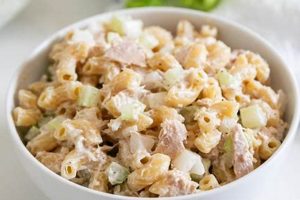
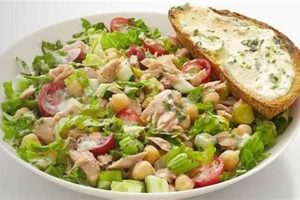
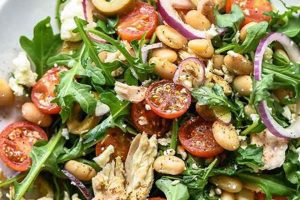
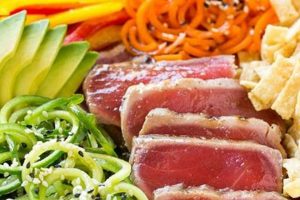
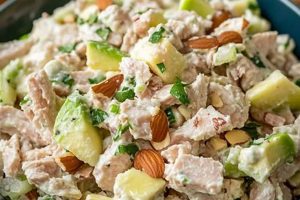
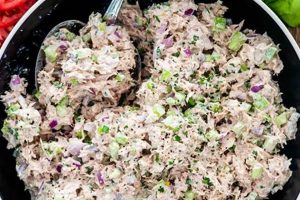
A superior preparation of this dish typically involves high-quality canned or fresh tuna, combined with complementary ingredients like mayonnaise, celery, onion, and seasonings. Variations can include additions such as grapes, apples, nuts, or different herbs and spices. A well-executed version offers a balance of flavors and textures, resulting in a satisfying and nutritious meal.
Achieving excellence in this classic dish provides a quick, versatile, and protein-rich meal option. Its adaptability allows for customization to individual preferences and dietary needs. Historically, tuna salad’s popularity surged with the rise of canned tuna in the early 20th century, becoming a staple in lunchboxes and quick meals. Its enduring appeal stems from its simplicity, affordability, and nutritional value.
This discussion will explore various aspects of crafting an exceptional tuna salad, covering ingredient selection, preparation techniques, and creative variations to elevate this simple dish to culinary excellence. Topics will include choosing the right tuna, balancing flavors, achieving optimal texture, and presenting the salad in appealing ways.
Tips for an Exceptional Tuna Salad
Elevating tuna salad from ordinary to extraordinary involves attention to detail and a focus on quality ingredients. These tips offer guidance on creating a truly memorable dish.
Tip 1: Select High-Quality Tuna: Opting for solid white albacore tuna packed in water or oil, or using fresh, sushi-grade tuna, significantly impacts the final flavor profile. Draining excess liquid thoroughly prevents a watery consistency.
Tip 2: Balance Mayonnaise: Mayonnaise serves as the binder and adds creaminess. Start with a smaller amount and adjust to achieve the desired consistency, avoiding an overly rich or dry result. Greek yogurt can be substituted for a lighter alternative.
Tip 3: Enhance with Fresh Ingredients: Finely diced celery and red onion provide essential crunch and flavor complexity. Incorporating fresh herbs like dill or parsley adds brightness.
Tip 4: Season Thoughtfully: Classic seasonings such as salt, black pepper, and a touch of lemon juice enhance the tuna’s natural flavors. Experimenting with Dijon mustard, paprika, or celery seed can add depth.
Tip 5: Consider Textural Variety: Chopped nuts like walnuts or pecans introduce a satisfying crunch. Adding chopped grapes or apples offers a touch of sweetness and contrasting texture.
Tip 6: Chill Before Serving: Allowing the flavors to meld in the refrigerator for at least 30 minutes enhances the overall taste experience.
Tip 7: Serve Creatively: Move beyond sandwiches and explore serving tuna salad on crackers, in lettuce cups, or atop a bed of greens.
By following these guidelines, one can consistently produce tuna salad that is both flavorful and satisfying, transforming a simple dish into a culinary delight.
These insights provide a foundation for creating exceptional tuna salad. The following section will offer variations and further inspiration for customizing this versatile dish.
1. High-Quality Tuna
High-quality tuna plays a pivotal role in achieving a truly exceptional tuna salad. The tuna’s inherent flavor and texture significantly influence the final product. Opting for premium tuna, such as solid white albacore packed in olive oil or high-grade sushi-quality tuna, yields a noticeably superior result compared to using lower-quality, chunk light tuna packed in water. The difference lies in the tuna’s firmer texture, cleaner flavor profile, and richer oil content, all of which contribute to a more satisfying and flavorful salad. For example, using albacore tuna packed in olive oil imbues the salad with a subtle richness and a smoother texture, enhancing the overall culinary experience.
The impact of tuna quality extends beyond flavor. Higher-quality tuna typically contains fewer additives and preservatives, aligning with a focus on healthier eating. The firmer texture of premium tuna also holds its shape better when mixed with other ingredients, preventing a mushy consistency that can occur with lower-quality tuna. This textural integrity is crucial for achieving a visually appealing and palate-pleasing salad. Consider the difference between a salad made with flaky albacore that maintains distinct pieces and one made with chunk light tuna that breaks down into smaller, less defined fragments. The former offers a more enjoyable eating experience.
Understanding the connection between high-quality tuna and a superior tuna salad allows for informed ingredient selection. While cost considerations may factor into purchasing decisions, prioritizing tuna quality elevates the final dish, justifying the investment. The enhanced flavor, texture, and overall dining experience derived from using premium tuna contribute significantly to a truly great tuna salad recipe, transforming a simple dish into a culinary delight. This principle underscores the importance of ingredient quality in achieving culinary excellence, demonstrating that even seemingly basic recipes benefit from thoughtful component selection.
2. Balanced Flavors
Balance constitutes a cornerstone of a superior tuna salad. The interplay of savory, acidic, and textural elements distinguishes a truly exceptional preparation from a mediocre one. Over-reliance on mayonnaise, for example, can create an overly rich, cloying result. Conversely, insufficient mayonnaise or a lack of acidic components can lead to a dry, bland salad. A successful recipe balances the richness of the mayonnaise with the brightness of acidic elements like lemon juice or vinegar, and the crispness of fresh vegetables such as celery and red onion. Consider a classic tuna salad recipe: the creamy mayonnaise complements the savory tuna, while the acidity of lemon juice cuts through the richness, and the crunch of celery provides textural contrast. This harmonious blend of flavors and textures elevates the dish beyond a simple combination of ingredients.
Achieving this balance requires careful consideration of ingredient proportions and flavor profiles. The specific type of tuna also plays a role oil-packed tuna contributes richness, while water-packed tuna offers a leaner base requiring adjustments in other ingredients to achieve the desired balance. Furthermore, the choice of seasonings and additional ingredients, such as herbs, spices, or chopped fruits and nuts, can further influence the overall flavor profile. Adding Dijon mustard, for example, introduces a tangy complexity, while incorporating chopped apples provides a contrasting sweetness and textural variation. These nuances underscore the importance of thoughtful ingredient selection and proportioning in achieving a well-balanced and flavorful outcome.
Understanding the significance of balanced flavors empowers one to create a truly exceptional tuna salad. It provides a framework for making informed ingredient choices and adjustments, leading to a more satisfying culinary experience. This knowledge translates to practical application in the kitchen, enabling individuals to customize their tuna salad recipes to suit individual preferences while maintaining a harmonious balance of flavors. The resulting dish not only tastes better but also exemplifies the culinary principle that balance forms the foundation of any successful recipe.
3. Optimal Texture

Texture plays a crucial role in the overall enjoyment of tuna salad. A successful recipe considers the interplay of various textural elements, creating a balanced and satisfying sensory experience. The desired texture often involves a combination of creamy, crunchy, and flaky components, each contributing to the dish’s appeal.
- Tuna Flake Size
The size of the tuna flakes significantly influences the salad’s texture. Large, intact flakes provide a more substantial, meaty texture, while smaller, broken-down pieces result in a smoother, almost paste-like consistency. The ideal texture often lies somewhere in between, with flakes that are distinct yet not overly large or chunky. Over-processing the tuna can lead to an undesirable mushy texture. For example, canned tuna packed in oil typically offers larger, firmer flakes compared to tuna packed in water, which tends to be more fragmented.
- Ingredient Size and Shape
The size and shape of additional ingredients, such as celery, onions, and other vegetables, contribute to the overall textural complexity. Finely diced celery and onions provide a subtle crunch, contrasting with the softer texture of the tuna and mayonnaise. Larger pieces create a more pronounced textural contrast. The choice of cut depends on personal preference and the desired level of textural variation. Consider the difference between a salad with finely minced celery and one with larger, more coarsely chopped celery; the former offers a more delicate crunch, while the latter provides a more robust textural element.
- Mayonnaise Consistency
Mayonnaise serves as the binder and contributes significantly to the salad’s creaminess. The amount of mayonnaise used directly impacts the final texture. Too much mayonnaise results in a gloppy, overly rich salad, while too little can lead to a dry, crumbly texture. The ideal consistency is creamy and smooth, coating the other ingredients without overwhelming them. Using a thicker mayonnaise can create a denser, more substantial texture, while a thinner mayonnaise yields a lighter, more delicate result.
- Textural Contrasts
Adding ingredients that provide textural contrast enhances the overall sensory experience. Chopped nuts, such as walnuts or pecans, introduce a satisfying crunch, while incorporating ingredients like grapes or apples offers a contrasting sweetness and a slightly firmer texture. These additions create a more dynamic and engaging mouthfeel, preventing the salad from becoming monotonous. The interplay of creamy, crunchy, and slightly sweet elements elevates the dish beyond a simple tuna salad.
These textural considerations are essential for creating a truly great tuna salad. Achieving the optimal balance of textures transforms a simple combination of ingredients into a delightful culinary experience. The interplay of flaky tuna, crunchy vegetables, creamy mayonnaise, and other textural elements distinguishes an exceptional tuna salad from a mediocre one. By understanding the impact of these textural components, one can create a dish that is not only flavorful but also offers a satisfying and enjoyable mouthfeel.
4. Fresh Ingredients
Fresh ingredients are essential for elevating tuna salad from ordinary to extraordinary. Their vibrancy and crispness contribute significantly to the overall flavor, texture, and appeal of the dish. While canned or jarred ingredients offer convenience, fresh components introduce a brightness and complexity that enhance the culinary experience. This section explores the vital role fresh ingredients play in crafting a truly great tuna salad.
- Aromatic Vegetables
Aromatic vegetables, such as celery and red onion, provide crucial flavor and textural dimensions. Their crispness contrasts with the creamy texture of the mayonnaise and tuna, adding a refreshing bite. Celery contributes a slightly herbaceous, vegetal note, while red onion offers a pungent sharpness that cuts through the richness of the other ingredients. The use of fresh, as opposed to pre-chopped or dehydrated, vegetables ensures optimal flavor and texture, enhancing the overall quality of the tuna salad.
- Fresh Herbs
Fresh herbs introduce a layer of complexity and aromatic depth to tuna salad. Dill, parsley, chives, and tarragon are popular choices, each offering a unique flavor profile. Dill provides a slightly tangy, anise-like flavor, while parsley contributes a clean, herbaceous note. Chives offer a mild onion flavor, and tarragon adds a subtle licorice nuance. Freshly chopped herbs are preferred over dried herbs, as their volatile oils provide a more intense and vibrant flavor, significantly enhancing the overall sensory experience.
- Citrus Elements
Freshly squeezed lemon or lime juice adds brightness and acidity, balancing the richness of the mayonnaise and tuna. Citrus juice also acts as a natural preservative, helping to maintain the freshness of the other ingredients. The zest of lemon or lime can be added for an extra layer of citrusy aroma. Freshly squeezed juice is superior to bottled juice, offering a more vibrant and authentic flavor profile. The acidity of citrus juice not only enhances the flavor of the tuna salad but also helps to create a more balanced and refreshing overall taste.
- Textural Enhancements
Fresh ingredients like chopped apples, grapes, or water chestnuts offer intriguing textural contrasts. Apples introduce a slight sweetness and crispness, grapes provide a juicy burst, and water chestnuts offer a satisfying crunch. These additions create a more dynamic and engaging mouthfeel, preventing the salad from becoming monotonous. Fresh, crisp ingredients are crucial for maintaining these textural contrasts, enhancing the overall enjoyment of the tuna salad.
The incorporation of these fresh ingredients transforms tuna salad from a simple combination of ingredients into a vibrant and flavorful dish. The interplay of fresh aromatic vegetables, herbs, citrus elements, and textural enhancements creates a complex and satisfying sensory experience, demonstrating the crucial role fresh ingredients play in crafting a truly exceptional tuna salad recipe.
5. Thoughtful Seasonings
Seasoning is fundamental to a great tuna salad recipe. It elevates the dish beyond simple ingredients, creating depth and complexity. Thoughtful seasoning involves more than simply adding salt and pepper; it requires careful consideration of flavor profiles and how they interact with the other components of the salad. This exploration delves into the nuances of seasoning and its impact on creating an exceptional tuna salad.
- Balancing Basic Seasonings
Salt and pepper are foundational seasonings, enhancing the inherent flavors of the tuna and other ingredients. However, achieving the correct balance is crucial. Too much salt can overpower the delicate flavors, while too little can result in a bland salad. Freshly ground black pepper adds a subtle heat and complexity, further enhancing the overall flavor profile. The quality of salt and pepper also matters; using sea salt or kosher salt and freshly ground black peppercorns offers a noticeable improvement over standard table salt and pre-ground pepper.
- Enhancing with Acidity
Acidity plays a crucial role in balancing the richness of the mayonnaise and tuna. A squeeze of fresh lemon juice or a splash of vinegar brightens the flavors and adds a refreshing tang. The type of acid used can also influence the final flavor profile. Lemon juice provides a classic citrusy note, while white wine vinegar offers a slightly sharper, more complex flavor. The amount of acid should be carefully balanced to complement the other ingredients without overpowering them.
- Layering with Herbs and Spices
Fresh herbs and spices contribute depth and complexity to tuna salad. Dill, parsley, chives, and tarragon are popular choices, each offering a unique flavor profile. Dill provides a slightly tangy, anise-like flavor, while parsley contributes a clean, herbaceous note. A pinch of dried spices, such as paprika, celery seed, or onion powder, can further enhance the overall flavor profile. The key is to use these ingredients judiciously, allowing the natural flavors of the tuna and other ingredients to shine through.
- Mustard’s Multifaceted Role
Mustard acts as both a seasoning and an emulsifier in tuna salad. It adds a tangy complexity while also helping to bind the ingredients together. Different types of mustard offer varying flavor profiles. Dijon mustard provides a sharp, pungent flavor, while yellow mustard offers a milder, slightly sweeter taste. The choice of mustard depends on personal preference and the desired overall flavor profile of the salad.
Thoughtful seasoning is the key to transforming a simple tuna salad into a culinary masterpiece. The careful balance of basic seasonings, acidity, herbs, spices, and mustard elevates the dish, creating a complex and satisfying flavor profile. Understanding the nuances of seasoning empowers one to create a tuna salad that is not only delicious but also reflects a nuanced understanding of flavor dynamics. This attention to detail distinguishes a truly great tuna salad recipe from a mediocre one, demonstrating that even seemingly simple dishes benefit from thoughtful consideration of flavor components.
6. Creative Presentation
Presentation significantly impacts the perceived value and enjoyment of any dish, including tuna salad. While flavor and texture remain paramount, creative presentation elevates tuna salad from a simple meal to a visually appealing and engaging culinary experience. This exploration delves into the connection between creative presentation and a truly great tuna salad recipe.
- Beyond the Sandwich
Tuna salad often finds itself confined to sandwiches, but its versatility extends far beyond this classic preparation. Consider serving tuna salad in lettuce cups for a lighter, low-carb option. Stuffed tomatoes or avocados offer visually appealing and flavorful vessels. Crackers or cucumber slices provide elegant platforms for smaller portions. These alternatives not only enhance the visual appeal but also offer textural variations, adding to the overall dining experience. Moving beyond the sandwich expands the possibilities of tuna salad, showcasing its adaptability.
- Elevating with Garnishes
Garnishes transform a simple scoop of tuna salad into a visually enticing creation. A sprinkle of paprika adds a touch of color and subtle smokiness. Fresh herbs, such as dill or parsley, provide a vibrant green contrast and aromatic complexity. A wedge of lemon adds visual appeal and a burst of fresh citrus flavor. Even a simple arrangement of crackers or chips alongside the salad enhances the overall presentation. Garnishes demonstrate attention to detail, elevating the perceived value of the dish.
- Plating Techniques
The way tuna salad is plated influences its visual appeal. Instead of simply scooping it onto a plate, consider using a ring mold to create a more defined and elegant presentation. A bed of lettuce adds color and texture, framing the tuna salad. Arranging the salad alongside complementary elements, such as sliced tomatoes, cucumbers, or hard-boiled eggs, enhances the visual appeal and creates a more complete and balanced meal. Thoughtful plating demonstrates care and attention, transforming a casual meal into a more refined dining experience.
- Contextual Considerations
The context in which tuna salad is served also influences its presentation. For a casual lunch, a simple scoop of salad on a bed of lettuce might suffice. However, for a more formal occasion, a more elaborate presentation, such as individual portions in elegant serving dishes or creatively arranged on a platter, elevates the dish. The context dictates the level of formality and the appropriate presentation style. Adapting the presentation to the occasion demonstrates culinary awareness and enhances the overall dining experience.
Creative presentation transforms tuna salad from a simple staple into a culinary expression. By considering the vessel, garnishes, plating techniques, and context, one can elevate this classic dish, enhancing its visual appeal and overall enjoyment. The combination of thoughtful presentation and well-executed flavor and texture distinguishes a truly great tuna salad recipe, demonstrating that culinary excellence extends beyond taste to encompass the entire dining experience.
7. Proper Chilling
Proper chilling is integral to a great tuna salad recipe, impacting both food safety and flavor development. Chilling allows the flavors of the various ingredientstuna, mayonnaise, vegetables, seasoningsto meld and harmonize. This process, akin to marinating, deepens the overall flavor profile, resulting in a more complex and satisfying culinary experience. Without sufficient chilling, the individual flavors remain distinct, lacking the cohesive integration that characterizes a truly exceptional tuna salad. Consider a scenario where two identical tuna salads are prepared; one is chilled for an hour, while the other is served immediately. The chilled salad will exhibit a more unified and nuanced flavor profile, demonstrating the transformative power of proper chilling.
Beyond flavor enhancement, proper chilling is crucial for food safety. Tuna salad, containing mayonnaise and often other perishable ingredients, provides an ideal environment for bacterial growth if left at room temperature for extended periods. Chilling inhibits bacterial proliferation, mitigating the risk of foodborne illness. Adhering to food safety guidelines, such as refrigerating the tuna salad promptly after preparation and maintaining a refrigerator temperature below 40F (4C), ensures the dish remains safe for consumption. This practice not only protects consumers but also preserves the quality and integrity of the ingredients, preventing spoilage and maintaining optimal flavor and texture. Neglecting proper chilling can have significant consequences, jeopardizing both enjoyment and well-being.
Chilling, therefore, represents a critical step in crafting a great tuna salad recipe. It transcends mere convenience, serving as a catalyst for flavor development and a safeguard against foodborne illness. Understanding the dual importance of proper chilling empowers individuals to create tuna salad that is both delicious and safe to consume. This knowledge translates into practical application in the kitchen, ensuring that every tuna salad experience is both enjoyable and risk-free. This principle underscores the often-overlooked significance of temperature control in culinary practices, demonstrating its profound impact on both flavor and food safety.
Frequently Asked Questions
This section addresses common inquiries regarding the preparation and enjoyment of exceptional tuna salad.
Question 1: What type of tuna is best suited for tuna salad?
While various tuna types can be utilized, higher-quality options like solid white albacore tuna packed in oil or fresh, sushi-grade tuna yield superior flavor and texture compared to chunk light tuna. Albacore offers a firmer, flakier consistency and a more delicate flavor profile.
Question 2: How can excessive mayonnaise be avoided?
Mayonnaise should be incorporated gradually, starting with a smaller quantity than anticipated. The mixture should be assessed after each addition, ensuring the desired consistency is achieved without becoming overly rich or saturated. Greek yogurt can be substituted for a portion of the mayonnaise to create a lighter, tangier variation.
Question 3: What are effective methods for enhancing flavor complexity?
Fresh herbs such as dill, parsley, or chives, along with finely diced red onion and celery, introduce depth and complexity. Seasonings such as Dijon mustard, lemon zest, or a pinch of cayenne pepper can further elevate the flavor profile. Experimentation with various spices and flavor combinations is encouraged to discover preferred taste profiles.
Question 4: How can proper food safety practices be ensured when preparing tuna salad?
Refrigeration is paramount. Ingredients should be kept chilled until preparation, and the finished salad should be promptly refrigerated, ideally within two hours. Maintaining a refrigerator temperature below 40F (4C) inhibits bacterial growth and preserves freshness. Consuming the tuna salad within three to five days is recommended.
Question 5: What are some creative serving suggestions beyond the traditional sandwich?
Tuna salad offers versatility beyond sandwiches. Lettuce wraps provide a lighter, low-carbohydrate option. Serving the salad with crackers, on cucumber slices, or stuffed into tomatoes or avocados offers diverse presentations. Incorporating the salad into a larger dish, such as a composed salad or as a topping for baked potatoes, expands its culinary applications.
Question 6: Can tuna salad be frozen?
Freezing tuna salad is generally not recommended. The mayonnaise-based dressing can separate and become watery upon thawing, negatively impacting texture. Freezing can also affect the flavor and texture of the other ingredients, diminishing the overall quality of the salad.
Understanding these key aspects contributes to creating exceptional tuna salad that is both flavorful and safe to enjoy.
The following section will offer a curated collection of recommended tuna salad recipes.
Crafting a Great Tuna Salad Recipe
This exploration has delved into the multifaceted aspects of crafting exceptional tuna salad. From the selection of premium ingredients to the nuances of seasoning and presentation, each element contributes to the overall culinary experience. The importance of ingredient quality, specifically choosing high-grade tuna, forms the foundation of a superior salad. Balancing flavors, achieving optimal texture through ingredient preparation and mindful mayonnaise incorporation, and employing thoughtful seasoning practices further enhance the dish. Creative presentation elevates tuna salad beyond a simple meal, transforming it into a visually appealing and engaging culinary creation. Proper chilling techniques not only enhance flavor development but also ensure food safety, underscoring the importance of temperature control in culinary practices. Addressing common inquiries regarding ingredient selection, flavor enhancement, and food safety provides practical guidance for culinary enthusiasts.
The pursuit of a great tuna salad recipe represents a journey of culinary discovery. By understanding and applying these principles, individuals can elevate this classic dish, transforming simple ingredients into a culinary delight. This exploration serves as a guide, empowering culinary enthusiasts to embark on their own creative endeavors, experimenting with flavors, textures, and presentations to achieve tuna salad perfection. The potential for innovation within this seemingly simple dish remains vast, inviting continued exploration and refinement within the culinary landscape.