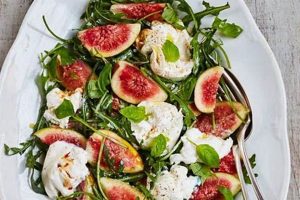
This refreshing dish typically combines fresh or dried cranberries with marshmallows, often incorporating other ingredients such as oranges, apples, pecans, walnuts, and celery. A creamy dressing, frequently made with whipped cream or sour cream, binds the components together. Variations exist, including the addition of pineapple, Jell-O, or cream cheese, offering diverse flavor profiles.
The sweet-tart flavor combination, coupled with the diverse textures offered by the ingredients, makes this a popular side dish, particularly during holiday meals like Thanksgiving and Christmas. Its festive appearance and relatively simple preparation contribute to its enduring appeal. Historically, the availability of canned cranberry sauce and packaged marshmallows in the mid-20th century simplified the process, furthering its popularity and establishing it as a holiday staple.
Further exploration will cover common variations, ingredient selection tips, preparation methods, and serving suggestions for this festive dish.
Tips for a Successful Cranberry Salad
Achieving the ideal balance of flavors and textures in a cranberry salad requires attention to detail. The following tips offer guidance for optimal results.
Tip 1: Cranberry Selection: Fresh cranberries offer a tartness balanced by the sweetness of other ingredients. Dried cranberries, while convenient, require less sugar in the overall recipe. Consider the desired tartness level when selecting.
Tip 2: Marshmallow Matters: Miniature marshmallows maintain their shape better than larger ones, especially if the salad sits for a while. Consider using a combination of sizes for visual appeal and textural variation.
Tip 3: Balancing Sweetness: The sweetness of marshmallows and potential additions like pineapple or orange sections should be balanced by the tartness of cranberries. Taste and adjust sugar levels in the dressing accordingly.
Tip 4: Enhancing Texture: Toasted pecans or walnuts offer a welcome crunch and nutty flavor. Consider adding chopped celery for a contrasting crispness.
Tip 5: Dressing Considerations: Whipped cream provides lightness, while sour cream offers a tangier profile. Cream cheese adds richness and can be blended for a smoother texture. Chill the dressing thoroughly before combining with other ingredients.
Tip 6: Maceration and Timing: Allowing the salad to sit for a period, ideally a few hours or overnight, allows the flavors to meld and the cranberries to soften slightly. This also allows the marshmallows to absorb some of the dressing’s flavor.
Tip 7: Presentation: Serve the salad chilled in a decorative bowl. Garnish with a few extra cranberries, nuts, or a sprig of mint for an enhanced visual appeal.
By following these tips, one can create a cranberry salad that delivers a delightful balance of sweet, tart, and creamy elements with a satisfying textural complexity.
The provided guidance offers a pathway towards creating a truly memorable cranberry salad experience. The following section will conclude with final thoughts and serving suggestions.
1. Cranberries (fresh or dried)

Cranberries serve as the foundational ingredient, providing the characteristic tart flavor profile that defines this dish. The choice between fresh and dried cranberries significantly impacts the final product’s overall character. Fresh cranberries offer a brighter, more pronounced tartness, necessitating careful balancing of sweetness in the other components. Dried cranberries, having undergone a dehydration process that concentrates their sugars, contribute a milder tartness and often require less added sugar in the recipe. This distinction allows for tailored flavor profiles based on individual preferences and desired intensity.
Consider a scenario where fresh cranberries are employed. Their inherent tartness demands a sweeter dressing or the inclusion of additional sweet elements like candied ginger or orange sections to achieve balance. Conversely, utilizing dried cranberries might necessitate reducing the amount of sugar in a whipped cream dressing or opting for a less sweet base like Greek yogurt. Practical applications of this understanding include adjusting sweetness levels based on cranberry type, incorporating complementary ingredients to enhance the flavor profile, and anticipating the overall sensory experience. For instance, a salad featuring fresh cranberries and a lighter dressing might provide a refreshing contrast to a rich main course, while a salad made with dried cranberries and a creamier dressing might better accompany lighter fare.
Ingredient selection, therefore, directly influences the final product. Appreciating the nuances between fresh and dried cranberries empowers informed decision-making, enabling the creation of a dish tailored to specific taste preferences. This knowledge is crucial for achieving a well-balanced and enjoyable cranberry salad, demonstrating the importance of understanding individual ingredient characteristics in the broader context of recipe development. The careful interplay between tartness and sweetness remains a critical factor for success.
2. Marshmallows
Marshmallows contribute a distinct sweetness and textural element crucial to the overall success of cranberry salad. Their soft, airy consistency contrasts with the tart cranberries and any added nuts or fruits, creating a multi-dimensional sensory experience. Beyond textural contrast, marshmallows absorb flavors from the surrounding ingredients, particularly the dressing, acting as small sponges that infuse the salad with an additional layer of sweetness. This absorption also contributes to the marshmallows’ softening over time, leading to a gradual textural shift in the salad as it sits. For example, a freshly made cranberry salad might present a more pronounced contrast between firm marshmallows and other ingredients. However, after a few hours, the marshmallows absorb the dressing, resulting in a softer texture and a more integrated flavor profile throughout the salad.
The quantity of marshmallows influences the overall sweetness and texture of the salad. A higher marshmallow-to-cranberry ratio yields a sweeter, softer salad, while a lower ratio allows the cranberry tartness to dominate. This balance necessitates careful consideration of individual preferences and the desired final product. The size of the marshmallows also plays a role. Smaller marshmallows distribute more evenly and absorb flavors more readily due to their higher surface area-to-volume ratio. Larger marshmallows offer a more substantial chew and take longer to soften. Some recipes even incorporate a combination of sizes to achieve a balance of textures and flavor absorption rates. Consider a holiday gathering where a cranberry salad prepared with miniature marshmallows might be preferred for its smoother texture and even sweetness distribution. Conversely, a salad made with larger marshmallows could be a suitable choice for a smaller gathering where a more pronounced marshmallow presence is desired.
Understanding the function of marshmallows within the cranberry salad ecosystem allows for controlled manipulation of both flavor and texture. Careful consideration of marshmallow quantity, size, and their interaction with other ingredients becomes paramount to achieving a balanced and desirable outcome. Challenges such as preventing excessive marshmallow softening can be addressed by controlling maceration time and dressing consistency. This understanding directly relates to the overall objective of creating a harmonious blend of flavors and textures, contributing significantly to the cranberry salad’s unique appeal.
3. Sweetener (sugar/syrup)
Sweetener plays a critical role in balancing the tartness of cranberries in a cranberry salad recipe with marshmallows. The type and amount of sweetener used significantly influence the final flavor profile, impacting the overall balance and enjoyment of the dish. Careful consideration of sweetener choices is essential for achieving a harmonious blend of sweet and tart elements.
- Granulated Sugar:
Granulated sugar offers a straightforward approach to sweetening cranberry salad. Its neutral flavor profile allows the tartness of the cranberries to shine while providing a clean sweetness. Dissolving granulated sugar directly into the dressing ensures even distribution throughout the salad. The amount used can be easily adjusted to achieve the desired level of sweetness, offering flexibility in recipe customization. For example, a recipe might call for to cup of granulated sugar depending on the desired sweetness and the tartness of the cranberries used.
- Simple Syrup:
Simple syrup, a solution of sugar dissolved in water, offers a more refined sweetness and contributes to the dressing’s consistency. Its smooth texture integrates seamlessly, preventing grittiness sometimes associated with undissolved granulated sugar. Simple syrup also allows for the infusion of additional flavors, such as vanilla or citrus zest, by adding these elements during the syrup’s preparation. This versatility makes simple syrup a valuable tool for enhancing the complexity of the cranberry salad’s flavor profile. A simple syrup infused with orange zest, for instance, can complement the flavors of orange segments within the salad itself.
- Alternative Sweeteners:
Alternatives like honey, maple syrup, or agave nectar introduce unique flavor profiles to the cranberry salad. Honey imparts a floral sweetness, while maple syrup offers a distinct caramel-like note. Agave nectar provides a milder, almost neutral sweetness. These alternatives, while offering interesting flavor dimensions, necessitate careful consideration of their intensity and potential impact on the overall balance of the salad. For example, using honey might require adjustments in the amount of other sweet ingredients to prevent overpowering the cranberry’s tartness. These alternatives also influence the final texture and color of the dressing.
- Sweetness Level Adjustment:
The optimal sweetness level depends on personal preference and the balance of other ingredients. Factors such as cranberry tartness (fresh vs. dried), the presence of other sweet elements (orange sections, pineapple chunks), and the sweetness of the chosen dressing (whipped cream vs. sour cream) necessitate adjustments in the amount of added sweetener. Tasting and adjusting throughout the preparation process remains crucial. Starting with a smaller amount of sweetener and gradually increasing until the desired balance is achieved prevents over-sweetening. This iterative approach allows for fine-tuning and ensures a harmonious final product.
The careful selection and application of sweeteners contribute significantly to a well-balanced and enjoyable cranberry salad. Balancing the inherent tartness of cranberries with the chosen sweetener, whether it’s the clean sweetness of granulated sugar, the nuanced flavor of simple syrup, or the distinctive notes of alternative sweeteners, ultimately determines the overall harmony of flavors. The interplay between sweetness and tartness, in conjunction with the other ingredients’ contributions, defines the sensory experience and reinforces the importance of sweetener as a key component in cranberry salad preparation.
4. Dressing (whipped cream/sour cream)

The dressing serves as a unifying element in cranberry salad, binding the diverse ingredients and contributing significantly to the overall flavor and textural profile. The choice of dressing, whether whipped cream or sour cream based, profoundly influences the final product’s character. Whipped cream lends an airy lightness and a subtly sweet backdrop that allows the tartness of the cranberries to shine. Its delicate texture complements the soft marshmallows and provides a creamy counterpoint to any added nuts or fruits. Sour cream, conversely, introduces a tangy complexity, balancing the sweetness of the marshmallows and adding a refreshing dimension to the salad. Its thicker consistency creates a more substantial coating for the ingredients, resulting in a richer, denser mouthfeel.
The interplay between dressing and other ingredients is crucial. A whipped cream dressing, for instance, might pair well with fresh cranberries and a medley of citrus fruits, creating a light and refreshing salad. A sour cream dressing, on the other hand, might complement dried cranberries, toasted nuts, and chopped celery, yielding a richer, more savory profile. Consider a holiday meal where a lighter, whipped cream-based cranberry salad offers a refreshing contrast to heavier dishes. Alternatively, a tangier, sour cream-based salad might provide a welcome counterpoint to a milder main course. The choice of dressing directly influences the salad’s compatibility with other elements of the meal. Practical applications include adjusting dressing flavor profiles to complement specific ingredients, such as incorporating orange zest into a whipped cream dressing to enhance the flavor of added orange segments. Balancing sweetness and tartness within the dressing itself is also key. Adding a touch of powdered sugar to whipped cream or a drizzle of honey to sour cream can fine-tune the overall flavor profile.
Understanding the role of the dressing in cranberry salad enables informed decision-making regarding ingredient pairings and flavor balancing. Recognizing the textural and flavor contributions of whipped cream versus sour cream allows for tailored customization, resulting in a salad that harmoniously integrates all components. Successfully navigating the interplay between dressing and other ingredients contributes significantly to the overall enjoyment and balance of this classic dish. Challenges, such as preventing a whipped cream dressing from becoming watery or a sour cream dressing from becoming too thick, can be addressed through careful attention to ingredient temperatures and mixing techniques. This knowledge ultimately empowers the creation of a cranberry salad that not only satisfies individual preferences but also complements the broader culinary context in which it is served.
5. Optional additions (nuts/fruits)
Optional additions, primarily nuts and fruits, introduce complexity and textural contrast to the foundational elements of cranberry salad. These additions expand the flavor profile beyond the sweet-tart interplay of cranberries and marshmallows, offering opportunities for customization and enhanced sensory experiences. Careful selection of these supplementary ingredients allows for tailoring the salad to individual preferences and specific occasions.
- Nuts:
Nuts contribute a satisfying crunch and rich, savory notes that complement the sweetness of the salad. Common choices include pecans, walnuts, and almonds. Toasted nuts further enhance their flavor, adding a depth that contrasts with the brighter notes of the fruit components. Pecans, for example, offer a buttery richness, while walnuts provide a slightly earthy counterpoint. The choice of nuts can significantly influence the overall flavor profile, transforming the salad from a simple sweet-tart combination to a more complex and nuanced dish.
- Fruits:
Fruits broaden the flavor spectrum and introduce textural variations. Popular additions include oranges, apples, pineapple, and grapes. Oranges contribute a citrusy brightness and juicy segments that burst with flavor, while diced apples offer a crisp, slightly tart counterpoint. Pineapple introduces a tropical sweetness, and grapes provide a juicy pop. These additions complement the cranberries while adding their own distinct characteristics. The interplay of various fruits creates a multi-layered flavor experience, elevating the salad beyond its core components.
- Balancing Flavors and Textures:
The selection of nuts and fruits should consider the existing flavor profile of the cranberry salad. A salad featuring fresh cranberries and a light whipped cream dressing might benefit from the addition of crisp apples and toasted pecans, enhancing the refreshing character. Conversely, a salad made with dried cranberries and a richer sour cream dressing might pair well with segments of orange and chopped walnuts, creating a denser, more complex flavor profile. Balancing textures is equally important. Combining crunchy nuts with softer fruits creates a dynamic interplay that elevates the overall sensory experience.
- Seasonal Considerations:
Seasonal fruits offer opportunities to incorporate fresh, locally available ingredients. During the fall and winter months, apples, pears, and pomegranates can enhance the festive character of the salad. In spring and summer, berries, mangoes, and other seasonal fruits provide refreshing alternatives. Utilizing seasonal ingredients adds a dynamic element to the cranberry salad, allowing for variations throughout the year and showcasing the versatility of this classic dish.
The considered inclusion of nuts and fruits elevates the cranberry salad from a simple combination of ingredients to a more complex and nuanced dish. By thoughtfully selecting complementary flavors and textures, these additions contribute to a more satisfying and dynamic sensory experience. The ability to tailor the salad with seasonal fruits and preferred nuts offers endless possibilities for customization, ensuring its continued appeal and adaptability to diverse palates and occasions. The interplay between these optional additions and the core ingredients ultimately defines the character of the cranberry salad, transforming it from a staple to a culinary expression.
6. Texture (balance/contrast)

Textural balance and contrast contribute significantly to the appeal of cranberry salad. The interplay of various textures creates a dynamic sensory experience, elevating the dish beyond a simple combination of flavors. The soft, yielding texture of marshmallows contrasts with the slight chewiness of cranberries (especially if fresh). This foundational textural interplay establishes a base upon which other elements build. The addition of nuts, such as pecans or walnuts, introduces a contrasting crunch, while the inclusion of fruits like oranges or apples provides a juicy burst. A creamy dressing, whether whipped cream or sour cream based, further enhances the textural complexity, coating the ingredients and contributing a smooth counterpoint to the other elements. For example, a cranberry salad featuring predominantly soft textures might lack the dynamism offered by contrasting crunchy elements. Conversely, a salad with excessive crunch might overwhelm the softer components, diminishing the overall balance.
The practical significance of understanding textural balance lies in the ability to manipulate ingredients and techniques to achieve the desired outcome. Consider a salad intended for a holiday gathering. A combination of miniature marshmallows (for a smoother texture), fresh cranberries (for a slight chew), toasted pecans (for crunch), and a whipped cream dressing (for airiness) might offer a balanced textural profile suited for a diverse palate. However, for a smaller gathering where a more substantial chew is desired, larger marshmallows, dried cranberries, and chopped walnuts might be preferred. Adjustments in ingredient size, toasting methods for nuts, and the choice between whipped cream and sour cream for the dressing allow for fine-tuning the overall textural experience. Addressing potential textural imbalances, such as excessive softness, might involve incorporating more crunchy elements or reducing the amount of dressing. Conversely, if the salad is perceived as too crunchy, increasing the proportion of softer ingredients like marshmallows or using a thicker dressing can mitigate this.
Achieving a harmonious textural profile in cranberry salad hinges on the careful interplay of contrasting elements. The balance between soft, chewy, crunchy, and creamy components contributes significantly to the overall enjoyment of the dish. Understanding the textural contributions of individual ingredients, along with techniques to manipulate and balance these textures, allows for the creation of a cranberry salad that is not only flavorful but also texturally satisfying. This knowledge translates directly into practical applications, enabling informed decision-making regarding ingredient selection and preparation methods to achieve a desired sensory outcome.
7. Chill Time (Flavor Melding)
Chill time plays a crucial role in the development of flavor complexity within cranberry salad. Allowing the salad to rest in a refrigerated environment for a period, ideally several hours or overnight, facilitates the melding of flavors from individual ingredients into a more cohesive and harmonious whole. This process, driven by diffusion and osmosis, allows the dressing to permeate the cranberries, marshmallows, and any other additions, resulting in a more balanced and integrated flavor profile. The tartness of cranberries mellows, the sweetness of marshmallows permeates the surrounding ingredients, and the flavors of the dressing become more evenly distributed throughout the salad. For example, a freshly prepared cranberry salad might present distinct pockets of sweetness and tartness, whereas a chilled salad offers a more consistent flavor experience with each bite.
The practical significance of chill time extends beyond flavor melding. The texture of the salad also benefits from this resting period. Cranberries, especially fresh ones, soften slightly, while marshmallows absorb moisture from the dressing, creating a more harmonious textural interplay. The overall salad becomes more cohesive, both in flavor and texture, as the individual components meld together. Consider a scenario where a cranberry salad is prepared for a holiday gathering. Chilling the salad overnight allows the flavors to fully develop, resulting in a more balanced and enjoyable dish compared to a freshly made salad where the individual flavors might compete rather than complement each other. Furthermore, making the salad ahead of time and allowing it to chill reduces preparation time on the day of the event, offering practical convenience.
In conclusion, chill time represents a crucial step in cranberry salad preparation. Its impact on flavor development and textural harmony cannot be overstated. While the individual ingredients contribute their unique characteristics, the melding of these flavors during the chilling process creates a synergistic effect, transforming the salad from a simple combination of components into a more complex and enjoyable culinary experience. Understanding the importance of chill time and incorporating it into the preparation process elevates the final product, demonstrating the significant impact of time and temperature on flavor and texture development. Potential challenges, such as excessive softening of marshmallows due to prolonged chilling, can be mitigated by adjusting the dressing’s consistency or the duration of chill time. This understanding allows for greater control over the final product, ensuring a cranberry salad that delivers a harmonious balance of flavors and textures.
Frequently Asked Questions
This section addresses common inquiries regarding cranberry salad preparation, offering practical guidance for achieving optimal results.
Question 1: Can frozen cranberries be used in this salad?
Frozen cranberries can be used, but they should be thawed and drained thoroughly before incorporating them into the salad. Excess moisture from frozen cranberries can dilute the dressing and compromise the final texture.
Question 2: How can excessive softening of marshmallows be prevented?
To prevent marshmallows from becoming overly soft, combine them with the other ingredients shortly before serving. Limiting the time they spend in contact with the dressing helps maintain their desired texture. Using miniature marshmallows can also mitigate this issue due to their higher surface area-to-volume ratio, which slows down moisture absorption.
Question 3: What can be substituted for whipped cream or sour cream in the dressing?
Greek yogurt or cream cheese offer viable alternatives to traditional whipped cream or sour cream dressings. Greek yogurt provides a tangy flavor and a lighter texture, while cream cheese contributes a richer, denser consistency. Adjustments to sweetness levels may be necessary when substituting.
Question 4: How long can cranberry salad be stored in the refrigerator?
Cranberry salad can typically be stored in an airtight container in the refrigerator for up to three days. The texture of the marshmallows may soften over time due to moisture absorption from the dressing.
Question 5: Can this salad be made ahead of time for a large gathering?
Preparing the salad a day or two in advance is often advantageous for large gatherings. This allows flavors to meld and simplifies event-day preparations. Add the marshmallows shortly before serving to maintain their texture.
Question 6: How can the tartness of the salad be adjusted?
The tartness can be adjusted by altering the ratio of cranberries to other ingredients. Increasing the amount of sweet components like marshmallows, oranges, or pineapple reduces the perceived tartness. Adjusting the sweetness of the dressing can also influence the overall balance.
Understanding these common points of inquiry allows for more informed decision-making during preparation, contributing to a more successful and enjoyable cranberry salad experience.
The following section will offer a concluding summary of key takeaways and highlight the enduring appeal of this festive dish.
Cranberry Salad Recipe with Marshmallows
Exploration of this festive dish reveals a delicate balance of flavors and textures, highlighting the interplay between tart cranberries, sweet marshmallows, and the unifying influence of the chosen dressing. Ingredient selection, ranging from fresh versus dried cranberries to the nuanced contributions of nuts and fruits, significantly impacts the final product. Understanding the role of each component, including the importance of chill time for flavor melding, empowers informed decision-making during preparation. Textural considerations, balancing soft marshmallows with crunchy nuts and the creamy dressing, further enhance the sensory experience.
Successful preparation of cranberry salad hinges on a thorough understanding of these interconnected elements. This knowledge translates into a dish that transcends mere ingredients, offering a culinary experience that embodies both tradition and individual expression. Continued exploration of variations and ingredient combinations ensures the enduring appeal of this classic dish, promising a vibrant future within culinary traditions.