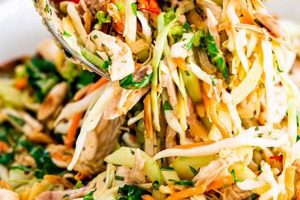
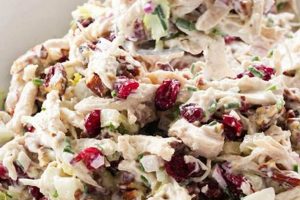
A flavorful and customizable dish featuring grilled or roasted chicken seasoned with chipotle peppers, combined with fresh salad ingredients and often including grains like rice or quinoa. Variations might include corn, black beans, salsa, avocado, and a variety of dressings, offering a balance of protein, fiber, and healthy fats. A typical preparation involves marinating chicken in a chipotle-based sauce, cooking it to tender perfection, and then assembling the bowl with desired components.
This culinary creation offers a nutritious and convenient meal option, aligning with contemporary dietary preferences for fresh, customizable bowls. It provides a balanced nutritional profile and caters to diverse palates with the adaptability of its ingredients and dressings. The dish’s popularity reflects a broader trend toward healthier fast-casual dining, offering a departure from traditional, less nutrient-rich options. Its origins likely stem from the growing popularity of Southwestern and Mexican-inspired cuisine combined with the increasing demand for customizable salads.
The following sections will explore variations on this popular dish, including specific ingredient combinations, preparation methods, and nutritional information for those seeking a healthy and delicious meal.
Tips for Crafting the Perfect Chipotle Chicken Salad Bowl
Elevating a standard chipotle chicken salad bowl to an exceptional culinary experience involves attention to detail and thoughtful ingredient selection. These tips offer guidance on maximizing flavor, texture, and overall enjoyment.
Tip 1: Marinating the Chicken: Marination is crucial for infusing the chicken with chipotle flavor. A blend of chipotle peppers in adobo sauce, lime juice, garlic, and spices creates a robust marinade. Allowing the chicken to marinate for at least 30 minutes, or preferably longer, ensures optimal flavor penetration.
Tip 2: Achieving Optimal Chicken Texture: Grilling or roasting the chicken yields the best results, creating a slightly charred exterior and a juicy interior. Avoid overcooking, as this can result in dry, tough chicken.
Tip 3: Building Flavorful Layers: Incorporating a variety of textures and flavors enhances the overall experience. Consider roasted corn, black beans, diced bell peppers, and shredded romaine lettuce. Fresh cilantro and diced red onion add brightness and complexity.
Tip 4: The Importance of the Dressing: The dressing complements and unifies the other ingredients. A creamy cilantro-lime dressing, a tangy vinaigrette, or a simple drizzle of olive oil and lime juice can elevate the dish. Avoid overly heavy dressings that might mask the other flavors.
Tip 5: Balancing Heat and Flavor: Chipotle peppers offer a smoky heat. Adjust the amount used in the marinade and other components to suit individual preferences. A touch of honey or maple syrup can balance the heat and add a subtle sweetness.
Tip 6: Freshness is Key: Utilizing fresh, high-quality ingredients significantly impacts the final product. Opt for ripe avocados, crisp lettuce, and vibrant herbs to maximize flavor and visual appeal.
Tip 7: Grain Selection: Consider incorporating a grain such as quinoa or brown rice for a more substantial and complete meal. These grains add texture and nutritional value.
By following these guidelines, one can create a chipotle chicken salad bowl that offers a harmonious blend of flavors, textures, and nutritional benefits. Careful consideration of each component ensures a satisfying and memorable dining experience.
The following section provides a sample recipe incorporating these tips, allowing readers to put their newfound knowledge into practice.
1. Flavorful Chipotle Marinade

A flavorful chipotle marinade forms the foundation of a successful chipotle chicken salad bowl. The marinade’s primary function is to infuse the chicken with the characteristic smoky, slightly sweet, and subtly spicy flavor profile of chipotle peppers. This pre-cooking flavor infusion significantly impacts the overall taste of the final dish. A well-executed marinade not only adds flavor but also contributes to the chicken’s tenderness. The acidic components of the marinade, typically lime juice or vinegar, help break down muscle fibers, resulting in more succulent chicken.
The composition of a chipotle marinade can vary, but common elements include chipotle peppers in adobo sauce, lime juice, garlic, olive oil, and spices like cumin, oregano, and chili powder. The adobo sauce, a blend of tomatoes, vinegar, and spices, adds depth and complexity to the marinade. The proportion of chipotle peppers dictates the level of heat. For a milder flavor, fewer peppers or a combination of chipotle powder and adobo sauce can be employed. Marinating the chicken for an adequate period, ideally a minimum of 30 minutes and up to several hours, allows for optimal flavor penetration. Longer marinating times generally result in more intense flavor and increased tenderness.
The impact of the chipotle marinade extends beyond the chicken itself. The residual marinade can be incorporated into the dressing or used as a finishing sauce, creating a cohesive flavor profile throughout the salad bowl. Consider using a portion of the marinade as a base for a creamy cilantro-lime dressing, enhancing the overall chipotle experience. This integration of the marinade across multiple elements of the dish reinforces the signature flavor and contributes to a more harmonious and satisfying culinary experience.
2. Properly Cooked Chicken

Properly cooked chicken is paramount to a successful chipotle chicken salad bowl. It contributes significantly to the overall texture, flavor, and safety of the dish. Undercooked chicken presents health risks, while overcooked chicken results in a dry, unpleasant eating experience. Achieving the ideal balance of doneness ensures a safe and palatable meal.
Several factors influence the cooking process. Chicken thickness dictates cooking time. Thicker cuts require longer cooking durations. The chosen cooking method also plays a crucial role. Grilling imparts a smoky char, while baking offers a more evenly cooked result. Monitoring internal temperature using a meat thermometer guarantees proper doneness. An internal temperature of 165F (74C) ensures safety and optimal texture. Resting the chicken after cooking allows juices to redistribute, resulting in a more tender and flavorful final product.
The impact of properly cooked chicken extends beyond mere palatability. It directly impacts the dish’s overall quality and enjoyment. A well-cooked piece of chicken absorbs the chipotle marinade more effectively, resulting in a more flavorful and satisfying experience. Conversely, improperly cooked chicken can detract from the other components, compromising the overall balance and appeal of the salad bowl. Achieving perfectly cooked chicken ensures the chipotle chicken salad bowl delivers on its promise of a flavorful, nutritious, and enjoyable meal.
3. Fresh, Vibrant Ingredients

Fresh, vibrant ingredients are essential to a successful chipotle chicken salad bowl. These components contribute significantly to the dish’s overall flavor, texture, and nutritional value. The inherent flavors of fresh produce complement the smoky, savory notes of the chipotle chicken, creating a balanced and appealing flavor profile. Furthermore, the contrasting textures of crisp lettuce, juicy tomatoes, creamy avocado, and tender chicken elevate the eating experience.
The selection of fresh ingredients offers an opportunity to customize the salad bowl to individual preferences and dietary needs. One might opt for a combination of romaine lettuce, black beans, corn, and salsa for a classic Southwestern-inspired bowl. Alternatively, a lighter and brighter option might feature spinach, bell peppers, mango, and a citrus vinaigrette. The versatility of the chipotle chicken salad bowl allows for endless variations, ensuring adaptability to diverse tastes and dietary restrictions. Using fresh, seasonal produce maximizes flavor and nutritional content. Locally sourced ingredients further enhance the dish’s sustainability and connection to the surrounding environment.
The emphasis on fresh ingredients underscores the broader trend toward health-conscious dining. Consumers increasingly seek meals that are not only flavorful but also nutritious and made with high-quality ingredients. The chipotle chicken salad bowl, when prepared with fresh, vibrant components, exemplifies this trend. It offers a satisfying and balanced meal option that aligns with contemporary dietary preferences. By prioritizing fresh ingredients, individuals can elevate a simple salad bowl into a culinary experience that is both delicious and health-promoting.
4. Complementary Dressing
Dressing selection is crucial for a balanced chipotle chicken salad bowl. The dressing should complement, not overwhelm, the existing flavors, enhancing the overall culinary experience rather than masking the carefully curated combination of ingredients. A well-chosen dressing contributes to the dish’s overall harmony, unifying the various components into a cohesive whole.
- Flavor Profile Harmony
The dressing’s flavor profile must harmonize with the chipotle chicken and other ingredients. A creamy cilantro-lime dressing, for example, complements the smoky chipotle and bright citrus notes often present in such bowls. Conversely, a heavy, overly sweet dressing might clash with the inherent flavors, diminishing the overall enjoyment. Consider the balance of sweet, spicy, tangy, and savory elements when selecting a dressing.
- Texture and Consistency
Dressing texture and consistency contribute significantly to the eating experience. A creamy dressing adds richness and coats the ingredients, while a vinaigrette provides a lighter, brighter touch. The chosen texture should complement the other components. A creamy avocado ranch, for instance, might pair well with crunchy tortilla strips and grilled chicken, while a light vinaigrette might better suit a bowl with leafy greens and lighter vegetables.
- Acidity and Heat Balance
Acidity in the dressing can balance the richness of the chicken and other ingredients. Lime juice or vinegar-based dressings provide a refreshing counterpoint to the smoky chipotle and often fatty components like avocado. The acidity level should be carefully considered to enhance, not overpower, the other flavors. It also plays a role in balancing the heat from the chipotle peppers, creating a more nuanced flavor profile.
- Homemade vs. Store-Bought
While convenient, store-bought dressings often contain excessive sugars, preservatives, and artificial flavors. Homemade dressings offer greater control over ingredients and allow for customization based on individual preferences. A simple vinaigrette made with olive oil, lime juice, and fresh herbs can provide a clean, vibrant flavor that complements the other ingredients without unnecessary additives. This approach allows for a healthier and often more flavorful outcome.
Careful dressing selection elevates the chipotle chicken salad bowl from a simple assemblage of ingredients to a well-balanced, harmonious culinary creation. The interplay of flavors, textures, and acidity levels, all influenced by the chosen dressing, determines the ultimate success and enjoyment of the dish. Consider these factors when choosing or preparing a dressing to ensure a cohesive and satisfying meal.
5. Balanced Textures
Textural diversity significantly enhances the sensory experience of a chipotle chicken salad bowl. A combination of texturescrispy, creamy, crunchy, chewy, and tendercreates a more dynamic and satisfying meal. This interplay of textures prevents monotony and elevates the enjoyment of each bite. Consider the contrast between the tender, marinated chicken, the crisp freshness of romaine lettuce, the creamy richness of avocado, and the potential crunch of tortilla strips or toasted pepitas. This variety stimulates the palate and contributes to a more engaging culinary experience.
Achieving textural balance requires careful ingredient selection and preparation. Grilling or roasting the chicken provides a slightly charred exterior and a juicy interior, contrasting with the raw vegetables and other components. Incorporating elements like roasted corn or black beans introduces a subtle chewiness. Toasted nuts or seeds add a satisfying crunch. The interplay of these textures creates a multi-dimensional eating experience, elevating the dish beyond a simple combination of flavors. A well-balanced chipotle chicken salad bowl offers a complex textural tapestry that enhances enjoyment and promotes satiety.
The pursuit of balanced textures within a chipotle chicken salad bowl reflects a broader culinary trend toward appreciating the sensory aspects of food. It recognizes that texture, alongside flavor, plays a crucial role in overall enjoyment and satisfaction. A thoughtfully constructed chipotle chicken salad bowl, with its diverse textural elements, offers a more complete and fulfilling dining experience. This attention to detail elevates the dish from a basic meal to a more sophisticated and satisfying culinary creation.
Frequently Asked Questions
This section addresses common inquiries regarding chipotle chicken salad bowl recipes, offering concise and informative responses to facilitate a deeper understanding and enhance culinary endeavors.
Question 1: What is the best way to prevent the chicken from drying out during cooking?
Marinating the chicken adequately and avoiding overcooking are key. Using a meat thermometer ensures the chicken reaches a safe internal temperature of 165F (74C) without becoming dry. Allowing the chicken to rest after cooking allows the juices to redistribute, contributing to a more tender and moist final product.
Question 2: Can alternative grains be used besides rice or quinoa?
Certainly. Other suitable grains include farro, couscous, freekeh, or even a blend of grains. The choice of grain depends on individual dietary preferences and desired texture.
Question 3: How can the heat level be adjusted?
The quantity of chipotle peppers used in the marinade and other components directly influences the heat level. For a milder flavor, reduce the number of peppers or use chipotle powder instead of whole peppers. A touch of honey or maple syrup can also help balance the heat.
Question 4: What are suitable substitutions for individuals with dietary restrictions?
The dish offers significant flexibility. For gluten-free variations, ensure all ingredients, including the dressing, are gluten-free. Vegetarian adaptations can substitute the chicken with grilled tofu or halloumi. Dairy-free options require careful selection of dairy-free dressings or opting for a simple olive oil and lime juice dressing.
Question 5: How can leftovers be stored and reheated?
Store leftover chicken and salad components separately in airtight containers in the refrigerator. Reheat the chicken gently to avoid drying it out. Combine the reheated chicken with the chilled salad ingredients just before serving.
Question 6: Can the recipe be adapted for meal prepping?
This dish is ideal for meal prepping. Prepare the chicken and various components, such as grains, beans, and chopped vegetables, in advance and store them separately. Assemble individual bowls as needed, ensuring the dressing is added just before consumption to prevent the salad from becoming soggy.
Understanding these frequently addressed concerns allows for greater adaptability and confidence in preparing a chipotle chicken salad bowl tailored to individual preferences and dietary needs. Careful attention to these details ensures a consistently satisfying and enjoyable culinary experience.
This concludes the frequently asked questions section. The subsequent section will provide a comprehensive nutritional breakdown of a typical chipotle chicken salad bowl recipe.
Chipotle Chicken Salad Bowl Recipe
This exploration of the chipotle chicken salad bowl recipe has highlighted the multifaceted nature of this popular dish. From the careful preparation of the chipotle marinade to the selection of fresh, vibrant ingredients and the importance of balanced textures, each component contributes to the overall culinary experience. Proper cooking techniques ensure the chicken remains moist and flavorful, while a complementary dressing harmonizes the diverse elements. Understanding these nuances allows for customization based on individual preferences and dietary needs, demonstrating the dish’s versatility and adaptability.
The chipotle chicken salad bowl recipe represents more than a simple meal; it embodies a contemporary approach to dining that emphasizes fresh, flavorful, and customizable options. Its continued popularity reflects a growing demand for healthier, balanced meals that cater to diverse palates. As culinary trends evolve, this dish offers a foundation for ongoing innovation and adaptation, ensuring its enduring relevance in the ever-changing landscape of food and nutrition.