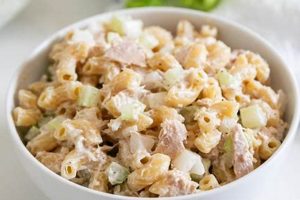
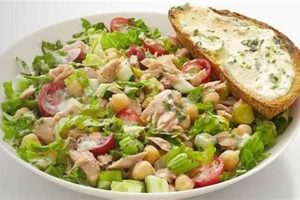
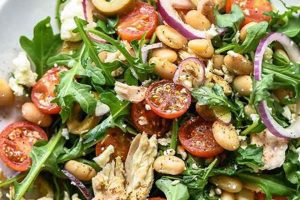
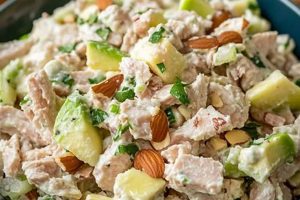
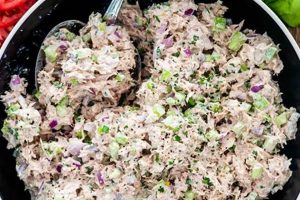
A superior, uncomplicated preparation of this classic dish typically involves minimal, high-quality ingredients, focusing on the flavor of the tuna itself. Such a preparation might utilize canned tuna, mayonnaise, celery, onion, and seasonings, avoiding overly complex additions. An example could include albacore tuna in water, mixed with just enough mayonnaise to bind, finely diced celery and red onion, a touch of Dijon mustard, salt, and black pepper.
Achieving a delicious tuna salad with limited ingredients offers several advantages. It emphasizes the natural taste of the fish, allows for quick preparation, and reduces the likelihood of overpowering flavors. Historically, tuna salad’s popularity arose from the increased availability of canned tuna in the early 20th century, making it an affordable and convenient protein source. Simple recipes emerged as a reflection of this practicality and have remained favored for their ease and directness.
This exploration will delve into variations on the basic formula, addressing ingredient selection, preparation techniques, and serving suggestions for creating a truly exceptional, yet easy, tuna salad. Topics covered will include choosing the right type of tuna, achieving the ideal texture and consistency, and incorporating complementary flavors to elevate the dish beyond the ordinary.
Tips for an Excellent Simple Tuna Salad
Elevated simplicity is the goal. These tips focus on maximizing flavor and texture using minimal, high-quality ingredients.
Tip 1: Tuna Selection Matters: Opt for high-quality canned tuna packed in water or olive oil. Albacore offers a delicate flavor, while skipjack provides a more robust taste. Avoid tuna packed in oil if a lighter salad is desired. Draining the tuna thoroughly prevents a watery consistency.
Tip 2: Mayonnaise in Moderation: Mayonnaise binds the ingredients and adds creaminess. However, excessive mayonnaise can overpower the tuna flavor. Start with a small amount and add more as needed, aiming for a moist, not soggy, texture. Greek yogurt can be substituted for a lighter, tangier alternative.
Tip 3: Freshness Enhances Flavor: Freshly diced celery and red onion offer crispness and a subtle bite. Finely chopping ensures even distribution and prevents large chunks from dominating the salad.
Tip 4: Seasoning with Purpose: Salt and freshly ground black pepper are essential. A touch of Dijon mustard adds complexity. Other complementary flavors include lemon juice, dill, or paprika. Avoid overpowering seasonings that mask the tuna’s natural flavor.
Tip 5: Texture is Key: Aim for a balance of creamy and crunchy elements. Overmixing can result in a mushy texture. Gently combine the ingredients until just incorporated.
Tip 6: Chilling Enhances Flavor: Allowing the tuna salad to chill in the refrigerator for at least 30 minutes allows the flavors to meld. This step is particularly beneficial when using bolder seasonings.
Tip 7: Bread or Cracker Selection: Serve the tuna salad on crusty bread, crackers, or lettuce cups. The choice of vessel can complement and enhance the salads flavor profile. Consider toasted whole-wheat bread, buttery crackers, or crisp romaine lettuce for a satisfying contrast in textures.
By following these tips, one can create a simple tuna salad that is both flavorful and satisfying. The focus on quality ingredients and careful preparation elevates the dish beyond the ordinary.
These techniques provide a foundation for creating a consistently delicious and straightforward tuna salad, highlighting the inherent qualities of this versatile dish.
1. High-quality Tuna
High-quality tuna plays a crucial role in crafting a superior simple tuna salad. The inherent flavor and texture of the tuna directly impact the final result. Tuna packed in water or high-quality olive oil typically retains a cleaner, more delicate flavor profile compared to tuna packed in vegetable oil. This allows the natural taste of the fish to shine through, rather than being masked by other flavors. Furthermore, higher-grade tuna tends to have a firmer, more desirable texture, contributing to a more pleasant mouthfeel. For instance, using albacore tuna, known for its delicate flavor and firm texture, can significantly elevate a simple tuna salad compared to using a lower-grade, more fragmented tuna.
The impact of tuna quality becomes particularly noticeable in recipes with minimal ingredients. In a simple tuna salad, where the tuna is a primary flavor component, any off-notes or undesirable textures are amplified. Conversely, the nuanced flavors of high-quality tuna are allowed to take center stage. This distinction is often evident in a side-by-side comparison. A salad made with premium tuna will possess a clean, briny flavor and a pleasant texture, while a salad made with lower-quality tuna might exhibit a fishier taste and a softer, less appealing consistency. Choosing tuna packed in water allows for greater control over the final flavor profile, as it avoids the added flavors sometimes present in oil-packed varieties.
Ultimately, the selection of high-quality tuna represents a fundamental step in achieving a truly exceptional simple tuna salad. While seemingly minor, this choice significantly influences the overall taste and texture, underscoring the importance of ingredient selection in even the most basic recipes. This attention to detail ensures a more satisfying culinary experience, highlighting the potential for excellence even in simplicity.
2. Minimal Mayonnaise
Mayonnaise plays a critical, yet often nuanced, role in a simple tuna salad recipe. While it binds the ingredients and contributes a creamy texture, an excessive amount can quickly overpower the delicate flavor of the tuna and create a heavy, unappetizing result. Therefore, employing mayonnaise minimally is key to achieving a balanced and flavorful salad.
- Flavor Balance
The primary goal of a simple tuna salad is to showcase the flavor of the tuna itself. Overuse of mayonnaise masks this delicate flavor, resulting in a bland, mayonnaise-dominant taste. A lighter touch allows the natural brininess and subtle nuances of the tuna to shine through. For example, a salad with just enough mayonnaise to bind the ingredients will taste distinctly of tuna, while one drowning in mayonnaise will primarily taste of, well, mayonnaise.
- Texture Optimization
While mayonnaise contributes to a creamy texture, too much creates a gloppy, heavy consistency. A best simple tuna salad maintains a pleasant, light texture that allows for the individual ingredients, like celery and onion, to contribute their own textural elements. This balance creates a more enjoyable eating experience. Consider the difference between a light, flaky tuna salad and a dense, paste-like one; the former is generally preferred.
- Health Considerations
Mayonnaise, while delicious, is high in fat and calories. Using it sparingly contributes to a lighter, healthier tuna salad without sacrificing flavor or texture. This allows for enjoyment without excessive indulgence. A reduced-mayonnaise version can be significantly lower in calories and fat compared to a traditional, mayonnaise-heavy preparation.
- Ingredient Focus
Minimizing mayonnaise allows other, often subtler, ingredients to contribute more effectively to the overall flavor profile. The brightness of fresh herbs like dill or parsley, the tang of lemon juice, or the subtle heat of a pinch of red pepper flakes can be more readily perceived when not competing with an overwhelming mayonnaise flavor. This nuanced flavor profile distinguishes an exceptional simple tuna salad from a mediocre one.
In conclusion, the judicious use of mayonnaise is fundamental to achieving a truly “best simple tuna salad recipe.” By prioritizing the delicate balance of flavor, texture, and health considerations, a minimal approach to mayonnaise elevates this classic dish, allowing the quality of the tuna and other complementary ingredients to shine through. This restraint results in a tuna salad that is not only delicious but also showcases the potential for complexity even in simplicity.
3. Fresh Ingredients
The quality of a simple tuna salad hinges directly on the freshness of its ingredients. This connection is particularly relevant given the minimal nature of the recipe, where each component plays a significant role in the final flavor and texture profile. Fresh ingredients contribute significantly to a superior sensory experience. Consider the crisp, clean taste of freshly diced celery versus the softened, sometimes bitter taste of celery that has been stored for too long. Similarly, a freshly diced red onion provides a sharp, pungent bite that complements the tuna, whereas an older onion can develop an unpleasant sweetness. These subtle yet crucial differences demonstrate the importance of ingredient freshness in achieving a truly “best” result.
The impact of fresh ingredients extends beyond mere flavor. Texture plays a vital role in the overall enjoyment of tuna salad. Fresh celery and onion provide a satisfying crunch that contrasts with the creamy texture of the mayonnaise and tuna. This textural complexity elevates the dish, making it more interesting and palatable. Wilted or softened vegetables lack this desirable crispness, resulting in a less appealing, homogenous texture. For instance, a tuna salad made with crisp, freshly chopped celery offers a delightful contrast in texture, while a salad made with limp celery results in a uniformly soft, less satisfying experience. Furthermore, the vibrant colors of fresh ingredients enhance the visual appeal of the dish, making it more appetizing.
In conclusion, the use of fresh ingredients is paramount in creating a best simple tuna salad recipe. Freshness directly impacts both flavor and texture, creating a superior sensory experience. The crispness of the vegetables, the vibrancy of their colors, and the clean, bright flavors they impart are essential elements that elevate this simple dish to a new level. By prioritizing fresh ingredients, one ensures a tuna salad that is not only delicious but also visually appealing and texturally satisfying. This attention to detail underscores the significant impact seemingly small choices can have on the overall quality of a dish, reinforcing the importance of freshness as a defining characteristic of a truly exceptional simple tuna salad.
4. Balanced Seasonings
Balanced seasonings are essential for a best simple tuna salad recipe. The concept of “balance” hinges on enhancing the natural flavor of the tuna, not masking it. Over-seasoning can easily overwhelm the delicate flavor profile of the fish, resulting in a final product that tastes more of the seasonings than the tuna itself. Conversely, under-seasoning leads to a bland, uninspired salad. The goal is to achieve a harmonious blend where the seasonings complement and elevate the tuna, creating a more complex and nuanced flavor profile. For instance, a pinch of sea salt can accentuate the tuna’s natural brininess, while a touch of black pepper adds a subtle warmth. The interplay of these simple seasonings, when properly balanced, creates a depth of flavor that distinguishes an exceptional tuna salad from a mediocre one.
The practical application of balanced seasoning requires careful consideration of individual ingredients and their interaction with the tuna. Classic combinations like salt, pepper, and a touch of Dijon mustard offer a proven foundation, adding savory notes and a hint of tang. However, experimentation with other complementary flavors, such as dill, lemon juice, or paprika, can further enhance the complexity of the salad. The key is to start with small amounts and taste frequently, adjusting the seasonings incrementally until the desired balance is achieved. This iterative process allows for precise control over the final flavor profile, preventing any single seasoning from dominating. Furthermore, the type of tuna used influences seasoning choices. For example, a milder albacore tuna might benefit from brighter, more assertive seasonings, while a robust skipjack tuna might require a more restrained approach.
Achieving balanced seasonings in a simple tuna salad demonstrates a fundamental understanding of flavor dynamics. It highlights the importance of restraint and the potential for complexity even in simplicity. This principle extends beyond tuna salad, applying to a broad range of culinary endeavors. The ability to balance flavors effectively is a hallmark of skilled cooking, demonstrating an awareness of ingredient interactions and the nuanced interplay of taste profiles. Ultimately, the pursuit of balanced seasonings elevates the simple tuna salad from a basic lunch staple to a culinary expression of nuanced flavor, showcasing the transformative power of thoughtful seasoning.
5. Proper Texture
Texture plays a crucial role in the overall enjoyment of a simple tuna salad. A “best” recipe considers the interplay of textures, balancing creaminess with contrasting elements for a more satisfying sensory experience. Achieving this optimal texture requires attention to ingredient preparation, mixing techniques, and the inherent qualities of the components themselves. The absence of this textural balance can result in a dish that is either too mushy or too dry, detracting from the overall enjoyment.
- Chunk Size Consistency
Consistent chunk size contributes significantly to a pleasant textural experience. Large, uneven chunks of tuna or roughly chopped vegetables can create an unbalanced mouthfeel, where some bites are overly fishy or overwhelmingly vegetal. Conversely, uniformly sized pieces ensure a more harmonious blend of flavors and textures in each bite. This consistency allows for a more predictable and enjoyable experience, preventing jarring textural discrepancies. For example, imagine biting into a tuna salad with some bites containing large chunks of tuna and others primarily mayonnaise; the experience lacks uniformity and can be less satisfying.
- Moisture Content
Proper moisture content is essential for a palatable tuna salad. Too much moisture results in a watery, unappetizing consistency, often a consequence of insufficiently drained tuna or excessive mayonnaise. Conversely, too little moisture leads to a dry, crumbly texture that lacks the desired creaminess. The ideal texture lies in a delicate balance, where the salad is moist but not soggy, allowing the flavors to meld without becoming diluted. Overly dry tuna salad can be difficult to swallow and lacks the smooth, creamy texture typically associated with a well-made version.
- Vegetable Crispness
The inclusion of crisp vegetables, such as celery and onion, introduces a crucial textural counterpoint to the creamy base of the tuna salad. These elements provide a refreshing crunch that elevates the overall sensory experience. However, over-softened or wilted vegetables fail to provide this desirable contrast, resulting in a uniformly soft, less interesting texture. This crispness adds a dimension of freshness and prevents the salad from becoming monotonous in texture. The snap of a crisp celery piece or the bite of a fresh onion adds a welcome contrast to the softness of the tuna and mayonnaise.
- Mixing Technique
The mixing technique employed significantly influences the final texture. Overmixing can break down the tuna and vegetables, resulting in a mushy, unappetizing consistency. A gentle hand and minimal mixing preserve the integrity of the ingredients, maintaining distinct textural elements. This approach prevents the salad from becoming overly processed and retains the desirable textural variations. Consider the difference between gently folding ingredients together versus vigorously mashing them; the former preserves texture, while the latter creates a more homogenous, potentially less appealing, result.
Achieving the proper texture in a simple tuna salad involves a careful interplay of these factors. The size and consistency of the ingredients, the moisture balance, the inclusion of crisp vegetables, and the mixing technique all contribute to the final result. A “best” recipe understands these elements, optimizing them to create a tuna salad that is not only flavorful but also texturally satisfying, demonstrating that even in simplicity, attention to detail yields superior results. This textural complexity elevates the simple tuna salad from a basic dish to a more refined and enjoyable culinary experience.
6. Chilling Time
Chilling time plays a crucial, often overlooked role in achieving a best simple tuna salad recipe. While not a primary ingredient, adequate chilling significantly impacts the final flavor profile and overall quality of the dish. This seemingly simple step allows the individual flavors of the ingredients to meld and harmonize, creating a more complex and nuanced taste experience. Without sufficient chilling time, the flavors remain distinct and disjointed, resulting in a less satisfying outcome.
- Flavor Development
Chilling allows the various ingredientstuna, mayonnaise, celery, onion, and seasoningsto fully integrate and develop their flavors. This process, known as maceration, allows the flavors to deepen and meld, creating a more cohesive and harmonious taste. For example, the sharpness of the onion mellows, the celery’s vegetal notes become more subtle, and the seasonings permeate the tuna more thoroughly. This melding of flavors creates a richer, more complex taste profile than a freshly made, unchilled salad.
- Temperature and Palatability
A chilled tuna salad is simply more refreshing and palatable, particularly in warmer weather. The cool temperature enhances the creamy texture of the mayonnaise and provides a welcome contrast to the often-rich flavors. A warm tuna salad can taste heavy and less appealing, with the mayonnaise becoming oily and the overall flavor profile less vibrant. This temperature contrast highlights the importance of chilling as a sensory enhancer.
- Texture Enhancement
Chilling firms the texture of the tuna salad, making it easier to spread or scoop. This improved texture enhances the eating experience, whether served on bread, crackers, or lettuce cups. A warm, unchilled salad can be loose and difficult to handle, detracting from its presentation and enjoyment. The chilling process allows the mayonnaise to thicken slightly, contributing to a more desirable consistency.
- Food Safety
From a food safety perspective, chilling is crucial, especially if the tuna salad contains mayonnaise or other perishable ingredients. Maintaining a low temperature inhibits bacterial growth, ensuring the safety and longevity of the salad. This is particularly important if the salad is prepared in advance and not consumed immediately. Proper chilling practices are essential for preventing foodborne illnesses.
In conclusion, chilling time is an essential, albeit often underestimated, component of a best simple tuna salad recipe. It contributes significantly to flavor development, palatability, texture, and food safety. By allowing the flavors to meld and the textures to firm, chilling elevates the simple tuna salad from a basic mixture of ingredients to a more refined and enjoyable culinary experience. This understanding underscores the importance of considering all aspects of preparation, even those beyond the immediate combination of ingredients, in the pursuit of culinary excellence.
7. Complementary Bread
Bread selection significantly influences the overall enjoyment of a best simple tuna salad recipe. The bread acts as more than just a vehicle for the salad; it contributes to the overall sensory experience, impacting flavor, texture, and presentation. Careful consideration of bread choice elevates the simple tuna salad from a basic meal to a more refined culinary creation. The wrong bread can detract from the carefully crafted flavors of the salad, while the right bread can enhance and complement them.
The interplay between bread and tuna salad involves several key factors. Flavor pairings are essential. A robust, grainy bread might overwhelm the delicate flavor of the tuna, while a bland, overly soft bread offers little to enhance the experience. Examples of complementary pairings include a tangy sourdough with a classic tuna salad, the slight sweetness of whole wheat with a dill-infused tuna salad, or the buttery richness of a croissant with a more complex, herbed tuna salad. Textural contrast also plays a vital role. A crisp, crusty bread provides a satisfying counterpoint to the creamy tuna salad, while a soft, fluffy bread might create an overly homogenous texture. The structural integrity of the bread is equally important. A bread that holds its shape prevents the salad from becoming soggy or falling apart, crucial for both presentation and ease of consumption. Consider a thinly sliced baguette that becomes soggy and difficult to handle versus a sturdy multigrain bread that maintains its structure and complements the salad’s texture.
Understanding the importance of complementary bread selection underscores the attention to detail required for a truly exceptional simple tuna salad. It highlights the interconnectedness of ingredients and the significant impact seemingly minor choices can have on the overall dining experience. This principle extends beyond tuna salad, demonstrating the broader culinary concept of considering all elements of a dish, from primary ingredients to accompanying components, to create a harmonious and satisfying whole. The selection of complementary bread transforms the simple tuna salad from a basic preparation into a more thoughtful and enjoyable culinary expression.
Frequently Asked Questions
This FAQ section addresses common inquiries regarding the creation of a superior simple tuna salad.
Question 1: What type of tuna is best suited for a simple tuna salad?
High-quality canned tuna packed in water or olive oil is recommended. Albacore offers a delicate flavor, while skipjack provides a more robust option. Tuna packed in oil should be avoided if a lighter salad is desired.
Question 2: How can one prevent a watery tuna salad?
Thorough draining of the canned tuna is essential. Pressing the tuna gently with a fork or paper towel removes excess liquid. Additionally, using minimal mayonnaise helps maintain a desirable consistency.
Question 3: Can mayonnaise be substituted for a lighter option?
Plain Greek yogurt offers a lighter, tangier alternative to mayonnaise. It provides a similar creamy texture while reducing overall fat and calories.
Question 4: What are optimal seasonings for a simple tuna salad?
Salt, freshly ground black pepper, and a touch of Dijon mustard are classic choices. Other complementary seasonings include lemon juice, dill, or paprika. However, moderation is key to avoid overpowering the natural tuna flavor.
Question 5: How long should tuna salad be chilled before serving?
Chilling for at least 30 minutes allows the flavors to meld and enhances the overall taste and texture. Longer chilling, up to a few hours, is acceptable, but avoid extended periods as this can dry out the salad.
Question 6: What is the ideal bread for serving tuna salad?
Crusty bread, crackers, or lettuce cups provide suitable vessels. Specific choices depend on individual preference and desired flavor and texture combinations. Consider options like whole-wheat bread, sourdough, rye, or buttery crackers. The bread should offer a textural contrast and complement the flavor profile of the salad.
By addressing these common inquiries, one can confidently prepare a truly exceptional simple tuna salad. Focus remains on quality ingredients, balanced flavors, and attention to textural detail.
The next section will provide a concise, easy-to-follow recipe for a best simple tuna salad, incorporating the principles discussed throughout this exploration.
Best Simple Tuna Salad Recipe
Crafting a truly exceptional simple tuna salad involves more than merely combining ingredients. This exploration has highlighted the nuanced interplay of factors contributing to a superior rendition of this classic dish. Emphasis has been placed on the importance of high-quality tuna, minimal yet effective use of mayonnaise, the incorporation of fresh ingredients, balanced seasoning, achieving optimal texture, appropriate chilling time, and the selection of complementary bread. Each element contributes significantly to the overall sensory experience, elevating the simple tuna salad from ordinary to extraordinary. Attention to these details transforms a basic lunch staple into a culinary expression of nuanced flavor and textural complexity.
The pursuit of a best simple tuna salad recipe underscores the potential for excellence even in simplicity. It demonstrates that culinary achievement is not solely reliant on complex techniques or exotic ingredients, but rather on a deep understanding of fundamental principles and thoughtful execution. By embracing these principles, individuals can elevate everyday meals, discovering the profound satisfaction derived from creating something truly exceptional, even from the most humble of ingredients. This exploration serves as an invitation to approach cooking with intentionality and appreciation, recognizing the transformative power of culinary artistry in all its forms.