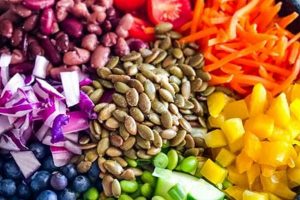
A Mediterranean-inspired dish featuring orzo pasta, typically combined with ingredients such as cucumbers, tomatoes, Kalamata olives, red onion, and feta cheese, dressed in a vinaigrette often incorporating lemon juice, oregano, and olive oil. Variations may include other vegetables, herbs, or protein additions like chickpeas or grilled chicken.
This culinary creation offers a refreshing and flavorful meal option, particularly suited for warmer weather. The combination of fresh produce, tangy dressing, and wholesome pasta provides a balanced nutritional profile. Historically rooted in Mediterranean cuisine, it reflects the region’s emphasis on fresh, seasonal ingredients and simple yet flavorful preparations. Its adaptability allows for creative ingredient substitutions and additions, catering to various dietary preferences and palates.
This exploration will delve into specific ingredient selections, preparation techniques, variations, and serving suggestions, enabling a comprehensive understanding of this popular dish.
Tips for a Perfect Orzo Salad
Optimizing ingredient selection and preparation techniques elevates this dish from simple to exceptional.
Tip 1: Orzo Preparation: Cook orzo according to package directions until al dente. Rinsing under cold water after cooking stops the cooking process and prevents sticking, resulting in a lighter, fluffier texture.
Tip 2: Vegetable Selection: Opt for fresh, ripe produce. Consider English cucumbers for their thinner skin and fewer seeds. Cherry or grape tomatoes offer burst of sweetness.
Tip 3: Herb Infusion: Fresh herbs enhance the overall flavor profile. Finely chop oregano, mint, or dill and incorporate them into the salad.
Tip 4: Feta Incorporation: Crumble feta cheese into the salad rather than adding large blocks. This ensures even distribution of flavor and a pleasant textural contrast.
Tip 5: Dressing Emulsification: Whisk together olive oil, lemon juice, and seasonings vigorously to create a smooth, emulsified vinaigrette that evenly coats the salad ingredients.
Tip 6: Resting Period: Allowing the salad to rest for at least 30 minutes in the refrigerator allows the flavors to meld and the orzo to absorb the dressing.
Tip 7: Serving Enhancement: Garnish with extra feta, a sprinkle of dried oregano, or a drizzle of olive oil before serving. Consider adding grilled chicken or chickpeas for a protein boost.
Attention to these details ensures a well-balanced, flavorful, and visually appealing dish.
By applying these suggestions, one can consistently achieve a superior culinary experience.
1. Fresh Ingredients

The quality of a Greek orzo salad hinges directly on the freshness of its components. Fresh ingredients contribute vibrant flavors, crisp textures, and appealing aromas, elevating the dish beyond a simple pasta salad. The delicate interplay between the ingredients, particularly the produce, relies on optimal ripeness and quality. A tomato bursting with juice, a cucumber offering a satisfying crunch, and vibrant herbs delivering aromatic complexity are crucial for an authentic and enjoyable experience. Using subpar ingredients results in a muted, less satisfying outcome. For example, a mealy tomato or limp cucumber detracts from the overall sensory experience. Conversely, vibrant, in-season produce amplifies the inherent flavors of the Mediterranean-inspired dressing, creating a harmonious balance.
This emphasis on fresh ingredients aligns with the broader principles of Mediterranean cuisine, which prioritizes seasonal produce and simple preparations that allow natural flavors to shine. Selecting locally sourced ingredients whenever possible further enhances the flavor profile and supports sustainable agricultural practices. The difference between a salad made with freshly picked herbs versus dried ones is significant; the fresh herbs provide a brighter, more pronounced flavor. Furthermore, the volatile oils in fresh herbs contribute to the overall aroma of the dish, enhancing the sensory experience.
Prioritizing fresh, high-quality ingredients is essential for a successful Greek orzo salad. This commitment to freshness not only delivers superior flavor and texture but also reflects an appreciation for the culinary traditions that inspire the dish. The practical application of this understanding involves careful ingredient selection, proper storage techniques, and timely preparation to maximize the quality and enjoyment of the final product. Neglecting the importance of fresh components compromises the potential of this otherwise vibrant and flavorful dish.
2. Authentic Greek Flavors
Authentic Greek flavors form the cornerstone of a successful Greek orzo salad recipe. These flavors, derived from specific ingredients and their harmonious combination, distinguish the dish from other pasta salads and anchor it within the culinary traditions of Greece. The essential components contributing to this authenticity include Kalamata olives, providing a briny, salty depth; feta cheese, offering a tangy, creamy complexity; and oregano, lending a pungent, earthy aroma. Extra virgin olive oil, crucial for both the dressing and the overall flavor profile, contributes a fruity, peppery richness. Lemon juice provides brightness and acidity, balancing the richer elements. The interplay of these core ingredients creates a flavor profile that is distinctly Greek.
The absence of these key ingredients compromises the authenticity of the dish. Substituting black olives for Kalamata olives, for example, results in a noticeably different flavor profile, lacking the characteristic brininess and slight sweetness. Similarly, using another type of cheese in place of feta alters the textural and flavor dynamics. The use of dried oregano, while acceptable, does not deliver the same aromatic intensity as fresh oregano. These seemingly minor substitutions can significantly impact the overall authenticity and perceived quality of the dish. A Greek orzo salad made with these substitutions might be palatable, but it would not represent a true expression of Greek culinary traditions.
Understanding the role of authentic Greek flavors in a Greek orzo salad recipe is essential for achieving the desired culinary outcome. This understanding extends beyond simply including the correct ingredients; it involves appreciating the balance and interplay of these flavors. Practical application of this knowledge requires sourcing high-quality ingredients and employing proper preparation techniques. The payoff is a dish that not only tastes delicious but also embodies the essence of Greek cuisine. Failure to prioritize these authentic flavors results in a dish that may resemble a Greek orzo salad in appearance but lacks the depth and complexity of the genuine article.
3. Proper Orzo Preparation

Proper orzo preparation is crucial for a successful Greek orzo salad recipe. The texture of the orzo significantly impacts the overall enjoyment of the dish. Overcooked orzo becomes mushy and absorbs too much dressing, resulting in a heavy, less appealing salad. Undercooked orzo, conversely, presents a hard, unpleasant texture that detracts from the other ingredients. The ideal texture is al dentefirm to the bite yet tender. This texture provides a pleasant contrast to the other components of the salad, such as crisp vegetables and creamy feta cheese. Achieving this ideal texture requires precise cooking time and attention to detail.
Cooking orzo according to package directions is the first step, but achieving the perfect al dente texture often necessitates slight adjustments based on stovetop and pot variations. Regularly testing the orzo during cooking allows for adjustments to prevent overcooking or undercooking. Rinsing the cooked orzo under cold water immediately after draining stops the cooking process and removes excess starch, contributing to a lighter, fluffier texture. This step is particularly important for salads, as it prevents the orzo from clumping together and absorbing too much dressing. For example, neglecting to rinse the orzo might result in a dense, sticky salad, while properly rinsed orzo remains separate and distinct, allowing the dressing to coat each piece evenly.
Proper orzo preparation ensures the foundation of the Greek orzo salad is sound. This attention to detail elevates the dish beyond a simple combination of ingredients to a carefully constructed culinary experience. The texture of the orzo plays a significant role in the overall enjoyment of the salad. Failure to prepare the orzo correctly compromises the balance of textures and flavors, potentially diminishing the overall quality of the dish. Understanding and applying these principles of proper orzo preparation contributes significantly to a successful and satisfying Greek orzo salad.
4. Balanced Vinaigrette

A balanced vinaigrette is essential for a successful Greek orzo salad recipe. The vinaigrette provides the foundational flavor profile, binding the ingredients together and enhancing their individual characteristics. A well-executed vinaigrette elevates the dish from a simple combination of ingredients to a harmonious culinary experience. The balance refers to the interplay of acidity, sweetness, saltiness, and richness, creating a complex yet refreshing flavor that complements the other components of the salad.
- Acidity
Acidity, typically derived from lemon juice or red wine vinegar, provides brightness and cuts through the richness of the olive oil and feta cheese. The level of acidity should be sufficient to provide a tangy note without overpowering the other flavors. For example, too much lemon juice can make the salad overly tart, while too little can result in a bland, uninspiring flavor profile. The right balance enhances the flavors of the fresh vegetables and herbs.
- Sweetness
A touch of sweetness can balance the acidity and enhance the overall complexity of the vinaigrette. A small amount of honey or a pinch of sugar can achieve this balance. However, excessive sweetness can detract from the refreshing nature of the salad. The sweetness should be subtle, enhancing the other flavors without dominating them. For instance, a hint of honey complements the brininess of the olives and the tanginess of the feta.
- Saltiness
Salt enhances the flavors of all the ingredients and balances the acidity and sweetness. Salt should be used judiciously, as the feta cheese and olives already contribute saltiness. The goal is to achieve a harmonious balance, not an overly salty flavor. For example, using too much salt can overpower the delicate flavors of the fresh vegetables.
- Richness
Richness, primarily derived from extra virgin olive oil, provides a smooth, luxurious texture and contributes to the overall flavor profile. The quality of the olive oil significantly impacts the flavor of the vinaigrette. A robust, high-quality extra virgin olive oil adds depth and complexity, while a lower-quality oil can detract from the overall experience. The amount of olive oil should be sufficient to coat the ingredients without making the salad overly oily. The richness of the olive oil complements the tangy feta and the fresh vegetables.
A well-balanced vinaigrette is the key to a successful Greek orzo salad. The interplay of these four elementsacidity, sweetness, saltiness, and richnesscreates a dynamic flavor profile that enhances the individual characteristics of the other ingredients. The absence of balance, such as an overly acidic or overly sweet vinaigrette, can compromise the overall enjoyment of the dish. By understanding and applying these principles, one can create a vinaigrette that elevates the Greek orzo salad to a truly exceptional culinary creation.
5. Optimal Ingredient Ratios

Optimal ingredient ratios are essential for a well-balanced and flavorful Greek orzo salad. The balance between the orzo pasta, vegetables, cheese, and dressing contributes significantly to the overall enjoyment of the dish. Careful consideration of these ratios ensures that no single ingredient overwhelms the others, allowing the distinct flavors and textures to harmonize. An excess of orzo, for example, can result in a bland, starchy salad, while too much feta can make it overly salty and rich. A properly balanced salad offers a pleasant contrast between the chewy orzo, crisp vegetables, salty feta, and tangy vinaigrette. This balance creates a more satisfying and nuanced culinary experience. For instance, a salad with a higher proportion of vegetables offers a lighter, more refreshing profile, while a salad with more orzo and feta provides a heartier, more substantial meal.
Achieving optimal ingredient ratios involves understanding the role of each component. The orzo provides the base, the vegetables contribute freshness and texture, the feta offers salty, tangy notes, and the vinaigrette binds everything together with flavor. Consider the interplay of textures as well. A higher proportion of cucumbers and tomatoes introduces more crispness, while more olives contribute a chewy texture. These textural variations enhance the overall sensory experience. Practical application of this understanding involves not only measuring ingredients accurately but also considering personal preferences. Some might prefer a more vegetable-forward salad, while others might desire a richer, more cheese-centric dish. Adapting the ratios to suit individual tastes ensures a more personalized and enjoyable experience. For example, reducing the amount of feta and increasing the proportion of vegetables caters to those seeking a lighter, less salty option.
Mastery of ingredient ratios in a Greek orzo salad recipe signifies a deeper understanding of culinary balance and flavor dynamics. This knowledge allows for adjustments based on desired outcomes, whether a lighter, more refreshing salad or a richer, more substantial meal. Neglecting this aspect can result in a dish that lacks complexity and fails to showcase the potential of the individual ingredients. The ability to adjust ratios based on personal preference and available ingredients demonstrates culinary expertise and ensures a consistently satisfying and flavorful outcome. It highlights the importance of viewing a recipe not as a rigid set of rules but as a framework for creative expression within the context of balanced flavors and textures.
6. Creative Variations

Creative variations within a Greek orzo salad recipe demonstrate the dish’s versatility and adaptability while maintaining its core Mediterranean identity. Exploration of these variations allows for personalized interpretations, catering to individual preferences and dietary needs without compromising the fundamental essence of the dish. These adaptations often involve ingredient substitutions, additions, or alterations in preparation methods, offering a broader culinary experience beyond the traditional framework.
- Protein Incorporation
Adding protein transforms the salad into a more substantial meal. Grilled chicken, shrimp, or chickpeas provide complementary textures and nutritional value. Grilled chicken offers a savory depth, while shrimp introduces a delicate sweetness. Chickpeas contribute a nutty flavor and a hearty texture, aligning with plant-based dietary preferences. These additions enhance the salad’s versatility, making it suitable for a wider range of occasions and dietary needs.
- Vegetable Exploration
Expanding beyond the traditional cucumbers and tomatoes opens avenues for diverse flavor profiles and textures. Bell peppers introduce sweetness and crunch, while artichoke hearts offer a subtle earthiness. Roasted vegetables, such as zucchini or eggplant, provide a smoky depth and a softer texture. These variations allow for seasonal adaptations and personalized flavor combinations. For example, incorporating roasted butternut squash during autumn provides a seasonal twist, while adding fresh corn kernels during summer enhances the salad’s sweetness and vibrancy.
- Flavor Enhancements
Introducing different herbs, spices, or cheeses expands the flavor profile beyond the traditional oregano and feta. Fresh dill or mint provide a brighter, more herbaceous note. A sprinkle of red pepper flakes introduces a touch of heat. Crumbled goat cheese offers a tangier alternative to feta. These nuanced additions cater to individual taste preferences, adding depth and complexity to the overall flavor profile. For example, incorporating sun-dried tomatoes intensifies the umami notes, while a squeeze of orange juice adds a citrusy sweetness.
- Presentation and Serving Styles
The presentation and serving style influence the dining experience. Serving the salad as a side dish alongside grilled fish or meat presents a lighter accompaniment. Presenting it as a main course in a larger bowl, garnished with extra feta and herbs, creates a visually appealing and satisfying meal. Deconstructing the salad into individual components, allowing diners to customize their portions, offers an interactive and personalized dining experience. These variations extend beyond mere aesthetics, influencing portion control and the perception of the dish itself.
These creative variations demonstrate the inherent adaptability of the Greek orzo salad recipe, transforming it from a static dish into a dynamic culinary platform. By understanding the core principles of balance and flavor, one can confidently explore these variations, creating personalized interpretations that reflect individual tastes and preferences while honoring the essence of Greek cuisine. This adaptability not only broadens the culinary possibilities but also ensures the continued relevance and enjoyment of this classic dish across diverse culinary landscapes.
Frequently Asked Questions
This section addresses common inquiries regarding Greek orzo salad preparation and variations.
Question 1: Can other types of pasta be substituted for orzo?
While other small pasta shapes like ditalini or small shells can be used, orzo’s rice-like shape and texture contribute uniquely to the salad’s character. Substitutions may alter the overall experience.
Question 2: What can be used as a feta cheese alternative?
If feta is unavailable, goat cheese provides a similar tangy flavor, although with a different texture. Ricotta salata offers a firmer, saltier option. However, feta remains the most authentic choice for a traditional Greek orzo salad.
Question 3: How long can Greek orzo salad be stored?
Properly stored in an airtight container in the refrigerator, it typically lasts for up to three days. The texture of the vegetables may soften slightly over time.
Question 4: Can the salad be made ahead of time for a large gathering?
Preparing the componentsorzo, vegetables, and dressingseparately ahead of time is recommended. Combining them shortly before serving maintains optimal texture and prevents the salad from becoming soggy.
Question 5: How can the salad be adapted for different dietary restrictions?
Gluten-free orzo can be substituted for individuals with gluten sensitivities. Vegan variations can omit the feta or utilize a vegan feta alternative. Adjustments to other ingredients can accommodate various dietary needs.
Question 6: What are some suitable accompaniments for Greek orzo salad?
It pairs well with grilled meats, such as chicken or lamb, and fish. It can also be served as a standalone light meal or alongside other Mediterranean-inspired dishes like hummus and pita bread.
Addressing these common inquiries provides clarity regarding preparation, storage, and adaptability, enabling successful and enjoyable culinary outcomes.
For further exploration, the following section delves into specific recipe variations.
Greek Orzo Salad Recipe
Exploration of the Greek orzo salad recipe reveals a dish characterized by fresh, vibrant ingredients, authentic Mediterranean flavors, and adaptable preparation methods. Optimal ingredient ratios, proper orzo preparation, and a balanced vinaigrette are crucial for achieving a harmonious blend of textures and tastes. The interplay of fresh produce, tangy feta cheese, briny olives, and fragrant herbs, unified by a bright, flavorful dressing, defines this culinary creation. The potential for creative variations, incorporating diverse proteins, vegetables, and flavor enhancements, underscores the dish’s versatility and adaptability to individual preferences and dietary needs.
The Greek orzo salad recipe represents more than a simple combination of ingredients; it embodies a culinary tradition rooted in fresh, seasonal produce and balanced flavors. Appreciation for the dish’s historical context and its potential for creative expression elevates the culinary experience. Further exploration of regional variations and personal adaptations promises continued enjoyment and discovery within this versatile culinary framework.