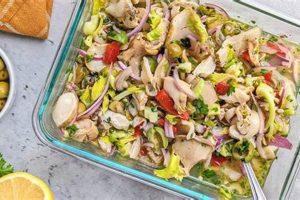
A top-tier potato salad represents a harmonious blend of properly cooked potatoes, flavorful dressing, and complementary ingredients. A classic example might feature tender, diced potatoes coated in a creamy mayonnaise-based dressing, punctuated with celery, onion, and perhaps a touch of mustard for tang. Variations abound, incorporating ingredients like hard-boiled eggs, pickles, herbs, or different types of potatoes for unique flavor profiles.
Achieving potato salad excellence is a culinary pursuit with rewarding results. A well-executed version elevates picnics, barbecues, and potlucks, offering a refreshing and satisfying side dish. The dish’s popularity endures across generations, reflecting its adaptability and the comfort it provides. From simple family gatherings to grand celebrations, it holds a place on tables worldwide, demonstrating its versatile nature and timeless appeal.
The quest for the ultimate potato salad involves understanding key elements: selecting the right potato variety, mastering cooking techniques to achieve the perfect texture, and crafting a balanced and flavorful dressing. This exploration will delve into these aspects, providing guidance and inspiration for creating a memorable dish.
Tips for Exceptional Potato Salad
Creating a truly memorable potato salad requires attention to detail and a grasp of fundamental techniques. The following tips offer guidance for achieving superior results.
Tip 1: Potato Selection: Opting for waxy potatoes, such as red or Yukon Gold, ensures they hold their shape during cooking and contribute a creamy texture to the final dish. Russet potatoes, while commonly used for baking, tend to become mealy when boiled and are less suitable.
Tip 2: Proper Cooking: Potatoes should be cooked until tender but not mushy. Slightly undercooking is preferable, as they will continue to soften as they cool. Overcooked potatoes will result in a gluey texture.
Tip 3: Dressing Timing: Dressing should be added while the potatoes are still warm, allowing them to absorb the flavors more effectively. However, avoid adding the dressing while the potatoes are excessively hot, as this can cause the mayonnaise to separate.
Tip 4: Flavor Balance: A harmonious blend of flavors is essential. The tanginess of mustard or vinegar should complement the richness of the mayonnaise, while additions like celery and onion provide textural contrast and subtle flavor notes.
Tip 5: Ingredient Quality: Utilizing fresh, high-quality ingredients elevates the overall flavor profile. Freshly chopped herbs, vibrant vegetables, and a good quality mayonnaise contribute significantly to a superior potato salad.
Tip 6: Chilling Time: Allowing the potato salad to chill for at least an hour before serving allows the flavors to meld and develop fully. This also enhances the overall texture and enjoyment of the dish.
Tip 7: Mindful Seasoning: Seasoning should be done in stages. Salt the water used for boiling the potatoes generously. Additional seasoning, such as salt, pepper, and other spices, should be added to the dressing and adjusted to taste after it has been incorporated with the potatoes.
By adhering to these guidelines, one can consistently produce potato salad that surpasses ordinary expectations.
These techniques provide a foundation for crafting exceptional potato salad, ready to impress at any gathering.
1. High-quality Potatoes

The foundation of any exceptional potato salad rests upon the selection of high-quality potatoes. Appropriate potato varieties contribute significantly to the desired texture, flavor absorption, and overall presentation of the dish. Understanding the characteristics of different potato types and their impact on the final product is crucial for achieving optimal results.
- Potato Variety
Waxy potatoes, such as Yukon Gold or red potatoes, are ideal for potato salad due to their firm texture and ability to hold their shape after cooking. These varieties offer a creamy consistency and absorb dressings well, contributing to a cohesive and flavorful dish. Conversely, starchy potatoes like russets tend to become mealy when boiled, resulting in a less desirable texture for potato salad.
- Freshness and Firmness
Freshly harvested potatoes with smooth, unblemished skin and firm flesh are essential. Avoid potatoes with signs of sprouting, greening, or soft spots, as these indicate age or improper storage. Fresh potatoes ensure optimal flavor and contribute to the desired texture of the salad.
- Uniform Size and Shape
Selecting potatoes of uniform size and shape ensures even cooking. This prevents some potatoes from becoming overcooked while others remain undercooked, leading to a consistent texture throughout the salad. Uniformity also enhances the aesthetic appeal of the finished dish.
- Proper Storage
Storing potatoes in a cool, dark, and well-ventilated area prior to use helps maintain their quality. Avoid storing potatoes in the refrigerator, as this can convert their starches to sugars, affecting their flavor and texture when cooked. Proper storage practices ensure that the potatoes remain in optimal condition for creating a superior potato salad.
By prioritizing the selection of high-quality potatoes based on variety, freshness, uniformity, and proper storage, one lays the groundwork for a truly exceptional potato salad. This careful attention to the foundational ingredient significantly influences the overall success and enjoyment of the dish.
2. Balanced Dressing

Balanced dressing is paramount in crafting a superlative potato salad. It serves as the unifying element, binding the ingredients and imparting crucial flavor dimensions. A well-executed dressing elevates the dish beyond a simple assemblage of components, transforming it into a cohesive and flavorful experience. The balance achieved within the dressingbetween richness, acidity, and complementary flavorsdictates the overall success of the potato salad.
- Flavor Profile
The dressing’s flavor profile should complement the potatoes without overpowering their natural taste. A harmonious blend of creamy, tangy, and savory elements is often desired. For instance, the richness of mayonnaise can be balanced with the sharpness of mustard and the acidity of vinegar, creating a complex and well-rounded flavor profile. The specific flavor combinations can be adjusted to suit individual preferences, ranging from classic to innovative.
- Texture and Consistency
Dressing consistency plays a vital role in the overall texture of the potato salad. A dressing that is too thick can result in a heavy, gloppy salad, while a dressing that is too thin may not adequately coat the potatoes. The ideal consistency is typically smooth and creamy, allowing the dressing to cling to the potatoes while still maintaining a light and refreshing feel. Achieving the right consistency often involves careful emulsification and the proper ratio of ingredients.
- Ingredient Compatibility
The ingredients within the dressing should harmonize with the other components of the potato salad. Consider the flavors and textures of additions like herbs, spices, vegetables, or eggs when formulating the dressing. For example, a dill-based dressing pairs well with salmon or hard-boiled eggs, while a sweeter, mustard-based dressing might complement celery and onions. Careful consideration of ingredient compatibility ensures a cohesive and balanced overall flavor profile.
- Acidity Level
The acidity level in the dressing is crucial for balancing the richness of the potatoes and other ingredients. Vinegar, lemon juice, or other acidic components provide a bright, tangy counterpoint to the creamy elements, preventing the salad from feeling overly heavy or rich. The appropriate level of acidity also acts as a preservative, extending the shelf life of the potato salad. This balance enhances both the flavor and the longevity of the dish.
A well-balanced dressing elevates potato salad from a simple side dish to a culinary highlight. The interplay of flavors, textures, and acidity within the dressing is essential for creating a truly satisfying and memorable potato salad experience. Mastering this element is key to achieving potato salad perfection.
3. Complementary Ingredients

Complementary ingredients are essential for elevating a potato salad from satisfactory to exceptional. These additions contribute not only to the complexity of flavors but also to textural variety and visual appeal. Strategic incorporation of complementary ingredients distinguishes a truly memorable potato salad.
- Aromatics
Aromatics, such as onions, celery, and chives, impart essential savory notes and contribute a refreshing crispness. Finely diced yellow or red onion provides a pungent bite, while celery offers a subtle vegetal sweetness and satisfying crunch. Chives contribute a mild onion flavor and a vibrant green hue. The careful balance of these aromatics enhances the overall flavor profile and adds textural complexity.
- Acidic Components
Ingredients like pickles, relish, or capers introduce a necessary acidic counterpoint to the richness of the potatoes and dressing. Dill pickles offer a classic tang, while sweet pickle relish contributes a touch of sweetness alongside its acidity. Capers provide a briny, salty element that enhances the overall depth of flavor. These acidic components brighten the palate and prevent the salad from feeling too heavy.
- Protein and Texture Enhancers
Hard-boiled eggs, bacon, or crumbled ham introduce protein and textural variety. Sliced hard-boiled eggs provide a creamy richness and visual appeal. Crisp bacon bits offer a smoky, salty flavor and a satisfying crunch. Diced ham contributes a savory element and a meatier texture. These additions create a more substantial and satisfying salad.
- Fresh Herbs
Fresh herbs, such as dill, parsley, or chives, elevate the potato salad with vibrant color and aromatic complexity. Dill provides a bright, slightly tangy flavor that pairs well with potatoes. Parsley offers a clean, fresh taste and a vibrant green color. Chives contribute a mild onion flavor and delicate texture. Fresh herbs add a touch of elegance and freshness to the finished dish.
The judicious selection and combination of complementary ingredients are integral to achieving a well-balanced and flavorful potato salad. These additions contribute layers of flavor, texture, and visual interest, transforming a simple side dish into a culinary masterpiece. The synergy between these complementary ingredients and the other components of the salad is what ultimately defines its excellence.
4. Proper Cooking Technique
Proper cooking technique is inextricably linked to the creation of a superior potato salad. The texture of the potatoes, a defining characteristic of a successful salad, hinges directly on how they are cooked. Overcooked potatoes become mushy and disintegrate when mixed with other ingredients, resulting in an unappetizing, gluey consistency. Undercooked potatoes, conversely, present an unpleasant firmness, detracting from the overall enjoyment of the dish. The ideal texturefirm yet tenderis achieved through precise cooking methods.
Boiling potatoes for the salad presents specific challenges. Maintaining uniform size ensures even cooking. Starting potatoes in cold, salted water and bringing them to a boil ensures even heat distribution throughout, preventing the exterior from becoming overcooked while the interior remains underdone. Testing for doneness with a fork or knife tipthe implement should meet slight resistanceindicates the optimal point at which to drain the potatoes. Immediately transferring the cooked potatoes to a colander prevents residual heat from further softening them. These seemingly minor details collectively contribute significantly to the final product.
The impact of proper cooking technique extends beyond mere texture. Overcooked potatoes absorb dressing less effectively, leading to uneven flavor distribution and a watery salad. Correctly cooked potatoes, however, maintain their structural integrity, allowing them to absorb the dressing evenly, resulting in a harmonious blend of flavors throughout the salad. This mastery of cooking technique ultimately determines whether the potato salad achieves its full potential, transforming a simple dish into a culinary delight.
5. Adequate Chilling Time

Adequate chilling time is a crucial, often overlooked, element in achieving potato salad excellence. It allows the complex interplay of flavors from the potatoes, dressing, and other ingredients to meld and mature, resulting in a more harmonious and flavorful final product. Chilling also firms the potatoes, enhancing their texture and ensuring they hold their shape when served. Understanding the impact of chilling time is essential for achieving a truly exceptional potato salad.
- Flavor Development
Chilling allows the diverse flavors within the potato salad to meld and deepen. The initially distinct notes of the potatoes, dressing, aromatics, and other ingredients harmonize over time, creating a more nuanced and complex flavor profile. This fusion of flavors is essential for a well-rounded and satisfying culinary experience. The longer the chilling period, generally within reason, the more pronounced this effect becomes, enhancing the overall taste of the salad.
- Texture Enhancement
The chilling process firms the potatoes, improving their texture and ensuring they maintain their shape when served. Warm potatoes tend to be softer and more fragile, making them prone to breaking down when mixed with the dressing and other ingredients. Chilling allows the potatoes to set, resulting in a more appealing texture and preventing them from becoming mushy or disintegrating. This contributes significantly to the overall presentation and enjoyment of the salad.
- Temperature and Palatability
Serving potato salad chilled enhances its palatability, particularly in warmer weather. The cool temperature provides a refreshing contrast to the richness of the ingredients and makes the salad more enjoyable to consume. A chilled potato salad offers a welcome respite from the heat and enhances the overall dining experience, particularly during outdoor gatherings and picnics.
- Food Safety
Adequate chilling time also plays a crucial role in food safety, particularly with mayonnaise-based dressings. Maintaining a low temperature inhibits the growth of harmful bacteria, reducing the risk of foodborne illness. Adhering to recommended chilling guidelines ensures the potato salad remains safe for consumption and contributes to the overall well-being of those enjoying the dish.
Chilling is not merely a final step but an integral part of the potato salad creation process. The benefits extend beyond simple cooling, contributing significantly to flavor development, texture enhancement, palatability, and food safety. Allowing sufficient chilling time elevates the potato salad from a collection of ingredients to a cohesive and delightful culinary experience, demonstrating a true mastery of the craft.
Frequently Asked Questions
This section addresses common inquiries regarding optimal potato salad preparation, aiming to clarify potential uncertainties and provide practical guidance.
Question 1: What type of potato is best suited for potato salad?
Waxy potatoes, such as red or Yukon Gold varieties, are generally preferred for potato salad due to their ability to hold their shape after cooking. Starchy potatoes, like Russets, tend to become mealy and are less suitable.
Question 2: How can one prevent potatoes from becoming mushy when boiled?
Starting potatoes in cold, salted water and bringing them to a boil promotes even cooking. Testing for doneness with a fork or knife, which should meet slight resistance, helps avoid overcooking. Immediately draining the potatoes after cooking also prevents further softening.
Question 3: When should the dressing be added to the potatoes?
Dressing is ideally added while the potatoes are still warm, allowing for better absorption of flavors. However, the potatoes should not be excessively hot, as this can cause the mayonnaise to separate.
Question 4: How long should potato salad be chilled before serving?
Chilling potato salad for at least one hour, or preferably longer, allows the flavors to meld and develop fully. Chilling also improves the texture of the salad and enhances food safety.
Question 5: What can be done to prevent potato salad from becoming watery?
Ensuring the potatoes are properly cooked and not overcooked is key to preventing a watery salad. Adding the dressing while the potatoes are warm, but not hot, also helps prevent excess moisture.
Question 6: How can one enhance the flavor of potato salad beyond basic ingredients?
Incorporating complementary ingredients such as fresh herbs, spices, pickles, or hard-boiled eggs can elevate the flavor profile of potato salad. Experimentation with different flavor combinations can lead to unique and satisfying results.
Understanding these key aspects of potato salad preparation allows for a more informed and successful culinary experience. Attention to detail, from potato selection to chilling time, contributes significantly to the overall quality and enjoyment of the dish.
This foundational knowledge prepares one to explore variations and personalize recipes, ultimately achieving potato salad perfection.
Best Potato Salad Recipe
Achieving excellence in potato salad preparation involves a multifaceted approach, encompassing careful ingredient selection, precise cooking techniques, and a thorough understanding of flavor dynamics. High-quality potatoes, such as Yukon Gold or red varieties, provide the ideal foundation. A balanced dressing, whether mayonnaise-based or vinaigrette-based, complements the potatoes without overpowering their subtle flavor. Complementary ingredients, ranging from classic aromatics like celery and onion to innovative additions such as hard-boiled eggs or fresh herbs, contribute textural complexity and depth of flavor. Proper cooking techniques ensure the potatoes achieve the desired texturefirm yet tenderwhile adequate chilling time allows the flavors to meld and mature.
The pursuit of the ultimate potato salad represents a culinary journey, rewarding both the cook and those fortunate enough to partake in the final product. Mastering these fundamental principles allows for confident experimentation and personalized variations, paving the way for culinary creativity and the creation of a truly exceptional dish. This pursuit transcends mere recipe adherence; it represents an understanding and appreciation of culinary artistry, transforming a simple side dish into a memorable experience.