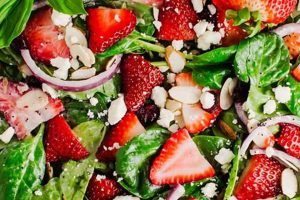
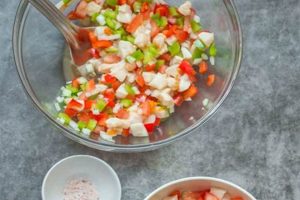
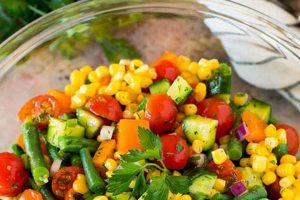
A vibrant and elegant dressing typically made with champagne vinegar, a premium oil like extra virgin olive oil, Dijon mustard, shallots, and seasonings, forms the foundation of salads featuring fresh, delicate ingredients. This style of dressing complements dishes with lighter flavors, often incorporating ingredients like spring greens, fruits such as berries or grapes, and sometimes nuts or cheeses like goat cheese. A specific example could be a salad composed of baby spinach, sliced strawberries, crumbled goat cheese, and candied pecans, all lightly tossed with the described dressing.
The lightness and acidity of this type of dressing offer a refreshing counterpoint to richer ingredients while enhancing the natural flavors of fresh produce. Its celebratory association with champagne makes it a popular choice for special occasions and adds a touch of elegance to everyday meals. While the precise origins are difficult to pinpoint, the use of vinegar-based dressings has a long history, evolving alongside culinary traditions and the availability of ingredients like champagne vinegar, a byproduct of champagne production.
This exploration will delve further into variations on this classic dressing, offering insights into ingredient selection, preparation techniques, and ideal salad pairings. The subsequent sections will provide detailed recipes and practical tips for creating a perfect culinary experience.
Tips for a Perfect Champagne Vinaigrette Salad
Achieving a well-balanced and flavorful salad with a champagne vinaigrette requires attention to detail and an understanding of the interplay of ingredients. The following tips offer guidance for creating a truly exceptional dish.
Tip 1: Quality Ingredients Matter: Opt for high-quality champagne vinegar, extra virgin olive oil, and fresh produce. The nuance of these ingredients significantly impacts the final flavor profile.
Tip 2: Balance is Key: The ratio of vinegar to oil is crucial. A general guideline is one part vinegar to three parts oil, but adjustments can be made based on personal preference and the acidity of the vinegar.
Tip 3: Emulsification is Essential: Proper emulsification creates a creamy, cohesive dressing that clings to the salad ingredients. Whisk the vinegar and oil vigorously or use a blender to achieve a stable emulsion.
Tip 4: Seasoning Enhances Flavor: Don’t overlook the importance of seasoning. Salt and freshly ground black pepper are essential, but consider adding a pinch of sugar or a touch of Dijon mustard to further enhance the complexity of the vinaigrette.
Tip 5: Fresh Herbs Elevate the Experience: Incorporating fresh herbs like chives, tarragon, or chervil adds another layer of flavor and aroma to the salad.
Tip 6: Timing is Crucial: Dress the salad just before serving to prevent the leaves from wilting. This ensures the freshest, most vibrant presentation.
Tip 7: Consider Complementary Ingredients: Choose salad components that complement the delicate flavors of the champagne vinaigrette. Soft cheeses, nuts, and fruits like berries or grapes are excellent choices.
By following these guidelines, one can elevate a simple salad into a sophisticated culinary creation, showcasing the bright and refreshing qualities of a well-executed champagne vinaigrette.
These techniques provide a foundation for experimentation and customization, allowing for endless variations to suit individual palates and occasions. The concluding section will offer further inspiration and resources for continued exploration.
1. High-quality Ingredients

The success of a champagne vinaigrette salad rests significantly on the quality of its ingredients. This type of vinaigrette, characterized by its delicate balance of acidity and richness, requires components that contribute nuanced flavors rather than overpowering the palate. Using high-quality ingredients elevates the final dish from simple to exceptional. For instance, a superior champagne vinegar, made from authentic champagne, possesses a complexity and depth of flavor absent in cheaper alternatives. Similarly, extra virgin olive oil with a low acidity and a distinct fruity aroma enhances the overall sensory experience. Fresh, seasonal produce, chosen at peak ripeness, provides optimal flavor and texture, further enriching the salad.
Consider the impact of substituting lower-quality ingredients. A generic white wine vinegar lacks the subtle notes and effervescence that champagne vinegar imparts. A bland, mass-produced olive oil diminishes the richness and complexity of the dressing. Out-of-season or less-than-fresh produce introduces unwanted bitterness or a lackluster texture, detracting from the overall balance. These substitutions can transform a potentially elegant salad into a mediocre experience. Therefore, prioritizing ingredient quality represents a crucial step in crafting a truly remarkable champagne vinaigrette salad.
Investing in superior ingredients offers significant practical benefits. The enhanced flavors derived from high-quality components necessitate less reliance on added salt or sugar, aligning with healthier eating habits. Moreover, using fresh, seasonal ingredients often translates to supporting local farmers and sustainable agricultural practices. Ultimately, the emphasis on quality ingredients contributes not only to a more flavorful and enjoyable culinary experience but also to a more mindful and responsible approach to food consumption.
2. Balanced Flavor Profile

A balanced flavor profile is paramount in a successful champagne vinaigrette salad recipe. The delicate nature of champagne vinegar requires careful consideration of other ingredients to avoid overpowering its subtle nuances. Achieving harmony among the components ensures a pleasurable and refreshing culinary experience. This balance hinges on the interplay of acidity, sweetness, richness, and salinity, all working in concert to create a cohesive and delightful whole.
- Acidity
The defining characteristic of a champagne vinaigrette is its acidity, derived from the champagne vinegar. This tartness provides a refreshing counterpoint to richer ingredients and awakens the palate. However, excessive acidity can be jarring. The goal is to achieve a bright, lively flavor without overwhelming the other components. Think of a squeeze of lemon on fresh fishit enhances the flavor without dominating it. Similarly, the acidity in the vinaigrette should complement the salad ingredients, not overshadow them.
- Sweetness
A touch of sweetness tempers the acidity and adds depth to the vinaigrette. This can be achieved through a small amount of sugar, honey, or even a naturally sweet ingredient like fruit juice. The sweetness should be subtle, acting as a balancing agent rather than a dominant flavor. Imagine a perfectly ripe strawberryits sweetness is balanced by a hint of tartness. This same principle applies to the vinaigrette, where a touch of sweetness harmonizes with the acidity.
- Richness
The richness in a champagne vinaigrette typically comes from the oil. Extra virgin olive oil, with its fruity notes and smooth texture, is a classic choice. Other oils, such as avocado or grapeseed oil, can also be used. The richness of the oil coats the palate and provides a satisfying mouthfeel. Consider the role of butter in a sauceit adds richness and body. Similarly, the oil in the vinaigrette contributes a luxurious element that complements the other flavors.
- Salinity
Salt is an essential component of any dressing, enhancing the other flavors and bringing them into focus. However, too much salt can mask the delicate nuances of the champagne vinegar and other ingredients. The goal is to season the vinaigrette judiciously, allowing the other flavors to shine through. Think of the way a pinch of salt enhances the sweetness of a melonit doesn’t overpower, but rather accentuates the existing flavor. The same principle applies to the vinaigrette, where salt acts as a supporting player, not the star of the show.
The harmonious interplay of these four elementsacidity, sweetness, richness, and salinitydefines a well-balanced champagne vinaigrette. A successful recipe carefully considers the proportions of each component, ensuring that no single flavor dominates. This balance allows the delicate flavors of the champagne vinegar and fresh ingredients to shine through, creating a truly exceptional salad experience. A perfectly balanced champagne vinaigrette elevates simple greens and complements more complex salads, demonstrating the power of thoughtful flavor composition.
3. Proper Emulsification

Proper emulsification is crucial for a successful champagne vinaigrette. Emulsification is the process of combining two immiscible liquids, in this case, oil and vinegar, into a stable mixture. A properly emulsified vinaigrette possesses a smooth, creamy texture and evenly distributes flavor throughout the salad. Without emulsification, the oil and vinegar separate, resulting in a greasy, unbalanced dressing that fails to coat the salad ingredients effectively. This separation negatively impacts both the flavor and the overall sensory experience.
Several factors influence the stability of an emulsion. Vigorous whisking creates a temporary emulsion by breaking down the oil into tiny droplets that disperse throughout the vinegar. However, this emulsion is often unstable and prone to separation over time. Adding an emulsifying agent, such as Dijon mustard, helps create a more permanent emulsion. The mustard contains compounds that bind to both the oil and vinegar, preventing them from separating. The ratio of oil to vinegar also plays a role. A higher proportion of oil to vinegar generally results in a thicker, more stable emulsion.
Practical applications of this understanding are readily apparent in the preparation of a champagne vinaigrette. Slow, steady whisking while gradually drizzling the oil into the vinegar promotes a stable emulsion. Adding a small amount of Dijon mustard to the vinegar before incorporating the oil further enhances stability. If the emulsion breaks, a quick whisk or a pulse in a blender can often restore it. The resulting smooth, cohesive dressing clings evenly to the salad ingredients, ensuring that each bite delivers a balanced and harmonious blend of flavors. A properly emulsified champagne vinaigrette transforms a simple salad into a more refined and enjoyable culinary experience.
4. Complementary Pairings

Complementary pairings elevate a champagne vinaigrette salad from simple to exceptional. The delicate acidity and nuanced flavors of the vinaigrette provide a versatile backdrop for a range of ingredients, allowing for creative combinations that enhance the overall dining experience. Careful consideration of pairings ensures a harmonious balance of textures and tastes, transforming a basic salad into a sophisticated culinary creation.
- Greens
The foundation of any salad lies in the greens. Delicate greens like butter lettuce, baby spinach, or spring mix complement the lightness of the champagne vinaigrette. Their subtle flavors do not overpower the dressing, allowing its nuances to shine. Heartier greens like romaine or kale can also be used, but may require a more robust vinaigrette or additional ingredients to balance the flavors. The choice of greens sets the stage for the entire salad, influencing both the texture and the overall flavor profile.
- Fruits
Fruits introduce a touch of sweetness and a contrasting texture to the salad. Berries, such as strawberries, raspberries, and blueberries, offer a burst of juicy sweetness that pairs well with the vinaigrette’s acidity. Stone fruits like peaches or nectarines provide a softer texture and a more nuanced sweetness. Grapes, particularly green grapes, offer a refreshing crispness and a subtle tartness that complements the champagne notes. The selection of fruit adds complexity and visual appeal to the salad.
- Cheeses
Cheese adds a creamy, savory element that enhances the richness of the vinaigrette. Soft cheeses like goat cheese or feta crumble easily and provide a tangy counterpoint to the sweetness of fruits. Hard cheeses like Parmesan or Pecorino can be shaved or grated, adding a sharp, salty note. The choice of cheese should consider the other salad components and the desired overall flavor profile. A well-chosen cheese elevates the salad, adding depth and complexity.
- Nuts and Seeds
Nuts and seeds contribute texture and a subtle crunch to the salad. Toasted almonds, pecans, or walnuts offer a rich, buttery flavor that complements the vinaigrette. Pumpkin seeds or sunflower seeds provide a lighter, nuttier flavor and a more delicate crunch. The addition of nuts and seeds adds a satisfying textural element and enhances the overall sensory experience.
The interplay of these complementary pairings creates a symphony of flavors and textures in a champagne vinaigrette salad. The delicate greens provide a canvas for the other ingredients, while the fruits, cheeses, and nuts and seeds contribute contrasting flavors and textures. The champagne vinaigrette, with its nuanced acidity and subtle sweetness, ties all these elements together, creating a harmonious and delightful culinary experience. The careful consideration of complementary pairings elevates a simple salad into a sophisticated and memorable dish.
5. Freshness and Seasonality

Freshness and seasonality are integral to a successful champagne vinaigrette salad. The delicate nature of the vinaigrette, with its bright acidity and subtle flavors, necessitates ingredients at their peak quality. Seasonal produce, harvested at its prime, offers optimal flavor, texture, and nutritional value, enhancing the overall culinary experience. This emphasis on freshness aligns perfectly with the elegant simplicity of the champagne vinaigrette, creating a dish that celebrates the natural flavors of high-quality ingredients.
- Peak Flavor
Produce harvested in season exhibits its fullest flavor potential. A ripe summer tomato, bursting with sweetness and acidity, offers a stark contrast to a bland, out-of-season counterpart. This principle applies to all ingredients in a champagne vinaigrette salad. Fresh, seasonal greens possess a vibrant flavor and crisp texture, providing a perfect foundation for the delicate dressing. In-season fruits, such as berries or stone fruits, offer a balanced sweetness that complements the vinaigrette’s acidity. Utilizing peak-season ingredients ensures a salad that is both flavorful and refreshing.
- Optimal Texture
Texture plays a crucial role in a successful salad. Fresh, seasonal produce boasts optimal texture, contributing to a more enjoyable sensory experience. Crisp greens, juicy fruits, and crunchy vegetables offer a delightful contrast in textures, enhancing the overall appeal of the salad. Out-of-season produce often suffers from textural deficiencies, such as limp greens or mealy fruits, detracting from the overall quality of the dish. Prioritizing fresh, seasonal ingredients ensures a salad with a pleasing and varied textural profile.
- Enhanced Nutritional Value
Produce consumed in season typically offers higher nutritional value. Fruits and vegetables harvested at their peak ripeness contain greater concentrations of vitamins and minerals. This nutritional boost contributes to a healthier and more satisfying meal. Choosing seasonal ingredients aligns with a mindful approach to eating, emphasizing the benefits of consuming fresh, nutrient-rich foods. A champagne vinaigrette salad made with seasonal produce offers not only a delicious but also a nutritionally beneficial culinary experience.
- Support for Local Agriculture
Consuming seasonal produce often translates to supporting local farmers and sustainable agricultural practices. Locally sourced ingredients reduce transportation costs and environmental impact, promoting a more responsible approach to food consumption. Furthermore, supporting local farmers strengthens community ties and contributes to the local economy. Choosing seasonal ingredients aligns with a conscious effort to minimize environmental impact and foster sustainable food systems. A champagne vinaigrette salad featuring locally sourced, seasonal produce embodies a commitment to both culinary excellence and responsible consumption.
The emphasis on freshness and seasonality in a champagne vinaigrette salad elevates the dish from simple to exceptional. By utilizing ingredients at their peak quality, one achieves a harmonious balance of flavors, textures, and nutritional benefits. This approach not only enhances the culinary experience but also aligns with a more mindful and sustainable approach to food consumption. A champagne vinaigrette salad crafted with fresh, seasonal ingredients represents a celebration of nature’s bounty and a commitment to culinary excellence.
6. Precise Technique
Precise technique significantly influences the outcome of a champagne vinaigrette salad recipe. While seemingly simple, this type of vinaigrette requires attention to detail throughout the preparation process. Understanding the cause-and-effect relationship between specific techniques and the final product allows for greater control over flavor, texture, and overall quality. Consider the emulsification process: haphazardly whisking oil and vinegar results in a temporary, unstable emulsion prone to separation. However, slowly drizzling the oil into the vinegar while continuously whisking creates a stable, creamy emulsion that clings evenly to the salad ingredients. This precise technique directly impacts the dressing’s texture and its ability to coat the other components, ultimately affecting the overall sensory experience.
The importance of precise technique extends beyond emulsification. Knife skills play a crucial role in achieving uniform textures and optimizing flavor release. Finely mincing shallots, for instance, ensures even distribution of their pungent flavor throughout the vinaigrette, preventing overpowering bursts of sharpness. Similarly, consistent slicing of vegetables and fruits contributes to both visual appeal and even distribution of flavors. Even seemingly minor details, like the timing of ingredient addition, can significantly impact the final product. Adding delicate herbs at the last moment preserves their fresh flavor and aroma, while incorporating them too early can lead to wilting and diminished flavor intensity. These practical examples demonstrate the profound impact of precise technique on the final dish.
Mastery of precise technique elevates the champagne vinaigrette salad from a simple combination of ingredients to a refined culinary creation. Understanding the nuances of emulsification, knife skills, and ingredient incorporation allows for greater control over the final flavor profile and textural balance. This knowledge empowers one to consistently produce a high-quality vinaigrette and, consequently, a more enjoyable and satisfying salad experience. While seemingly minor details, these precise techniques contribute significantly to the overall success of the dish, demonstrating the importance of meticulous preparation in culinary pursuits.
Frequently Asked Questions
This section addresses common inquiries regarding champagne vinaigrette salad preparation, offering practical guidance for achieving optimal results.
Question 1: What is the ideal ratio of champagne vinegar to oil in a vinaigrette?
A classic starting point is a 1:3 ratio of vinegar to oil. However, the optimal balance depends on the specific vinegar’s acidity and individual taste preferences. Adjustments can be made to achieve the desired level of tartness.
Question 2: Can other types of vinegar be substituted for champagne vinegar?
While other vinegars can be used, they will impart different flavor profiles. White wine vinegar offers a milder alternative, while apple cider vinegar introduces a slightly sweet and fruity note. Substituting another vinegar alters the characteristic flavor profile of a classic champagne vinaigrette.
Question 3: How can one ensure a stable emulsion in a champagne vinaigrette?
A stable emulsion is achieved through gradual incorporation of oil into the vinegar while whisking vigorously. Adding a small amount of Dijon mustard acts as an emulsifying agent, further enhancing stability and creating a creamy texture.
Question 4: What types of greens pair well with champagne vinaigrette?
Delicate greens, such as butter lettuce, baby spinach, or spring mix, complement the lightness of the vinaigrette. Heartier greens, like romaine or kale, can also be used but may require additional ingredients to balance the overall flavor profile.
Question 5: What complementary ingredients enhance a champagne vinaigrette salad?
Fruits like berries, stone fruits, or grapes add sweetness and textural contrast. Soft cheeses like goat cheese or feta provide a creamy, tangy element. Nuts and seeds, such as toasted almonds or pecans, contribute crunch and richness.
Question 6: How long can a champagne vinaigrette be stored?
Stored in an airtight container in the refrigerator, a champagne vinaigrette typically remains fresh for up to one week. However, the emulsion may separate over time and require re-whisking before use.
Understanding these fundamental aspects of champagne vinaigrette preparation contributes to a more successful and enjoyable culinary outcome. Careful attention to detail, from ingredient selection to emulsification technique, elevates this seemingly simple dressing, transforming a basic salad into a refined culinary experience.
The subsequent section offers a collection of curated recipes, providing further inspiration and practical guidance for incorporating champagne vinaigrette into diverse culinary creations.
Conclusion
This exploration of champagne vinaigrette salad recipes has provided a comprehensive overview of key elements contributing to a successful outcome. Ingredient quality, balanced flavor profiles, proper emulsification techniques, complementary pairings, freshness, seasonality, and precise techniques all play crucial roles in elevating this seemingly simple dish. Understanding the interplay of these factors allows for a more nuanced approach to preparation, resulting in a more refined and enjoyable culinary experience. Emphasis has been placed on the importance of using high-quality ingredients, such as authentic champagne vinegar and fresh, seasonal produce, to achieve optimal flavor and textural balance. The delicate nature of champagne vinaigrette necessitates careful consideration of complementary pairings, ensuring a harmonious blend of tastes and textures. Precise techniques, such as gradual emulsification and proper knife skills, contribute significantly to the overall quality and consistency of the final product.
The versatility of champagne vinaigrette allows for endless variations and creative adaptations. Further exploration of flavor combinations and ingredient pairings offers a pathway to personalized culinary expression. Continued refinement of techniques, from emulsification methods to ingredient incorporation, empowers culinary enthusiasts to elevate their skills and consistently produce exceptional results. The potential for innovation within this seemingly simple framework underscores the enduring appeal of champagne vinaigrette in the culinary landscape. Ultimately, a thorough understanding of the underlying principles and meticulous attention to detail unlock the full potential of this classic dressing, transforming a basic salad into a sophisticated and memorable culinary creation.