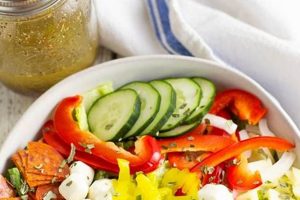
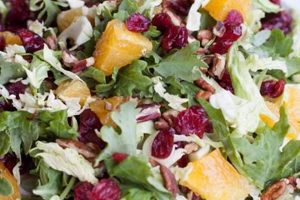
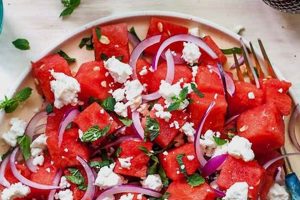
Foundational salads composed primarily of leafy greens offer a versatile canvas for culinary creativity. A simple combination of lettuce, such as romaine, butter, or iceberg, can be enhanced with other fresh vegetables like cucumbers, tomatoes, and carrots. A basic vinaigrette, often made with oil and vinegar, typically dresses these salads. Variations might include the addition of herbs, nuts, seeds, or dried fruits.
Fresh, vibrant salads contribute significantly to a healthy diet, providing essential vitamins, minerals, and fiber. They offer a light yet satisfying meal option, and their adaptability makes them suitable for various cuisines and occasions. Historically, consuming raw greens dates back to ancient civilizations, evolving over time with the inclusion of diverse ingredients and dressings influenced by regional culinary traditions. These simple mixtures continue to be a dietary staple in many cultures worldwide.
This exploration will delve further into the nuances of constructing flavorful and nutritious leafy green salads, examining diverse ingredients, dressings, and techniques to elevate this culinary staple from simple to extraordinary.
Tips for Creating Exceptional Green Salads
Constructing a truly delicious green salad involves more than simply tossing ingredients together. Careful consideration of each component, from the greens themselves to the dressing and additional elements, contributes significantly to the final result.
Tip 1: Choose Fresh, High-Quality Greens: The foundation of any successful salad lies in the freshness of its greens. Look for vibrant, crisp leaves free from wilting or discoloration. Consider exploring a variety of lettuces, such as romaine, butter lettuce, arugula, or spinach, to discover diverse flavors and textures.
Tip 2: Proper Washing and Drying: Thoroughly wash all greens to remove any dirt or debris. A salad spinner is highly effective for drying leaves, preventing a diluted dressing and soggy salad.
Tip 3: Strategic Ingredient Selection: Complementary textures and flavors enhance the overall experience. Consider adding crunchy elements like cucumbers, bell peppers, or carrots, alongside softer additions like tomatoes or avocado.
Tip 4: Dressings Made with Fresh Ingredients: While bottled dressings offer convenience, homemade vinaigrettes allow for greater control over flavor and quality. Experiment with various oils, vinegars, and herbs to create unique and personalized dressings.
Tip 5: The Art of the Toss: Gently toss the greens and other components with the dressing just before serving. This ensures even coating and prevents the salad from becoming wilted or soggy.
Tip 6: Consider Seasonality: Utilize seasonal produce for optimal flavor and freshness. A summer salad might feature ripe tomatoes and cucumbers, while a winter salad could incorporate roasted root vegetables like beets or sweet potatoes.
Tip 7: Portion Control with Add-ins: While nuts, seeds, dried fruits, and cheeses add flavor and texture, moderation is key. Overloading a salad with these additions can mask the flavor of the greens and other vegetables.
By focusing on these essential elements, one can elevate a simple green salad to a truly satisfying and nutritious culinary experience.
From sourcing the freshest produce to mastering the art of the toss, these tips provide a comprehensive guide to creating exceptional green salads.
1. Fresh, Diverse Greens

Fresh, diverse greens constitute the foundation of any successful basic green salad recipe. The quality and variety of greens directly impact the salad’s flavor, texture, and nutritional value. Utilizing a mix of lettuces, such as crisp romaine, delicate butter lettuce, peppery arugula, or earthy spinach, creates a more complex and interesting flavor profile than relying on a single type. This diversity also contributes a range of nutrients and textures, enhancing the overall sensory experience. For instance, a salad combining spinach, romaine, and radicchio offers a wider spectrum of vitamins and minerals than one made solely with iceberg lettuce. The interplay of textures, from the crisp romaine to the slightly bitter radicchio and tender spinach, adds further depth.
Sourcing the freshest greens is crucial. Locally grown, seasonal greens often possess superior flavor and nutritional content. Farmers’ markets offer an excellent opportunity to discover unique varieties and ensure peak freshness. Proper storage is equally important. Refrigerating greens in a breathable container or bag helps maintain their crispness and prevents premature wilting. Furthermore, washing and thoroughly drying greens before assembling the salad prevents a diluted dressing and ensures a more enjoyable textural experience. Neglecting this step can lead to a soggy salad, diminishing the appeal of even the most carefully chosen greens.
Choosing diverse and fresh greens provides a strong base upon which to build a flavorful and nutritious basic green salad. This foundational element affects not only the taste and texture but also the overall culinary satisfaction. The understanding and application of these principles elevate a simple green salad from a basic side dish to a vibrant, healthful, and enjoyable culinary creation. Incorporating seasonal varieties and ensuring proper handling further enhances the quality and overall dining experience.
2. Cleansing and Drying

Cleansing and drying represent critical steps in preparing basic green salads. Thorough cleansing removes soil, debris, and potential contaminants from leafy greens, ensuring food safety and enhancing palatability. Washing greens under cool, running water is the most effective method. Soaking is discouraged, as it can leach water-soluble nutrients. Effective drying, ideally using a salad spinner, is crucial for preventing a diluted dressing and maintaining the salad’s texture. Excess moisture compromises the dressing’s ability to adhere to the leaves, leading to a watery, less flavorful salad. For example, a vinaigrette clinging to crisp, dry romaine lettuce provides a more intense flavor experience compared to the same dressing sliding off waterlogged leaves. This seemingly simple step significantly impacts the overall quality and enjoyment of the salad.
The importance of cleansing and drying extends beyond flavor and texture. These practices contribute to food safety by minimizing the risk of consuming harmful bacteria or pesticide residues. Proper drying also plays a role in preserving the salad’s freshness. Damp leaves wilt more quickly, reducing the salad’s shelf life. Conversely, dry greens retain their crispness and vibrancy, contributing to a more appealing and satisfying culinary experience. Consider the difference between a salad made with dry, crisp spinach versus one made with damp, wilted spinach. The former offers a pleasant texture and allows the flavors of other ingredients to shine, while the latter presents a less appealing, potentially soggy experience. This underscores the practical significance of proper cleansing and drying techniques.
Effective cleansing and drying techniques are essential for creating high-quality basic green salads. These practices contribute significantly to food safety, flavor enhancement, and textural appeal. Neglecting these steps can result in a compromised culinary experience, impacting both enjoyment and potential health. Understanding and implementing these fundamental techniques ensures a foundation for creating salads that are not only delicious but also safe and visually appealing.
3. Complementary Ingredients

Complementary ingredients play a crucial role in elevating basic green salads from simple to exceptional. These additions contribute textural contrasts, introduce diverse flavor profiles, and enhance the overall nutritional value. Thoughtful selection of complementary ingredients transforms a basic mix of greens into a balanced and satisfying meal. Consider the interplay of crunchy cucumbers, sweet bell peppers, juicy tomatoes, and creamy avocado in a basic green salad. Each element contributes a unique texture and flavor, creating a dynamic sensory experience that surpasses a salad composed solely of lettuce. The careful balance of these ingredients ensures that no single flavor or texture dominates, resulting in a harmonious and enjoyable culinary creation.
The choice of complementary ingredients can also significantly impact a salad’s nutritional density. Adding protein-rich components, such as grilled chicken, hard-boiled eggs, or chickpeas, transforms a light side dish into a complete and satisfying meal. Incorporating ingredients like nuts, seeds, and dried fruits introduces healthy fats, fiber, and antioxidants. For example, a salad featuring walnuts, sunflower seeds, and dried cranberries not only provides a delightful textural contrast but also delivers a boost of omega-3 fatty acids, vitamin E, and fiber. These additions elevate the nutritional value without compromising the salad’s refreshing and light qualities.
Successful integration of complementary ingredients in basic green salad recipes requires an understanding of flavor pairings and textural balance. While variety is encouraged, it’s essential to avoid overwhelming the palate with too many competing flavors or textures. A well-composed salad offers a harmonious blend of tastes and textures, where each element complements the others without overpowering the freshness of the greens. The strategic use of complementary ingredients enhances not only the nutritional content and sensory appeal but also the overall culinary experience. This understanding allows for the creation of salads that are both delicious and contribute to a balanced and healthful diet.
4. Flavorful Dressings
Flavorful dressings are essential to basic green salad recipes, transforming a simple combination of ingredients into a cohesive and enjoyable culinary experience. The dressing provides the unifying element, binding the individual components together and enhancing their inherent flavors. A well-chosen dressing elevates the salad from a collection of separate ingredients to a harmonious whole. This exploration delves into key facets of flavorful dressings and their integral role in successful basic green salad recipes.
- Balance of Acidity and Fat
The foundation of a successful salad dressing lies in the balance of acidity and fat. Typically, this involves a combination of oil and vinegar, although citrus juices, yogurt, or buttermilk can also provide the acidic component. The ratio of these two elements dictates the dressing’s overall character, from light and tangy to rich and creamy. A classic vinaigrette, for example, often utilizes a 3:1 ratio of oil to vinegar, providing a balanced flavor profile. This balance is crucial; excessive acidity can be overpowering, while too much oil can leave the salad feeling heavy. The interplay of these two components provides the canvas upon which other flavors are built.
- Complementary Flavor Profiles
Flavorful dressings consider the overall composition of the salad. The dressing’s flavor profile should complement the other ingredients, enhancing their individual characteristics without overpowering them. A light vinaigrette with lemon juice and herbs works well with delicate greens and fresh vegetables, while a creamy dressing based on buttermilk or yogurt might complement a salad with roasted vegetables or grilled chicken. Understanding these flavor dynamics ensures a harmonious blend of tastes, where the dressing enhances the overall experience rather than dominating it.
- Fresh Herbs and Spices
Fresh herbs and spices add depth and complexity to salad dressings. From the bright, peppery notes of fresh basil to the earthy aroma of thyme, the judicious use of herbs can transform a simple vinaigrette into a culinary masterpiece. Spices, such as ground cumin, coriander, or paprika, can also contribute unique flavor dimensions. For instance, a Dijon vinaigrette infused with fresh tarragon complements a salad featuring chicken and potatoes, while a balsamic vinaigrette with a hint of oregano enhances a tomato and mozzarella salad. These additions elevate the dressing beyond its basic components, adding layers of flavor that complement the other salad ingredients.
- Emulsification and Texture
The texture of a salad dressing contributes significantly to the overall sensory experience. A smooth, emulsified dressing coats the leaves evenly, providing a consistent flavor distribution. Emulsification, the process of combining oil and vinegar into a stable mixture, can be achieved by whisking vigorously or using a blender. The resulting texture should complement the other ingredients. A creamy dressing might be ideal for a salad with roasted vegetables, whereas a light vinaigrette is better suited for delicate greens. This consideration ensures that the dressing enhances both the flavor and the textural enjoyment of the salad.
These facets of flavorful dressings demonstrate their crucial role in elevating basic green salad recipes. The balance of acidity and fat, complementary flavor profiles, fresh herbs and spices, and attention to emulsification and texture all contribute to the creation of a dressing that not only enhances the individual ingredients but also transforms the salad into a cohesive and satisfying culinary experience. Understanding and applying these principles elevates the simple green salad from a basic side dish to a culinary highlight.
5. Proper Tossing Technique

Proper tossing technique represents a critical, often overlooked, element in crafting exceptional basic green salads. While seemingly simple, the act of tossing a salad significantly impacts the final result, influencing both flavor distribution and textural integrity. Effective tossing ensures that every element, from delicate greens to crunchy vegetables and flavorful dressing, is evenly distributed, creating a harmonious blend of tastes and textures in each bite. This exploration delves into the key facets of proper tossing technique and its impact on basic green salad recipes.
- Even Coating and Flavor Distribution
The primary objective of proper tossing is to evenly coat all ingredients with the dressing. This ensures consistent flavor distribution throughout the salad, preventing pockets of undressed greens or overly saturated areas. An effective toss guarantees that every bite offers a balanced experience of the dressing’s tanginess or creaminess combined with the flavors of the other salad components. Imagine a salad where the dressing pools at the bottom, leaving the top layer of greens dry and flavorless. This uneven distribution detracts from the overall enjoyment, highlighting the importance of a thorough and balanced toss.
- Preventing Overdressing and Sogginess
Proper tossing technique helps prevent overdressing, a common pitfall that can lead to a soggy and unappetizing salad. By gently combining the greens, vegetables, and dressing, one can control the amount of dressing applied to each leaf. This prevents the delicate greens from becoming weighed down and saturated, preserving their crispness and texture. A light and airy toss allows the dressing to lightly coat the ingredients without overwhelming them, maintaining the desired textural contrast between the various components.
- Maintaining Ingredient Integrity
A careful tossing technique preserves the structural integrity of delicate ingredients. Overly vigorous tossing can bruise or crush delicate greens and other vegetables, diminishing their aesthetic appeal and potentially affecting their texture. A gentle, lifting motion ensures that all ingredients are evenly combined without compromising their individual characteristics. This careful approach maintains the visual appeal of the salad and preserves the desired textural contrasts between crunchy vegetables and tender greens.
- Timing and Utensil Selection
Timing and utensil selection play a crucial role in proper tossing. Salads should be tossed just before serving to prevent the greens from wilting or becoming soggy. The choice of utensil also influences the effectiveness of the toss. Large spoons and tongs are generally preferred, as they allow for gentle lifting and turning of the ingredients without crushing them. Using the right tools at the right time ensures that the salad reaches the table at its peak freshness and textural perfection.
Mastering the proper tossing technique elevates basic green salads from simple to exceptional. By ensuring even coating, preventing overdressing, maintaining ingredient integrity, and employing correct timing and utensil selection, one creates a salad that is not only flavorful but also visually appealing and texturally satisfying. This seemingly minor detail significantly impacts the overall dining experience, transforming a basic green salad into a culinary highlight. The understanding and application of these principles ensure a harmonious blend of flavors, textures, and visual appeal, showcasing the potential of even the simplest salad recipes.
6. Seasonal Produce Selection
Seasonal produce selection significantly impacts the flavor, nutritional value, and overall quality of basic green salad recipes. Produce harvested at its peak ripeness offers superior flavor profiles compared to out-of-season alternatives often transported long distances and harvested before full maturity. A summer salad featuring locally grown, vine-ripened tomatoes and cucumbers bursts with flavor, showcasing the inherent sweetness and freshness of these ingredients. Conversely, a winter salad utilizing root vegetables like roasted beets and carrots offers a different yet equally satisfying flavor profile reflective of the season. This connection between seasonality and flavor is paramount in crafting exceptional salads.
Nutritional value also benefits from seasonal produce selection. Fruits and vegetables contain varying levels of vitamins and minerals depending on their ripeness and growing conditions. Produce harvested in season typically boasts higher nutrient density compared to out-of-season counterparts. Incorporating seasonal ingredients like spinach in the spring or kale in the fall ensures access to a wider range of nutrients throughout the year. Furthermore, seasonal eating supports local agriculture, reducing transportation costs and environmental impact. This practice promotes sustainability while simultaneously maximizing nutritional intake and flavor.
Understanding the relationship between seasonal produce selection and basic green salad recipes allows for the creation of dishes that are not only delicious but also nutritionally optimized and environmentally conscious. This awareness empowers culinary creativity, encouraging exploration of diverse flavor profiles and textures throughout the year. Challenges may include limited availability of certain ingredients during specific seasons, necessitating flexibility and adaptation in recipe development. However, embracing seasonality ultimately enhances the culinary experience, offering a deeper connection to the natural world and the inherent flavors of each season.
7. Balanced Add-ins

Balanced add-ins represent a crucial element in basic green salad recipes, contributing significantly to flavor, texture, and nutritional complexity. These additions, ranging from nuts and seeds to dried fruits, cheeses, and proteins, elevate a simple salad from a basic side dish to a satisfying and complete meal. Careful consideration of add-in selection ensures that these elements enhance, rather than overwhelm, the overall composition. An excess of add-ins, while potentially increasing nutritional value, can mask the delicate flavors of fresh greens and other vegetables, creating a dish that feels heavy and unbalanced. Conversely, a judicious selection of complementary add-ins transforms a basic salad into a dynamic culinary experience. Consider a salad featuring crumbled goat cheese, toasted pecans, and dried cranberries alongside mixed greens and a light vinaigrette. The tangy goat cheese, crunchy pecans, and sweet cranberries provide contrasting flavors and textures that complement the fresh greens, creating a multi-dimensional sensory experience. This balance is essential for a successful basic green salad recipe.
The practical significance of balanced add-ins lies in their ability to transform basic green salads into versatile culinary canvases. Add-ins contribute not only flavor and texture but also nutritional value, allowing for customization based on dietary needs and preferences. A salad intended as a light lunch might benefit from the addition of grilled chicken or chickpeas for protein, while a salad served as a side dish might feature a sprinkle of toasted nuts or seeds for added crunch and healthy fats. Understanding the interplay of flavors and textures allows for the creation of salads tailored to specific occasions and palates. A salad featuring roasted sweet potatoes, crumbled feta cheese, and toasted pumpkin seeds offers a different flavor profile and nutritional composition compared to a salad with grilled shrimp, avocado, and toasted almonds. This versatility makes basic green salads adaptable to diverse culinary contexts.
Achieving balance with add-ins in basic green salad recipes requires careful consideration of both flavor and quantity. While variety is encouraged, it’s essential to avoid overwhelming the palate or compromising the overall balance of the dish. A successful salad features add-ins that complement, rather than compete with, the other ingredients. Challenges include maintaining portion control and selecting add-ins that align with dietary restrictions or preferences. However, mastering the art of balanced add-ins unlocks the full potential of basic green salad recipes, transforming them into versatile, nutritious, and flavorful culinary creations. This understanding allows for the creation of salads that are not only delicious and visually appealing but also contribute to a balanced and healthful diet.
Frequently Asked Questions
This section addresses common inquiries regarding basic green salad recipes, offering practical guidance and clarifying potential misconceptions.
Question 1: How can wilting lettuce be revived?
Submerging lettuce leaves in ice water for approximately 30 minutes can often restore crispness. Discard any leaves that remain excessively wilted or discolored after this process. This technique works best for milder cases of wilting.
Question 2: What are the best lettuces for a basic green salad?
Several lettuce varieties provide excellent bases for basic green salads. Romaine offers a crisp texture and slightly bitter flavor, while butter lettuce contributes a delicate sweetness. Arugula adds a peppery bite, and spinach provides a boost of nutrients. Combining varieties creates diverse flavor and textural profiles.
Question 3: How can one prevent a salad from becoming soggy?
Thoroughly drying greens after washing and adding dressing immediately before serving are crucial for preventing sogginess. Storing dressings separately until serving time further mitigates this issue.
Question 4: What are healthy salad dressing alternatives to store-bought options?
Simple vinaigrettes made with olive oil, vinegar, and herbs offer a healthier alternative to many store-bought dressings, often containing added sugars and preservatives. Greek yogurt or mashed avocado can also serve as bases for creamy dressings.
Question 5: How can basic green salads be made more substantial?
Adding lean protein sources, such as grilled chicken, fish, or beans, easily transforms a basic green salad into a more substantial meal. Incorporating whole grains, like quinoa or farro, further enhances satiety and nutritional value.
Question 6: How long can a prepared green salad be stored?
Prepared green salads, especially those with dressings already applied, are best consumed immediately. Storing undressed salads in airtight containers in the refrigerator can extend their lifespan for a few days, although some wilting may occur.
Understanding these fundamental aspects contributes significantly to successful basic green salad preparation. Focusing on fresh ingredients, proper techniques, and balanced flavor combinations enhances both the nutritional value and culinary enjoyment of these versatile dishes.
This concludes the frequently asked questions section. Subsequent sections will delve into specific recipe variations and explore advanced salad preparation techniques.
Basic Green Salad Recipes
Basic green salad recipes, often perceived as simple culinary endeavors, offer a foundational understanding of flavor balance, ingredient selection, and textural interplay. This exploration has highlighted the crucial role of fresh, diverse greens, proper cleansing and drying techniques, and the strategic incorporation of complementary ingredients. Furthermore, the significance of flavorful dressings, proper tossing techniques, seasonal produce utilization, and balanced add-ins has been thoroughly examined. Each component contributes not only to the overall taste and texture but also to the nutritional value and aesthetic appeal of the final product. Mastery of these elements elevates basic green salad recipes from rudimentary side dishes to vibrant, healthful, and satisfying culinary creations.
The adaptability of basic green salad recipes provides a platform for continuous culinary exploration. From classic vinaigrettes to innovative dressings, the possibilities for flavor combinations and textural contrasts are boundless. A deeper understanding of these foundational principles empowers culinary creativity, enabling the transformation of simple ingredients into exceptional dishes. This exploration serves as a starting point, encouraging further experimentation and a renewed appreciation for the versatility and potential of basic green salad recipes.