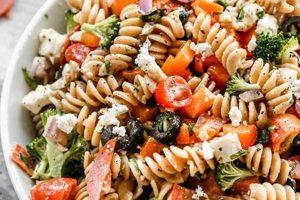
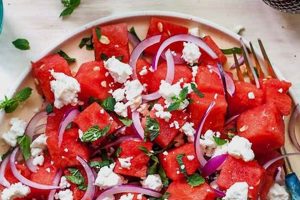
A simple dish composed primarily of sliced onions and tomatoes, this culinary creation often incorporates additional ingredients such as cucumbers, peppers, herbs, and various dressings. Variations can include different onion types (red, white, sweet), tomato varieties (cherry, heirloom, Roma), and a wide range of seasonings, from simple salt and pepper to more complex spice blends and vinaigrettes. A basic example might feature thinly sliced red onion and ripe tomatoes dressed with olive oil, lemon juice, and fresh parsley.
This refreshing salad offers several nutritional benefits, being a good source of vitamins, antioxidants, and fiber. The combination of flavorful ingredients creates a versatile side dish suitable for pairing with grilled meats, fish, or as a standalone light meal. Historically, simple tomato and onion salads have been staples in various cuisines, particularly in regions where these ingredients are readily available. Their adaptability has allowed them to evolve and become integrated into diverse culinary traditions.
Further exploration of this subject might include detailed recipes, nutritional information, variations based on regional cuisines, tips for ingredient selection and preparation, and suggestions for complementary pairings.
Tips for a Perfect Onion and Tomato Salad
Achieving optimal flavor and texture requires attention to detail in ingredient selection and preparation.
Tip 1: Choose ripe, flavorful tomatoes. Peak-season tomatoes offer superior sweetness and juiciness. Consider heirloom varieties for a diverse range of flavors and colors.
Tip 2: Macerate the onions. Soaking sliced red onions in cold water or a diluted vinegar solution for 10-15 minutes mellows their pungency and creates a milder flavor profile.
Tip 3: Utilize quality olive oil and vinegar. Extra virgin olive oil provides richness and complexity, while a good quality vinegar adds brightness and acidity. Experiment with different vinegar types like red wine, balsamic, or apple cider vinegar.
Tip 4: Season generously with salt and freshly ground black pepper. Proper seasoning enhances the natural flavors of the tomatoes and onions.
Tip 5: Incorporate fresh herbs. Parsley, cilantro, or mint add a refreshing element and elevate the overall flavor profile.
Tip 6: Add complementary ingredients. Consider adding cucumbers, bell peppers, or crumbled feta cheese for added texture and flavor complexity.
Tip 7: Prepare the salad close to serving time. This prevents the tomatoes from becoming watery and maintains the crispness of the other ingredients.
Attention to these details ensures a vibrant and flavorful salad that complements any meal.
By following these tips, one can consistently create a delicious and refreshing salad.
1. Fresh, Ripe Ingredients

The foundation of a successful onion and tomato salad rests upon the quality of its primary components: fresh, ripe tomatoes and onions. Ingredient selection significantly impacts the final flavor, texture, and overall enjoyment of the dish. Utilizing subpar produce results in a bland and potentially unpleasant culinary experience. Conversely, selecting optimal ingredients elevates the salad from simple to exceptional.
- Tomato Selection
Ripe tomatoes offer optimal sweetness, juiciness, and flavor complexity. Indicators of ripeness include vibrant color, a slight give to the touch, and a fragrant aroma. Variety selection influences the flavor profile; heirloom tomatoes offer diverse options, while Roma tomatoes provide a firmer texture suitable for slicing. Choosing tomatoes past their prime introduces undesirable qualities, such as mushiness and a bland, watery taste.
- Onion Selection
Onions, particularly red onions, provide a pungent counterpoint to the sweetness of tomatoes. Freshness is crucial; avoid onions with soft spots, sprouting, or a strong, sulfurous odor. Sweet onions, such as Vidalia or Walla Walla, offer a milder flavor profile compared to red onions, which possess a sharper bite. The choice depends on desired flavor intensity and personal preference.
- Impact on Flavor
The interplay between ripe tomatoes and fresh onions creates a dynamic flavor profile. The sweetness of the tomatoes balances the sharpness of the onions, while the contrasting textures provide a pleasing mouthfeel. Using less-than-fresh ingredients compromises this delicate balance, resulting in a less satisfying sensory experience.
- Importance of Seasonality
Consuming locally sourced, seasonal produce generally yields superior flavor and nutritional value. Tomatoes and onions reach peak flavor during their respective growing seasons. Out-of-season produce, often transported long distances, may lack the vibrancy and freshness crucial for a truly exceptional salad. Therefore, opting for seasonal ingredients whenever possible enhances both flavor and sustainability.
The emphasis on fresh, ripe ingredients underscores the importance of quality produce in achieving a superior onion and tomato salad. Careful selection of tomatoes and onions, considering factors like ripeness, variety, and seasonality, ensures a flavorful and enjoyable culinary outcome. This attention to detail elevates a simple dish into a celebration of fresh, vibrant ingredients.
2. Balanced Flavor Profiles

Balanced flavor profiles are essential for a successful onion and tomato salad recipe. The inherent sweetness of ripe tomatoes and the sharp pungency of onions require careful balancing to create a harmonious and palatable dish. This balance prevents any single flavor from dominating, allowing the nuanced characteristics of each ingredient to shine through. A well-balanced profile elevates the salad beyond a simple combination of ingredients, transforming it into a complex and enjoyable culinary experience.
- Acidity
Acidity plays a crucial role in balancing the sweetness of the tomatoes and the pungency of the onions. Vinegar, lemon juice, or other acidic ingredients introduce a bright, tart note that cuts through the richness of the other components. For example, a red wine vinaigrette provides a robust acidity that complements the sweetness of ripe heirloom tomatoes and the sharpness of red onions. The level of acidity should be carefully calibrated to enhance, not overpower, the other flavors.
- Sweetness
The natural sweetness of ripe tomatoes forms the foundation of the salad’s flavor profile. This inherent sweetness can be further enhanced by the addition of sweet onions, such as Vidalia or Walla Walla, or a touch of balsamic glaze. Balancing the sweetness with acidity and other contrasting flavors prevents the salad from becoming cloying. For instance, a sprinkle of sugar can balance an overly acidic dressing, while the judicious use of sweet onions complements the natural sugars in ripe tomatoes.
- Pungency/Sharpness
Onions contribute a characteristic pungency or sharpness, which adds depth and complexity to the salad. The level of pungency can be adjusted by choosing different onion varieties or by macerating the onions in cold water or a diluted vinegar solution. Maceration mellows the sharpness, creating a milder flavor profile. Balancing this pungency with sweetness and acidity prevents the onion flavor from becoming overwhelming, allowing it to complement the other ingredients harmoniously.
- Herbaceousness/Spice
Fresh herbs and spices add another layer of complexity to the salad’s flavor profile. Herbs like parsley, cilantro, or mint provide a refreshing, herbaceous counterpoint to the other ingredients. Spices, such as black pepper or a pinch of red pepper flakes, introduce a subtle heat or warmth. These additions should be used judiciously to enhance, not dominate, the overall flavor balance. For example, fresh parsley adds a bright, herbaceous note that complements the sweetness of the tomatoes and the pungency of the onions, while a pinch of black pepper provides a subtle warmth and complexity.
Careful consideration of these elements ensures a harmonious flavor profile in an onion and tomato salad recipe. The interplay of acidity, sweetness, pungency, and herbaceousness/spice creates a dynamic and enjoyable culinary experience. Achieving this balance elevates the salad from a simple combination of ingredients to a complex and satisfying dish.
3. Proper Knife Skills

Proper knife skills are fundamental to preparing a high-quality onion and tomato salad. Precise cutting techniques contribute significantly to the salad’s final appearance, texture, and even flavor distribution. Uniformly sliced ingredients ensure even maceration of onions, prevent uneven dressing absorption, and create a visually appealing presentation. Mastering fundamental knife skills elevates this simple dish, transforming it from rudimentary to refined.
- Uniformity of Cuts
Consistent slice thickness ensures even marinating and dressing absorption. Thinly sliced onions macerate more quickly, mellowing their pungency, while evenly sized tomato pieces absorb the dressing uniformly. Inconsistent sizes lead to some pieces being over-marinated or under-dressed, resulting in an unbalanced flavor experience. Uniformity also contributes to a more aesthetically pleasing presentation.
- Minimizing Bruising and Crushing
Sharp knives and proper cutting techniques minimize bruising and crushing of delicate ingredients. Bruised tomatoes release excess liquid, leading to a watery salad. Crushed onions can develop an unpleasant texture and release excessive sulfur compounds, impacting flavor negatively. Gentle handling and precise cuts preserve the integrity of the ingredients, resulting in a crisper, more flavorful salad.
- Safety and Efficiency
Proper knife skills enhance both safety and efficiency in the kitchen. A sharp knife, coupled with correct cutting techniques, reduces the risk of accidents. Efficient slicing and dicing streamlines the preparation process, minimizing preparation time. A confident and controlled approach to knife work allows for a smoother, more enjoyable cooking experience.
- Enhanced Presentation
Precisely cut ingredients contribute significantly to the final presentation of the salad. Uniformly sliced tomatoes and onions create a visually appealing dish, enhancing its overall aesthetic value. Attention to detail in cutting techniques elevates the salad from a simple side dish to a visually striking culinary creation. A well-presented salad is more appetizing and contributes to a more enjoyable dining experience.
Mastery of proper knife skills is therefore integral to crafting a superior onion and tomato salad. Precise cutting techniques contribute to even flavor distribution, optimal texture, and enhanced presentation, elevating this simple dish to a new level of culinary refinement. These skills ensure not only a delicious but also a visually appealing and enjoyable salad.
4. Optimal Ingredient Ratios

Optimal ingredient ratios are crucial for a well-balanced onion and tomato salad. Appropriate proportions ensure that no single flavor dominates, allowing the inherent sweetness of the tomatoes, the pungency of the onions, and the contributions of other ingredients to harmonize effectively. An imbalance can lead to a salad that is overly sweet, excessively sharp, or bland. Consider a scenario where an abundance of onions overwhelms the delicate sweetness of the tomatoes; the resulting salad would be unpleasantly pungent. Conversely, too many tomatoes might create a salad lacking the necessary sharpness for contrast. A successful recipe hinges on a careful balance that allows each ingredient to contribute its unique characteristics to the overall flavor profile. This balance creates a dynamic interplay of flavors, elevating the salad from a simple combination of ingredients to a more complex and satisfying culinary experience.
For instance, a classic onion and tomato salad might call for a 2:1 ratio of tomatoes to onions. This ratio allows the sweetness of the tomatoes to take center stage while the onions provide a complementary sharpness. However, these ratios are not fixed and can be adjusted based on personal preference, the specific varieties of tomatoes and onions used, and the inclusion of other ingredients. Adding ingredients such as cucumbers or bell peppers necessitates adjusting the tomato-to-onion ratio to maintain overall balance. Understanding the interplay of these ratios allows for flexibility and customization while ensuring a consistently delicious outcome. Experimentation can lead to personalized variations that cater to individual palates. A chef might opt for a 1:1 ratio for a more assertive onion presence or a 3:1 ratio for a milder flavor profile.
Achieving optimal ingredient ratios requires both a solid understanding of the inherent properties of each ingredient and a willingness to experiment. Recognizing the impact of variations in tomato and onion sweetness and pungency, along with the influence of additional components, allows for informed adjustments to recipes. This understanding empowers culinary creativity and ensures a consistently balanced and flavorful salad. While recommended ratios provide a useful starting point, adapting them based on specific ingredients and desired flavor outcomes is key to achieving culinary excellence. Mastering this aspect of salad preparation is essential for creating a truly exceptional and personalized onion and tomato salad.
5. Suitable Dressing Choices

Dressing selection significantly impacts the overall flavor profile of an onion and tomato salad recipe. A suitable dressing complements, rather than masks, the inherent flavors of the fresh ingredients. An inappropriate dressing can overpower the delicate balance of sweetness and acidity, rendering the salad unbalanced or unappetizing. Careful consideration of dressing componentsacidity, oil type, herbs, and spicesis crucial for creating a harmonious and flavorful salad.
- Acidity
Acidity is a crucial component in salad dressings, providing a bright, tart counterpoint to the sweetness of tomatoes and the pungency of onions. Common acidic ingredients include vinegar (red wine, balsamic, apple cider), lemon juice, and lime juice. The specific type and amount of acid influence the overall flavor profile. For instance, a balsamic vinaigrette offers a rich, tangy flavor, while a lemon vinaigrette provides a brighter, more citrusy note. The level of acidity should be carefully balanced to enhance the other flavors without overpowering them.
- Oil Type
The choice of oil contributes significantly to the dressing’s texture, flavor, and mouthfeel. Extra virgin olive oil is a popular choice, offering a robust flavor and a rich texture. Other options include avocado oil, grapeseed oil, and sunflower oil, each with its own distinct characteristics. Lighter oils, such as grapeseed oil, offer a more neutral flavor and a thinner consistency, while richer oils like extra virgin olive oil contribute a more pronounced flavor and a thicker texture. The oil should complement the other dressing ingredients and the flavors of the salad itself.
- Herbs and Spices
Fresh herbs and spices add depth and complexity to salad dressings. Common choices include parsley, cilantro, mint, oregano, basil, and chives. Spices like black pepper, red pepper flakes, or cumin can introduce subtle heat or earthy notes. The selection of herbs and spices should complement the overall flavor profile of the salad. For example, fresh dill might pair well with a lemon vinaigrette, while oregano could enhance a balsamic vinaigrette. The quantity used should be carefully considered to avoid overpowering the delicate flavors of the tomatoes and onions.
- Emulsification
Emulsification, the process of combining oil and an acidic liquid into a stable mixture, affects the dressing’s texture and how it coats the salad ingredients. A properly emulsified dressing clings evenly to the vegetables, ensuring consistent flavor distribution. Achieving a stable emulsion often involves whisking the ingredients vigorously or using a blender. This creates a creamy texture that evenly coats the salad components, preventing the oil and vinegar from separating. A stable emulsion ensures a more enjoyable and flavorful culinary experience.
Selecting a suitable dressing requires careful consideration of these interconnected factors. A well-chosen dressing elevates the onion and tomato salad, transforming it from a simple combination of ingredients into a harmonious and flavorful dish. The interplay of acidity, oil, herbs, spices, and emulsification creates a dressing that enhances the natural flavors of the tomatoes and onions, resulting in a truly delightful culinary creation.
Frequently Asked Questions
This section addresses common inquiries regarding onion and tomato salad recipes, providing concise and informative responses.
Question 1: How can one mitigate the pungency of raw onions in a salad?
Soaking thinly sliced onions in cold water or a diluted vinegar solution for 10-15 minutes mellows their sharpness. This process, known as maceration, reduces the intensity of the sulfur compounds responsible for onion’s pungency.
Question 2: What are the best tomato varieties for this type of salad?
Ripe, in-season tomatoes offer optimal flavor. Heirloom varieties provide diverse flavor profiles and vibrant colors, while Roma tomatoes offer a firmer texture suitable for slicing.
Question 3: Can other vegetables be added to an onion and tomato salad?
Cucumbers, bell peppers, and avocados are popular additions. Ingredient selection depends on desired flavor combinations and textural preferences. Maintaining balanced flavor profiles is crucial when incorporating additional vegetables.
Question 4: What type of dressing is most suitable?
Simple vinaigrettes, typically composed of olive oil, vinegar (such as red wine, balsamic, or apple cider), and seasonings, often complement the salad best. The dressing should enhance, not mask, the fresh flavors of the tomatoes and onions.
Question 5: How long can the salad be stored?
The salad is best consumed fresh. Storage beyond a few hours can result in a watery consistency as tomatoes release their juices. If storage is necessary, it is recommended to store the dressing separately and combine just before serving.
Question 6: How can one prevent the salad from becoming watery?
Salting the tomatoes lightly and allowing them to drain in a colander for a short period before combining with other ingredients can help reduce excess moisture. Additionally, preparing the salad close to serving time minimizes the time the ingredients sit together, further preventing a watery consistency.
Understanding these key aspects of preparation ensures a consistently delicious and refreshing onion and tomato salad.
This concludes the frequently asked questions section. Further inquiries can be directed to culinary resources or online forums dedicated to culinary discussions.
Conclusion
This exploration has delved into the multifaceted aspects of crafting a successful onion and tomato salad recipe. From the importance of fresh, ripe ingredients and balanced flavor profiles to the significance of proper knife skills, optimal ingredient ratios, and suitable dressing choices, each element contributes to the final culinary outcome. Ingredient selection, precise cutting techniques, and a harmonious balance of flavors are essential considerations. Furthermore, understanding the nuances of appropriate dressing selection elevates this seemingly simple dish to a new level of culinary refinement.
Culinary creations, even those seemingly basic, offer opportunities for continuous refinement and personal expression. The onion and tomato salad, though simple in its composition, exemplifies the potential for culinary artistry through attention to detail and a deep understanding of flavor dynamics. Encouraging experimentation with diverse ingredient combinations, varied cutting techniques, and a wide array of dressings allows for the discovery of innovative and personalized variations on this classic dish. This pursuit of culinary excellence transforms a basic salad into a testament to the transformative power of fresh ingredients and considered preparation.