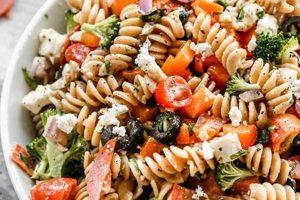
A deconstructed Italian sub, presented as a salad, typically features the same ingredients as its sandwich counterpart. These include cured meats such as salami, pepperoni, and capicola, cheeses like provolone or mozzarella, and vegetables like lettuce, tomatoes, onions, and peppers. A vinaigrette, often incorporating olive oil, red wine vinegar, and oregano, serves as the dressing, mirroring the flavors of a classic Italian sub. This presentation offers a lighter alternative while preserving the beloved flavor profile.
This dish offers a refreshing and convenient way to enjoy the robust flavors of an Italian sub. Its customizable nature allows for adjustments to individual dietary needs and preferences, catering to various palates and restrictions. The salad format also lends itself to easier portion control and can be a healthier option compared to a calorie-dense sub roll. Furthermore, it reduces carbohydrate intake, making it suitable for those following low-carb or gluten-free diets.
The following sections will delve into variations on this culinary concept, offering detailed recipes and exploring substitutions for ingredients to cater to diverse preferences and dietary requirements. Instructions for preparing the perfect vinaigrette and tips for achieving optimal flavor combinations will also be provided.
Tips for an Exceptional Italian Sub Salad
Crafting a truly satisfying Italian sub salad experience hinges on thoughtful ingredient selection and preparation. These tips offer guidance on maximizing flavor and achieving optimal results.
Tip 1: High-Quality Ingredients are Key: Opting for premium cured meats and cheeses significantly elevates the overall flavor profile. Fresh, crisp vegetables further enhance the salad’s taste and texture.
Tip 2: Consider Artichoke Hearts and Roasted Red Peppers: Incorporating marinated artichoke hearts and roasted red peppers introduces a depth of flavor and textural complexity, reminiscent of a fully loaded sub.
Tip 3: The Vinaigrette Matters: A well-balanced vinaigrette is crucial. Freshly prepared dressings with high-quality olive oil, red wine vinegar, and a blend of Italian herbs deliver superior flavor compared to pre-made alternatives.
Tip 4: Don’t Overdress: Add the vinaigrette gradually, tossing gently to coat the ingredients evenly. Overdressing can lead to a soggy salad.
Tip 5: Freshly Grated Cheese: Freshly grated cheese, particularly provolone or mozzarella, melts slightly upon contact with the warm ingredients, enhancing the creamy texture and flavor distribution.
Tip 6: Proper Storage: Store ingredients separately and combine just before serving to maintain optimal freshness and prevent the salad from becoming watery.
Tip 7: Customize to Preference: Adapt the ingredient list based on individual preferences. Consider additions like pepperoncini, olives, or giardiniera for those who prefer a spicier or more piquant flavor profile.
By following these tips, one can create an Italian sub salad that rivals its sandwich counterpart in both flavor and satisfaction. Careful attention to detail ensures a delightful culinary experience.
These insights provide a solid foundation for crafting a memorable Italian sub salad. The subsequent section will explore variations and adaptations of this versatile dish, catering to a range of dietary needs and preferences.
1. Fresh Ingredients

The quality of an Italian sub salad rests heavily on the freshness of its components. Fresh ingredients contribute significantly to the overall flavor, texture, and visual appeal of the dish, elevating it from ordinary to exceptional. The use of fresh produce and high-quality meats and cheeses ensures a vibrant and satisfying culinary experience.
- Produce Quality
Crisp lettuce, ripe tomatoes, and a vibrant onion provide a refreshing counterpoint to the richness of the meats and cheeses. Wilted or bruised produce detracts from the salad’s appeal and compromises its flavor profile. Selecting produce at peak ripeness ensures optimal flavor and texture. For example, using a flavorful heirloom tomato variety can significantly enhance the overall taste.
- Meat and Cheese Selection
High-quality cured meats, such as thinly sliced salami, pepperoni, and capicola, contribute significantly to the authentic Italian sub flavor. Similarly, fresh mozzarella or provolone, rather than pre-shredded varieties, offers superior texture and taste. The choice of these ingredients directly impacts the salad’s overall quality.
- Herb and Spice Impact
Fresh herbs, such as oregano and basil, significantly enhance the vinaigrette and overall flavor profile. Dried herbs can be used as a substitute, but fresh herbs offer a more vibrant and nuanced flavor. Likewise, freshly cracked black pepper adds a subtle heat and complexity that pre-ground pepper lacks.
- Proper Storage
Maintaining ingredient freshness requires proper storage techniques. Storing components separately and combining them just before serving prevents premature wilting and preserves optimal texture and flavor. This attention to detail ensures that each element contributes its peak qualities to the finished dish.
By prioritizing fresh, high-quality ingredients, the Italian sub salad becomes a vibrant and flavorful experience. The careful selection and handling of each component contribute not only to the taste but also to the overall presentation and enjoyment of the dish.
2. Balanced Vinaigrette
A balanced vinaigrette plays a crucial role in an Italian sub salad recipe, acting as a unifying element that harmonizes the diverse flavors of the ingredients. The vinaigrette’s balance of acidity, oil, and seasonings significantly impacts the overall taste experience. An overly acidic vinaigrette can overwhelm the delicate flavors of the vegetables and meats, while insufficient acidity can result in a bland salad. The oil component provides richness and carries the flavors of the herbs and spices, contributing to the salad’s mouthfeel. For example, a vinaigrette made with a high-quality extra virgin olive oil adds a fruity and peppery note, enhancing the overall complexity of the salad.
The classic Italian sub salad vinaigrette typically features red wine vinegar, olive oil, oregano, and sometimes garlic. The red wine vinegar provides the necessary acidity to cut through the richness of the meats and cheeses. The olive oil contributes a smooth, fruity flavor and helps to distribute the herbs and spices evenly throughout the salad. Oregano provides a quintessential Italian flavor profile, complementing the cured meats and cheeses. The balance of these ingredients is key: too much vinegar can make the salad sharp, while too much oil can make it heavy. A properly balanced vinaigrette enhances the flavors of the other ingredients without overpowering them. Consider a scenario where the vinaigrette includes Dijon mustard: the mustard adds a creamy texture and a subtle tang, further enhancing the complexity of the vinaigrette and complementing the other flavors.
Achieving the right balance in a vinaigrette is essential for a successful Italian sub salad. It’s not merely a dressing but a crucial component that elevates the dish. A well-executed vinaigrette ties the individual ingredients together, creating a cohesive and flavorful experience. Challenges can arise when using strongly flavored ingredients like olives or pepperoncini. In such cases, adjusting the vinaigrette’s acidity or sweetness may be necessary to maintain overall balance. Understanding the interplay of these elements allows for adjustments tailored to specific ingredient combinations and individual preferences, ensuring a consistently delicious and satisfying Italian sub salad.
3. High-Quality Meats

High-quality cured meats constitute a cornerstone of an authentic Italian sub salad experience. The selection of these meats significantly influences the overall flavor profile, texture, and aroma of the salad. Opting for premium cuts, cured using traditional methods, yields a more complex and nuanced taste compared to mass-produced alternatives. This choice impacts not only the immediate sensory experience but also the overall perceived quality of the dish. For instance, using thinly sliced prosciutto, with its delicate, salty flavor, adds a distinct richness not achievable with lower-grade ham. Similarly, authentic Genoa salami, with its characteristic blend of spices and robust flavor, contributes significantly more depth than generic salami.
The impact of high-quality meats extends beyond flavor. Texture plays a vital role in the overall enjoyment of the salad. Premium cured meats typically possess a firmer, more satisfying texture that holds up well against the other ingredients and the vinaigrette. This firmness prevents the meat from becoming mushy or disintegrating, maintaining a pleasant mouthfeel throughout the meal. Furthermore, the aroma of high-quality cured meats adds another layer of sensory enjoyment, enhancing the anticipation and overall dining experience. Consider the difference between the fragrant, enticing aroma of freshly sliced mortadella compared to the blander smell of pre-packaged bologna.
Ultimately, the investment in high-quality cured meats elevates the Italian sub salad from a simple meal to a culinary experience. The superior flavor, texture, and aroma contribute to a more satisfying and memorable dish. While cost considerations might tempt one towards less expensive options, the discernible difference in quality justifies the investment for those seeking an authentic and truly enjoyable Italian sub salad. Recognizing the crucial role of these meats encourages informed ingredient selection, leading to a more rewarding culinary outcome.
4. Crisp Vegetables
Crisp vegetables are essential for a successful Italian sub salad recipe, providing textural contrast, fresh flavors, and visual appeal. Their inclusion elevates the dish beyond a simple combination of ingredients, contributing significantly to a balanced and satisfying culinary experience. The selection, preparation, and incorporation of these vegetables directly influence the overall quality and enjoyment of the salad.
- Textural Variety
Crisp vegetables, such as romaine lettuce, iceberg lettuce, or a combination of both, provide a refreshing crunch that contrasts with the softer textures of the meats, cheeses, and other elements. This textural interplay enhances the eating experience, preventing the salad from feeling monotonous. Imagine the difference between biting into a crisp piece of romaine and a soggy piece of wilted spinach; the crispness adds a distinct element of enjoyment.
- Flavor Enhancement
The inclusion of fresh vegetables, like sliced tomatoes, red onions, and bell peppers, introduces bright, clean flavors that balance the richness of the cured meats and cheeses. These vegetables not only contribute their individual flavors but also enhance the overall flavor profile of the salad, creating a more complex and well-rounded taste experience. For example, the slight sweetness of bell peppers complements the saltiness of the meats, while the sharpness of red onion adds a piquant note.
- Visual Appeal
The vibrant colors of fresh vegetables contribute significantly to the visual appeal of the Italian sub salad. The deep green of lettuce, the bright red of tomatoes, and the varied hues of bell peppers create an aesthetically pleasing presentation that enhances the dining experience. This visual appeal stimulates the appetite and contributes to the overall perception of freshness and quality. The strategic placement of colorful vegetables can further enhance the presentation, making the salad more enticing.
- Nutritional Value
Beyond flavor and texture, crisp vegetables contribute essential vitamins, minerals, and fiber to the Italian sub salad. This nutritional boost transforms the dish into a more wholesome and balanced meal. Incorporating a variety of colorful vegetables ensures a broader spectrum of nutrients. For example, adding shredded carrots or cucumber slices not only enhances the textural and visual appeal but also increases the vitamin and mineral content of the salad.
The careful selection and incorporation of crisp vegetables are integral to a well-executed Italian sub salad recipe. Their contributions extend beyond mere ingredients, playing crucial roles in texture, flavor, visual presentation, and nutritional value. Understanding these contributions allows for more informed choices and ultimately a more satisfying and enjoyable culinary experience.
5. Proper Assembly
Proper assembly is crucial for an Italian sub salad recipe, impacting the final taste, texture, and overall enjoyment. Strategic layering and ingredient distribution prevent a soggy salad and ensure a balanced flavor experience in each bite. Consider this process as constructing a flavor architecture where each component plays a specific role in the final composition.
- Ingredient Order:
The order in which ingredients are layered significantly affects the salad’s structural integrity and flavor diffusion. Lettuce at the base creates a barrier against the vinaigrette, preventing the other ingredients from becoming waterlogged. Heavier items, like cheeses and meats, rest above the lettuce, followed by lighter, more delicate ingredients such as tomatoes and onions. This structured layering ensures that each bite incorporates a balanced combination of flavors and textures. Placing the more robust elements higher up also allows their flavors to permeate the salad without overpowering the more delicate components.
- Vinaigrette Distribution:
Even vinaigrette distribution is critical for preventing sogginess and ensuring a consistent flavor profile throughout the salad. Gently tossing the ingredients with the vinaigrette, rather than pouring it directly on top, ensures that each component is lightly coated. Overdressing can lead to a heavy, unappetizing salad, while insufficient dressing results in dry, bland bites. Using tongs or gently mixing with two large spoons helps to distribute the vinaigrette evenly without crushing or bruising the more delicate ingredients. This even coating ensures that each bite is flavorful and avoids pockets of excessive dressing or dryness.
- Portioning:
Proper portioning ensures a balanced ratio of ingredients in each serving. Consider the proportions of lettuce, meats, cheeses, and other vegetables for optimal flavor and texture. Too much lettuce can make the salad feel sparse, while excessive meat or cheese can overwhelm the other flavors. Visualizing the ideal bitewith a balanced representation of each componentguides portioning decisions and contributes to a more satisfying meal. Consistent portioning also ensures that each serving provides a similar culinary experience.
- Timing:
Timing plays a critical role in maintaining the integrity and freshness of the salad. Assembling the salad too far in advance allows the vinaigrette to degrade the vegetables, leading to a soggy and less appealing dish. Ideally, the salad should be assembled just before serving. If advance preparation is necessary, store the ingredients separately and combine them only shortly before serving. This practice preserves the crispness of the vegetables and prevents the flavors from muddling together. Separating the vinaigrette also prevents premature wilting and ensures a fresher, more vibrant salad.
Proper assembly elevates the Italian sub salad from a collection of ingredients to a well-composed dish. Attention to these facetsingredient order, vinaigrette distribution, portioning, and timingensures a harmonious blend of flavors, textures, and visual appeal, resulting in a more satisfying and enjoyable culinary experience. These principles highlight that crafting an exceptional Italian sub salad goes beyond simply combining ingredients; it requires a thoughtful approach to assembly for optimal results.
Frequently Asked Questions
This section addresses common inquiries regarding Italian sub salads, offering concise and informative responses to clarify potential uncertainties and enhance understanding of this versatile dish.
Question 1: What is the best type of lettuce to use?
Romaine lettuce is often preferred for its crisp texture and ability to hold up well against the vinaigrette. Iceberg lettuce can also be used for its added crunch, or a combination of both offers a balance of textures.
Question 2: Can other cheeses be substituted for provolone or mozzarella?
While provolone and mozzarella are traditional, other cheeses like pepper jack, Monterey Jack, or even a sharp cheddar can be incorporated to explore alternative flavor profiles. Consider the cheese’s melting properties and how its flavor will interact with the other ingredients.
Question 3: How can the salad be made spicier?
Incorporating sliced pepperoncini, a sprinkle of red pepper flakes, or a dash of hot sauce into the vinaigrette adds a spicy kick. Alternatively, using spicy salami varieties can increase the heat level.
Question 4: What are suitable substitutes for cured meats?
Roasted or grilled chicken, turkey, or ham can serve as alternatives to cured meats. These options provide lean protein while maintaining the overall flavor profile of the salad. Chickpeas or white beans can also be incorporated for a vegetarian adaptation.
Question 5: How long can the salad be stored?
Storing ingredients separately and combining them just before serving ensures optimal freshness. Once assembled, the salad is best consumed immediately. If storage is necessary, keep it refrigerated for no more than 24 hours, recognizing that some textural degradation may occur.
Question 6: Can the Italian sub salad be adapted for a low-carb diet?
Omitting croutons and using a minimal amount of a low-sugar vinaigrette significantly reduces carbohydrate content. Focusing on the meat, cheese, and vegetable components creates a satisfying low-carb meal option.
Understanding these frequently asked questions facilitates successful preparation and customization of an Italian sub salad, ensuring a flavorful and enjoyable experience tailored to individual preferences and dietary needs.
The subsequent section will delve into various recipe variations, offering diverse approaches to crafting this versatile dish.
Italian Sub Salad Recipe
Exploration of the Italian sub salad recipe reveals a dish offering versatility and customizable flavor profiles. Emphasis on fresh, high-quality ingredients, a balanced vinaigrette, and proper assembly techniques contributes significantly to the overall culinary experience. From ingredient selection to layering strategies, each step influences the final product’s taste, texture, and presentation. Understanding the interplay of these elements allows for informed choices, catering to individual preferences and dietary requirements.
The Italian sub salad represents more than a simple deconstruction of a classic sandwich; it embodies culinary adaptability and a celebration of fresh, vibrant flavors. Continued experimentation with ingredient combinations and vinaigrette variations promises further evolution of this dish, solidifying its place as a refreshing and satisfying meal option.