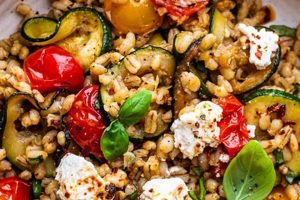
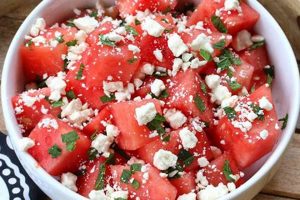
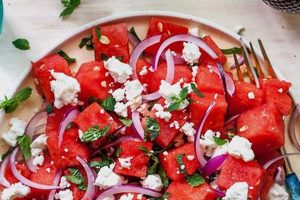
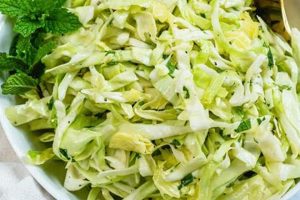
A vibrant and refreshing dish featuring quintessential Mediterranean ingredients, this salad typically combines ripe tomatoes, crisp cucumbers, sliced red onion, Kalamata olives, and crumbled feta cheese. Often, a simple vinaigrette of olive oil, lemon juice, oregano, and salt and pepper seasons the salad. Variations might include other ingredients such as bell peppers, capers, or fresh herbs like mint or dill.
This style of salad offers a nutritious and flavorful meal option. The fresh produce provides essential vitamins and minerals, while olive oil contributes healthy fats. It is a light yet satisfying dish, well-suited to warm climates. Historically, similar salads have been a staple in the Mediterranean region, reflecting the agricultural bounty of the area and its culinary traditions.
Further exploration will delve into specific variations, preparation techniques, and nutritional information related to this culinary delight. Considerations such as ingredient sourcing, optimal seasoning, and complementary pairings will also be discussed.
Tips for a Delicious Mediterranean Salad
Optimizing ingredient selection and preparation techniques elevates this simple salad to a culinary masterpiece. Attention to detail ensures a vibrant, flavorful, and authentic experience.
Tip 1: Source High-Quality Ingredients: The success of this salad hinges on the freshness and quality of its components. Opt for ripe, in-season produce whenever possible. Seek flavorful tomatoes, crisp cucumbers, and pungent red onions.
Tip 2: Embrace Authentic Feta: True Greek feta, made from sheep’s milk or a blend of sheep and goat milk, offers a distinct tangy flavor crucial to the salad’s profile. Avoid substitutes made solely from cow’s milk.
Tip 3: Properly Prepare the Red Onion: Red onion’s sharpness can be tempered by soaking thinly sliced rings in ice water for 10-15 minutes. This process mellows the flavor and maintains a pleasant crispness.
Tip 4: Use High-Quality Olive Oil: Extra virgin olive oil, with its robust flavor and health benefits, forms the foundation of the vinaigrette. Select a reputable brand known for its quality and purity.
Tip 5: Season Judiciously: A simple seasoning of oregano, salt, and freshly cracked black pepper enhances the salad’s natural flavors. Avoid over-seasoning, which can mask the delicate tastes of the fresh ingredients.
Tip 6: Add Herbs Sparingly: While fresh herbs such as mint or dill can add a delightful touch, use them sparingly to avoid overpowering the core flavors of the salad.
Tip 7: Serve Immediately: This salad is best enjoyed fresh. Dress the salad just before serving to prevent the vegetables from becoming soggy.
By adhering to these guidelines, one can achieve a truly exceptional Mediterranean salad, maximizing flavor and freshness. These simple yet effective techniques ensure a consistently satisfying culinary experience.
The following section will provide concluding remarks and suggest further culinary explorations related to Mediterranean cuisine.
1. Fresh, High-Quality Ingredients

The emphasis on fresh, high-quality ingredients is paramount in a Greek Mediterranean salad. This salad, unlike those relying on heavier dressings or cooked components, showcases the inherent flavors of its raw constituents. Subpar produce results in a bland, potentially unpleasant experience. The delicate interplay of ripe tomatoes, crisp cucumbers, and fragrant herbs relies entirely on their individual quality. For example, a mealy tomato will detract from the overall freshness, while a bland cucumber will dilute the vibrancy of the dish. Investing in superior produce elevates the salad from simple to exceptional.
This principle extends beyond the vegetables. Authentic Greek feta, traditionally made from sheep or goat’s milk, contributes a unique tang and creamy texture absent in inferior substitutes. Extra virgin olive oil, another crucial element, must possess a robust flavor profile to anchor the vinaigrette. Compromising on oil quality diminishes the salad’s overall taste and nutritional value. Even the simplest ingredients, like oregano and salt, benefit from careful selection. Freshly dried oregano provides a more potent aroma and flavor than pre-ground versions, while high-quality sea salt enhances the natural sweetness of the vegetables.
Prioritizing ingredient quality underscores a fundamental principle of Mediterranean cuisine: a reliance on fresh, seasonal produce. This approach maximizes flavor and nutritional value while minimizing the need for complex preparations or heavy sauces. The practical significance of this understanding lies in the direct correlation between ingredient quality and the final product. By focusing on sourcing the best possible components, one ensures a truly authentic and satisfying Greek Mediterranean salad experience. This commitment to quality transcends mere culinary preference; it reflects a deeper appreciation for the inherent flavors and nutritional benefits offered by fresh, seasonal ingredients.
2. Authentic Greek Feta
Authentic Greek feta plays a crucial role in a true Greek Mediterranean salad, distinguishing it from other salads featuring feta-style cheeses. Its unique characteristics contribute significantly to the salad’s overall flavor profile and cultural authenticity. Understanding the distinctions of authentic Greek feta provides valuable insight into its importance within this culinary context.
- Protected Designation of Origin (PDO)
Authentic Greek feta holds a PDO status, signifying its production within specific regions of Greece using traditional methods. This designation ensures adherence to strict quality standards regarding milk source (sheep and/or goat), processing techniques, and aging. PDO feta guarantees a specific flavor profile and texture, contributing significantly to the salad’s authenticity. Using non-PDO feta, often made from cow’s milk, results in a noticeably different taste and diminishes the connection to traditional Greek cuisine.
- Flavor Profile
Authentic Greek feta possesses a distinct tangy, salty flavor derived from the sheep and/or goat milk used in its production. This tanginess provides a necessary counterpoint to the sweetness of ripe tomatoes and cucumbers in the salad. The characteristic salty flavor also enhances the overall taste experience, reducing the need for excessive added salt. Substitutes lack this specific tang, often exhibiting a milder, creamier flavor profile that can disrupt the intended balance of the salad.
- Texture and Crumbliness
The texture of authentic Greek feta is firm yet crumbly, allowing it to distribute evenly throughout the salad while maintaining its distinct presence. This crumbliness contributes to the salad’s textural complexity, providing a pleasant contrast to the other ingredients. Feta substitutes often exhibit a smoother, less crumbly texture, which can result in an uneven distribution and a less satisfying mouthfeel.
- Cultural Significance
Using authentic Greek feta in the salad acknowledges the dish’s cultural heritage. Feta has a long and storied history in Greek cuisine, representing a significant element of the country’s culinary traditions. Incorporating PDO feta demonstrates respect for these traditions and contributes to a more authentic and meaningful dining experience. Opting for substitutes disregards this cultural significance, reducing the salad to a mere imitation of the genuine article.
These combined factors demonstrate that authentic Greek feta is not merely an ingredient, but a defining component of a true Greek Mediterranean salad. Its PDO status, distinct flavor profile, characteristic texture, and cultural significance contribute immeasurably to the dish’s overall authenticity and culinary impact. Understanding these nuances allows for a deeper appreciation of the salad’s cultural context and elevates the dining experience beyond simple sustenance.
3. Extra Virgin Olive Oil

Extra virgin olive oil is not merely a dressing; it is an integral component of a Greek Mediterranean salad, contributing significantly to its flavor profile, texture, and nutritional value. An understanding of its specific characteristics and its interaction with other ingredients is essential for appreciating its role in this culinary context.
- Flavor Enhancement
Extra virgin olive oil, with its complex flavor profile ranging from fruity and peppery to grassy and herbaceous, elevates the simple ingredients of the salad. Its robust flavor complements the sweetness of ripe tomatoes, the subtle bitterness of cucumbers, and the tanginess of feta cheese, creating a harmonious balance. Lower quality oils lack this complexity and can detract from the overall flavor experience. For instance, a delicate olive oil with subtle fruit notes might be overpowered by the stronger flavors of olives and feta, while a robust oil with peppery notes enhances those flavors.
- Texture and Mouthfeel
The viscosity of extra virgin olive oil contributes to the salad’s pleasant mouthfeel. It coats the vegetables, providing a smooth, luxurious texture that enhances the eating experience. This characteristic also allows the oil to carry and distribute the flavors of the other ingredients, creating a cohesive and satisfying blend. A thinner oil would lack this coating ability, resulting in a less satisfying texture and a less integrated flavor profile.
- Nutritional Contribution
Beyond flavor and texture, extra virgin olive oil contributes significantly to the nutritional value of the salad. It is a rich source of monounsaturated fats, antioxidants, and anti-inflammatory compounds, all beneficial to health. These nutritional benefits align with the broader health-conscious principles often associated with Mediterranean cuisine. Substituting other oils with less favorable fatty acid profiles diminishes the nutritional value of the salad.
- Cultural Significance
Olive oil holds deep cultural significance within the Mediterranean region, representing a cornerstone of its culinary traditions and agricultural heritage. Its use in the Greek Mediterranean salad reflects this historical importance, connecting the dish to a broader cultural context. Utilizing extra virgin olive oil, the highest quality form, further emphasizes this connection and demonstrates respect for these traditions. Choosing alternative oils disregards this cultural significance and diminishes the salad’s authenticity.
The interplay of these factors underscores the essential role of extra virgin olive oil in a Greek Mediterranean salad. Its contribution extends beyond mere dressing, influencing the dish’s flavor, texture, nutritional value, and cultural significance. A true appreciation of this salad requires an understanding of the unique contribution of this key ingredient, demonstrating that a simple dish can achieve culinary excellence through careful selection and combination of high-quality components.
4. Simple Vinaigrette
A simple vinaigrette is fundamental to a Greek Mediterranean salad, acting as more than just a dressing. It serves as a unifying element, harmonizing the individual flavors of the fresh ingredients while enhancing their inherent qualities. The vinaigrette’s simplicity, a hallmark of Mediterranean cuisine, allows the natural flavors of the produce and feta to shine through, creating a balanced and refreshing culinary experience. A complex or heavy dressing would mask these delicate flavors, detracting from the salad’s intended character. The typical vinaigrette, composed of extra virgin olive oil, lemon juice, oregano, salt, and pepper, provides a bright acidity that cuts through the richness of the olive oil and feta, while the oregano adds an aromatic herbal note that complements the fresh vegetables. For example, the acidity of the lemon juice balances the fattiness of the olive oil and feta, preventing the salad from feeling overly rich. Furthermore, the vinaigrettes simplicity offers flexibility; the proportions of its components can be adjusted to suit individual preferences, highlighting specific flavor profiles or accommodating seasonal variations in produce.
The choice of a simple vinaigrette also has practical implications for the salad’s overall texture and presentation. A light vinaigrette prevents the salad from becoming soggy, a common issue with heavier dressings. The emulsion of olive oil and lemon juice lightly coats the vegetables, enhancing their visual appeal and contributing to a pleasant mouthfeel without overwhelming the delicate textures of the ingredients. Consider a salad made with an overly thick vinaigrette: the vegetables would become weighed down, their vibrant colors dulled, and their crisp textures compromised. The simple vinaigrette avoids this pitfall, maintaining the salads fresh, vibrant character. This approach also aligns with the broader principles of Mediterranean cuisine, which prioritizes fresh, seasonal ingredients and simple preparations that allow natural flavors to take center stage.
In summary, the simple vinaigrette is integral to the success of a Greek Mediterranean salad. Its uncomplicated nature enhances the flavors and textures of the fresh ingredients, creating a balanced and refreshing culinary experience. Furthermore, it reflects the broader principles of Mediterranean cuisine, emphasizing the inherent qualities of fresh, seasonal produce. Understanding the importance of this seemingly simple element contributes to a deeper appreciation of the salads culinary artistry and cultural significance. This careful consideration of the vinaigrette demonstrates that even seemingly minor components can have a profound impact on a dishs overall success.
5. Ripe, Seasonal Produce

The concept of using ripe, seasonal produce is intrinsic to a truly authentic Greek Mediterranean salad. This principle directly impacts the salad’s flavor, nutritional value, and overall culinary experience. Prioritizing seasonal ingredients aligns with the historical and cultural context of Mediterranean cuisine, reflecting a deep respect for the natural rhythms of agriculture and the inherent flavors of fresh produce.
- Peak Flavor and Nutrition
Produce harvested at its peak ripeness exhibits optimal flavor and nutritional content. Tomatoes grown during their natural season offer a sweetness and complexity often absent in out-of-season varieties. Similarly, cucumbers harvested at their peak crispness provide a refreshing crunch and a higher concentration of vitamins and minerals. In a Greek Mediterranean salad, where simple preparations highlight the inherent flavors of the ingredients, using ripe, seasonal produce is paramount. For instance, a winter tomato, often grown in artificial conditions and harvested before full ripeness, will lack the vibrant flavor of a sun-ripened summer tomato. This difference significantly impacts the overall taste of the salad.
- Connection to Agricultural Traditions
Emphasizing seasonal ingredients reflects a respect for traditional agricultural practices. Historically, Mediterranean cuisine relied on locally sourced produce available during specific times of the year. This reliance fostered a deep understanding of the natural growing cycles and an appreciation for the unique flavors each season offered. A Greek Mediterranean salad made with in-season produce embodies this connection to agricultural heritage, offering a taste of the region’s terroir. Using imported, out-of-season produce disrupts this connection and often results in a less flavorful and less authentic culinary experience.
- Environmental Sustainability
Choosing seasonal produce promotes environmental sustainability by reducing the need for long-distance transportation, energy-intensive greenhouse cultivation, and artificial ripening methods. Locally sourced, seasonal ingredients minimize the carbon footprint associated with food production and support local farming communities. This environmentally conscious approach aligns with the broader ethos of Mediterranean cuisine, which emphasizes simplicity, resourcefulness, and a harmonious relationship with nature. Consuming out-of-season produce, often transported thousands of miles, contradicts these principles and contributes to environmental degradation.
- Culinary Variation Throughout the Year
Embracing seasonal produce encourages culinary creativity and variation throughout the year. A Greek Mediterranean salad prepared in the spring might feature early-season greens and artichokes, while a summer version showcases ripe tomatoes and cucumbers. This adaptability allows for a dynamic culinary experience that reflects the ever-changing bounty of nature. Conversely, relying on year-round availability of the same ingredients can lead to culinary monotony and a diminished appreciation for the nuances of seasonal flavors.
In conclusion, the principle of using ripe, seasonal produce is integral to a truly authentic and flavorful Greek Mediterranean salad. It impacts not only the taste and nutritional value but also connects the dish to its cultural and agricultural roots, while promoting environmental sustainability. This understanding elevates the salad from a simple combination of ingredients to a culinary expression of a region’s history, traditions, and deep connection to the natural world. By prioritizing seasonal produce, one gains a deeper appreciation for the inherent flavors of fresh ingredients and contributes to a more sustainable and culturally relevant culinary experience.
6. Proper Red Onion Preparation

Proper red onion preparation is crucial for a balanced and enjoyable Greek Mediterranean salad. Raw red onion possesses a pungent, sometimes overpowering, flavor that can overshadow the other delicate ingredients. Improperly prepared, it introduces a harsh, sharp taste that clashes with the freshness of the tomatoes, cucumbers, and feta. However, red onion also contributes a desirable piquancy and vibrant color; its preparation, therefore, requires a nuanced approach to harness its positive attributes while mitigating its potential drawbacks. Soaking thinly sliced red onion in ice water for 10-15 minutes effectively mellows its sharpness. This process leaches out the sulfur compounds responsible for the pungent flavor, resulting in a milder, sweeter taste that complements the other salad components. The ice water also maintains the onion’s crisp texture, preventing it from becoming limp or soggy. Failing to soak the onion can lead to a domineering, unpleasant flavor profile, diminishing the overall enjoyment of the salad. Consider the contrast between biting into a crisp, mildly sweet red onion and encountering a harsh, pungent bite that overpowers the other flavorsthe difference is significant. This seemingly small step has a profound impact on the final product.
The practical significance of this understanding lies in the ability to create a harmonious balance of flavors. A properly prepared red onion contributes a subtle sharpness and a pleasing textural element, enhancing the overall sensory experience. It adds a layer of complexity without overwhelming the delicate flavors of the other ingredients. This attention to detail elevates the salad from a simple combination of ingredients to a carefully crafted culinary composition. Imagine a symphony orchestra: each instrument plays a specific role, contributing to the overall harmony. A single instrument played too loudly disrupts the balance. Similarly, each ingredient in the salad plays a role, and the properly prepared red onion contributes its part without overpowering the ensemble.
In summary, proper red onion preparation, a seemingly minor detail, plays a significant role in the overall success of a Greek Mediterranean salad. It demonstrates that even the simplest steps can have a profound impact on a dish’s flavor profile and balance. This understanding underscores the importance of thoughtful preparation in achieving culinary excellence, showcasing how attention to detail can elevate a simple salad to a truly satisfying and harmonious culinary experience. The careful handling of a single ingredient contributes to the greater whole, highlighting the interconnectedness of components within a successful dish.
7. Minimal, Impactful Seasoning

Minimal, impactful seasoning is a defining characteristic of a successful Greek Mediterranean salad. This approach allows the inherent flavors of the fresh, high-quality ingredients to shine. Over-seasoning masks these delicate flavors, while insufficient seasoning results in a bland, underwhelming dish. The goal is to enhance, not overpower, the natural taste of the ripe tomatoes, crisp cucumbers, salty feta, and robust olive oil. A careful balance of salt, freshly cracked black pepper, and dried oregano typically suffices. For example, a heavy hand with dried herbs can create a bitter, medicinal taste that overwhelms the other components. Conversely, neglecting salt entirely fails to bring out the natural sweetness of the vegetables and dulls the overall flavor profile. The precise amount of seasoning may vary depending on individual preferences and the specific ingredients used, but the underlying principle remains: enhance, don’t dominate.
The practical significance of this principle lies in achieving a harmonious blend of flavors. Each ingredient contributes its unique character to the overall composition. The salt enhances the sweetness of the tomatoes and cucumbers, while the pepper adds a subtle bite. The oregano provides an aromatic backdrop that complements the other flavors without overwhelming them. Consider the impact of adding a complex blend of spices or a heavy dose of garlic powder. While these additions might be suitable for other culinary contexts, they would detract from the intended simplicity and freshness of a Greek Mediterranean salad. The restrained use of seasoning preserves the integrity of each individual ingredient, allowing them to shine collectively in a harmonious ensemble. This allows for a clean, refreshing taste that highlights the quality of the produce and the other core components.
In summary, minimal, impactful seasoning serves as a crucial element in a well-executed Greek Mediterranean salad. This approach demonstrates a deep respect for the natural flavors of fresh, high-quality ingredients. The careful balance of seasonings enhances, rather than masks, these inherent flavors, resulting in a harmonious and refreshing culinary experience. This principle underscores the importance of restraint and intentionality in culinary practice, demonstrating that less can indeed be more when it comes to creating a truly exceptional dish. The success of this approach hinges on a deep understanding of the interplay between individual ingredients and the judicious use of seasonings to create a unified and balanced whole.
Frequently Asked Questions
This section addresses common inquiries regarding the preparation and enjoyment of a Greek Mediterranean salad, offering practical guidance and clarifying potential misconceptions.
Question 1: Can romaine lettuce be substituted for other vegetables?
Romaine lettuce, while acceptable, is not traditional. The salad typically emphasizes other vegetables like tomatoes and cucumbers. Adding romaine can alter the intended flavor profile and texture.
Question 2: Is bottled lemon juice suitable for the vinaigrette?
Freshly squeezed lemon juice is strongly preferred. Bottled juice often contains additives that can negatively impact the vinaigrette’s flavor.
Question 3: Must the red onion be soaked?
Soaking red onion is highly recommended. This process mellows the onion’s pungency, creating a more balanced flavor profile. Omitting this step can result in an overly sharp taste.
Question 4: Can dried oregano be substituted with fresh oregano?
While fresh oregano can be used, dried oregano is more traditional and offers a more concentrated flavor that integrates well with the other ingredients. If using fresh oregano, use it sparingly.
Question 5: How long can the salad be stored?
This salad is best consumed immediately after preparation. Storing it, especially after dressing, can lead to soggy vegetables and diminished flavor.
Question 6: Are there specific regional variations of this salad?
Variations exist throughout the Mediterranean. Some regions might incorporate ingredients like capers, bell peppers, or specific local herbs. These variations reflect regional agricultural practices and culinary traditions.
Careful consideration of these frequently asked questions ensures optimal preparation and enjoyment of this classic Mediterranean dish. Understanding the nuances of ingredient selection and preparation techniques allows one to fully appreciate the intended balance of flavors and textures.
The subsequent section will offer concluding remarks and suggest further exploration of Mediterranean cuisine.
Conclusion
Exploration of the Greek Mediterranean salad recipe reveals a dish deeply rooted in tradition and culinary excellence. Emphasis on fresh, high-quality ingredients, including ripe seasonal produce, authentic Greek feta, and extra virgin olive oil, underscores the importance of simplicity and quality. Proper preparation techniques, such as soaking red onions and employing minimal yet impactful seasoning, further enhance the inherent flavors of the components. Understanding the cultural and historical context surrounding this dish provides a deeper appreciation for its significance within Mediterranean cuisine.
The Greek Mediterranean salad recipe serves as a testament to the enduring power of simple, fresh ingredients prepared with care and intention. It offers a culinary experience that transcends mere sustenance, connecting individuals to a rich cultural heritage and a profound appreciation for the bounty of the Mediterranean region. Continued exploration of regional variations and adaptations promises further culinary discoveries and a deeper understanding of this timeless classic.