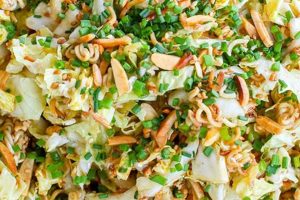
Warm cabbage salads offer a departure from traditional raw coleslaw, providing a comforting and often heartier dish. These salads can incorporate various cooking methods for the cabbage, such as sauting, braising, or roasting, resulting in softened textures and nuanced flavors. Ingredients like bacon, onions, apples, caraway seeds, and creamy dressings are frequently combined with the cooked cabbage to create diverse flavor profiles.
Preparing cabbage with heat offers several culinary advantages. Cooking can mellow the sometimes strong flavor of raw cabbage, making it more palatable to a wider range of tastes. It also increases digestibility and allows for deeper integration of flavors from added ingredients. Historically, cooking cabbage has been a prevalent practice across numerous cultures, particularly in regions with colder climates, serving as a method of preserving the vegetable and extending its usability throughout the year.
This exploration will delve into the versatility of warm cabbage salads, examining different cooking techniques, regional variations, and nutritional benefits. It will also offer practical guidance on ingredient selection, preparation methods, and creative serving suggestions.
Tips for Preparing Warm Cabbage Salads
Achieving optimal flavor and texture in warm cabbage salads requires attention to detail throughout the preparation process. The following tips offer guidance for creating delicious and satisfying dishes.
Tip 1: Selecting the Right Cabbage: While various cabbage varieties work well, denser heads like Savoy or green cabbage tend to hold their shape better during cooking. Avoid pre-shredded cabbage, as it can become overly soft when heated.
Tip 2: Controlling Moisture: Excess moisture can result in a soggy salad. Ensure the cabbage is thoroughly dried after washing and consider salting shredded cabbage and letting it sit for a short time before cooking to draw out excess water.
Tip 3: Balancing Flavors: Cooked cabbage readily absorbs flavors. Balance the sweetness of added ingredients like apples or raisins with acidic elements such as vinegar or lemon juice.
Tip 4: Choosing the Right Cooking Method: Sauting offers quick cooking and a slightly crisp texture, while braising yields a more tender, melt-in-your-mouth result. Roasting intensifies the cabbage’s natural sweetness.
Tip 5: Adding Flavorful Ingredients: Bacon, onions, caraway seeds, and apples are classic additions, but don’t hesitate to experiment with other ingredients like dried cranberries, toasted nuts, or different herbs and spices.
Tip 6: Dressing Considerations: Creamy dressings complement the richness of cooked cabbage well, but lighter vinaigrettes can offer a refreshing counterpoint. Add the dressing just before serving to prevent the salad from becoming overly saturated.
Tip 7: Serving Temperature: Warm cabbage salads can be served warm, at room temperature, or even chilled, offering flexibility for different occasions and preferences.
By following these guidelines, one can consistently create warm cabbage salads that are both flavorful and visually appealing. Careful ingredient selection and attention to cooking techniques contribute significantly to the final dish’s success.
With a firm understanding of the techniques and principles discussed, the next section will offer a selection of inspiring recipes to explore.
1. Cabbage Variety
Cabbage variety plays a crucial role in determining the texture, flavor, and overall success of cooked cabbage salads. Different cabbages possess unique characteristics that respond differently to cooking methods and interact variously with other ingredients. Selecting the appropriate variety is essential for achieving the desired outcome.
- Head Shape and Density
The density and shape of the cabbage head influence its cooking properties. Dense, compact heads like green cabbage hold their shape well during cooking, making them suitable for salads requiring structural integrity. Conversely, looser heads like Savoy cabbage have a more delicate texture and cook more quickly, resulting in a softer, more yielding consistency.
- Leaf Texture and Flavor
Leaf texture and flavor vary significantly among cabbage varieties. Green cabbage has robust leaves and a slightly peppery flavor, which mellows upon cooking. Savoy cabbage, with its crinkled leaves, offers a milder, sweeter taste. Napa cabbage, possessing tender leaves and a delicate flavor, is ideal for quick cooking methods.
- Color and Pigmentation
While primarily impacting visual appeal, cabbage color can also indicate subtle flavor differences. Red cabbage, with its vibrant hue, possesses a slightly more peppery flavor than green cabbage. The color also adds visual interest to salads, particularly when combined with other colorful ingredients.
- Suitability for Different Cooking Methods
Certain cabbage varieties are better suited for specific cooking methods. Green cabbage’s sturdy structure makes it ideal for braising or roasting, where longer cooking times enhance its flavor. Napa cabbage, given its tenderness, is best suited for quick sauts or stir-fries. Savoy cabbage, with its delicate texture, works well in both quick and longer cooking applications.
Understanding the nuances of each cabbage variety allows for informed decisions in recipe development. By considering factors such as head density, leaf texture, and flavor profile, one can select the most appropriate cabbage for a given cooking method and desired outcome, ultimately enhancing the flavor and texture of the final dish.
2. Cooking Methods

The cooking method employed significantly influences the final texture, flavor, and overall character of cooked cabbage salads. Different techniques impart unique characteristics to the cabbage, affecting its tenderness, sweetness, and ability to absorb other flavors. Understanding the nuances of each method allows for informed choices based on desired outcomes.
- Sauting
Sauting involves cooking cabbage quickly in a hot pan with a small amount of fat. This method results in a crisp-tender texture, preserving some of the cabbage’s natural crunch while slightly mellowing its flavor. It is ideal for salads featuring bolder flavors, as the cabbage retains its ability to stand up to stronger ingredients. Sauted cabbage pairs well with robust dressings and complements ingredients like bacon, onions, and garlic.
- Braising
Braising involves cooking cabbage slowly in a small amount of liquid over low heat. This method yields an exceptionally tender, almost melt-in-your-mouth texture and enhances the cabbage’s natural sweetness. Braised cabbage absorbs the flavors of the braising liquid, making it ideal for incorporating herbs, spices, and aromatics. This method is well-suited for salads with richer, more nuanced flavor profiles.
- Roasting
Roasting cabbage in a dry, high-heat environment caramelizes the sugars in the leaves, intensifying their sweetness and creating a slightly charred, smoky flavor. This method adds a depth of flavor that complements both creamy and tangy dressings. Roasted cabbage works well in salads with earthy flavors, such as those featuring roasted root vegetables or nuts.
- Steaming
Steaming offers a gentle cooking method that preserves the cabbage’s nutrients and results in a tender, yet still slightly crisp texture. Steamed cabbage has a milder flavor profile, making it a versatile base for various dressings and ingredients. This method is suitable for salads emphasizing fresh, bright flavors.
The chosen cooking method plays a pivotal role in shaping the final character of a cooked cabbage salad. By carefully considering the desired texture and flavor profile, and selecting the appropriate cooking technique, one can create dishes with distinct and satisfying characteristics. This understanding of cooking methods empowers culinary exploration and allows for customized, delicious results.
3. Flavor Profiles

Flavor profiles play a defining role in cooked cabbage salad recipes, elevating them from simple sides to complex and satisfying dishes. The interplay of sweet, sour, savory, and spicy elements creates depth and balance, transforming the often-overlooked cabbage into a culinary centerpiece. Understanding these flavor dynamics allows for intentional ingredient selection and thoughtful recipe development.
- Sweet and Savory
The combination of sweet and savory elements offers a classic flavor profile in cooked cabbage salads. The natural sweetness of caramelized onions or sauted apples complements the savory notes of bacon or pancetta. This balance creates a harmonious flavor profile that appeals to a broad range of palates. The sweetness can be further enhanced by incorporating ingredients like dried cranberries or a touch of maple syrup in the dressing.
- Tangy and Bright
Tangy and bright flavor profiles introduce a refreshing contrast to the richness of cooked cabbage. Vinegars, such as apple cider or red wine vinegar, provide acidity that cuts through the fattiness of any added meats or creamy dressings. Citrus elements, like lemon juice or zest, contribute brightness and lift the overall flavor profile. Fresh herbs, such as dill or parsley, further enhance the vibrancy of these salads.
- Earthy and Spicy
Earthy and spicy flavor profiles offer a more complex and robust experience. The earthiness of ingredients like roasted root vegetables or mushrooms complements the subtle nuttiness of cooked cabbage. Adding spices like cumin, coriander, or chili flakes introduces warmth and complexity. These flavor combinations are particularly well-suited for autumnal or winter salads.
- Smoky and Savory
Smoky and savory flavor profiles add depth and intrigue to cooked cabbage salads. Smoked meats, such as bacon or ham, impart a smoky essence that permeates the dish. Toasted nuts, like walnuts or pecans, contribute both a smoky nuance and textural contrast. The addition of ingredients like smoked paprika or chipotle powder further enhances the smoky depth of these salads.
The careful consideration of flavor profiles elevates cooked cabbage salads beyond basic preparations. By understanding the interplay of different taste elements and strategically combining ingredients, one can create dishes that are not only flavorful but also balanced and nuanced. These flavor dynamics transform cabbage from a humble vegetable into a versatile ingredient capable of anchoring a wide range of culinary creations.
4. Dressing Choices
Dressing choices are integral to cooked cabbage salad recipes, significantly influencing the final flavor profile and overall balance. The dressing serves not only to coat the ingredients but also to harmonize the various flavors, adding brightness, richness, or tanginess as needed. A well-chosen dressing elevates the salad beyond a simple combination of ingredients, creating a cohesive and satisfying culinary experience. The following facets explore the critical considerations in selecting and utilizing dressings in cooked cabbage salads.
- Creamy Dressings
Creamy dressings, often mayonnaise-based, provide a rich and luxurious counterpoint to the savory flavors of cooked cabbage. Ingredients like sour cream, buttermilk, or yogurt can contribute tanginess and complexity. Creamy dressings effectively coat the cabbage, ensuring even flavor distribution and adding a comforting element to the salad. Variations incorporating herbs, spices, or cheeses further enhance the flavor profile and complement specific ingredient combinations.
- Vinaigrettes
Vinaigrettes offer a lighter and brighter alternative to creamy dressings. Typically composed of oil and vinegar, vinaigrettes provide a refreshing acidity that cuts through the richness of cooked cabbage and other ingredients like bacon or nuts. The versatility of vinaigrettes allows for extensive customization; different oils, vinegars, and herbs can be combined to create a wide range of flavor profiles. Vinaigrettes are particularly well-suited for salads featuring fresh, seasonal ingredients.
- Warm Dressings
Warm dressings, often incorporating bacon fat, rendered pancetta, or a simple reduction of vinegar and spices, offer a unique dimension to cooked cabbage salads. The warmth of the dressing enhances the flavors of the cabbage and other ingredients, creating a cohesive and comforting dish. Warm dressings are particularly effective in autumnal and winter salads, adding a seasonal touch to the overall experience.
- Flavor-Infused Oils
Flavor-infused oils, such as chili oil, garlic oil, or herb-infused oils, offer a subtle yet impactful way to enhance the flavor profile of cooked cabbage salads. These oils can be used as a base for vinaigrettes or drizzled directly over the salad just before serving. They provide a nuanced layer of flavor that complements the other ingredients without overpowering the delicate balance of the dish.
The selection of a dressing is a crucial step in creating a successful cooked cabbage salad. By considering the desired flavor profile, the characteristics of the other ingredients, and the overall balance of the dish, one can choose a dressing that enhances and elevates the culinary experience. The interplay between the dressing and the other components of the salad is essential for creating a harmonious and satisfying final product.
5. Ingredient Combinations
Ingredient combinations are fundamental to the versatility and appeal of cooked cabbage salad recipes. The interplay of flavors and textures creates a dynamic culinary experience, transforming simple cabbage into a complex and satisfying dish. Strategic ingredient selection elevates the salad beyond a basic preparation, offering a wide range of flavor profiles and culinary possibilities. The following facets explore key ingredient combinations and their impact on cooked cabbage salads.
- Aromatic Vegetables
Aromatic vegetables, such as onions, garlic, and shallots, form a foundational layer of flavor in many cooked cabbage salads. These ingredients, when sauted or roasted, develop sweetness and depth, complementing the cabbage’s subtle earthiness. The choice of aromatic vegetables influences the overall flavor profile of the salad, with onions offering a classic sweetness, garlic providing pungent depth, and shallots contributing a mild sharpness.
- Fruits and Dried Fruits
The incorporation of fruits and dried fruits introduces a contrasting sweetness and textural element to cooked cabbage salads. Apples, pears, and cranberries provide a tart-sweet counterpoint to savory ingredients like bacon or nuts. Dried fruits, such as raisins or apricots, offer a concentrated sweetness and chewy texture, adding complexity and depth to the salad. The choice of fruit influences the overall balance of flavors, ranging from bright and tangy to rich and sweet.
- Nuts and Seeds
Nuts and seeds contribute both textural contrast and flavor complexity to cooked cabbage salads. Toasted nuts, such as walnuts, pecans, or almonds, add a satisfying crunch and nutty depth. Seeds, like sunflower or pumpkin seeds, offer a delicate crunch and subtle earthiness. The inclusion of nuts and seeds also enhances the nutritional value of the salad, adding healthy fats and protein.
- Proteins and Cured Meats
The addition of proteins and cured meats transforms cooked cabbage salads into hearty and satisfying meals. Bacon, pancetta, or ham contribute a smoky saltiness and savory depth that complements the cabbage’s subtle sweetness. Cooked chicken, sausage, or tofu offer a leaner protein option, while still providing substantial texture and flavor. The choice of protein influences the overall richness and heartiness of the salad.
The thoughtful combination of ingredients is essential for crafting compelling and well-balanced cooked cabbage salads. The interplay of flavors and textures, achieved through strategic ingredient selection, elevates the dish beyond a simple side, offering a diverse range of culinary experiences. By understanding the roles and contributions of different ingredient categories, one can create customized salads that cater to individual preferences and culinary objectives.
6. Texture Variations

Texture variations significantly contribute to the sensory appeal and overall enjoyment of cooked cabbage salad recipes. Manipulating the cabbage’s texture through different cooking methods and ingredient pairings creates a dynamic eating experience, preventing monotony and enhancing the dish’s complexity. The interplay of textures adds depth and interest, elevating the salad beyond a simple combination of flavors.
The choice of cooking method directly impacts the cabbage’s texture. Sauting produces a crisp-tender result, retaining some of the raw cabbage’s crunch while softening its structure. Braising, conversely, yields a meltingly soft texture, where the cabbage almost dissolves on the palate. Roasting creates slightly charred edges and a tender interior, offering a textural contrast within the cabbage itself. These variations offer distinct experiences, allowing for customization based on individual preferences and recipe goals. Incorporating ingredients with contrasting textures further amplifies the sensory experience. Crispy bacon or toasted nuts juxtaposed against soft, braised cabbage create a dynamic interplay that stimulates the palate. The addition of crunchy vegetables, such as chopped celery or bell peppers, introduces another layer of texture, enhancing the overall complexity of the dish.
Understanding the impact of cooking methods and ingredient choices on texture allows for deliberate manipulation of the sensory experience in cooked cabbage salads. This control empowers culinary creativity, enabling the creation of dishes with tailored textural profiles. The interplay of textures transforms the salad from a simple combination of ingredients into a multi-dimensional culinary creation, enhancing its appeal and overall enjoyment.
7. Nutritional Benefits
Cooked cabbage salad recipes offer a surprising array of nutritional benefits, often exceeding those of their raw counterparts. While raw cabbage provides valuable nutrients, the cooking process can enhance the bioavailability of certain compounds and reduce the presence of anti-nutrients, leading to increased health benefits. Understanding these nutritional advantages allows for informed dietary choices and highlights the value of incorporating cooked cabbage salads into a balanced eating plan.
- Enhanced Antioxidant Activity
Cooking cabbage, especially methods like steaming or light boiling, can increase the concentration of certain antioxidants, such as glucosinolates. These compounds are associated with reduced risks of chronic diseases, including certain types of cancer. The heat used in cooking breaks down cell walls, making these beneficial compounds more readily available for absorption.
- Improved Digestibility
Raw cabbage contains compounds that can interfere with digestion for some individuals. Cooking reduces the presence of these compounds, making the cabbage easier to digest and reducing potential digestive discomfort. This benefit makes cooked cabbage salads a more accessible option for individuals with sensitive digestive systems.
- Increased Nutrient Absorption
Cooking can improve the absorption of certain nutrients in cabbage, such as vitamin C and some B vitamins. While some vitamin C is lost during cooking, the increased bioavailability due to cell wall breakdown can offset this loss. This enhanced absorption maximizes the nutritional value derived from consuming cooked cabbage salads.
- Reduced Goitrogens
Cabbage contains goitrogens, substances that can interfere with thyroid function. Cooking reduces the activity of these goitrogens, mitigating potential negative effects on thyroid health, particularly for individuals with existing thyroid conditions. This reduction makes cooked cabbage a safer option for regular consumption.
The nutritional advantages of cooked cabbage salads contribute significantly to their value as part of a healthy diet. Incorporating these salads regularly can provide a range of health benefits, from increased antioxidant intake to improved digestive health. Understanding these nutritional aspects allows for informed choices and underscores the importance of considering cooking methods when preparing cabbage to maximize its nutritional potential.
Frequently Asked Questions
This section addresses common inquiries regarding warm cabbage salads, providing clear and concise information to facilitate successful preparation and enjoyment.
Question 1: How can one prevent cooked cabbage from becoming overly soft or mushy?
Preventing mushiness requires careful attention to cooking time and moisture control. Avoid overcooking, and ensure the cabbage is well-drained before cooking. Salting shredded cabbage and allowing it to rest before cooking can help draw out excess moisture.
Question 2: What are the best cabbage varieties for cooked salads?
Denser varieties like Savoy and green cabbage hold their shape better during cooking. Napa cabbage, while more delicate, is suitable for quick-cooking methods like stir-frying.
Question 3: Can cooked cabbage salads be prepared in advance?
While the cabbage itself can be cooked ahead of time, it is generally recommended to add dressings and other delicate ingredients just before serving to maintain optimal texture and flavor.
Question 4: How can one reduce the strong odor sometimes associated with cooking cabbage?
Adding a piece of crustless bread or a bay leaf to the cooking water can help absorb and neutralize odors. Ensuring proper ventilation also assists in minimizing strong smells.
Question 5: Are there ways to adapt cooked cabbage salads for different dietary restrictions?
Absolutely. Vegan versions can replace bacon or pancetta with smoked tofu or mushrooms. Gluten-free adaptations require attention to ingredient selection, especially in dressings and seasonings.
Question 6: How long can cooked cabbage salad be stored?
Properly stored in an airtight container in the refrigerator, cooked cabbage salad can typically last for 3-5 days. However, it is crucial to monitor for any signs of spoilage before consumption.
Understanding these common points of inquiry allows for greater confidence in preparing and enjoying the versatility of cooked cabbage salads. With these questions addressed, one can proceed to explore various recipes and incorporate this nutritious and flavorful dish into their culinary repertoire.
The following section will delve into specific recipe examples, showcasing the diverse range of flavors and techniques discussed throughout this exploration.
Conclusion
Cooked cabbage salad recipes offer a versatile and nutritious culinary avenue. Exploration of various cabbage types, cooking methods, flavor profiles, dressings, ingredient combinations, textural nuances, and nutritional benefits reveals a dish adaptable to diverse palates and dietary needs. From the crisp-tender texture achieved through sauting to the melting softness of braised cabbage, the culinary possibilities extend beyond traditional raw salads. Careful consideration of flavor profiles, ranging from sweet and savory to tangy and spicy, allows for customized dishes tailored to individual preferences.
The adaptability of cooked cabbage salads positions them as a valuable component within a balanced and health-conscious diet. Further exploration and experimentation with these recipes promise continued culinary discovery and enjoyment, encouraging a fresh perspective on this often-underappreciated vegetable.