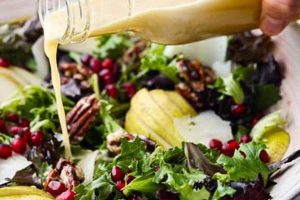
This classic American dish typically features layers of iceberg lettuce, tomatoes, onions, green peas, bacon, hard-boiled eggs, and a mayonnaise-based dressing. Variations may include cheddar cheese, black olives, or different types of dressings.
Its popularity stems from the ease of preparation, the satisfying combination of textures and flavors, and its suitability for potlucks and gatherings. The layered presentation creates a visually appealing dish, and its make-ahead nature adds to its convenience. The recipe’s origins can be traced back to mid-20th century community cookbooks, showcasing the resourcefulness and practicality of the era’s culinary traditions.
This exploration will delve into the nuances of ingredient selection, preparation techniques, variations, and serving suggestions, offering a complete guide to creating and enjoying this enduring favorite.
Tips for a Successful Seven-Layer Salad
Achieving optimal flavor and texture requires attention to detail in ingredient selection and assembly.
Tip 1: Ingredient Quality: Utilizing fresh, high-quality produce ensures the best flavor. Ripe, flavorful tomatoes and crisp lettuce are essential.
Tip 2: Crisp Lettuce: Iceberg lettuce is traditional, valued for its crispness. Thoroughly drying the lettuce after washing prevents a watery salad.
Tip 3: Even Layers: Distributing ingredients evenly across each layer promotes balanced flavor in every bite.
Tip 4: Mayonnaise Choice: Full-fat mayonnaise contributes richness and helps bind the layers. Consider incorporating flavored mayonnaise varieties for added depth.
Tip 5: Bacon Preparation: Crispy bacon adds a savory counterpoint to the fresh vegetables. Ensure the bacon is thoroughly cooked and cooled before layering.
Tip 6: Hard-Boiled Eggs: Perfectly cooked hard-boiled eggs enhance both flavor and visual appeal. Employing proper cooking techniques prevents rubbery yolks.
Tip 7: Chilling Time: Chilling the salad for at least two hours allows the flavors to meld and the layers to settle, enhancing the overall experience.
Adherence to these guidelines yields a visually appealing and flavorful salad suitable for any occasion.
By understanding the elements contributing to this dish’s success, one can confidently prepare a truly satisfying and memorable experience.
1. Iceberg Lettuce Base

Iceberg lettuce forms the foundational layer of the classic seven-layer salad. Its structural integrity and neutral flavor profile make it an ideal base upon which to build the remaining ingredients. The lettuce’s crispness offers a textural contrast to the other components, contributing to the salad’s overall appeal. Iceberg lettuce’s high water content also helps keep the salad fresh and prevents it from becoming soggy, a crucial factor given the layering of ingredients and the typical preparation time in advance of serving. Consider a potluck scenario: a salad transported and left at room temperature for a period benefits significantly from this inherent resilience. The lettuce’s relative affordability further cemented its place in the recipe’s history, making it accessible to a wider audience.
Historically, the choice of iceberg lettuce likely reflects the limited availability of diverse lettuce varieties in the mid-20th century, the era to which the salad’s origins can be traced. While other lettuces like romaine or butter lettuce might offer more nutritional value, they lack the structural strength and neutral flavor that make iceberg lettuce so well-suited for this particular application. Imagine substituting a more delicate lettuce: the weight of the subsequent layers would likely crush the leaves, resulting in a less appealing and potentially soggy salad.
Therefore, iceberg lettuce plays a crucial, albeit often overlooked, role in the seven-layer salad’s success. Its structural properties, neutral flavor, and historical context contribute significantly to the dish’s enduring popularity. While culinary trends evolve, the practicality and textural contribution of iceberg lettuce remain key elements in this classic American salad.
2. Fresh, ripe tomatoes

The inclusion of fresh, ripe tomatoes in a classic seven-layer salad contributes significantly to the dish’s overall flavor profile and textural complexity. Tomatoes offer a juicy burst of sweetness and acidity, counterbalancing the richness of other components like mayonnaise, bacon, and hard-boiled eggs. Their inherent moisture content also helps prevent the salad from becoming dry, especially beneficial given its make-ahead nature. Consider a summer potluck: a seven-layer salad made with out-of-season or underripe tomatoes would lack the vibrancy and juiciness crucial to the dish’s success. The textural contrast between the firm tomato slices and the crisp lettuce, creamy dressing, and other ingredients further enhances the eating experience.
The selection of appropriate tomatoes is paramount. Locally sourced, vine-ripened tomatoes during peak season offer the best flavor and texture. In contrast, supermarket tomatoes purchased off-season often lack the desired sweetness and juiciness. For instance, a salad prepared with bland, mealy tomatoes will underwhelm, whereas one featuring flavorful, ripe tomatoes will offer a burst of freshness. This difference underscores the importance of prioritizing tomato quality when constructing this layered salad. Practical application dictates selecting tomatoes with vibrant color, a firm yet yielding texture, and a pleasant aroma. Avoid tomatoes with blemishes, bruises, or an overly soft texture.
Ultimately, fresh, ripe tomatoes serve as a pivotal element in a successful seven-layer salad. Their flavor, moisture content, and textural contribution significantly impact the final product. Understanding the importance of tomato selection and seasonality allows for informed choices, ensuring a delightful and refreshing culinary experience. Discerning palates will readily perceive the difference between a salad constructed with high-quality tomatoes versus one assembled with subpar ingredients, reinforcing the practical significance of this understanding within the broader context of recipe execution.
3. Diced Onions
Diced onions contribute a pungent, savory element to the classic seven-layer salad, balancing the richness of other ingredients and adding textural complexity. Their sharp flavor profile provides a counterpoint to the creamy mayonnaise, sweet peas, and crisp lettuce, while their distinct texture offers a subtle crunch. Understanding the role and preparation of diced onions is crucial for a successful seven-layer salad experience.
- Flavor Enhancement:
Onions impart a sharp, slightly sweet, and sulfurous flavor that enhances the overall complexity of the salad. This pungency cuts through the richness of the mayonnaise and bacon, preventing the salad from becoming overly heavy. Imagine a seven-layer salad without onions: the overall flavor profile would be significantly less dynamic and potentially monotonous. The sharp notes of the onion are essential for a balanced and satisfying taste experience.
- Textural Contrast:
Diced onions offer a pleasant crunch that contrasts with the softer textures of the other ingredients. This textural variation adds interest and prevents the salad from becoming overly homogenous. The delicate crunch of finely diced onions complements the crisp lettuce and adds another dimension to the overall sensory experience.
- Onion Variety Selection:
The choice of onion variety influences the final flavor profile. While white or yellow onions are traditional choices, red onions offer a milder, slightly sweeter flavor. Consider the overall balance of flavors when selecting an onion variety. A strong white onion might overpower a delicate dressing, whereas a milder red onion would integrate more harmoniously. The choice depends on the desired intensity of onion flavor in the finished salad.
- Preparation Techniques:
Proper preparation minimizes the onion’s harshness while maximizing its flavor contribution. Soaking diced onions in cold water for a short period can mellow their sharp flavor, making them more palatable for those sensitive to strong onion tastes. Alternatively, incorporating the onions directly into the salad without pre-soaking retains their full pungency. The chosen method depends on individual preference and the desired level of onion intensity in the final dish.
The inclusion of diced onions in a seven-layer salad is more than a simple addition; it represents a carefully considered component that contributes significantly to the dish’s overall success. From flavor enhancement and textural contrast to onion variety selection and preparation techniques, each aspect plays a crucial role in the final sensory experience. By understanding these nuances, one can appreciate the culinary significance of this seemingly simple ingredient within the context of this classic American salad.
4. Sweet Green Peas
Sweet green peas occupy a distinct position within the classic seven-layer salad, contributing a touch of sweetness, a vibrant color contrast, and textural variation. Their presence adds another dimension to this layered dish, moving beyond mere sustenance to offer a more complex and satisfying culinary experience. Examining the role of sweet green peas illuminates their significance within the broader context of this popular American salad.
- Flavor Profile:
Sweet green peas offer a delicate sweetness that balances the savory elements of the salad, such as bacon and onion. This subtle sweetness prevents the overall flavor profile from becoming overly heavy or one-dimensional. The peas’ fresh, vegetal notes complement the other ingredients without overpowering them, creating a harmonious blend of flavors.
- Visual Appeal:
The vibrant green of the peas provides a stark visual contrast to the other layers, enhancing the salad’s aesthetic presentation. This pop of color makes the dish more visually appealing and contributes to its overall attractiveness, especially in a layered presentation. The visual separation of the green peas from the other layers adds to the salad’s layered effect.
- Textural Variation:
Peas introduce a tender yet slightly firm texture that contrasts with the crisp lettuce, creamy mayonnaise, and other ingredients. This textural variation enhances the overall eating experience, adding a subtle pop to each bite. The peas’ texture stands distinct from the other elements, preventing a monotonous mouthfeel.
- Nutritional Value:
While often overlooked, peas contribute nutritional value to the salad, offering a source of fiber, vitamins, and minerals. This nutritional element adds to the salad’s overall health profile, albeit modestly, within a dish primarily known for its rich and indulgent qualities. The presence of peas offers a small but valuable nutritional boost to the overall composition of the salad.
The inclusion of sweet green peas in the seven-layer salad demonstrates a thoughtful approach to flavor balance, visual appeal, and textural variation. While seemingly a simple ingredient, the peas contribute significantly to the overall sensory experience. Their presence elevates the dish from a basic combination of ingredients to a more nuanced and satisfying culinary creation, highlighting the importance of each component in achieving a harmonious and balanced final product.
5. Crispy Bacon Bits
Crispy bacon bits play a crucial role in the original seven-layer salad recipe, contributing a savory, smoky flavor and textural contrast that complements the other ingredients. Their presence elevates the salad from a simple combination of vegetables and dressing to a more complex and satisfying dish. Understanding the nuances of bacon selection, preparation, and integration within the layered structure is essential for achieving optimal results.
- Flavor Contribution:
Bacon imparts a distinct smoky, salty, and umami flavor profile that enhances the overall taste experience. This savory element balances the sweetness of the peas and the freshness of the vegetables, preventing the salad from becoming bland. The rendered bacon fat also adds a subtle richness that permeates the other layers, further enhancing the overall flavor complexity.
- Textural Impact:
The crisp texture of bacon bits provides a satisfying contrast to the softer elements of the salad, such as the lettuce, tomatoes, and mayonnaise. This textural variation adds interest and prevents the salad from becoming overly homogenous. The interplay of texturescrispy bacon, creamy dressing, juicy tomatoes, and crisp lettuceis a key factor in the salad’s appeal.
- Preparation Methods:
Proper bacon preparation is critical for achieving optimal crispness. Pan-frying, baking, or microwaving are common methods, each offering distinct advantages and disadvantages. Pan-frying allows for close monitoring and control over the cooking process, while baking offers hands-off convenience. Microwaving, while the fastest method, may result in unevenly cooked bacon. The chosen method influences the final texture and flavor of the bacon bits.
- Integration within the Layered Structure:
The placement of bacon bits within the layered structure impacts both flavor distribution and visual appeal. Evenly distributing the bacon across the designated layer ensures consistent flavor in each bite. Additionally, the visual contrast provided by the bacon enhances the salad’s overall aesthetic appeal, making it more visually engaging. Careful consideration of bacon placement contributes significantly to the salad’s overall presentation and enjoyment.
The inclusion of crispy bacon bits in the original seven-layer salad recipe demonstrates a thoughtful approach to flavor balancing, textural variation, and visual presentation. Beyond its simple role as an ingredient, bacon contributes significantly to the salad’s overall complexity and appeal. Understanding its impact on flavor, texture, and presentation allows for informed choices in bacon selection and preparation, ensuring a satisfying and well-balanced culinary experience.
6. Hard-boiled egg slices
Hard-boiled egg slices constitute an essential component of the original seven-layer salad, contributing not only to its nutritional value but also to its textural and visual appeal. Their strategic placement within the layered structure influences both the overall flavor profile and the aesthetic presentation of the dish. An understanding of the egg’s contribution extends beyond mere ingredient inclusion; it encompasses preparation techniques, flavor interactions, and visual impact within the context of this classic American salad.
- Nutritional Contribution:
Hard-boiled eggs provide a source of protein and essential nutrients, adding nutritional value to the salad. This protein content complements the other ingredients, contributing to a more balanced and satisfying meal. While the salad is not solely reliant on the eggs for its nutritional value, their presence enhances the overall dietary profile of the dish. This nutritional aspect aligns with the practical, resourceful nature of the original recipe, which often incorporated readily available and affordable ingredients.
- Textural Enhancement:
The firm, yet yielding texture of hard-boiled egg slices offers a distinct textural contrast to the crisp lettuce, creamy mayonnaise, and other ingredients. This variation in texture creates a more dynamic and engaging eating experience. The egg slices contribute a certain heartiness to the salad, preventing it from being perceived as solely a light and refreshing dish. The contrast between the smooth egg white and the crumbly yolk further enhances this textural complexity.
- Visual Presentation:
The evenly spaced, bright yellow yolks of the hard-boiled egg slices contribute significantly to the salad’s visual appeal. The visual contrast between the yolk and the surrounding white, as well as the other layers of the salad, creates a visually striking presentation. This aesthetic element is particularly relevant for potlucks and gatherings, where visual presentation plays a significant role in the overall dining experience.
- Flavor Interaction:
The subtle, savory flavor of hard-boiled eggs complements the other ingredients without overpowering them. The eggs’ mild taste provides a neutral backdrop that allows the flavors of the other components, such as the bacon, onion, and dressing, to shine through. This balance of flavors is crucial for achieving a harmonious and well-rounded taste experience. The creamy yolk, in particular, adds a richness that complements the tangy dressing and savory bacon.
The inclusion of hard-boiled egg slices in the original seven-layer salad is a testament to the careful consideration given to flavor balance, textural variation, visual presentation, and nutritional value. Each aspect contributes to the overall success of the dish, demonstrating the significance of seemingly simple ingredients within a more complex culinary context. The hard-boiled eggs, while not the dominant flavor, play a crucial role in creating a well-rounded and satisfying salad experience.
7. Creamy mayonnaise dressing

Creamy mayonnaise dressing serves as a unifying element in the original seven-layer salad, binding the diverse ingredients and contributing significantly to the overall flavor and textural profile. Its role extends beyond simply adding moisture; the dressing provides a creamy richness that complements the other components while also creating a cohesive culinary experience. Understanding the dressing’s function within the layered structure is essential for appreciating its impact on the final dish.
- Binding Agent:
The creamy consistency of mayonnaise acts as an adhesive, holding the various layers together and preventing them from separating. This binding quality ensures structural integrity, allowing the salad to maintain its layered presentation even after being transported or left standing for a period. Without a sufficiently creamy dressing, the layers would likely slide apart, compromising both the visual appeal and the intended balance of flavors in each bite.
- Flavor Enhancement:
Mayonnaise contributes a rich, tangy flavor that complements the other ingredients, enhancing their individual profiles while creating a harmonious overall taste. The dressing’s subtle acidity balances the sweetness of the peas and the saltiness of the bacon, while its creamy texture provides a backdrop for the other flavors to shine through. Variations in mayonnaise flavor profiles, such as the addition of herbs or spices, can further elevate the complexity of the salad’s taste.
- Texture and Mouthfeel:
The creamy texture of mayonnaise adds a luxurious mouthfeel to the salad, contrasting with the crisp lettuce, crunchy bacon, and other textural elements. This interplay of textures is a key factor in the salad’s appeal, creating a more dynamic and satisfying eating experience. The dressing’s smoothness also helps to coat the other ingredients, ensuring that each bite incorporates a balanced combination of flavors and textures. A thinner dressing would not provide the same cohesive texture or flavor distribution.
- Historical Context:
The use of mayonnaise in the original seven-layer salad reflects the culinary trends of the mid-20th century, when convenience foods and prepared dressings gained popularity. Mayonnaise offered a readily available and convenient option for creating a creamy, flavorful dressing. This historical context sheds light on the salad’s evolution and its place within the broader culinary landscape of the time. The widespread adoption of mayonnaise as a staple condiment contributed to the seven-layer salad’s accessibility and ease of preparation, factors that likely played a role in its enduring popularity.
The creamy mayonnaise dressing in the original seven-layer salad is more than just a condiment; it is an integral component that contributes significantly to the dish’s structural integrity, flavor profile, textural complexity, and historical context. Understanding its multifaceted role provides a deeper appreciation for the careful balance of ingredients and the culinary ingenuity that underlies this classic American salad. The dressing’s ability to unify the diverse flavors and textures into a cohesive and satisfying whole is a testament to its importance within the recipe.
Frequently Asked Questions
This section addresses common inquiries regarding the preparation and variations of the classic seven-layer salad.
Question 1: Can different types of lettuce be used?
While iceberg lettuce is traditional, romaine or butter lettuce can be substituted. However, these alternatives may lack the structural integrity of iceberg lettuce, potentially resulting in a less crisp and visually appealing salad.
Question 2: Is it necessary to chill the salad before serving?
Chilling is highly recommended. It allows the flavors to meld and the layers to settle, resulting in a more cohesive and flavorful experience. Chilling also helps maintain the crispness of the vegetables.
Question 3: Can the bacon be cooked in the microwave?
While microwaving is possible, it may result in unevenly cooked bacon. Pan-frying or baking generally yields more consistent results in terms of crispness and overall texture.
Question 4: What are suitable dressing alternatives to mayonnaise?
Variations using sour cream, Greek yogurt, or a combination of these with mayonnaise can be explored. However, these alternatives may alter the classic flavor profile and textural characteristics of the salad.
Question 5: How long can the salad be stored in the refrigerator?
Properly stored in an airtight container, the salad can typically be refrigerated for up to three days. However, optimal quality is best within the first 24 hours.
Question 6: Can the salad be prepared the day before an event?
One of the benefits of this salad is its make-ahead nature. Preparing it the day before an event allows the flavors to meld and simplifies serving logistics. Ensure proper refrigeration to maintain freshness.
Addressing these common inquiries provides a comprehensive understanding of the seven-layer salad, facilitating informed choices in its preparation and enjoyment. Prioritizing ingredient quality and adhering to recommended chilling times contributes significantly to the overall success of this classic dish.
The following section offers further insights into variations and serving suggestions for the original seven-layer salad recipe.
Original 7 Layer Salad Recipe
This exploration has provided a comprehensive overview of the original seven-layer salad recipe, from its historical context and ingredient selection to preparation techniques and variations. Emphasis has been placed on the importance of fresh, high-quality ingredients, proper layering techniques, and adequate chilling time for optimal flavor development and textural integrity. The analysis highlighted the specific contributions of each layer, from the foundational iceberg lettuce to the unifying creamy mayonnaise dressing, demonstrating the synergistic relationship between components within the layered structure. Variations and substitutions were also addressed, offering flexibility while acknowledging the potential impact on the classic flavor profile.
The enduring appeal of this classic American salad lies in its simplicity, adaptability, and satisfying combination of flavors and textures. Its continued presence at potlucks, gatherings, and family meals speaks to its enduring relevance within the culinary landscape. Further exploration of individual ingredient sourcing, regional variations, and contemporary adaptations promises continued enjoyment and evolution of this timeless dish.