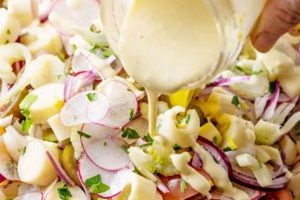
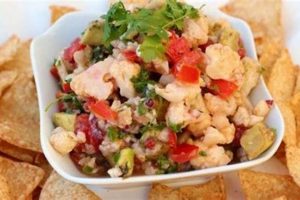
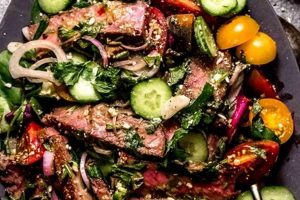
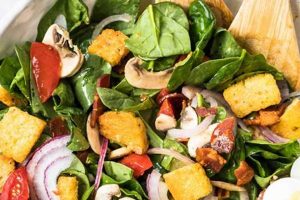
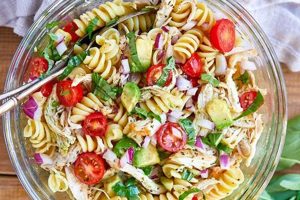
Nutritious meals tailored to the specific needs of expectant mothers are vital for both maternal and fetal well-being. Salads designed for this period offer a versatile way to incorporate essential vitamins, minerals, and fiber. For example, a salad might combine leafy greens rich in folate, colorful vegetables packed with antioxidants, and lean protein for sustained energy. Such meal options can be adapted to individual dietary requirements and preferences.
A balanced diet during pregnancy plays a critical role in supporting healthy fetal development and preventing complications. Consuming nutrient-rich foods helps ensure the mother receives adequate iron to combat anemia, calcium for bone growth, and omega-3 fatty acids for brain development in the fetus. Historically, dietary advice for pregnant individuals has evolved, with an increasing emphasis on fresh, whole foods like those found in thoughtfully prepared salads.
The following sections will explore specific nutrient requirements during pregnancy and offer examples of adaptable salad recipes that cater to these needs, along with considerations for safe food handling practices.
Tips for Creating Nutritious Salads During Pregnancy
Creating healthful and appealing salads during pregnancy requires attention to both nutrient density and food safety. The following tips offer guidance for maximizing benefits and minimizing risks.
Tip 1: Prioritize Nutrient-Rich Ingredients: Focus on incorporating dark leafy greens (e.g., spinach, kale), which are excellent sources of folate, iron, and vitamin K. Cruciferous vegetables like broccoli and Brussels sprouts contribute vitamin C and fiber.
Tip 2: Include Lean Protein: Adding grilled chicken, fish (low in mercury), beans, lentils, or tofu ensures adequate protein intake for fetal growth and maternal health.
Tip 3: Incorporate Healthy Fats: Avocado, nuts, and seeds offer essential fatty acids crucial for brain development. Use cold-pressed oils (e.g., olive, flaxseed) for dressings.
Tip 4: Boost Flavor Safely: Enhance flavor profiles with fresh herbs, lemon juice, and spices instead of excessive salt or high-sodium dressings.
Tip 5: Practice Safe Food Handling: Thoroughly wash all produce, especially leafy greens, to minimize the risk of foodborne illnesses. Avoid raw or undercooked meat, poultry, and seafood.
Tip 6: Vary Ingredients: Explore seasonal produce to maximize nutrient variety and prevent dietary monotony. Rotating ingredients also introduces a broader spectrum of vitamins and minerals.
Tip 7: Consider Portion Sizes: While salads are packed with nutrients, maintaining balanced portion sizes is key to managing overall caloric intake.
By following these guidelines, individuals can create flavorful and nutrient-rich salads that support a healthy pregnancy.
In conclusion, a well-balanced diet featuring nutritious salads contributes significantly to maternal and fetal well-being throughout pregnancy. Consulting with a healthcare professional or registered dietitian can provide personalized dietary guidance.
1. Nutrient-Rich Ingredients

Nutrient-rich ingredients form the cornerstone of effective pregnancy salad recipes. The physiological demands of pregnancy necessitate increased intake of specific vitamins, minerals, and macronutrients to support both maternal health and fetal development. Focusing on nutrient density within salads allows expectant mothers to efficiently meet these elevated requirements. For example, incorporating leafy greens like spinach and kale provides substantial amounts of folate, crucial for preventing neural tube defects in the developing fetus. Similarly, adding lean protein sources such as grilled chicken or lentils contributes to tissue growth and repair.
The thoughtful selection of ingredients extends beyond simply including fruits and vegetables. Prioritizing foods rich in iron, such as beans and dried apricots, combats pregnancy-related anemia. Incorporating sources of calcium, like fortified tofu or almonds, supports fetal skeletal development and maintains maternal bone health. Furthermore, the inclusion of healthy fats, found in avocados and walnuts, provides essential fatty acids necessary for fetal brain development and overall maternal well-being. These examples illustrate how specific nutrient-rich ingredients directly address the physiological needs of pregnancy.
Understanding the connection between nutrient-rich ingredients and pregnancy salad recipes empowers informed dietary choices. Prioritizing nutrient density optimizes maternal and fetal health outcomes. While individual dietary needs may vary, focusing on whole, unprocessed foods within a balanced dietary framework remains fundamental. Consulting with a healthcare professional or registered dietitian can provide personalized guidance and address specific dietary requirements or concerns.
2. Safe Food Handling

Safe food handling practices are paramount when preparing meals during pregnancy, particularly for salads, which often incorporate raw ingredients. Vulnerability to foodborne illnesses increases during pregnancy due to hormonal and immunological changes. Consuming contaminated food can pose serious health risks to both the expectant mother and the developing fetus. Meticulous attention to hygiene and safe food preparation techniques minimizes these risks.
- Thorough Washing of Produce
Washing all fruits and vegetables, especially leafy greens, under running water is essential to remove soil, bacteria, and pesticide residues. Scrubbing firm produce like cucumbers and melons with a clean brush further reduces contamination. This simple yet crucial step significantly mitigates the risk of ingesting harmful microorganisms.
- Proper Storage of Ingredients
Refrigerating perishable ingredients promptly and maintaining appropriate storage temperatures inhibits bacterial growth. Storing raw meat, poultry, and seafood separately from ready-to-eat foods prevents cross-contamination. Proper storage ensures ingredient freshness and minimizes the risk of spoilage.
- Avoiding Cross-Contamination
Using separate cutting boards and utensils for raw meats and produce prevents the transfer of harmful bacteria. Washing hands thoroughly with soap and water after handling raw ingredients further reduces the risk of cross-contamination. These practices are especially critical during pregnancy, as the immune system is less robust.
- Consuming Cooked or Pasteurized Foods
Certain foods, such as deli meats and soft cheeses, may harbor Listeria, a bacterium particularly harmful during pregnancy. Opting for cooked or pasteurized versions of these foods eliminates the risk of Listeria infection. Thoroughly cooking meat, poultry, and seafood to recommended internal temperatures also ensures food safety.
Implementing these safe food handling practices is crucial for ensuring the health and well-being of both the expectant mother and the developing fetus. Consuming safely prepared salads contributes essential nutrients without compromising safety during this vulnerable period. Diligence in these practices maximizes the nutritional benefits of salads while minimizing potential health risks.
3. Folate and Iron Sources

Adequate folate and iron intake are crucial during pregnancy to support both maternal health and fetal development. Salads offer a versatile platform for incorporating rich sources of these essential nutrients. Understanding their roles and incorporating them effectively into pregnancy-tailored salads contributes significantly to healthy pregnancy outcomes.
- Folate’s Role in Fetal Development
Folate, a B vitamin, plays a critical role in cell division and growth, particularly during the early stages of pregnancy. It is essential for preventing neural tube defects, which affect the brain and spinal cord. Leafy green vegetables like spinach and romaine lettuce are excellent folate sources, making them valuable additions to pregnancy salads. Adding a variety of colorful vegetables not only boosts folate intake but also provides a wider range of essential vitamins and minerals.
- Iron’s Importance in Oxygen Transport
Iron is crucial for producing hemoglobin, the protein responsible for carrying oxygen throughout the body. During pregnancy, blood volume increases significantly to support the growing fetus, leading to higher iron demands. Iron deficiency can result in anemia, causing fatigue and potentially impacting fetal development. Incorporating iron-rich foods like lentils, beans, and dried apricots into salads helps meet these increased needs.
- Enhancing Absorption with Vitamin C
Vitamin C enhances iron absorption from plant-based sources. Including vitamin C-rich ingredients like bell peppers, tomatoes, and citrus fruits in salads alongside iron-rich foods optimizes iron uptake. This synergistic approach maximizes the nutritional benefits of the salad.
- Food Combinations for Optimal Nutrient Intake
Strategic food combinations within salads can maximize nutrient absorption and bioavailability. Pairing iron-rich spinach with vitamin C-rich strawberries, for instance, creates a nutrient-dense and flavorful combination that supports optimal iron absorption. Such pairings leverage food synergy to enhance nutritional value.
Incorporating folate and iron-rich ingredients into pregnancy salad recipes is a practical and effective way to support maternal health and fetal development. Understanding the roles of these nutrients and employing strategic food combinations maximizes their benefits. Consulting with a healthcare professional or registered dietitian can provide personalized guidance on meeting individual nutrient needs during pregnancy.
4. Healthy Fats Inclusion

Adequate consumption of healthy fats is essential during pregnancy for both maternal well-being and optimal fetal development. Incorporating these fats into pregnancy salad recipes offers a palatable and effective method for achieving sufficient intake. Healthy fats, specifically polyunsaturated fatty acids like omega-3s, play a crucial role in fetal brain development, impacting cognitive function and visual acuity. Docosahexaenoic acid (DHA), a type of omega-3, is a primary structural component of the fetal brain and retina, highlighting the importance of adequate maternal intake. Furthermore, healthy fats contribute to the absorption of fat-soluble vitamins (A, D, E, and K), essential for various physiological processes.
Including sources of healthy fats in pregnancy salads provides numerous benefits. Avocados, rich in monounsaturated fats, contribute to healthy cholesterol levels and provide essential nutrients like folate and potassium. Adding a quarter of an avocado to a salad provides a substantial dose of healthy fats alongside other vital nutrients. Walnuts and flaxseeds, excellent sources of omega-3 fatty acids, can be sprinkled onto salads to boost their nutritional profile. A tablespoon of flaxseed oil in a salad dressing provides a significant amount of alpha-linolenic acid (ALA), an omega-3 fatty acid that the body can convert to DHA and eicosapentaenoic acid (EPA). These examples illustrate practical ways to incorporate beneficial fats into salads consumed during pregnancy.
Prioritizing healthy fat inclusion in pregnancy salad recipes supports optimal fetal development and maternal health. While total fat intake remains important, emphasizing the quality of fats consumed is paramount. Incorporating sources like avocados, nuts, seeds, and their oils into salads provides a readily accessible and palatable way to achieve adequate intake of these crucial nutrients. This dietary strategy supports healthy pregnancy outcomes and establishes a foundation for long-term well-being for both mother and child. Consultation with a healthcare professional or registered dietitian provides further individual guidance regarding optimal fat intake during pregnancy.
5. Protein Considerations

Adequate protein intake is crucial during pregnancy to support the growth and development of the fetus, as well as maternal physiological changes. Protein provides the building blocks for new tissues, including the placenta, amniotic fluid, and fetal organs. Incorporating sufficient protein into pregnancy salad recipes ensures these needs are met effectively. Strategic selection and combination of protein sources within salads contribute to a balanced and nutritious diet during this critical period.
- Essential Amino Acids
Protein consists of amino acids, some of which are essential, meaning the body cannot produce them and must obtain them through diet. Animal-based proteins, such as lean chicken, fish, and eggs, are considered complete proteins, providing all essential amino acids. Incorporating these into salads offers a readily bioavailable source of these crucial nutrients. Plant-based proteins, like beans, lentils, and tofu, may lack certain essential amino acids individually but can be combined strategically within a salad (e.g., beans and rice) to achieve a complete amino acid profile.
- Supporting Fetal Growth
Protein plays a fundamental role in fetal tissue development, including muscle, bone, and organ formation. During the second and third trimesters, protein requirements increase significantly to accommodate rapid fetal growth. Including protein-rich ingredients in salads, such as grilled salmon or chickpeas, helps meet these demands and supports healthy fetal development. Varying protein sources ensures a diverse nutrient intake.
- Maternal Tissue Repair and Maintenance
Pregnancy places increased demands on maternal tissues as the body adapts to support the growing fetus. Protein is essential for repairing and maintaining maternal tissues, including the uterus, breast tissue, and blood volume expansion. Including protein in salads contributes to maternal well-being and supports the physiological adaptations necessary for a healthy pregnancy.
- Quantity and Quality
While meeting the recommended daily protein intake is important, the quality of protein consumed also plays a significant role. Prioritizing lean protein sources minimizes saturated fat intake. Combining plant-based proteins strategically ensures a complete amino acid profile. Considering both quantity and quality within pregnancy salad recipes optimizes nutritional intake and supports overall health outcomes.
Careful consideration of protein sources within pregnancy salad recipes ensures that both maternal and fetal needs are met. Incorporating a variety of high-quality proteins contributes to a balanced and nutritious diet, supporting optimal growth, development, and overall well-being throughout pregnancy. Consulting with a healthcare provider or registered dietitian provides personalized guidance regarding appropriate protein intake during pregnancy.
6. Fiber-Rich Vegetables
Adequate fiber intake is essential during pregnancy for maintaining digestive health and overall well-being. Hormonal changes and the growing uterus can contribute to constipation and other digestive discomforts. Incorporating fiber-rich vegetables into pregnancy salad recipes offers a palatable and effective strategy for promoting regularity and preventing digestive issues. These vegetables contribute significantly to a healthy and comfortable pregnancy experience.
- Promoting Digestive Regularity
Fiber adds bulk to the stool, facilitating regular bowel movements and preventing constipation, a common pregnancy complaint. Insoluble fiber, found in vegetables like broccoli and cauliflower, promotes movement through the digestive tract. Including these vegetables in salads provides a convenient way to increase fiber intake and maintain digestive regularity.
- Managing Blood Sugar Levels
Fiber-rich vegetables contribute to stable blood sugar levels, reducing the risk of gestational diabetes. Soluble fiber, found in vegetables like carrots and sweet potatoes, helps regulate blood sugar absorption. Incorporating these vegetables into pregnancy salads supports healthy blood sugar management and overall metabolic health.
- Enhancing Satiety and Weight Management
Fiber promotes feelings of fullness and satiety, which can help manage weight gain during pregnancy. Including a variety of fiber-rich vegetables in salads, such as leafy greens, bell peppers, and cucumbers, contributes to satisfying meals without excessive caloric intake. This can help manage healthy weight gain within recommended ranges.
- Supporting Gut Health
Fiber nourishes beneficial gut bacteria, contributing to a healthy gut microbiome. A diverse and thriving gut microbiome supports overall health during pregnancy, impacting digestion, immunity, and even mood. Including a variety of fiber-rich vegetables in salads, such as artichokes and asparagus, promotes a diverse and healthy gut microbiome.
The inclusion of fiber-rich vegetables in pregnancy salad recipes plays a vital role in supporting digestive health, managing blood sugar levels, and promoting overall well-being during pregnancy. Prioritizing these vegetables contributes to a balanced and nutritious diet, facilitating a healthy and comfortable pregnancy experience. Incorporating a variety of colorful and flavorful fiber-rich vegetables into salads enhances both nutritional value and palatability. Consulting with a healthcare professional or registered dietitian can provide personalized guidance regarding fiber intake and overall dietary recommendations during pregnancy.
7. Hydration Support

Adequate hydration is crucial during pregnancy to support increased blood volume, amniotic fluid production, and nutrient transport to the developing fetus. Incorporating water-rich vegetables into pregnancy salad recipes contributes significantly to overall fluid intake and helps maintain optimal hydration. These vegetables complement fluid consumption from beverages, offering a readily available and palatable source of water within a nutrient-rich meal.
Many vegetables possess high water content, making them valuable additions to pregnancy salads for hydration support. Cucumbers, composed of approximately 96% water, provide a refreshing and hydrating element to salads. Iceberg lettuce, with its 96% water content, adds volume and hydration without significant caloric contribution. Tomatoes, containing around 94% water, offer hydration alongside essential vitamins and antioxidants. Incorporating these water-rich vegetables into salads not only contributes to daily fluid intake but also provides essential nutrients and dietary fiber.
Prioritizing hydration through the inclusion of water-rich vegetables in pregnancy salad recipes offers numerous benefits. Maintaining adequate hydration supports optimal physiological function, including nutrient transport, waste removal, and temperature regulation. Addressing hydration needs through dietary choices, such as incorporating hydrating vegetables into salads, complements fluid intake from beverages and contributes to overall maternal well-being and healthy fetal development. Integrating this dietary strategy promotes a proactive approach to hydration management during pregnancy.
Frequently Asked Questions
This section addresses common inquiries regarding salad consumption during pregnancy, providing evidence-based information to promote informed dietary choices.
Question 1: Are all salad ingredients safe during pregnancy?
While most salad ingredients are safe, certain precautions are necessary. Raw sprouts, unpasteurized cheeses, and deli meats should be avoided due to the risk of Listeria and other foodborne illnesses. Thoroughly washing all produce is crucial.
Question 2: How can salads contribute to managing gestational diabetes?
Salads rich in non-starchy vegetables, lean protein, and healthy fats can help regulate blood sugar levels. Incorporating fiber-rich ingredients promotes satiety and prevents blood sugar spikes.
Question 3: Can salads help with pregnancy-related constipation?
Fiber-rich vegetables in salads, such as leafy greens and cruciferous vegetables, promote regular bowel movements and can help alleviate constipation. Adequate hydration further supports digestive health.
Question 4: What are the best protein sources for pregnancy salads?
Lean protein sources like grilled chicken or fish (low in mercury), beans, lentils, tofu, and hard-boiled eggs are excellent choices for pregnancy salads. These provide essential amino acids for fetal development.
Question 5: How can salads address increased nutrient needs during pregnancy?
Salads offer a versatile platform for incorporating nutrient-dense foods. Leafy greens provide folate, colorful vegetables offer antioxidants, and lean proteins contribute to tissue growth. Careful ingredient selection maximizes nutrient intake.
Question 6: Are there any specific salad dressings to avoid during pregnancy?
Dressings high in saturated fat, sodium, or containing raw or unpasteurized ingredients should be avoided. Homemade dressings using olive oil, lemon juice, and herbs offer a healthier alternative.
Prioritizing safe food handling practices and selecting nutrient-rich ingredients ensures that salads contribute positively to a healthy pregnancy. Consulting a healthcare professional or registered dietitian can provide personalized dietary guidance.
The following section will explore specific pregnancy salad recipes incorporating the principles discussed above.
Pregnancy Salad Recipes
Nutrient-dense, thoughtfully prepared salads offer significant benefits during pregnancy. This exploration has highlighted the importance of prioritizing nutrient-rich ingredients, safe food handling practices, and incorporating key nutrients like folate, iron, healthy fats, protein, and fiber. Hydration support through water-rich vegetables complements overall fluid intake. Strategic ingredient selection and preparation methods maximize the nutritional value of salads while minimizing potential risks.
Optimal nutrition during pregnancy contributes significantly to both maternal well-being and healthy fetal development. Thoughtful meal planning, including the incorporation of nutritious salads, empowers expectant mothers to make informed dietary choices that support positive health outcomes. Continued exploration of dietary strategies and consultation with healthcare professionals contribute to ongoing advancements in maternal and fetal health.