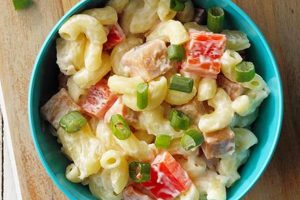
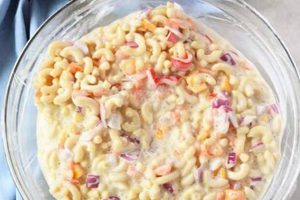
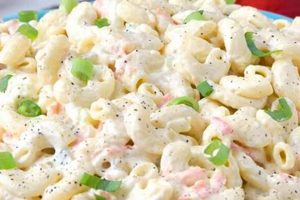
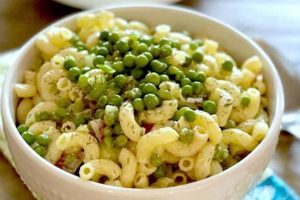
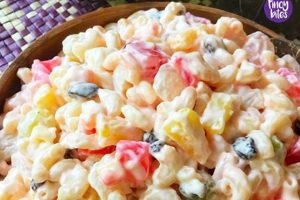
A chilled dish featuring cooked elbow macaroni, diced ham, and a creamy dressing typically composed of mayonnaise, often incorporates additional ingredients such as vegetables (celery, onion, bell pepper), hard-boiled eggs, cheese, and seasonings (mustard, relish, vinegar). Variations exist, including those using different pasta shapes, ham types, and dressing bases. A classic example often includes cubed cheddar cheese, chopped celery, and a sweet pickle relish in a mayonnaise-based dressing.
This dish offers a convenient and affordable meal option, suitable for picnics, potlucks, and quick lunches. Its adaptability allows for personalized variations catering to individual preferences and dietary needs. Historically, such pasta salads gained popularity in the mid-20th century as refrigeration became more commonplace, allowing for safe consumption of mayonnaise-based dishes. The combination of savory ham, creamy dressing, and the textural contrast of the pasta and other ingredients contributed to its widespread appeal.
This exploration will further delve into variations on this dish, including ingredient selection, preparation methods, and suggested accompaniments to create a satisfying and flavorful culinary experience.
Tips for a Superior Macaroni and Ham Salad
Elevating this classic dish requires attention to detail and thoughtful ingredient selection. The following tips offer guidance for creating a macaroni and ham salad that stands out.
Tip 1: Pasta Perfection: Cook pasta al dente for optimal texture. Overcooked pasta becomes mushy and absorbs less dressing. Rinsing the cooked pasta with cold water stops the cooking process and helps maintain firmness.
Tip 2: High-Quality Ham: Opt for high-quality ham, such as Black Forest or honey-baked, for superior flavor. Avoid pre-packaged, overly processed ham varieties. Cubing the ham into uniform pieces ensures even distribution throughout the salad.
Tip 3: Dressing Dynamics: While mayonnaise serves as a traditional base, consider incorporating other elements like sour cream, plain yogurt, or Dijon mustard to add complexity and tang. A touch of vinegar or lemon juice brightens the flavor profile.
Tip 4: Vegetable Variety: Classic additions like celery and onion offer satisfying crunch. Expanding the vegetable repertoire with bell peppers, chopped pickles, or shredded carrots introduces color and nuanced flavor.
Tip 5: Cheese Selection: Sharp cheddar cheese is a popular choice, but experimenting with other varieties, such as Gruyre, Swiss, or provolone, can enhance the overall taste experience. Ensure the cheese is finely diced for even distribution.
Tip 6: Seasoning Secrets: Freshly ground black pepper, paprika, or a pinch of cayenne pepper add depth. Garlic powder or onion powder can further enhance the savory notes. Taste and adjust seasonings before serving.
Tip 7: Chilling Time: Allowing the salad to chill for at least an hour allows the flavors to meld and the dressing to absorb fully into the pasta and other ingredients. This enhances the overall taste and texture.
By following these guidelines, one can create a macaroni and ham salad that is both flavorful and visually appealing, transforming a simple dish into a culinary delight.
These insights provide a foundation for crafting a truly exceptional macaroni and ham salad.
1. Ingredients
Ingredient selection significantly impacts the final quality and character of macaroni and ham salad. This dish, while simple in concept, relies on a balanced interplay of flavors and textures derived directly from its components. The choice of ham, for instance, influences the overall saltiness and smokiness. Opting for a higher-quality ham, such as Black Forest, yields a richer flavor compared to a standard processed ham. Similarly, pasta shape affects both texture and sauce absorption. Elbow macaroni, a classic choice, provides ample surface area for the dressing to cling to, while other shapes, like rotini or shells, offer a different textural experience. The type and quality of mayonnaise also play a crucial role, affecting the creaminess and tang of the salad. Freshly chopped vegetables, such as celery, onion, and bell peppers, contribute not only flavor but also crucial textural contrast. The inclusion of cheese adds another layer of flavor and richness, with cheddar being a common choice, although other varieties like Swiss or Gruyre can offer interesting alternatives.
Consider the impact of using pre-shredded versus block cheese. While pre-shredded offers convenience, block cheese often melts and incorporates into the salad more smoothly, contributing a creamier texture. Similarly, the choice between fresh and dried herbs significantly alters the flavor profile. Fresh dill, for example, imparts a brighter, more pronounced flavor than dried dill. Even seemingly minor ingredients, like the type of mustard used (yellow, Dijon, whole grain), contribute to the final complexity of the dish. These choices underscore the importance of mindful ingredient selection in achieving a balanced and flavorful outcome.
Understanding the role of each ingredient allows for informed decisions when adapting recipes. Substituting ingredients, while possible, requires consideration of how these changes will affect the overall balance of flavors and textures. For example, replacing ham with chicken or turkey creates a lighter flavor profile, while substituting Greek yogurt for mayonnaise reduces fat content but may also impact the creaminess of the dressing. Careful consideration of these interconnected elements is key to creating a macaroni and ham salad that meets specific dietary needs or taste preferences without compromising overall quality.
2. Preparation
Proper preparation techniques are essential for a successful macaroni and ham salad. These techniques impact not only the final taste and texture but also the overall presentation and food safety of the dish. Careful attention to each step, from cooking the pasta to combining the ingredients, ensures a harmonious blend of flavors and a visually appealing result.
- Pasta Cooking:
Cooking the pasta al dente is crucial. Overcooked pasta becomes mushy and absorbs less dressing, resulting in a less flavorful and texturally unappealing salad. Rinsing the cooked pasta under cold water stops the cooking process and helps to maintain firmness. Draining the pasta thoroughly prevents excess water from diluting the dressing.
- Ingredient Sizing:
Uniformly sized ingredients ensure even distribution of flavors and textures. Dicing the ham, vegetables, and cheese into similar-sized pieces allows for a balanced bite and prevents larger pieces from dominating the salad. This also contributes to a more aesthetically pleasing presentation.
- Ingredient Combination:
The order in which ingredients are combined can affect the final result. Adding the dressing to the pasta while it is still slightly warm allows for better absorption. Incorporating the more delicate ingredients, such as fresh herbs, towards the end prevents them from becoming bruised or over-mixed.
- Chilling and Serving:
Chilling the salad for at least an hour allows the flavors to meld and the dressing to fully permeate the ingredients. This enhances the overall taste and texture. Serving the salad chilled ensures optimal flavor and food safety, particularly important for mayonnaise-based dressings.
These preparatory steps, though seemingly straightforward, contribute significantly to the final quality of the macaroni and ham salad. Attention to detail in each stage ensures a well-balanced, flavorful, and visually appealing dish.
3. Dressing
The dressing is a critical component, binding the ingredients and contributing significantly to the overall flavor profile. It provides the creamy, tangy, or savory notes that complement the ham and pasta. Dressing selection and preparation significantly influence the final quality and character of this dish.
- Base:
Mayonnaise serves as the most common base, offering a rich, creamy texture. Alternatives include sour cream, plain yogurt, or a combination thereof. The choice of base affects the overall richness, tanginess, and caloric content. A lower-fat yogurt base, for instance, creates a lighter salad, while full-fat sour cream contributes a greater richness.
- Flavor Enhancers:
Flavor enhancers build upon the base, adding complexity and depth. Common additions include mustard (yellow, Dijon, whole grain), vinegar (apple cider, white wine), lemon juice, or sweet pickle relish. These elements introduce contrasting flavorstanginess, sweetness, or aciditybalancing the richness of the base. The specific combination of enhancers dictates the overall flavor profile, from classic sweet and tangy to more savory or spicy.
- Seasonings:
Seasonings further refine the dressing’s flavor. Salt, black pepper, paprika, garlic powder, onion powder, or cayenne pepper are frequently incorporated. These seasonings add depth and complexity, enhancing the overall taste experience. Careful balancing of seasonings is essential to avoid overpowering the other flavors in the salad. Freshly ground spices generally offer more potent and nuanced flavor than pre-ground options.
- Emulsification and Incorporation:
Proper emulsification ensures a smooth, cohesive dressing that clings to the other ingredients. Whisking the ingredients together thoroughly creates a stable emulsion, preventing separation. Adding the dressing to the pasta while it is still slightly warm encourages absorption, resulting in a more flavorful and evenly coated salad.
The interplay of these elementsbase, flavor enhancers, seasonings, and emulsificationdetermines the final character of the dressing and its contribution to the overall success. A well-crafted dressing elevates a simple macaroni and ham salad, transforming it into a flavorful and satisfying dish. The careful consideration of these components allows for endless variations, catering to individual preferences and dietary needs.
4. Variations

The adaptability of macaroni and ham salad recipes allows for extensive variation, transforming a basic concept into a versatile dish catering to diverse palates and dietary requirements. These variations stem from ingredient substitutions, additions, and adjustments to the dressing, offering a wide spectrum of flavor profiles and textural experiences. This inherent flexibility contributes significantly to the enduring popularity of this dish, making it suitable for various occasions, from casual picnics to more formal gatherings.
Substituting the ham with different protein sources, such as diced chicken, turkey, or even chickpeas for a vegetarian option, fundamentally alters the salad’s character. Similarly, incorporating alternative pasta shapesrotini, farfalle, or shellsintroduces textural nuances. Vegetable additions extend beyond the classic celery and onion, encompassing bell peppers, chopped pickles, olives, or shredded carrots, each contributing unique flavors and colors. Cheese variations, from sharp cheddar to milder Swiss or provolone, further expand the flavor possibilities. Even the dressing can undergo transformations, incorporating ingredients like Dijon mustard, horseradish, or different types of vinegar, creating a spectrum of flavor profiles ranging from tangy to creamy to spicy.
For instance, a Mediterranean-inspired variation might include feta cheese, Kalamata olives, sun-dried tomatoes, and a lemon-herb vinaigrette. A spicier rendition could incorporate chopped jalapeos, pepper jack cheese, and a chipotle-infused mayonnaise dressing. These examples demonstrate the versatility of the basic recipe, showcasing how simple adjustments can yield dramatically different culinary experiences. Understanding the interplay of these ingredients empowers culinary exploration and customization, enabling the creation of unique flavor combinations tailored to individual preferences. This adaptability not only expands the dish’s appeal but also allows for creative utilization of seasonal ingredients and adaptation to dietary restrictions, ensuring its continued relevance in a diverse culinary landscape.
5. Presentation
Presentation elevates macaroni and ham salad from a simple dish to a visually appealing culinary experience. While flavor and texture remain paramount, the visual aspect significantly influences perception and enjoyment. Consideration of color, arrangement, and serving vessel enhances the dining experience, whether for a casual lunch or a more formal occasion. Thoughtful presentation adds value, transforming a commonplace dish into something more enticing.
Color contrast plays a vital role. The creamy base of the salad benefits from vibrant accents. Incorporating colorful vegetablesred bell peppers, green peas, orange carrotscreates visual interest. Garnishing with fresh herbs, like chopped parsley or chives, adds a touch of freshness and color. The choice of serving vessel further enhances the presentation. A clear glass bowl showcases the colorful ingredients, while a rustic wooden bowl adds a touch of homestyle charm. Individual portions served in lettuce cups or on small plates offer a more elegant approach. For larger gatherings, arranging the salad on a platter allows for creative garnishing and a more impactful visual display. For example, strategically placed tomato wedges or hard-boiled egg slices create a visually appealing pattern, while a sprinkle of paprika adds a touch of color and warmth.
Practical considerations also influence presentation choices. For picnics or potlucks, portability and ease of serving are paramount. Individual containers or a large, easily transportable bowl prove practical. For more formal settings, attention to detail, such as using attractive serving utensils and garnishes, adds a touch of refinement. Ultimately, presentation enhances the perceived value and enjoyment of macaroni and ham salad. Even simple adjustments can significantly impact its appeal, demonstrating that visual presentation plays a crucial role alongside flavor and texture in creating a truly satisfying culinary experience. Thoughtful presentation transforms this everyday dish into a more memorable and enjoyable meal.
Frequently Asked Questions
This section addresses common inquiries regarding macaroni and ham salad preparation, storage, and variations, providing concise and informative responses.
Question 1: What type of ham is best suited for this dish?
While various ham types can be utilized, higher-quality options like Black Forest or honey-baked ham generally contribute richer flavor compared to pre-packaged, processed varieties. The ham’s quality significantly impacts the overall taste of the salad.
Question 2: How long can macaroni and ham salad be stored safely?
Properly stored in an airtight container within a refrigerator, it typically remains safe for consumption for three to five days. Beyond this timeframe, the risk of bacterial growth increases. Always observe recommended food safety guidelines.
Question 3: Can this salad be frozen?
Freezing is generally not recommended. Mayonnaise-based dressings often separate upon thawing, negatively impacting texture. Vegetables can also become watery and lose their crispness. It is best enjoyed fresh.
Question 4: What can be substituted for mayonnaise in the dressing?
Plain yogurt or sour cream offer lower-fat alternatives. However, these substitutions can alter the dressing’s texture and flavor. Adjustments to other ingredients may be necessary to maintain a balanced flavor profile.
Question 5: How can one enhance the flavor of the salad?
Fresh herbs, such as dill, parsley, or chives, add brightness and complexity. Incorporating a variety of vegetables and cheeses, along with spices like paprika or Dijon mustard, expands the flavor profile. A splash of vinegar or lemon juice adds a tangy counterpoint to the richness of the mayonnaise. Consider incorporating additional seasonings such as celery seed, onion powder, or garlic powder.
Question 6: How can one prevent the salad from becoming watery?
Ensuring the pasta is cooked al dente and thoroughly drained before combining it with other ingredients minimizes excess moisture. Adding the dressing gradually and avoiding overmixing also helps maintain the desired consistency. If using watery vegetables like cucumbers, consider salting them and allowing them to drain excess moisture before adding them to the salad. Choose firmer vegetables like carrots, celery, and bell peppers to maintain a better texture.
Careful consideration of these frequently asked questions empowers informed preparation and enjoyment of this versatile dish. Adhering to food safety guidelines and understanding ingredient interactions ensures a successful culinary outcome.
This information provides a foundation for further culinary exploration. Adapting and modifying recipes based on these principles allows for personalized variations and caters to diverse preferences. Experimentation with ingredients and flavors can yield unique and delightful results.
Macaroni and Ham Salad Recipe
Exploration of this classic dish reveals its adaptability and enduring appeal. From ingredient selection and preparation techniques to dressing variations and presentation strategies, careful consideration of each component contributes to a successful outcome. The interplay of textures, flavors, and visual elements elevates this seemingly simple salad to a satisfying culinary experience. Understanding the foundational principlespasta cooking, ham quality, dressing composition, and complementary ingredientsempowers informed decision-making and personalized variations.
Macaroni and ham salad offers a canvas for culinary creativity. Its adaptability allows for customization to individual preferences and dietary needs, ensuring its continued relevance in a diverse culinary landscape. Further exploration and experimentation promise continued enjoyment and discovery within this classic dish’s seemingly simple framework.