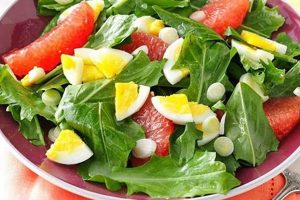
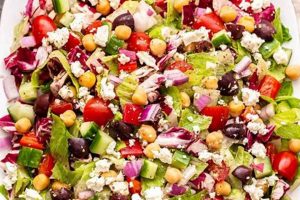
Dishes featuring combinations of cottage cheese with various ingredients like fruits, vegetables, nuts, and herbs, dressed with simple vinaigrettes, creamy dressings, or even just a sprinkle of seasonings, constitute a versatile category of salads. A classic example includes cottage cheese mixed with chopped cucumber, tomato, and onion, seasoned with salt, pepper, and a light vinaigrette.
These salads offer a substantial source of protein and calcium, contributing to a balanced diet. Their customizable nature allows for diverse flavor profiles and nutritional benefits, catering to various dietary preferences, including vegetarian, gluten-free, and low-carbohydrate options. Historically, cottage cheese has been a readily available and affordable source of protein, making these salads an economical and nutritious meal choice across cultures.
This article will further explore the versatility of such salads through a collection of recipes featuring varied ingredient combinations and preparation methods. From light and refreshing summer salads to heartier and more substantial meal options, the possibilities are vast.
Tips for Creating Delicious Cottage Cheese Salads
Elevating a simple combination of cottage cheese and other ingredients into a flavorful and satisfying salad involves attention to detail and thoughtful ingredient selection. The following tips offer guidance for achieving optimal results.
Tip 1: Drain Excess Liquid: Cottage cheese often contains whey. Removing excess whey before mixing prevents a watery salad. This can be accomplished by placing the cheese in a fine-mesh sieve or lining a colander with cheesecloth.
Tip 2: Choose Low-Fat or Fat-Free Options: Using lower-fat cottage cheese reduces overall calorie content without sacrificing protein. This is particularly beneficial for those following calorie-conscious diets.
Tip 3: Incorporate Fresh Herbs: Fresh herbs like dill, chives, parsley, or mint can significantly enhance flavor complexity. Finely chop herbs before adding to prevent overpowering the other ingredients.
Tip 4: Experiment with Different Vegetables: A wide range of vegetables complements cottage cheese. Consider bell peppers, chopped celery, shredded carrots, or even roasted vegetables like broccoli or cauliflower.
Tip 5: Add a Crunch: Textural contrast improves the sensory experience. Chopped nuts, seeds (sunflower, pumpkin), or croutons can add a satisfying crunch.
Tip 6: Enhance with Fruits: Sweetness from fruits like grapes, berries, or diced apples balances the tanginess of cottage cheese. Canned fruits, drained properly, also offer convenient options.
Tip 7: Consider Flavorful Dressings: While a simple vinaigrette often suffices, experimenting with different dressings, such as creamy avocado dressings or tangy lemon-herb mixtures, elevates the flavor profile.
By following these guidelines, one can create nutritious and satisfying salads that cater to individual preferences. From simple everyday lunches to more elaborate meals, the potential for variety is significant.
These tips provide a strong foundation for creating diverse and flavorful cottage cheese salads. The following section will delve into specific recipes, showcasing a range of possibilities.
1. Ingredient Variety

Ingredient variety is crucial for creating interesting and nutritionally balanced cottage cheese salads. A diverse range of ingredients elevates the flavor profile, texture, and overall appeal, transforming a simple base of cottage cheese into a versatile culinary creation.
- Fruits and Vegetables:
Fruits and vegetables contribute essential vitamins, minerals, and fiber. Sweet fruits like grapes, berries, or chopped apples contrast with the tangy cottage cheese, while vegetables like cucumbers, tomatoes, bell peppers, and leafy greens add freshness and crunch. Roasted vegetables offer a heartier, more savory dimension.
- Protein and Healthy Fats:
While cottage cheese itself provides substantial protein, incorporating additional sources like chopped nuts, seeds (sunflower, pumpkin, chia), or even lean meats like grilled chicken or fish can further enhance the protein content and add healthy fats. Avocado, a rich source of healthy fats, provides creamy texture and flavor.
- Herbs and Spices:
Fresh herbs like dill, chives, parsley, mint, or cilantro significantly impact the overall flavor profile. Spices like paprika, cumin, or garlic powder introduce nuanced flavors. The judicious use of herbs and spices elevates the complexity of the salad beyond the basic ingredients.
- Textural Elements:
Incorporating ingredients that offer textural contrast enhances the sensory experience. Croutons, chopped nuts, seeds, or even crispy chickpeas contribute a satisfying crunch. The interplay of creamy cottage cheese with crisp and crunchy elements creates a more dynamic and enjoyable salad.
The strategic combination of these various ingredient categories allows for endless customization of cottage cheese salads. From light and refreshing combinations to more robust and substantial meals, ingredient variety ensures nutritional value, flavor complexity, and textural appeal.
2. Flavor Balance

Flavor balance is paramount in crafting successful cottage cheese salad recipes. The inherent tanginess of cottage cheese necessitates careful consideration of other ingredients to achieve a harmonious and palatable result. This balance involves strategically combining contrasting yet complementary flavors, mitigating potential overpowering elements, and enhancing the overall sensory experience. For example, the acidity of cottage cheese can be balanced by the sweetness of fruits like grapes or chopped apples, while the creamy texture benefits from the addition of crunchy vegetables like cucumbers or bell peppers.
A well-balanced cottage cheese salad avoids extremes in any single flavor profile. Excessive sweetness, saltiness, or acidity can detract from the overall enjoyment. The goal is to create a nuanced composition where each ingredient contributes to the overall flavor profile without dominating. Practical applications include using a measured amount of vinaigrette to avoid overpowering acidity, incorporating a variety of herbs to add complexity without a single herb dominating, and selecting fruits and vegetables that offer contrasting flavors and textures, such as the sweetness of berries combined with the peppery bite of radishes.
Understanding flavor balance allows for greater control and predictability in recipe development. It empowers culinary exploration while minimizing the risk of creating dishes with unbalanced flavor profiles. The successful execution of flavor balance elevates cottage cheese salads from simple mixtures to carefully crafted culinary creations that offer both nutritional value and gastronomic satisfaction. This principle underpins the creation of appealing and satisfying dishes, contributing significantly to the success of any cottage cheese salad recipe.
3. Textural Contrast

Textural contrast plays a vital role in the overall enjoyment of cottage cheese salad recipes. The creamy, sometimes slightly grainy, texture of cottage cheese provides a foundational element upon which contrasting textures can build a more complex and satisfying sensory experience. Consider the interplay of smooth cottage cheese with crisp vegetables like chopped cucumbers, bell peppers, or celery. This contrast prevents the salad from feeling monotonous and adds an element of interest with each bite. Further enhancing textural contrast can be achieved through the inclusion of crunchy elements such as chopped nuts, toasted seeds (sunflower, pumpkin, or sesame), or croutons. Even the addition of ingredients like dried cranberries or chopped dates introduces a chewy texture that complements the creaminess of the cottage cheese.
The absence of textural contrast in a cottage cheese salad can lead to a less engaging culinary experience. A salad composed solely of soft ingredients might feel heavy or overly homogenous. The strategic incorporation of contrasting textures, however, elevates the dish. Imagine a salad with cottage cheese, avocado, and grapes. While flavorful, the textures are primarily smooth and soft. Adding chopped walnuts or toasted pepitas immediately transforms the salad, providing a satisfying crunch that complements the other ingredients. This principle extends to various combinations. A cottage cheese salad featuring canned salmon benefits from the addition of chopped celery for crispness, while a fruit-based cottage cheese salad can be enhanced with the addition of chopped almonds or granola for textural variation.
Understanding the importance of textural contrast allows for more deliberate and successful recipe development. It provides a framework for ingredient selection, ensuring a balance of textures that contribute to a more satisfying culinary experience. By considering the interplay of textures, one can transform simple cottage cheese salads into multi-dimensional dishes that offer both nutritional value and a delightful sensory experience. This awareness empowers culinary creativity and allows for the development of recipes that are not only flavorful but also texturally engaging.
4. Nutritional Value

Nutritional value represents a cornerstone of cottage cheese salad recipes. Cottage cheese itself offers a significant source of protein, crucial for muscle building and repair, and calcium, essential for bone health. Furthermore, it contains essential nutrients like vitamin B12 and selenium. The nutritional profile of these salads extends beyond the cottage cheese base, incorporating the inherent benefits of various added ingredients. Leafy greens contribute vitamins A and K, along with fiber. The inclusion of fruits like berries or apples provides antioxidants and additional vitamins. Nuts and seeds offer healthy fats, fiber, and minerals. This synergistic combination of ingredients creates a nutritionally dense meal option, contributing to overall dietary balance and well-being. For instance, a salad with cottage cheese, spinach, berries, and almonds offers a complete protein source, antioxidants, vitamins, minerals, and healthy fats, making it a nutritionally robust choice.
The ability to customize cottage cheese salads allows for tailored nutritional benefits. Individuals seeking higher protein intake can incorporate lean meats like grilled chicken or fish. Those focusing on increased fiber intake can add more vegetables like broccoli, cauliflower, or carrots. Dietary restrictions can also be accommodated. Lactose-free cottage cheese alternatives exist for individuals with lactose intolerance. Gluten-free options can be achieved by using gluten-free croutons or omitting them altogether. This adaptability allows for personalized nutritional planning. For example, athletes could prioritize high-protein combinations, while individuals managing weight could focus on lower-calorie ingredients and portion control. The inherent adaptability of these salads makes them valuable for diverse dietary needs.
Understanding the nutritional composition of cottage cheese salads empowers informed food choices and dietary planning. Recognizing the contribution of individual ingredients enables the creation of meals aligned with specific health goals. While the base of cottage cheese provides a solid nutritional foundation, the inclusion of diverse ingredients enhances the overall nutritional value, creating meals that contribute to a balanced and healthy diet. This awareness transforms these salads from simple meals into valuable components of a health-conscious lifestyle.
5. Preparation Methods

Preparation methods significantly influence the final outcome of cottage cheese salad recipes. While the core ingredients often remain consistent, variations in preparation techniques introduce nuanced differences in flavor, texture, and overall presentation. Understanding these methods allows for greater control over the final dish, enabling customization based on individual preferences and desired outcomes.
- Mixing and Combining:
The most fundamental aspect of preparation involves combining cottage cheese with chosen ingredients. Gentle mixing ensures even distribution of ingredients without crushing delicate components. Overmixing can lead to a watery consistency, particularly with softer fruits and vegetables. Proper mixing techniques maintain the integrity of individual ingredients while creating a cohesive salad.
- Dressing Application:
The timing and method of dressing application impact flavor and texture. Adding dressing immediately before serving prevents the salad from becoming soggy. Alternatively, marinating certain ingredients in the dressing before combining them with the cottage cheese can enhance flavor penetration. Understanding the interplay between dressing and ingredients allows for controlled flavor development and optimal texture.
- Chilling and Serving Temperature:
Chilling the salad before serving enhances the flavors and creates a more refreshing experience, particularly during warmer months. However, excessive chilling can dull certain flavors. The optimal serving temperature depends on the specific ingredients and desired outcome, balancing flavor intensity with refreshing coolness.
- Ingredient Pre-preparation:
Pre-preparation techniques like chopping, dicing, or roasting vegetables before incorporating them into the salad influence both flavor and texture. Roasting vegetables intensifies their sweetness and adds a depth of flavor not achievable with raw vegetables. Properly preparing ingredients ensures optimal flavor and textural integration within the finished salad.
Mastery of these preparation methods empowers culinary creativity and control within the realm of cottage cheese salad recipes. These techniques, while seemingly simple, contribute significantly to the final product, allowing for personalized variations and optimized outcomes based on individual preferences and desired culinary results. By understanding the nuances of each preparation step, one can elevate these salads from basic mixtures to carefully crafted culinary creations.
6. Dietary Adaptations
Dietary adaptations represent a crucial aspect of cottage cheese salad recipe development, enabling customization to accommodate various individual needs and preferences. These adaptations encompass ingredient substitutions, portion control, and careful consideration of specific dietary restrictions, ensuring accessibility and inclusivity. For example, individuals following a vegan diet can substitute traditional cottage cheese with plant-based alternatives, maintaining the creamy texture and protein content while adhering to dietary principles. Similarly, gluten-free versions can be created by substituting traditional croutons with gluten-free alternatives or omitting them entirely. Adapting recipes for specific dietary needs expands accessibility, allowing a wider range of individuals to enjoy nutritious and flavorful cottage cheese salads. Managing sodium intake can be achieved by using low-sodium cottage cheese and avoiding high-sodium dressings or added salts. Portion control plays a vital role in managing calorie intake and aligning with weight management goals.
The practical significance of dietary adaptations extends beyond simple ingredient substitutions. It empowers individuals to actively manage their health and well-being through informed food choices. For those with lactose intolerance, using lactose-free cottage cheese or exploring dairy-free alternatives like tofu-based “cottage cheese” allows enjoyment without digestive discomfort. Individuals managing diabetes can prioritize low-glycemic fruits and vegetables and limit added sugars in dressings. These adaptations demonstrate that dietary restrictions do not necessitate sacrificing flavor or satisfaction. Careful planning and thoughtful ingredient selection can create delicious and nutritious cottage cheese salads tailored to individual dietary needs. For example, a diabetic-friendly version might feature cottage cheese, berries, chopped almonds, and a light vinaigrette made with a sugar substitute. A low-sodium version would prioritize low-sodium cottage cheese and fresh herbs over salty dressings.
In conclusion, dietary adaptations transform cottage cheese salads into versatile and inclusive meal options. By understanding the principles of ingredient substitution, portion control, and mindful ingredient selection, recipes can be adapted to meet diverse dietary needs without compromising flavor or nutritional value. This adaptability empowers individuals to make informed food choices that align with their health goals and preferences, enhancing the role of cottage cheese salads as a customizable and valuable component of a balanced diet. Successfully implementing dietary adaptations ensures that these salads remain accessible and enjoyable for a wide range of individuals, regardless of dietary restrictions or preferences.
Frequently Asked Questions about Cottage Cheese Salads
This section addresses common inquiries regarding cottage cheese salad recipes, providing clear and concise information to facilitate informed culinary choices and successful recipe execution.
Question 1: How can excess moisture be prevented in cottage cheese salads?
Draining cottage cheese thoroughly before incorporating it into a salad is essential. This can be achieved using a fine-mesh sieve or lining a colander with cheesecloth. Removing excess whey prevents a watery consistency.
Question 2: What are suitable cottage cheese alternatives for vegan diets?
Tofu-based cottage cheese alternatives, commercially available or homemade, provide a comparable texture and protein content suitable for vegan diets. Nutritional yeast can be added for a cheesy flavor.
Question 3: Can cottage cheese salads be made ahead of time?
While feasible, it’s generally recommended to add dressing and delicate ingredients like fresh herbs immediately before serving to prevent sogginess and maintain optimal flavor. Base ingredients can be prepared and stored separately.
Question 4: How can sodium content be managed in cottage cheese salads?
Opting for low-sodium cottage cheese and avoiding high-sodium dressings or added salt are crucial. Flavor can be enhanced with fresh herbs, spices, and low-sodium seasonings.
Question 5: What are suitable protein additions for non-vegetarian cottage cheese salads?
Grilled chicken, fish (flaked salmon or tuna), or lean ham complement cottage cheese salads well, adding substantial protein and flavor complexity.
Question 6: How can one ensure balanced flavor profiles in these salads?
Balancing the tanginess of cottage cheese with contrasting flavors is key. Sweet fruits, crunchy vegetables, and savory herbs create a harmonious flavor profile. Avoid excessive use of any single dominant flavor.
These responses provide fundamental guidance for navigating common concerns regarding cottage cheese salad recipes. A deeper understanding of these aspects empowers culinary experimentation and successful recipe execution.
The subsequent sections will delve into specific recipe examples, showcasing the practical application of these principles.
Conclusion
Exploration of cottage cheese salad recipes reveals a versatile culinary landscape encompassing nutritional value, flavor complexity, and adaptable preparation methods. From ingredient selection and flavor balancing to textural contrast and dietary adaptations, the potential for customization is vast. Understanding core principles, such as moisture control and strategic ingredient pairings, empowers the creation of balanced and satisfying meals. Addressing practical considerations like preparation techniques and dietary modifications further expands accessibility and culinary possibilities.
Cottage cheese salad recipes offer not merely a meal option, but a canvas for culinary expression. The discussed principles and considerations provide a framework for continuous exploration and innovation, encouraging the development of personalized recipes tailored to individual preferences and dietary needs. The inherent adaptability and nutritional value of these salads solidify their position as a valuable component of a balanced and health-conscious diet.