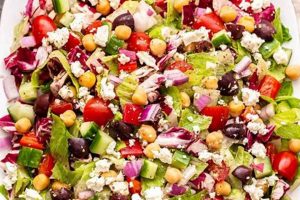
Layered salads assembled in mason jars offer a convenient and portable meal solution. Typically, dressings are placed at the bottom, followed by sturdy vegetables, grains, proteins, and finally, delicate greens at the top. This method prevents the greens from becoming soggy and keeps the ingredients fresh until ready to eat. An example includes a Greek salad with vinaigrette at the bottom, followed by cucumbers, tomatoes, olives, feta cheese, and topped with romaine lettuce.
This approach to salad preparation offers several advantages. It simplifies meal prepping, allowing individuals to create multiple salads in advance for the week. The airtight seal of the jars preserves freshness and extends shelf life. Furthermore, the portability factor makes them ideal for lunches at work or school, picnics, and other on-the-go situations. While the exact origin is difficult to pinpoint, the increasing popularity of meal prepping and healthy eating habits in recent years has contributed significantly to the widespread adoption of this technique.
This article will delve into various aspects of creating these layered salads, exploring a range of ingredient combinations, offering practical tips for successful layering, and addressing common questions about storage and preparation.
Tips for Creating Layered Salads in Jars
Successful layered salads require careful planning and execution. The following tips provide guidance for optimal results.
Tip 1: Dressing First: Always start with the dressing at the bottom of the jar. This prevents delicate greens from wilting and creates a barrier between wet and dry ingredients.
Tip 2: Sturdy Vegetables Next: Hard vegetables like chopped carrots, bell peppers, cucumbers, and onions should form the next layer. These vegetables can withstand the weight of other ingredients and won’t absorb the dressing quickly.
Tip 3: Grains and Proteins Follow: Grains such as quinoa, rice, or couscous, and proteins like beans, chickpeas, grilled chicken, or tofu can be layered on top of the hardier vegetables.
Tip 4: Delicate Ingredients on Top: Place more delicate ingredients, including softer vegetables like tomatoes and avocados, cheeses, nuts, and seeds closer to the top. This placement protects them from being crushed and preserves their texture.
Tip 5: Leafy Greens Last: Leafy greens like spinach, romaine, or kale should always be the top layer to prevent them from getting soggy. Pack them loosely to allow some air circulation.
Tip 6: Proper Storage: Ensure the lids are tightly sealed to maintain freshness. Store the jars upright in the refrigerator for up to five days.
Tip 7: Jar Size Considerations: Choose jar sizes appropriate for individual portion needs. Wide-mouth jars facilitate easier layering and access to the salad.
Tip 8: Shake Before Eating: When ready to consume, shake the jar vigorously to distribute the dressing and combine the ingredients.
By following these tips, one can create visually appealing and flavorful layered salads that remain fresh and enjoyable throughout the week.
These practical strategies enable convenient and healthy meal preparation, offering a simple yet effective way to incorporate more fresh produce into one’s diet.
1. Layered Construction

Layered construction is fundamental to successful mason jar salads. This technique preserves ingredient integrity and optimizes flavor combinations for an enjoyable eating experience, even after days of storage. It ensures that each component contributes optimally to the final product.
- Preventing Sogginess
The strategic layering prevents delicate ingredients, particularly leafy greens, from coming into direct contact with the dressing. This prevents premature wilting and maintains the crisp texture of the greens. A typical example involves placing the dressing at the bottom, followed by denser vegetables, grains, proteins, and finally, the greens at the top. This barrier effect is crucial for salads stored for extended periods.
- Flavor Optimization
Layering allows distinct flavors to remain separate until consumption. This prevents the overpowering of subtle flavors and enhances the overall taste profile. For instance, strong-flavored ingredients like onions or marinated proteins are strategically positioned to avoid overpowering delicate ingredients like fresh herbs or cheeses. The shaking of the jar just before eating then combines these flavors effectively.
- Visual Appeal
The layering creates an aesthetically pleasing presentation when the jar is viewed from the side. The vibrant colors and varied textures of the ingredients become visible, increasing the appeal of the salad. This visual appeal makes it a more enticing and enjoyable meal option.
- Simplified Portioning and Transport
The contained nature of the layered salad in a jar simplifies portion control and transport. The airtight seal prevents leakage, making it convenient for taking to work, school, or on picnics. This self-contained aspect contributes to the portability and convenience of mason jar salads.
The layered construction technique is not merely a practical consideration; it is integral to the success of mason jar salads. By understanding and applying the principles of layering, individuals can consistently create fresh, flavorful, and visually appealing salads that remain enjoyable throughout the week.
2. Ingredient Selection

Ingredient selection significantly impacts the success of mason jar salads. Careful consideration of texture, flavor compatibility, and nutritional balance is crucial. Appropriate choices contribute to the overall palatability and longevity of the layered salad while supporting dietary goals.
Prioritizing durable ingredients alongside more delicate components prevents unwanted outcomes like sogginess or flavor bleed. For instance, robust vegetables such as bell peppers and carrots provide a foundation for layering, while softer ingredients like tomatoes are placed higher in the jar to avoid being crushed. Selecting ingredients with complementary flavors enhances the overall taste profile. A combination of grilled chicken, quinoa, roasted vegetables, and a light vinaigrette offers a balanced and flavorful meal. Conversely, pairing strong-flavored ingredients like pickled onions with delicate greens might create an unbalanced flavor profile. Nutritional considerations also play a role; incorporating a variety of vegetables, lean proteins, and healthy fats ensures a well-rounded and nutritious meal.
Understanding the interplay between ingredients and the layered structure is essential for creating a satisfying mason jar salad. Choosing ingredients strategically based on texture, flavor compatibility, and nutritional value ensures a flavorful, visually appealing, and convenient meal that stays fresh for an extended period. This thoughtful approach not only enhances the eating experience but also promotes healthy eating habits by facilitating meal preparation in advance.
3. Dressing Choice

Dressing choice is a pivotal element in mason jar salad recipes, significantly influencing the overall flavor profile and the preservation of ingredients. Selecting an appropriate dressing enhances the taste and textural integrity of the salad while ensuring its longevity, particularly crucial for make-ahead meals.
- Flavor Compatibility
The dressing should complement the chosen ingredients, creating a harmonious balance of flavors. For example, a light vinaigrette pairs well with fresh vegetables and lighter proteins, while a creamy ranch dressing complements heartier ingredients like roasted vegetables and beans. A mismatch, such as a heavy, creamy dressing with delicate greens, can overwhelm the flavors and lead to a less enjoyable salad. Careful consideration of flavor profiles is essential for a well-balanced and palatable outcome.
- Viscosity and Layering
Dressing viscosity plays a crucial role in preventing sogginess. Thicker dressings tend to stay at the bottom of the jar, creating an effective barrier between the dressing and the more delicate ingredients higher up. Thinner dressings, on the other hand, might seep into the other layers more quickly. Selecting the correct viscosity is crucial for preserving the texture and freshness of the layered ingredients, especially when preparing salads in advance.
- Acidity and Preservation
The acidity level of the dressing can impact the shelf life of the salad. More acidic dressings can act as a natural preservative, helping to keep the ingredients fresh for longer periods. For instance, a vinaigrette with a higher vinegar content helps inhibit bacterial growth, extending the salad’s shelf life compared to a less acidic dressing. This aspect is particularly important for meal prepping and ensuring food safety.
- Dietary Considerations
Dressing choice provides an opportunity to tailor the nutritional content of the salad. Opting for low-fat, low-sodium, or homemade dressings allows for greater control over dietary intake, catering to specific health goals or preferences. For example, a homemade dressing using olive oil, lemon juice, and herbs offers a healthier alternative to commercially produced dressings that may contain higher levels of unhealthy fats, sugars, and additives.
The interplay between dressing choice and the other components of a mason jar salad is crucial for achieving optimal flavor, texture, and preservation. A well-chosen dressing not only enhances the taste but also contributes to the longevity and overall success of the layered salad. Strategic consideration of these facets ensures a delicious and convenient meal that remains fresh and enjoyable throughout the week.
4. Storage Techniques
Proper storage is paramount for maximizing the freshness and longevity of mason jar salads. Effective techniques preserve the quality of individual ingredients and prevent premature spoilage, ensuring a satisfying and safe meal. Understanding and implementing these techniques are crucial for successful meal prepping and enjoying these salads at their best.
- Airtight Seals
Ensuring an airtight seal is fundamental for maintaining freshness. Properly sealed jars prevent air exposure, which can lead to oxidation and wilting of leafy greens. A tight seal also inhibits bacterial growth, extending the shelf life of the salad. Confirming a secure lid closure is essential before refrigeration.
- Refrigeration Temperature
Consistent refrigeration at temperatures between 34F and 40F (1C and 4C) is crucial. This temperature range inhibits bacterial growth and slows down enzymatic processes that contribute to spoilage. Avoid storing salads near the refrigerator door, as temperature fluctuations in this area can compromise freshness.
- Storage Duration
While proper storage extends shelf life, mason jar salads are ideally consumed within 3-5 days for optimal quality. Beyond this timeframe, even with proper storage, ingredients may begin to lose their texture and flavor. Planning meal preparation and consumption within this window ensures the most enjoyable eating experience.
- Jar Material and Quality
Using high-quality, food-grade glass jars is essential. These jars are designed for safe food storage and are less likely to leach chemicals into the salad. Avoid using jars with cracks or chips, as these can compromise the airtight seal and harbor bacteria. Durable, high-quality jars ensure both food safety and the longevity of the salads.
Effective storage techniques are integral to the success of mason jar salads. By adhering to these practices, individuals can maximize the freshness, flavor, and safety of their prepared salads, enjoying convenient and healthy meals throughout the week. Proper storage not only preserves the quality of the ingredients but also contributes to the overall convenience and enjoyment of this meal preparation method.
5. Portability

Portability represents a defining characteristic of mason jar salad recipes, directly influencing their widespread adoption for meal preparation. The inherent design of these salads, utilizing securely sealed jars, allows for easy and safe transport, making them ideal for various situations. This feature eliminates the need for separate containers and reduces the risk of spills or leaks, contributing significantly to their convenience.
The practical implications of this portability are substantial. Individuals can readily transport pre-prepared salads to work, school, or outings, facilitating healthy eating habits even when away from home. This portability also simplifies meal planning for activities such as picnics, hikes, or travel, where carrying traditional salad containers might be cumbersome or impractical. For instance, a layered salad in a mason jar easily fits into a lunch bag or backpack, remaining intact and fresh until ready to be consumed. This convenience factor plays a crucial role in encouraging healthier food choices and reducing reliance on less nutritious, on-the-go options.
In essence, the portability inherent in mason jar salad recipes is not merely a convenient feature but a driving force behind their popularity. This characteristic facilitates healthy eating habits by enabling convenient meal transport, supporting dietary goals even in busy or mobile lifestyles. The practical advantages of this portability, coupled with the benefits of freshness and meal preparation efficiency, establish mason jar salads as a valuable tool for maintaining a healthy and balanced diet.
Frequently Asked Questions
This section addresses common inquiries regarding mason jar salads, providing clarity on best practices and addressing potential concerns.
Question 1: What types of dressings work best in mason jar salads?
Vinaigrettes, creamy dressings, and even thicker dressings like hummus or tahini-based sauces can be used. However, consider the density and how it might interact with other ingredients over time. Thicker dressings are generally recommended as they tend to stay at the bottom of the jar and don’t make the other ingredients soggy.
Question 2: How long can mason jar salads be stored in the refrigerator?
Properly stored mason jar salads typically last for 3-5 days in the refrigerator. Ensuring an airtight seal and consistent refrigeration temperature is essential for maximizing freshness.
Question 3: Can mason jar salads be frozen?
Freezing is generally not recommended. Freezing can negatively impact the texture and flavor of many salad ingredients, particularly leafy greens and vegetables. Upon thawing, these ingredients may become mushy or watery.
Question 4: What are the best types of jars to use for mason jar salads?
Wide-mouth mason jars are ideal for easy layering and access to the salad when eating. High-quality, food-grade glass jars with secure lids ensure proper sealing and prevent leakage.
Question 5: How can one prevent soggy salads?
The key to preventing soggy salads is proper layering. Always place the dressing at the bottom, followed by sturdy vegetables, grains/proteins, and lastly, delicate greens. This layering technique prevents the greens from coming into direct contact with the dressing.
Question 6: Are there any specific ingredients to avoid in mason jar salads?
Avoid ingredients that are prone to rapid spoilage or those that release excess moisture, such as overly ripe fruits or certain cheeses. Additionally, ingredients with strong odors, like raw onions or garlic, might permeate the entire salad if not layered strategically.
By understanding these commonly addressed concerns, individuals can confidently prepare and enjoy fresh, flavorful mason jar salads as a convenient and healthy meal option.
This information provides a comprehensive guide to creating and storing mason jar salads effectively.
Mason Jar Salad Recipes
This exploration of mason jar salad recipes has highlighted the key elements contributing to their efficacy and appeal. From the foundational principle of layered construction, preventing sogginess and optimizing flavor combinations, to the strategic selection of ingredients based on texture, taste, and nutritional value, the preparation process hinges on informed choices. Proper dressing selection, considering viscosity, flavor compatibility, and acidity, further enhances the final product. Effective storage techniques, emphasizing airtight seals and consistent refrigeration, preserve freshness and maximize shelf life. The inherent portability of these salads amplifies their convenience, facilitating healthy eating habits in various settings. Addressing common concerns through practical advice empowers individuals to confidently embrace this meal preparation method.
Mason jar salad recipes offer a versatile and adaptable approach to healthy eating, promoting both convenience and culinary creativity. The principles outlined herein provide a framework for successful implementation, encouraging mindful ingredient selection, strategic layering, and proper storage. This method empowers individuals to prioritize fresh, flavorful meals, contributing to a healthier and more sustainable approach to dietary habits.