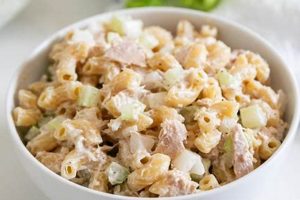
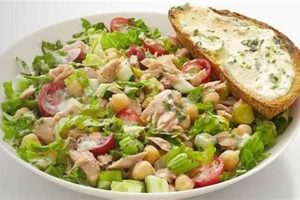
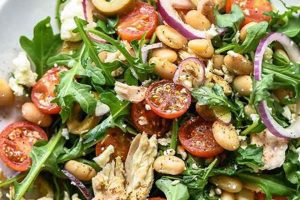
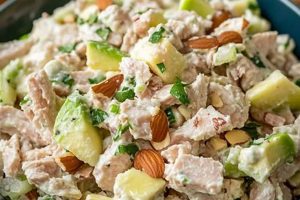
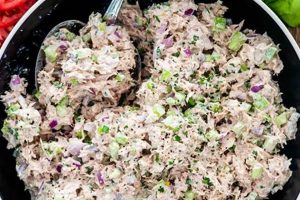
A simple dish combining canned tuna, a binder like mayonnaise, and mustard creates a quick and affordable meal. Variations often include celery, onion, relish, or hard-boiled eggs for added flavor and texture. For instance, a classic preparation might involve mixing flaked tuna with mayonnaise, Dijon mustard, chopped celery, and diced red onion, seasoned with salt and pepper.
This type of salad offers a convenient protein source, rich in omega-3 fatty acids. Its adaptability makes it ideal for sandwiches, wraps, crackers, or enjoyed on its own. From its origins as a thrifty meal during the early 20th century, this dish has evolved into a versatile staple found in lunchboxes and on restaurant menus alike. The tangy bite of mustard adds depth and complexity, elevating the simple combination of tuna and mayonnaise.
The following sections will explore variations on this classic dish, offering guidance on ingredient selection, preparation techniques, and creative serving suggestions to enhance the dining experience.
Tips for an Exceptional Tuna Salad with Mustard
Elevating this simple dish requires attention to detail and an understanding of flavor pairings. The following tips offer guidance for creating a superior culinary experience.
Tip 1: Quality Ingredients Matter: Opt for high-quality canned tuna packed in water or olive oil. Select a Dijon mustard for its complex flavor profile, or experiment with whole-grain mustard for added texture.
Tip 2: Freshness is Key: Use freshly chopped vegetables. Pre-chopped vegetables can often have a less vibrant flavor. Crisp celery and finely diced red onion offer a delightful contrast to the creamy tuna base.
Tip 3: Balance is Crucial: Avoid overpowering the delicate tuna flavor. Use mayonnaise and mustard sparingly, adjusting to taste. A touch of lemon juice can brighten the flavors.
Tip 4: Texture Considerations: Finely chop vegetables for a smoother texture or leave them slightly larger for added crunch. Consider adding chopped hard-boiled eggs for a richer, more substantial salad.
Tip 5: Seasoning Enhancements: Freshly ground black pepper and a pinch of sea salt enhance the overall flavor profile. A dash of paprika or cayenne pepper can add a subtle kick.
Tip 6: Chilling Enhances Flavor: Allow the salad to chill in the refrigerator for at least 30 minutes before serving. This allows the flavors to meld and develop depth.
Tip 7: Creative Serving Suggestions: Explore beyond the traditional sandwich. Serve the salad on crackers, lettuce cups, or as a filling for avocados or tomatoes.
By focusing on quality ingredients, balanced flavors, and thoughtful preparation, one can transform a simple tuna salad into a memorable culinary creation.
These tips provide a starting point for culinary exploration and customization. Experimentation with herbs, spices, and other additions can further personalize the dish.
1. High-quality Canned Tuna
The foundation of any successful tuna salad rests upon the quality of its primary ingredient: canned tuna. Selecting high-quality canned tuna significantly impacts the overall flavor, texture, and nutritional value of the final dish. This section explores the crucial connection between high-quality canned tuna and a superior tuna salad with mustard.
- Tuna Species:
Different tuna species offer distinct flavor profiles and textures. Albacore tuna, often labeled “white meat tuna,” possesses a delicate, mild flavor. Skipjack and yellowfin tuna have a more robust, savory taste. Choosing the appropriate species influences the final flavor balance of the salad. Albacore, with its mildness, pairs well with the sharpness of mustard, while skipjack or yellowfin can stand up to stronger flavors.
- Packing Medium:
Tuna packed in water offers a cleaner, lighter taste, allowing the flavors of the other ingredients to shine. Tuna packed in olive oil provides a richer, more luxurious mouthfeel and can contribute to the overall creaminess of the salad. The packing medium can also influence the nutritional content, with oil-packed tuna containing more calories and fat.
- Sustainability and Sourcing:
Sustainably sourced tuna ensures responsible fishing practices that minimize environmental impact. Look for certifications like the Marine Stewardship Council (MSC) label, which indicates that the tuna comes from a well-managed fishery. Choosing sustainable tuna supports responsible fishing practices and contributes to the long-term health of our oceans.
- Texture and Appearance:
High-quality canned tuna exhibits firm, intact flakes, rather than mushy or broken pieces. The appearance should be consistent, without discoloration or excessive liquid. Solid, well-defined flakes hold their shape better in the salad, contributing to a more appealing texture.
By prioritizing high-quality canned tuna, one ensures a flavorful and nutritious foundation for a delicious tuna salad with mustard. The species, packing medium, sustainability, and texture all play critical roles in the final product, impacting both taste and ethical considerations. A discerning selection of tuna elevates this simple dish from ordinary to exceptional.
2. Dijon or Whole-Grain Mustard

Mustard’s role in tuna salad extends beyond mere condiment status; it acts as a critical flavor component, balancing the richness of the tuna and mayonnaise. The choice between Dijon and whole-grain mustard significantly influences the final character of the dish. Dijon, with its smooth texture and sharp, tangy flavor derived from white wine, adds a pronounced brightness. This acidity cuts through the creamy base, preventing the salad from becoming bland. Whole-grain mustard, conversely, offers a milder, more nuanced flavor profile complemented by a textural complexity from the coarsely ground mustard seeds. This variety introduces subtle earthiness and a pleasant pop, contrasting with the softer textures of the other ingredients. The choice depends on desired flavor intensity and textural preference; Dijon provides a bolder impact, while whole-grain offers a more subtle, texturally varied experience. For example, a salad featuring delicate albacore tuna might benefit from Dijon’s sharpness, while a heartier skipjack tuna salad might pair well with the earthiness of whole-grain mustard.
The quantity of mustard used also warrants consideration. Too little mustard can render the salad bland, while too much can overpower the other flavors. A careful balance must be struck to ensure the mustard enhances the tuna without dominating the palate. Furthermore, the mustard choice can influence other ingredient pairings. A Dijon-based salad might benefit from the addition of crisp vegetables like celery or cornichons, while a whole-grain mustard salad could be complemented by the sweetness of chopped apple or dried cranberries. These nuanced pairings demonstrate how mustard selection influences the overall composition and balance of the salad.
Understanding the distinct characteristics of Dijon and whole-grain mustard allows for informed decision-making when crafting tuna salad. The choice hinges on the desired flavor profile and textural experience, influencing complementary ingredients and overall balance. Careful consideration of mustard type and quantity elevates this seemingly simple dish, transforming it into a nuanced culinary creation. Selecting the appropriate mustard requires an understanding of its impact on the final product, ensuring a harmonious blend of flavors and textures.
3. Freshly Chopped Vegetables
Freshly chopped vegetables contribute significantly to the texture, flavor, and nutritional value of tuna salad with mustard. Their presence elevates the dish beyond a simple protein source, adding complexity and freshness. This section explores the vital role of freshly chopped vegetables in creating a well-rounded and appealing tuna salad.
- Textural Contrast:
Fresh vegetables introduce a crucial textural counterpoint to the softness of the tuna and the creaminess of the mayonnaise and mustard. Crunchy elements like celery, red onion, and bell peppers provide a satisfying contrast, preventing the salad from becoming monotonous. The crispness of these vegetables adds a refreshing element to each bite.
- Flavor Enhancement:
Beyond texture, freshly chopped vegetables contribute distinct flavors that complement and enhance the overall profile of the tuna salad. The subtle bitterness of celery, the sharp pungency of red onion, and the sweetness of bell peppers create a more complex and nuanced flavor experience. These additions prevent the salad from tasting one-dimensional, adding depth and interest.
- Nutritional Value:
Incorporating fresh vegetables increases the nutritional value of the tuna salad. These additions provide vitamins, minerals, and dietary fiber, transforming the dish into a more wholesome and balanced meal. The inclusion of vegetables increases the nutritional density of the salad, offering health benefits beyond protein and healthy fats.
- Visual Appeal:
Freshly chopped vegetables enhance the visual appeal of the tuna salad. The vibrant colors of vegetables like red onion, green bell pepper, and carrots add brightness and interest, making the salad more appetizing. This visual element enhances the overall dining experience, making the salad more enticing.
The strategic incorporation of freshly chopped vegetables transforms tuna salad with mustard from a basic protein source into a vibrant, texturally diverse, and nutritionally balanced meal. These additions contribute not only to the sensory experience of the dish but also to its overall healthfulness and visual appeal. Careful selection and preparation of fresh vegetables elevate the dish, creating a more satisfying and complete culinary experience.
4. Mayonnaise (Use Sparingly)
Mayonnaise plays a crucial, yet often delicate, role in tuna salad with mustard. While it contributes creaminess and binds the ingredients, its overuse can easily overpower the other flavors and create a heavy, overly rich texture. Understanding mayonnaise’s function and exercising restraint in its application are key to achieving a balanced and flavorful tuna salad.
- Binding Agent:
Mayonnaise acts as the glue that holds the tuna salad together. Its emulsified nature allows it to coat the other ingredients, creating a cohesive mixture. However, using too much mayonnaise results in a loose, gloppy salad that lacks structural integrity and dilutes the flavors of the tuna and mustard.
- Texture and Mouthfeel:
Mayonnaise contributes to the creamy texture of tuna salad. Used judiciously, it provides a smooth, palatable mouthfeel. Excessive mayonnaise, however, creates a heavy, greasy texture that can be unappetizing. The goal is to achieve a balance where the creaminess complements the other ingredients without overwhelming them.
- Flavor Balance:
Mayonnaise, while possessing a subtle tang, can mask the more delicate flavors of the tuna and mustard if used in excess. The objective is to use just enough mayonnaise to create a cohesive mixture without overshadowing the other key components. The flavor of the mayonnaise itself should be a supporting player, not the dominant force.
- Health Considerations:
Mayonnaise is relatively high in fat and calories. Using it sparingly aligns with health-conscious approaches to preparing tuna salad. Reducing the amount of mayonnaise allows the nutritional benefits of the tuna and vegetables to take center stage. This approach creates a lighter, more healthful version of the classic dish.
The “use sparingly” caveat regarding mayonnaise in tuna salad highlights its dual nature: essential for texture and binding, yet potentially detrimental to flavor and overall balance if overused. Careful consideration of its role and a restrained approach to its application are crucial for creating a tuna salad that is both flavorful and enjoyable. The ultimate goal is to achieve a harmonious blend of ingredients where the mayonnaise enhances, rather than overwhelms, the other components.
5. Seasoning (Salt, Pepper)
Seasoning, primarily with salt and pepper, forms an integral part of a successful tuna salad with mustard recipe. While often overlooked, proper seasoning elevates the other ingredients, creating a balanced and flavorful dish. This seemingly simple step significantly impacts the final taste experience.
- Salt’s Role in Flavor Enhancement:
Salt does not merely add a salty taste; it enhances the inherent flavors of the other ingredients. In tuna salad, salt amplifies the savory notes of the tuna, balances the tanginess of the mustard, and rounds out the overall flavor profile. Without sufficient salt, the salad can taste flat and one-dimensional. However, over-salting can easily ruin the dish, masking the delicate flavors of the other components. The key lies in finding the right balance to bring out the best in each ingredient. Kosher salt or sea salt is generally preferred over table salt due to its larger crystal size and cleaner flavor.
- Pepper’s Contribution to Complexity:
Freshly ground black pepper adds a layer of complexity to tuna salad. Its subtle heat and slightly pungent aroma complement the other flavors, creating a more nuanced taste experience. Pre-ground pepper often lacks the vibrancy and aromatic intensity of freshly ground peppercorns. The type of pepper used can also influence the flavor profile. Black pepper offers a classic, versatile option, while white pepper provides a milder heat. Experimenting with different pepper varieties can further enhance the salad’s complexity.
- Balancing Flavors:
The interplay between salt and pepper is crucial for achieving a well-balanced tuna salad. Salt enhances the savory and sweet notes, while pepper adds a touch of heat and complexity. The goal is to create a harmonious blend where no single flavor dominates. This balance allows the individual characteristics of the tuna, mustard, and other ingredients to shine through, resulting in a more satisfying culinary experience.
- Seasoning Technique:
Proper seasoning technique involves adding salt and pepper gradually, tasting frequently, and adjusting as needed. It’s essential to season the tuna mixture itself, rather than just the finished salad, to ensure the flavors are evenly distributed. This method allows for greater control over the final seasoning, preventing over-salting or over-peppering. Furthermore, the timing of seasoning can influence the final outcome. Seasoning the tuna mixture before adding the mayonnaise allows the salt to penetrate the tuna more effectively, enhancing its flavor.
Seasoning with salt and pepper is not merely a perfunctory step; it’s a crucial element that elevates tuna salad with mustard from simple to exceptional. The careful application of these seasonings enhances the flavors of the other ingredients, creating a balanced and nuanced dish. Understanding the role of salt and pepper, selecting appropriate types, and employing proper seasoning techniques are essential for maximizing the flavor potential of this classic dish. Attention to detail in seasoning ensures a more satisfying and flavorful culinary experience.
6. Bread or Crackers

The choice of bread or crackers significantly influences the overall enjoyment of tuna salad with mustard. Serving vessels contribute not only to the structural integrity of the meal but also to the sensory experience, impacting flavor, texture, and presentation. Careful consideration of these factors ensures a harmonious pairing that elevates the simple tuna salad.
- Bread Selection:
Bread provides a soft, yielding foundation for tuna salad. Options range from classic white bread to whole-wheat, rye, sourdough, and multigrain varieties. The bread’s flavor profile should complement, not overpower, the tuna salad. For example, a robust sourdough might clash with the delicate flavors of the salad, while a milder whole-wheat bread provides a neutral backdrop. Textural considerations also play a role; a soft, fluffy bread might become soggy, while a denser, crustier loaf offers greater structural integrity. The bread’s thickness also influences the salad-to-bread ratio, impacting the overall eating experience.
- Cracker Variety:
Crackers offer a crisp, contrasting texture to the creamy tuna salad. Options range from plain saltines and buttery Ritz to seeded crackers, whole-grain varieties, and more robust options like Triscuits. The cracker’s flavor and texture should complement the salad’s characteristics. For instance, a delicate salad might pair well with a buttery cracker, while a more robust salad might benefit from a heartier, seeded cracker. Cracker size and shape also influence presentation and portion control. Smaller crackers provide bite-sized portions ideal for appetizers, while larger crackers offer a more substantial base for a heartier serving.
- Pairing Considerations:
Selecting the appropriate bread or cracker involves considering the overall flavor profile of the tuna salad. A salad with a strong Dijon mustard flavor might pair well with a hearty rye bread or a seeded cracker, while a milder salad might benefit from a buttery croissant or a delicate water cracker. The goal is to create a balanced combination where the bread or cracker enhances, rather than competes with, the flavors of the salad.
- Presentation and Practicality:
Bread and crackers also influence the presentation and practicality of serving tuna salad. Sliced bread offers a convenient, portable option for sandwiches or open-faced preparations. Crackers provide a versatile option for individual servings, appetizers, or snack platters. The choice depends on the occasion and the desired serving style. Practical considerations, such as portability and ease of handling, also influence the decision.
The choice of bread or crackers is an integral part of the tuna salad with mustard experience. Far from being a mere afterthought, the serving vessel significantly impacts the overall enjoyment of the dish. Careful consideration of bread type, cracker variety, flavor pairings, and presentation ensures a harmonious combination that elevates this simple salad to a more satisfying and complete meal. A well-chosen bread or cracker complements the flavors and textures of the tuna salad, creating a balanced and enjoyable culinary experience.
7. Optional additions (relish, herbs)
Optional additions, such as relish and herbs, provide opportunities to personalize and enhance the flavor profile of tuna salad with mustard. These additions introduce complexity and depth, transforming a basic tuna salad into a customized culinary creation. The strategic incorporation of these elements elevates the dish, catering to individual preferences and adding a touch of creativity.
- Relish:
Relish, typically made from chopped pickles, vegetables, and spices, introduces a sweet, tangy, and often acidic element to tuna salad. Sweet pickle relish, a common choice, adds a touch of sweetness and a pleasant crunch. Dill relish, with its briny, herbaceous notes, offers a more savory counterpoint. The choice of relish influences the overall flavor balance of the salad, adding depth and complexity.
- Fresh Herbs:
Fresh herbs contribute aromatic complexity and a burst of freshness to tuna salad. Dill, parsley, chives, and tarragon are popular choices, each offering distinct flavor profiles. Dill’s slightly anise-like flavor complements the brininess of tuna, while parsley provides a clean, herbaceous note. Chives offer a subtle onion flavor, and tarragon introduces a delicate, slightly licorice-like aroma. Fresh herbs brighten the flavor profile of the salad, adding a vibrant touch.
- Other Flavorful Additions:
Beyond relish and herbs, numerous other additions can enhance tuna salad. Chopped hard-boiled eggs contribute richness and protein, while capers introduce a salty, briny burst. Red onion adds a sharp pungency, and chopped celery provides a refreshing crunch. These additions, used judiciously, further personalize the salad, catering to individual preferences and creating unique flavor combinations. The possibilities for customization are vast, allowing for culinary exploration and creativity.
- Balancing Flavors:
The key to successfully incorporating optional additions lies in achieving a balanced flavor profile. The intensity of the additions should complement, not overpower, the core flavors of the tuna, mustard, and mayonnaise. Start with small amounts, tasting frequently, and adjusting as needed. The goal is to create a harmonious blend where each ingredient contributes to the overall taste experience without dominating the palate. Careful consideration of flavor pairings ensures a well-balanced and enjoyable salad.
Optional additions, like relish and herbs, provide a pathway to personalize tuna salad with mustard, transforming it from a basic staple into a customized culinary creation. These additions introduce new dimensions of flavor and texture, catering to individual preferences and elevating the dining experience. The careful selection and incorporation of these elements demonstrate how a simple dish can be transformed through thoughtful additions and attention to detail.
Frequently Asked Questions
This section addresses common inquiries regarding the preparation and enjoyment of tuna salad with mustard, offering clarity and guidance for achieving optimal results.
Question 1: What type of mustard is best suited for tuna salad?
Dijon mustard, with its sharp, tangy flavor, is a classic choice. Whole-grain mustard offers a milder flavor and textural complexity. The selection depends on individual preference and desired flavor intensity. Experimentation with other mustard varieties, such as stone-ground or honey mustard, can also yield interesting results.
Question 2: How can one prevent tuna salad from becoming too dry?
Excessive dryness often results from overmixing or using too little mayonnaise. Gentle mixing and the judicious use of mayonnaise or plain yogurt can maintain a desirable moisture level. Adding a small amount of olive oil or avocado can also enhance creaminess without over-reliance on mayonnaise.
Question 3: How long can tuna salad be stored in the refrigerator?
Properly stored in an airtight container, tuna salad typically remains safe to consume for three to five days in the refrigerator. However, quality and flavor may begin to deteriorate after the first two days. It is crucial to observe proper food safety guidelines to minimize spoilage risk.
Question 4: Can tuna salad be frozen?
While freezing tuna salad is possible, it’s generally not recommended. Freezing can negatively impact the texture of the mayonnaise and other ingredients, resulting in a watery or separated salad upon thawing. It’s best to prepare and consume tuna salad within a few days for optimal quality.
Question 5: How can one add more flavor complexity to tuna salad?
Incorporating ingredients such as chopped celery, red onion, fresh herbs (dill, parsley, chives), capers, or relish can introduce layers of flavor. Experimentation with spices, like paprika or cayenne pepper, can also enhance complexity.
Question 6: What are some alternative serving suggestions beyond bread or crackers?
Tuna salad can be served in lettuce cups, avocado halves, tomato shells, or as a filling for wraps or pita pockets. It can also be enjoyed as a standalone salad or incorporated into a larger salad composition.
Understanding the nuances of preparation and storage allows for a more informed and enjoyable culinary experience with tuna salad. These answers provide a starting point for further exploration and experimentation.
The next section will delve into specific recipe variations and provide step-by-step instructions for creating a delicious and personalized tuna salad with mustard.
Conclusion
This exploration of tuna salad with mustard recipes has highlighted the importance of ingredient selection, preparation techniques, and flavor balancing. From the choice of tuna and mustard to the inclusion of fresh vegetables and seasonings, each component contributes to the final product’s overall quality and taste. The versatility of this dish, adaptable to various breads, crackers, and additional ingredients, allows for extensive customization and personalized culinary experiences. Proper storage and handling ensure food safety and maintain optimal flavor and texture.
Tuna salad with mustard, often perceived as a simple dish, offers a canvas for culinary creativity. Careful consideration of each element, from the quality of the tuna to the nuanced addition of herbs and spices, transforms this humble dish into a satisfying and flavorful meal. Exploration of variations and thoughtful ingredient pairings unlock the full potential of this versatile classic, enriching the culinary landscape.