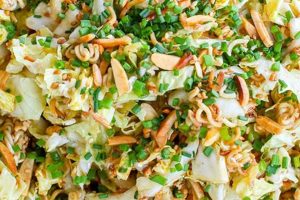
A simple dish consisting primarily of sliced tomatoes and onions, this culinary creation often incorporates additional ingredients like herbs, vinegar, and oil. Variations can include different types of tomatoes, onions, and seasonings, offering a range of flavors and textures. A classic example combines ripe red tomatoes, thinly sliced red onion, fresh parsley, a vinaigrette of olive oil and red wine vinegar, and a touch of salt and pepper.
This type of salad offers a refreshing and flavorful complement to a variety of meals. Its simple preparation makes it a versatile side dish, suitable for casual gatherings or more formal dinners. The combination of tomatoes and onions provides not only a delightful taste but also valuable nutrients. Historically, similar combinations of these ingredients have appeared in cuisines around the world, often adapting to locally available produce and flavor preferences. Its enduring popularity speaks to its versatility and satisfying simplicity.
The following sections will explore variations of this salad, including specific ingredient recommendations, detailed preparation instructions, and suggestions for complementary dishes. Nutritional information and tips for maximizing flavor will also be provided.
Tips for a Perfect Tomato Onion Salad
Optimal preparation elevates this simple salad from agreeable to exceptional. Attention to detail in ingredient selection, knife work, and seasoning ensures a delightful culinary experience.
Tip 1: Ingredient Selection: Ripe, flavorful tomatoes are crucial. Consider heirloom varieties for a complex taste. Sweet onions, such as Vidalia or red onion, provide a balanced flavor profile.
Tip 2: Knife Skills: Uniform slicing ensures even flavor distribution and a pleasing presentation. Aim for consistent thickness in both tomatoes and onions.
Tip 3: Maceration: Briefly macerating the onions in vinegar or citrus juice mellows their sharpness and enhances their sweetness.
Tip 4: Seasoning: Freshly ground black pepper and high-quality sea salt enhance the natural flavors of the vegetables. Experiment with herbs such as parsley, oregano, or dill.
Tip 5: Oil Selection: Extra virgin olive oil contributes a rich, fruity flavor. Other options include avocado or grapeseed oil.
Tip 6: Timing: Prepare the salad shortly before serving to maintain optimal texture and prevent the vegetables from becoming soggy.
Tip 7: Chilling: While not essential, a brief chill can enhance the refreshing qualities of the salad, particularly in warmer weather.
Adhering to these guidelines ensures a consistently delicious and visually appealing salad. Attention to these details elevates a simple dish to a truly satisfying culinary experience.
By understanding these key elements, one can confidently create a tomato onion salad that is both flavorful and visually appealing. The next section will provide variations and serving suggestions.
1. Fresh, Ripe Tomatoes
The foundation of a successful tomato onion salad rests upon the quality of its core ingredient: the tomato. Fresh, ripe tomatoes provide the essential sweetness, juiciness, and texture that define this simple yet satisfying dish. Selecting and utilizing optimal tomatoes elevates the salad from ordinary to extraordinary.
- Variety Selection
Different tomato varieties offer unique flavor profiles and textures. Heirloom tomatoes, known for their diverse colors and complex flavors, contribute depth and visual appeal. Beefsteak tomatoes, with their meaty texture and robust flavor, provide a substantial presence. Cherry or grape tomatoes offer a burst of sweetness and a pleasing pop. The chosen variety significantly influences the overall character of the salad.
- Ripeness Indicators
Optimal ripeness is crucial. Indicators of a perfectly ripe tomato include vibrant color, a slight give to gentle pressure, and a fragrant aroma. Avoid tomatoes with bruises, blemishes, or a dull appearance. The ripeness directly impacts the sweetness and juiciness of the salad.
- Preparation Techniques
Proper handling and preparation maximize the tomato’s contribution. Gentle washing and thorough drying prevent bruising and excess moisture. Consistent slicing ensures even flavor distribution and visual appeal. Removing the core and seeds, particularly in larger varieties, can improve texture and prevent excess moisture in the salad.
- Flavor Pairing
The inherent sweetness and acidity of ripe tomatoes pair well with the sharpness of onions. This balance is further enhanced by the vinaigrette and other complementary ingredients. The tomato’s flavor profile serves as a foundational element, influencing the choice of other components and the overall balance of the dish.
The selection, handling, and variety of fresh, ripe tomatoes directly impact the final quality of the tomato onion salad. Attention to these details ensures a flavorful, visually appealing, and texturally satisfying dish. The interplay between the tomato and other ingredients creates a harmonious balance of flavors and textures, making this simple salad a culinary delight.
2. Mild or Sweet Onions

The choice of onion significantly influences the flavor profile of a tomato onion salad. While pungent onions like yellow or white onions can overpower the delicate sweetness of tomatoes, mild or sweet onions offer a complementary flavor and texture, contributing to a more balanced and refreshing salad. Understanding the nuances of these onion varieties is crucial for creating a harmonious and enjoyable culinary experience.
- Flavor Profile
Mild or sweet onions, such as Vidalia, Walla Walla, or Maui, possess a lower sulfur content than pungent varieties. This results in a sweeter, less sharp taste that harmonizes well with the natural sweetness and acidity of ripe tomatoes. Their delicate flavor enhances the overall composition of the salad without overpowering the other ingredients.
- Textural Contribution
These onion varieties typically exhibit a crisp, succulent texture that complements the juicy texture of tomatoes. Their firm yet tender structure adds a pleasant bite to the salad. Thinly slicing these onions further enhances their textural appeal, allowing them to meld seamlessly with the other ingredients.
- Balancing Acidity
The sweetness of mild onions balances the acidity of the tomatoes and the vinaigrette. This interplay of flavors creates a harmonious and refreshing taste experience. The inherent sweetness of these onions tempers the sharpness of the other components, resulting in a well-rounded flavor profile.
- Versatility in Preparation
Mild onions can be used raw or lightly cooked in a tomato onion salad. Their delicate flavor profile holds up well to various preparation methods, offering flexibility in recipe development. They can be incorporated directly into the salad or briefly macerated in vinegar or citrus juice to further mellow their flavor and enhance their sweetness.
The selection of mild or sweet onions is integral to achieving a well-balanced and flavorful tomato onion salad. Their delicate sweetness, crisp texture, and ability to balance acidity contribute significantly to the overall culinary experience. Careful consideration of these factors ensures a harmonious blend of flavors and textures, elevating the simple combination of tomatoes and onions to a truly satisfying dish.
3. Simple Vinaigrette

A simple vinaigrette plays a crucial role in a tomato onion salad recipe, acting as a unifying element that binds the flavors of the tomatoes and onions while adding its own distinct character. The vinaigrette provides acidity, which balances the sweetness of the vegetables, and contributes to the overall texture and mouthfeel of the salad. Its careful construction is essential for a well-balanced and flavorful dish.
- Acidity
The primary function of the vinaigrette’s acidity is to balance the sweetness of the tomatoes and onions. Common acidic ingredients include vinegar (red wine, white wine, balsamic, apple cider) and citrus juices (lemon, lime). The level of acidity should complement, not overpower, the other flavors. For instance, a balsamic vinaigrette with its inherent sweetness pairs well with ripe tomatoes and mild onions, while a brighter lemon vinaigrette might be preferred with sharper onions and less sweet tomatoes.
- Oil
Oil contributes richness, texture, and flavor to the vinaigrette. Extra virgin olive oil provides a fruity, peppery flavor, while avocado oil offers a creamy texture and neutral taste. The oil also acts as a carrier for the other vinaigrette ingredients and helps distribute them evenly throughout the salad. The ratio of oil to acid impacts the vinaigrette’s consistency and mouthfeel.
- Seasoning
Seasoning enhances the overall flavor profile of the vinaigrette and the salad. Salt and freshly ground black pepper are essential, balancing the acidity and sweetness. Other seasonings, such as Dijon mustard, minced garlic, or herbs like oregano or thyme, can add complexity and depth. The choice of seasonings should complement the other ingredients in the salad.
- Emulsification
While not strictly necessary for a simple vinaigrette, emulsification creates a more stable and cohesive dressing. Whisking the oil and acid together creates a temporary emulsion, where the oil droplets are suspended in the acid. This prevents the vinaigrette from separating and ensures a more even distribution of flavor throughout the salad.
The interplay of acidity, oil, seasoning, and emulsification in a simple vinaigrette contributes significantly to the overall success of a tomato onion salad. A well-crafted vinaigrette enhances the natural flavors of the tomatoes and onions, creating a harmonious and refreshing dish. The balance of these components is crucial for achieving a flavorful and texturally satisfying salad, where each element complements the others in a cohesive and delightful culinary experience.
4. Fresh Herbs (Optional)
Fresh herbs, while optional, provide an opportunity to elevate the flavor profile of a tomato onion salad. Their aromatic and flavorful contributions add depth and complexity to the otherwise straightforward combination of tomatoes and onions. Judicious selection and application of fresh herbs can transform a simple salad into a truly vibrant culinary experience.
- Aromatic Enhancement
Fresh herbs contribute aromatic complexity, enhancing the sensory experience of the salad. Herbs like basil, parsley, dill, mint, chives, and oregano offer distinct aromatic profiles that complement the flavors of tomatoes and onions. For example, the peppery notes of basil pair well with the sweetness of ripe tomatoes, while the bright, grassy aroma of parsley provides a refreshing counterpoint to the sharpness of onions. The selection of herbs influences the overall aromatic character of the salad.
- Flavor Complexity
Beyond aroma, fresh herbs introduce nuanced flavors that add depth to the salad. Dill, with its slightly tangy and anise-like flavor, provides a unique dimension. Mint offers a cooling, refreshing element. Chives contribute a subtle oniony flavor. The interplay of these flavors with the tomatoes, onions, and vinaigrette creates a more complex and interesting taste experience.
- Visual Appeal
Fresh herbs contribute to the visual appeal of the salad. Their vibrant green hues contrast beautifully with the colors of the tomatoes and onions, adding a pop of color and freshness. Chopped herbs sprinkled over the salad create a visually appealing garnish. The visual element enhances the overall presentation and adds to the dining experience.
- Balancing Flavors
Fresh herbs can play a role in balancing the flavors of the salad. For instance, the slightly peppery flavor of oregano can complement the sweetness of the tomatoes and the sharpness of the onions. The herbal notes can bridge the gap between these contrasting flavors, creating a more harmonious and well-rounded taste profile. The choice of herbs depends on the specific variety of tomatoes and onions used, as well as the desired overall flavor balance.
The addition of fresh herbs, though optional, offers a significant opportunity to enhance the flavor, aroma, and visual appeal of a tomato onion salad. Careful selection and application of these aromatic ingredients can elevate the simple combination of tomatoes and onions to a more complex and satisfying culinary creation. The interplay of herbal notes with the natural flavors of the vegetables and the vinaigrette creates a symphony of tastes and aromas, transforming a basic salad into a delightful culinary experience.
5. Proper Slicing Technique

Proper slicing technique is integral to a successful tomato onion salad. Uniformity of slices affects flavor distribution, texture, and visual appeal. Consistent thickness ensures each bite contains a balanced proportion of tomato, onion, and dressing. Thinly sliced components readily absorb the vinaigrette’s flavors, while evenly sized pieces contribute to a pleasing texture, preventing large chunks from overpowering smaller ones. Consider a salad with unevenly sliced tomatoes: thick pieces might taste bland, while thin slivers become overly saturated with dressing. Conversely, uniformly sliced components ensure consistent flavor and texture throughout the salad.
Beyond flavor and texture, proper slicing technique contributes to the salad’s aesthetic presentation. Uniformly sliced vegetables create a visually appealing dish, enhancing the overall dining experience. Thin, even slices allow for a more elegant presentation and facilitate even layering of ingredients. This attention to detail elevates the dish from a simple side to a more refined culinary creation. Imagine a salad with haphazardly chopped ingredients compared to one with precisely sliced components; the latter undoubtedly presents a more appealing and appetizing appearance. This visual enhancement contributes significantly to the enjoyment of the dish.
Mastery of basic knife skills, including proper grip and blade angle, ensures consistent and efficient slicing. Sharp knives facilitate clean cuts, preventing the vegetables from being crushed or bruised. This preserves their structural integrity and enhances their visual appeal. Dull knives, conversely, can lead to uneven slices and damage the delicate cell structure of the vegetables, releasing excess moisture and impacting texture. Proper slicing technique, therefore, contributes significantly to the overall quality and enjoyment of a tomato onion salad, impacting flavor, texture, and visual appeal.
6. Seasoning Balance

Seasoning balance is paramount in a tomato onion salad recipe. This seemingly simple dish relies heavily on the interplay of flavors, where the inherent sweetness of ripe tomatoes and the sharpness of onions must be carefully balanced to achieve a harmonious taste. Seasoning acts as the conductor, orchestrating this flavor harmony. Insufficient seasoning results in a bland, underwhelming salad, failing to highlight the natural flavors of the ingredients. Conversely, excessive seasoning can overpower the delicate balance, obscuring the sweetness of the tomatoes and creating a harsh, unpleasant taste. For example, a salad with an abundance of salt will mask the subtle sweetness of ripe tomatoes, while too much black pepper can overwhelm the palate and detract from the other flavors.
The primary seasonings in a tomato onion salad are salt and pepper. Salt enhances the natural sweetness of the tomatoes and tempers the sharpness of the onions. Pepper adds a layer of complexity, providing a subtle heat and depth of flavor. However, the balance extends beyond these two basic seasonings. The acidity of the vinaigrette also plays a crucial role. A vinaigrette that is too acidic can make the salad taste overly tart, while insufficient acidity can result in a flat, uninteresting flavor profile. The choice of herbs, if used, also contributes to the seasoning balance. For instance, the peppery notes of fresh oregano can complement the sweetness of the tomatoes, while the bright, grassy flavor of parsley adds a refreshing element. Consider a salad dressed with a lemon vinaigrette and sprinkled with fresh oregano. The bright citrus notes of the lemon complement the peppery oregano and balance the sweetness of the tomatoes and the sharpness of the onions, creating a vibrant and flavorful salad.
Achieving seasoning balance requires careful consideration of all the ingredients and their respective flavors. It is an iterative process, involving tasting and adjusting throughout the preparation. Start with a small amount of seasoning and gradually add more, tasting frequently until the desired balance is achieved. This attention to detail ensures that the final product is not merely a collection of ingredients but a cohesive and harmonious dish where each element complements the others. Understanding the importance of seasoning balance and its impact on the final product elevates the tomato onion salad from a simple side dish to a carefully crafted culinary creation that showcases the natural flavors of its ingredients in perfect harmony.
Frequently Asked Questions
This section addresses common inquiries regarding tomato onion salads, providing concise and informative responses to facilitate optimal preparation and enjoyment.
Question 1: How can one prevent a tomato onion salad from becoming watery?
Excess moisture can be mitigated by using ripe, but not overripe, tomatoes. Salting the sliced tomatoes and allowing them to rest in a colander for a short period draws out excess moisture before combining them with the other ingredients. Additionally, thoroughly drying the tomatoes after washing helps prevent a watery salad.
Question 2: What type of onion is best suited for this salad?
Mild or sweet onions, such as Vidalia, red onion, or Walla Walla, are generally preferred. These varieties offer a balanced sweetness that complements the tomatoes without overpowering the other flavors. Pungent onions, like yellow or white onions, may be used but should be macerated briefly to mellow their sharpness.
Question 3: Can this salad be prepared in advance?
While the salad is best consumed immediately after preparation, it can be assembled up to a few hours in advance. However, it is recommended to add the dressing just before serving to maintain the optimal texture of the vegetables and prevent them from becoming soggy. Storing the vegetables and dressing separately allows for a fresher taste and texture when combined just prior to consumption.
Question 4: What are some suitable variations for this recipe?
Numerous variations exist, allowing for customization based on individual preferences. Adding ingredients such as cucumbers, bell peppers, olives, feta cheese, or avocado introduces different textures and flavors. Experimenting with various herbs and spices, such as oregano, mint, or cumin, can further enhance the flavor profile. Different types of vinegar, such as balsamic, apple cider, or white wine vinegar, create unique vinaigrette variations.
Question 5: How should leftover tomato onion salad be stored?
Leftover salad should be stored in an airtight container in the refrigerator. It is best consumed within one to two days. Note that the texture of the salad may change slightly upon refrigeration, as the vegetables continue to release moisture.
Question 6: What are the nutritional benefits of consuming this salad?
Tomatoes and onions are rich sources of vitamins, minerals, and antioxidants. Tomatoes are a good source of vitamin C and lycopene, while onions provide vitamin B6 and quercetin. These nutrients contribute to overall health and well-being. Specific nutritional content varies depending on the variety and ripeness of the produce.
Understanding these aspects allows for confident preparation of a delicious and satisfying tomato onion salad.
The subsequent section will provide a selection of recommended recipes, offering detailed guidance and inspiration for creating various tomato onion salad variations.
Tomato Onion Salad Recipe
This exploration has provided a comprehensive understanding of the elements contributing to a successful tomato onion salad recipe. From the selection of ripe, flavorful tomatoes and the nuanced choice of mild or sweet onions to the careful balance of seasonings and the potential enhancement of fresh herbs, each component plays a crucial role in the final product. Proper slicing techniques and the construction of a complementary vinaigrette further elevate this seemingly simple dish. Addressing common inquiries regarding ingredient selection, preparation methods, and variations provides a solid foundation for culinary experimentation and consistent results.
The enduring appeal of this culinary creation lies in its simplicity, versatility, and nutritional value. Its adaptability to diverse palates and culinary traditions ensures its continued presence in kitchens worldwide. Further exploration of flavor combinations and regional adaptations promises a continued evolution of this classic dish, offering endless possibilities for culinary creativity and enjoyment.