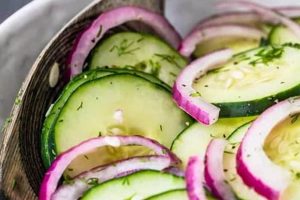
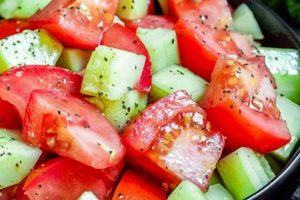
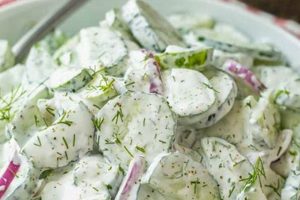
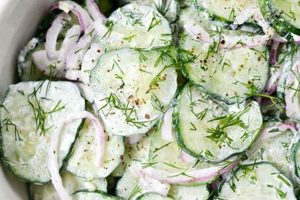
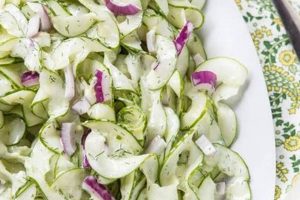
This simple salad combines the freshness of ripe tomatoes, crisp cucumbers, and pungent onions. A classic combination, it can be prepared with minimal ingredients and offers a refreshing counterpoint to heavier dishes. Variations include adding other vegetables like bell peppers or herbs like parsley and dill, or incorporating cheeses like feta. Dressings typically range from simple vinaigrettes to creamy yogurt-based sauces.
Such salads offer a light and healthy meal option, rich in vitamins, minerals, and antioxidants. The hydrating nature of cucumbers and tomatoes makes these salads particularly appealing in warmer weather. Historically, these ingredients represent readily available produce in many cultures, contributing to the dish’s widespread popularity and diverse adaptations. The affordability and ease of preparation further contribute to its enduring appeal.
The following sections will explore variations on this basic salad, including different ingredient combinations, dressing options, and tips for selecting and preparing the freshest produce. Techniques for achieving optimal flavor and texture will also be discussed, providing a comprehensive guide to creating flavorful and visually appealing salads.
Tips for a Perfect Salad
Achieving optimal flavor and texture in a seemingly simple salad requires attention to detail. The following tips offer guidance for creating a truly exceptional culinary experience.
Tip 1: Ingredient Selection: Opt for ripe, in-season produce. Tomatoes should be firm yet yielding, cucumbers should be firm and unblemished, and onions should be crisp and fragrant. Consider the sweetness and acidity of different tomato varieties.
Tip 2: Knife Skills: Uniformly sized pieces ensure even distribution of flavor and contribute to a visually appealing presentation. Consistent cuts also allow for even marinating and dressing absorption.
Tip 3: Salting Cucumbers: Salting cucumbers before adding them to the salad draws out excess moisture, preventing a watery final product. This step enhances the cucumber’s flavor and improves the overall texture.
Tip 4: Marinating Onions: Briefly marinating sliced onions in vinegar or lemon juice mellows their sharpness, creating a more balanced flavor profile and adding a touch of acidity.
Tip 5: Dressing Timing: Add the dressing just before serving to prevent the salad from becoming soggy. This preserves the crispness of the vegetables and maintains the integrity of the dish.
Tip 6: Herb and Spice Integration: Fresh herbs like dill, parsley, or mint can elevate the salad’s flavor profile. Consider incorporating spices like black pepper or a pinch of red pepper flakes for an added dimension.
By following these guidelines, one can create a salad that is not only visually appealing but also offers a delightful combination of flavors and textures. Attention to these details elevates a simple combination of ingredients into a truly satisfying culinary experience.
These tips provide a foundation for crafting a delicious and refreshing salad. Experimentation with different ingredients and techniques will further enhance one’s understanding and appreciation of this versatile dish.
1. Fresh Ingredients

The foundation of any successful tomato cucumber and onion salad lies in the quality and freshness of its primary components. Fresh ingredients elevate this simple dish, maximizing flavor, texture, and overall enjoyment. Subpar or out-of-season produce can significantly detract from the intended bright, refreshing qualities.
- Ripe Tomatoes:
Selecting ripe tomatoes is paramount. Peak-season tomatoes offer superior flavor and sweetness compared to those harvested prematurely or out of season. Look for tomatoes that are firm yet yield slightly to gentle pressure, with vibrant color and a fragrant aroma. Different varieties, such as heirloom or cherry tomatoes, introduce nuanced flavors and visual appeal.
- Crisp Cucumbers:
Cucumbers contribute a refreshing coolness and satisfying crunch. Choose firm cucumbers free from blemishes or soft spots. Smaller cucumbers tend to have fewer seeds and a higher water content, contributing to optimal texture. English cucumbers, known for their thin skin and mild flavor, are a popular choice.
- Pungent Onions:
Onions add a sharp, pungent note that balances the sweetness of the tomatoes and cucumbers. Red onions are often preferred for their vibrant color and relatively mild flavor, while white or yellow onions offer a more assertive bite. Proper storage is crucial for maintaining onion freshness and preventing undesirable flavors.
- Aromatic Herbs:
While not strictly part of the core trio, fresh herbs provide an additional layer of complexity and freshness. Dill, parsley, mint, and chives are popular choices, each contributing a unique aroma and flavor profile. Using fresh herbs enhances the overall sensory experience, elevating the salad beyond the basic combination of vegetables.
The careful selection and preparation of fresh, high-quality ingredients significantly impacts the final outcome of a tomato cucumber and onion salad. Prioritizing freshness ensures a vibrant, flavorful, and texturally satisfying dish that highlights the inherent qualities of each component. Attention to these details transforms a simple salad into a truly delightful culinary experience.
2. Balanced Flavors

Balanced flavors are essential to a successful tomato cucumber and onion salad. The inherent sweetness of ripe tomatoes, the refreshing coolness of cucumbers, and the sharp pungency of onions create a dynamic interplay. Without proper balance, one flavor can dominate, diminishing the complexity and overall enjoyment of the salad. The goal is to create a harmonious blend where each ingredient complements the others.
This balance can be achieved through several methods. Selecting the right variety of each ingredient is crucial. For instance, sweeter tomatoes may require a more pungent onion to counterbalance the sweetness. The quantity of each ingredient also plays a significant role. Too much onion can overpower the delicate flavors of the tomatoes and cucumbers. Finally, the dressing acts as a unifying element, bringing all the flavors together. A vinaigrette with appropriate acidity can enhance both the sweetness and sharpness of the vegetables. A creamy dressing, on the other hand, can mellow the sharpness of the onions, creating a smoother, more rounded flavor profile. For example, a balsamic vinaigrette adds a tangy sweetness that complements the vegetables, while a creamy dill dressing provides a contrasting richness and herbaceous note.
Understanding the interplay of flavors in a tomato cucumber and onion salad allows for greater control over the final outcome. Careful consideration of ingredient selection, proportion, and dressing choice enables the creation of a salad that is not only refreshing but also exhibits a complex and satisfying flavor profile. Failure to achieve this balance can result in a bland or overly pungent salad, diminishing the potential of this simple yet versatile dish. This principle of balance extends beyond this specific salad and applies to a wide range of culinary creations, highlighting the importance of thoughtful ingredient combination and flavor profiling.
3. Varied Textures
Texture plays a crucial role in the overall enjoyment of a tomato cucumber and onion salad. A combination of textures enhances the sensory experience, creating a more dynamic and satisfying dish. A salad with uniform texture can feel monotonous, while varied textures add interest and complexity. Understanding the interplay of textures elevates this simple salad from basic to exceptional.
- Tomato Texture:
Tomatoes offer a juicy, slightly yielding texture that contrasts with the other components. The choice of tomato variety influences the specific textural experience. Larger slicing tomatoes provide a substantial bite, while smaller cherry or grape tomatoes offer a burst of juice when bitten. Properly ripe tomatoes contribute optimal juiciness and avoid undesirable mealiness or firmness.
- Cucumber Texture:
Cucumbers provide a crisp, refreshing counterpoint to the softer tomatoes. The variety of cucumber also influences the texture; English cucumbers have a thinner skin and denser flesh, while standard cucumbers offer a more pronounced crunch. Removing seeds from cucumbers can further refine the texture, minimizing excess moisture and enhancing the crispness.
- Onion Texture:
The texture of onions contributes a sharp bite. Thinly sliced onions offer a delicate crispness, while thicker slices provide a more assertive crunch. Marinating onions can slightly soften their texture while retaining a pleasant bite. The method of slicingwhether crosswise or lengthwisealso influences the perceived texture.
- Influence of Knife Skills:
Knife skills play a vital role in achieving textural variation. Uniformly sized pieces contribute to even distribution of flavor and texture. Different cutting techniques, such as dicing, slicing, or chopping, create distinct textural experiences. Consistent knife work ensures a balanced and visually appealing salad.
The interplay of these varied textures significantly contributes to the overall enjoyment of a tomato cucumber and onion salad. The juicy burst of tomatoes, the crisp crunch of cucumbers, and the sharp bite of onions combine to create a dynamic and satisfying sensory experience. Careful consideration of ingredient selection, preparation techniques, and knife skills allows for the creation of a salad that is not only flavorful but also texturally complex and appealing. Neglecting textural variation can result in a monotonous and less satisfying dish, underscoring the importance of this element in achieving culinary excellence.
4. Simple Preparation
The simplicity of preparation is a defining characteristic of tomato cucumber and onion salad recipes. This ease of assembly contributes significantly to the widespread popularity of these salads. Minimal culinary expertise is required, making them accessible to a broad range of individuals, from novice cooks to experienced chefs. The straightforward nature of these recipes also makes them ideal for time-constrained situations, offering a quick and healthy meal option. Furthermore, the minimal processing required preserves the nutritional integrity of the fresh ingredients.
This simplicity translates to fewer steps and less specialized equipment. A sharp knife, a cutting board, and a mixing bowl are typically the only tools required. The basic recipe involves washing, chopping, and combining the ingredients, followed by a simple dressing. This ease of preparation makes these salads adaptable to various settings, from impromptu picnics to formal dinners. For example, a simple vinaigrette requires only oil, vinegar, and seasonings, all readily available pantry staples. More complex variations might involve a quick yogurt-based dressing or the inclusion of crumbled feta cheese, still maintaining a relatively low level of preparation complexity. This adaptability contributes to the enduring appeal of these salads across cultures and cuisines.
The connection between simple preparation and tomato cucumber and onion salad recipes underscores the accessibility and versatility of this culinary staple. While variations exist, the fundamental process remains straightforward, preserving the inherent freshness and nutritional value of the ingredients. This simplicity empowers individuals to create healthy and flavorful meals with minimal effort, contributing to the sustained popularity of these salads across diverse culinary landscapes. Despite this simplicity, attention to detail in ingredient selection and preparation techniques can significantly elevate the final product, demonstrating that even simple dishes benefit from culinary expertise and attention to detail. Understanding this connection allows for greater appreciation of the balance between simplicity and flavor in culinary creations.
5. Versatile Adaptations
The inherent simplicity of tomato cucumber and onion salads provides a foundation for extensive adaptation. This versatility allows for the incorporation of diverse ingredients and flavors, reflecting regional preferences and seasonal availability. Such adaptability contributes significantly to the salad’s global presence and continued relevance in various culinary traditions. The basic formula readily accommodates modifications without sacrificing its core identity.
Examples of versatile adaptations include the addition of ingredients such as olives, feta cheese, bell peppers, avocado, or chickpeas. Flavor profiles can be further enhanced through varied dressings, ranging from simple vinaigrettes to creamy yogurt-based sauces. Herbs and spices, such as mint, dill, parsley, oregano, or sumac, introduce additional complexity. Regional variations showcase specific adaptations: a Mediterranean version might incorporate olives and feta, while a Middle Eastern version might include sumac and chopped parsley. These adaptations not only broaden the salad’s flavor profile but also offer increased nutritional value through the inclusion of diverse ingredients.
Understanding the adaptability of tomato cucumber and onion salad recipes provides cooks with a flexible framework for culinary exploration. This adaptability contributes to the salad’s enduring appeal, allowing for customization based on individual preferences and available ingredients. Furthermore, this versatility positions the salad as a canvas for creative expression, demonstrating its potential beyond a simple side dish. This adaptability reflects the dynamic nature of culinary traditions and the ongoing evolution of recipes in response to changing tastes and ingredient availability.
6. Nutritional Value
Tomato cucumber and onion salad recipes offer significant nutritional value derived from the inherent properties of their core ingredients. These salads are naturally low in calories and fat, making them a healthy dietary choice. Furthermore, they are rich in essential vitamins, minerals, and antioxidants, contributing to overall well-being. This nutritional profile makes them an attractive option for individuals seeking healthy meal options or those following specific dietary plans, such as weight management programs.
Tomatoes contribute vitamins A and C, along with the antioxidant lycopene, associated with various health benefits. Cucumbers offer hydration and are a source of vitamin K and potassium, an electrolyte essential for maintaining fluid balance. Onions provide vitamin C and various sulfur compounds linked to potential health-promoting properties. Combining these ingredients creates a synergistic effect, maximizing the nutritional benefits in a single dish. For example, the vitamin C in tomatoes and onions enhances the absorption of non-heme iron from other food sources consumed in the same meal. The fiber content in these vegetables supports digestive health. This combination of nutrients makes the salad a valuable addition to a balanced diet.
Understanding the nutritional value of tomato cucumber and onion salads provides context for their role in a healthy diet. This knowledge empowers individuals to make informed dietary choices, recognizing the potential health benefits of incorporating these salads into their meal plans. While the basic salad offers considerable nutritional value, further enhancements are possible through the addition of other nutrient-rich ingredients, such as nuts, seeds, or lean protein sources. Recognizing the nutritional composition of these salads allows for strategic dietary planning and contributes to a comprehensive approach to health and well-being.
Frequently Asked Questions
This section addresses common inquiries regarding tomato, cucumber, and onion salad recipes, providing clear and concise information to enhance understanding and facilitate successful preparation.
Question 1: How can excess moisture in the salad be prevented?
Salting cucumbers prior to combining them with other ingredients draws out excess moisture, preventing a watery salad. This step also enhances the cucumber’s flavor.
Question 2: What are the best tomato varieties for this salad?
Ripe, in-season tomatoes offer optimal flavor. Specific varieties, such as heirloom or cherry tomatoes, introduce nuanced flavors and visual appeal. The sweetness and acidity of different varieties should be considered.
Question 3: How can the sharpness of onions be mellowed?
Briefly marinating sliced onions in vinegar or lemon juice reduces their pungency, creating a more balanced flavor profile.
Question 4: When should the dressing be added?
Adding the dressing just before serving prevents the salad from becoming soggy and maintains the crispness of the vegetables.
Question 5: How can the nutritional value of the salad be enhanced?
Adding ingredients like nuts, seeds, or lean protein sources increases the nutritional density of the salad. Different herbs and spices can also contribute to the overall nutritional profile.
Question 6: How can the flavor profile be expanded beyond the basic ingredients?
Incorporating fresh herbs, spices, or cheeses like feta introduces additional layers of flavor complexity. Consider regional variations for inspiration.
Careful attention to these frequently asked questions ensures optimal flavor, texture, and nutritional value in the final salad. Understanding these aspects enhances the culinary experience and encourages creative exploration of this versatile dish.
For further information on specific recipe variations and detailed preparation techniques, please consult the following resources.
Conclusion
Tomato cucumber and onion salad recipes represent a versatile and accessible culinary tradition. Exploration of ingredient selection, flavor balancing, textural variation, simple preparation, adaptable composition, and nutritional value reveals the potential within this seemingly basic dish. Emphasis on fresh, high-quality produce, appropriate knife skills, and thoughtful dressing selection elevates the final product from simple to exceptional. Adaptability through varied additions and regional influences further expands the possibilities within this culinary framework.
Culinary exploration of tomato cucumber and onion salad recipes offers a pathway to appreciating the complexity achievable through simple combinations. Continued experimentation with ingredients, techniques, and cultural adaptations ensures the enduring relevance and enjoyment of this versatile dish, enriching culinary experiences across generations and cultures.