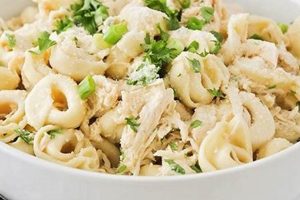
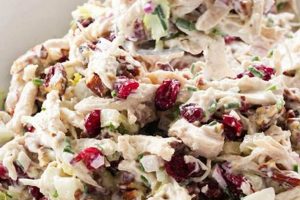
Created for the coronation of Queen Elizabeth II, this dish combined cold cooked chicken with a creamy, mayonnaise-based sauce flavored with curry powder, apricots, and other ingredients. Variations often included almonds, raisins, and additional spices. It quickly became popular throughout the United Kingdom and beyond, symbolizing a celebratory and accessible approach to post-war cuisine.
This dish represents a significant moment in culinary history, reflecting the spirit of optimism and innovation that characterized the post-war era. Its simple elegance made it suitable for both grand celebrations and everyday meals, contributing to its widespread adoption. The easily adaptable recipe has allowed for continued evolution and personalized interpretations over the decades, ensuring its enduring presence in many cultures. Its creation also reflects a broader trend of incorporating global flavors into British cooking.
Further exploration will delve into specific ingredients, preparation methods, historical influences, and modern adaptations of this iconic dish. This examination will provide a richer understanding of its cultural significance and enduring appeal.
Tips for an Authentic Coronation Chicken Salad
Achieving the desired flavor profile and texture for a classic Coronation Chicken Salad requires attention to detail. These tips offer guidance for preparing an authentic rendition of this iconic dish.
Tip 1: Poaching the Chicken: Poaching the chicken breasts results in tender, flavorful meat ideal for this salad. Avoid overcooking, as it can dry out the chicken. A gentle simmer in seasoned water or broth is recommended.
Tip 2: Curry Powder Selection: The curry powder is a crucial element. Opt for a mild to medium blend with a balanced flavor profile. Experimentation with different curry powders can yield nuanced results.
Tip 3: Apricot Preparation: Dried apricots are traditional, but fresh apricots can also be used. Finely dice the apricots to ensure even distribution throughout the salad.
Tip 4: Mayonnaise Base: Use good quality mayonnaise as the foundation of the sauce. The mayonnaise binds the ingredients and contributes to the creamy texture. Greek yogurt can be incorporated for a lighter variation.
Tip 5: Balancing Sweet and Savory: Achieving a balance between the sweetness of the apricots and the savory notes of the curry powder is essential. A touch of lemon juice can enhance the flavors and provide brightness.
Tip 6: Incorporating Almonds: Toasted, slivered almonds provide a satisfying crunch. Alternatively, flaked almonds can be used. These should be added just before serving to maintain their texture.
Tip 7: Chilling and Serving: Allow the salad to chill thoroughly before serving. This allows the flavors to meld. Serve the Coronation Chicken Salad on bread, crackers, or as part of a larger meal.
By following these tips, one can create a Coronation Chicken Salad that embodies the classic characteristics of the dish: a delicate balance of sweet and savory flavors, a creamy texture, and a subtle yet distinctive curry aroma.
Concluding insights will further emphasize the enduring appeal of this culinary creation and its adaptability to modern palates.
1. Cold Cooked Chicken

Cold cooked chicken forms the foundation of the 1953 Coronation Chicken Salad. Its inclusion reflects practical considerations related to catering for large numbers during the celebratory event. Preparing chicken in advance and serving it cold allowed for efficient service and minimized food safety risks. Furthermore, cold chicken readily absorbs the flavors of the curry-infused mayonnaise sauce, a crucial element of the dish. The choice of chicken as the primary protein source also aligned with post-war Britain’s increasing access to poultry, distinguishing it from earlier periods where such ingredients were less readily available. For example, rationing continued after the Second World War, ending only in 1954, meaning alternative, costlier meats might have been impractical for such a large-scale event.
The specific preparation of the chicken impacts the overall texture and flavor profile of the salad. Poaching, a common method employed in the original recipe, ensures tender, moist chicken that complements the creamy sauce. Roasting or grilling, while potential alternatives, may yield a drier result, potentially detracting from the desired outcome. This understanding highlights the significance of seemingly simple choices in achieving the delicate balance that characterizes Coronation Chicken Salad. One can observe a similar attention to textural interplay in other classic dishes, such as chicken salad sandwiches where the moist chicken contrasts with the crispness of celery and the softness of bread.
Appreciating the role of cold cooked chicken in Coronation Chicken Salad provides insight into both the historical context of the dish and its enduring appeal. While born from practical necessities, this ingredient choice has become integral to the identity of the salad. Any deviation alters the fundamental character of the dish, highlighting the importance of respecting the original formulation. Modern interpretations often maintain this core element, demonstrating its continued relevance in contemporary cuisine.
2. Mayonnaise-based sauce

The mayonnaise-based sauce forms the heart of the classic 1953 Coronation Chicken Salad recipe, binding the ingredients and contributing significantly to its flavor profile. Understanding its role is essential to appreciating the dish’s historical and culinary significance.
- Creaminess and Texture
Mayonnaise provides a smooth, creamy texture that coats the chicken and other ingredients, creating a luxurious mouthfeel. This contrasts with the drier texture of the chicken and adds a richness reminiscent of other classic salads incorporating creamy dressings, such as potato salad or coleslaw. The consistency of the mayonnaise also allows the other ingredients to be evenly distributed throughout the salad.
- Flavor Delivery System
The mayonnaise acts as a vehicle for the curry powder and other flavorings. Its emulsified nature allows the spices to be evenly dispersed, ensuring a consistent taste in every bite. This is crucial for delivering the distinctive flavor profile of Coronation Chicken Salad. The mayonnaise itself provides a slightly tangy backdrop that complements the other flavors without overpowering them.
- Historical Context and Accessibility
The use of mayonnaise reflects the increasing availability and affordability of this condiment in post-war Britain. Prior to this period, more complex or expensive sauces might have been prevalent in similar dishes. Mayonnaise provided a practical and accessible option for large-scale catering, aligning with the context of the Coronation celebration. This accessibility contributed to the subsequent popularity of the dish among the wider public.
- Modern Adaptations and Variations
While traditional recipes rely on mayonnaise, modern adaptations often incorporate variations. Greek yogurt, for example, can be added to lighten the sauce while maintaining its creamy texture. These variations reflect evolving culinary preferences and dietary considerations. However, the fundamental role of the sauce to bind, flavor, and provide texture remains unchanged.
The mayonnaise-based sauce is not merely a functional component; it is integral to the identity of Coronation Chicken Salad. Its characteristics creaminess, flavor delivery, historical context, and adaptability intertwine to create a dish that is both a culinary landmark and a testament to the enduring power of simple yet elegant combinations.
3. Curry powder seasoning

Curry powder seasoning is integral to the classic 1953 Coronation Chicken Salad recipe, contributing significantly to its distinctive flavor profile and cultural significance. The inclusion of curry powder reflects the growing influence of Indian cuisine in post-war Britain, a consequence of the historical ties between the two nations. This culinary exchange introduced new flavors and ingredients to the British palate, with curry powder emerging as a readily accessible and versatile spice blend. Its presence in the Coronation Chicken Salad symbolizes this cultural fusion, marking a departure from traditional European flavors and representing a broader trend toward culinary internationalism.
The specific type of curry powder used impacts the final flavor of the dish. While the original recipe likely employed a relatively mild curry powder blend, reflecting British palates at the time, subsequent adaptations have explored a wider range of curry powder variations. The choice of curry powder allows for customization, offering a spectrum from delicate warmth to robust spiciness. This flexibility contributes to the enduring appeal of the dish, enabling cooks to tailor it to individual preferences and regional tastes. One might observe, for example, variations employing Madras curry powder for a more intense heat or a milder Korma blend for a subtler flavor profile.
Understanding the role of curry powder in the classic 1953 Coronation Chicken Salad recipe provides insight into its historical context and culinary evolution. It exemplifies the transformative power of spice blends to define a dish and reflect broader cultural trends. The continued use of curry powder in modern adaptations demonstrates its enduring relevance and its capacity to bridge culinary traditions. However, challenges remain in ensuring the authenticity and quality of the curry powder used, as variations in spice composition can significantly alter the intended taste and experience.
4. Sweet Apricots

Sweet apricots play a crucial role in the classic 1953 Coronation Chicken Salad recipe, contributing a distinct sweetness and textural complexity that balances the savory elements. Their inclusion represents a departure from traditional savory salads, reflecting a broader trend in mid-20th-century cuisine towards incorporating fruits into savory dishes. Examining the various facets of apricots within this specific culinary context illuminates their significance and contribution to the dish’s enduring appeal.
- Balancing Flavors
The sweetness of apricots counterbalances the savory notes of the curry powder and mayonnaise, creating a harmonious flavor profile. This interplay of sweet and savory distinguishes Coronation Chicken Salad from other chicken salads of the period. The apricots prevent the curry from becoming overpowering and add a dimension of complexity that elevates the dish beyond a simple combination of ingredients. This balance is reminiscent of other classic dishes that combine fruit with savory elements, such as sweet and sour pork or chutney-based sauces.
- Textural Contrast
The soft, chewy texture of apricots contrasts with the tenderness of the chicken and the creaminess of the mayonnaise, adding another layer of interest to the salad. This textural variation enhances the overall sensory experience. The subtle chewiness of the apricots prevents the salad from becoming overly smooth and homogenous. Similar textural contrasts can be observed in dishes like Waldorf salad, which combines the crunch of apples and celery with the softness of grapes and mayonnaise.
- Historical Context and Availability
The use of apricots, often dried, reflects their availability in post-war Britain. While fresh apricots might have been less accessible, dried varieties offered a practical and affordable option for large-scale catering, such as the Coronation banquet. This practicality contributed to the dish’s subsequent popularity and adaptability for home cooks. The inclusion of dried fruits also aligns with culinary traditions of preserving and utilizing readily available ingredients, a practice particularly relevant during periods of rationing and limited access to fresh produce.
- Modern Adaptations and Variations
While the original recipe likely used dried apricots, modern adaptations often incorporate fresh apricots or other fruits, such as peaches or mangoes. This flexibility allows for seasonal variations and caters to individual preferences. However, the fundamental role of the fruit to provide sweetness and textural contrast remains consistent. These adaptations demonstrate the enduring versatility of the dish and its capacity to evolve while retaining its core characteristics.
The inclusion of sweet apricots in the classic 1953 Coronation Chicken Salad recipe is not merely an incidental detail; it is a defining element that contributes significantly to its unique character. The interplay of flavors, textures, and historical context surrounding the use of apricots demonstrates their crucial role in shaping this iconic dish and ensuring its enduring popularity across generations.
5. 1953 Coronation Celebration
The 1953 coronation of Queen Elizabeth II marked a pivotal moment in post-war Britain, symbolizing hope, renewal, and a transition into a new era. The coronation festivities, including the banquet, provided an opportunity to showcase British culinary traditions and innovation. The creation of Coronation Chicken Salad specifically for this event inextricably links the dish to this historical moment, imbuing it with cultural significance beyond its culinary attributes.
- Post-War Austerity and Culinary Innovation
The coronation occurred during a period of post-war austerity. Rationing was still in effect for some food items, necessitating creative approaches to celebratory meals. Coronation Chicken Salad, utilizing readily available ingredients like chicken and dried apricots, exemplified resourcefulness while still delivering a flavorful and celebratory dish. This practicality contributed to its widespread adoption beyond the coronation banquet itself, resonating with a nation still recovering from wartime constraints. The dish, therefore, represents not only a culinary creation but also a reflection of the socio-economic context of the time.
- Symbolism and National Identity
The coronation itself was a highly symbolic event, representing the continuity of the monarchy and a sense of national unity. The creation of a dish specifically for the occasion further amplified this symbolism. Coronation Chicken Salad became associated with the new Queen and the dawn of a new Elizabethan age. This association imbued the dish with a sense of national pride and identity, contributing to its enduring popularity and its frequent appearance at celebratory occasions thereafter.
- Culinary Diplomacy and International Influences
The coronation banquet provided a platform for culinary diplomacy, showcasing British cuisine to international guests. The inclusion of curry powder in Coronation Chicken Salad, a spice reflective of the Commonwealth’s influence, subtly acknowledged the evolving global landscape and Britain’s relationship with its former colonies. This culinary gesture reflected the changing dynamics of international relations and the increasing integration of global flavors into British cuisine.
- Accessibility and Adaptability
The relative simplicity of Coronation Chicken Salad facilitated its adaptation for home cooks. Unlike elaborate dishes requiring specialized ingredients or techniques, it could be easily replicated in domestic kitchens. This accessibility contributed to its rapid dissemination throughout British society, becoming a staple at celebratory gatherings and everyday meals alike. The dishs adaptability also allowed for regional variations and personalized interpretations, further solidifying its place in British culinary culture.
The 1953 coronation celebration provides the essential historical context for understanding the cultural significance of Coronation Chicken Salad. More than just a dish served at a banquet, it became a symbol of a nations resilience, its evolving identity, and its embrace of a new era. This intertwining of culinary creation and historical moment ensures the enduring legacy of Coronation Chicken Salad as a dish that transcends its ingredients and embodies a specific time and place in British history.
Frequently Asked Questions
This section addresses common inquiries regarding the classic 1953 Coronation Chicken Salad recipe, providing clarity and dispelling misconceptions.
Question 1: Is the classic recipe identical to modern versions?
While the core elements remain consistent, variations exist. Modern recipes may incorporate different curry powder blends or adjust the sweetness and texture. The original recipe likely utilized dried apricots due to post-war availability, whereas fresh apricots are now common.
Question 2: What distinguishes this dish from other chicken salads?
The distinctive blend of curry powder, mayonnaise, and sweet apricots sets Coronation Chicken Salad apart. This combination creates a unique flavor profile not found in traditional chicken salads, which typically rely on simpler seasonings.
Question 3: Why was this dish created for the Coronation?
Created for the banquet celebrating Queen Elizabeth II’s coronation, it needed to be suitable for large-scale catering. The cold preparation and readily available ingredients aligned with the practical constraints of the time.
Question 4: Can alternative ingredients be used?
While substitutions can be made, they may alter the authentic character of the dish. For example, using grapes instead of apricots changes the flavor profile significantly. Understanding the role of each ingredient is crucial for informed substitutions.
Question 5: How does this dish reflect its historical context?
Created in post-war Britain, it reflects the culinary influences of the time, including the growing popularity of curry powder and the practical limitations imposed by rationing. Its creation for a grand celebration also speaks to the national mood of optimism and renewal.
Question 6: Is there a definitive “correct” recipe?
While variations exist, understanding the core principles cold cooked chicken, mayonnaise-based sauce, curry powder, and sweet fruit allows for authentic interpretations. The original recipe serves as a valuable guide, but adaptations reflecting individual preferences and ingredient availability are common.
Understanding the nuances of the classic 1953 Coronation Chicken Salad recipe provides a deeper appreciation for its historical and culinary significance. This knowledge allows for informed adaptations while respecting the dish’s unique characteristics.
Further exploration could delve into specific regional variations and modern interpretations of this iconic dish, offering additional insights into its enduring appeal and adaptability.
The Classic 1953 Coronation Chicken Salad Recipe
This exploration of the classic 1953 Coronation Chicken Salad recipe has illuminated its historical significance, culinary composition, and enduring appeal. From its origins at a pivotal moment in British history to its subsequent adaptation into a global culinary staple, the dish stands as a testament to the power of simple elegance. The examination of core ingredientscold cooked chicken, mayonnaise-based sauce, curry powder seasoning, and sweet apricotsrevealed the careful balance of flavors and textures that define its unique character. Furthermore, its creation within the context of post-war Britain underscored the dish’s reflection of both culinary innovation and practical resourcefulness.
The classic 1953 Coronation Chicken Salad recipe continues to inspire culinary creativity and adaptation. Its enduring presence in kitchens worldwide speaks to the timelessness of its flavor profile and the adaptability of its core components. Continued exploration of historical recipes and contemporary interpretations promises a richer understanding of this culinary landmark and its ongoing evolution within the global gastronomic landscape.