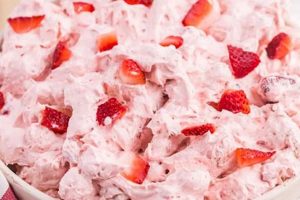
Dishes fitting this description typically involve a combination of ingredients suspended in a gelatinous matrix. Common components include fruits, vegetables, nuts, and sometimes meat or cheese, bound together by flavored gelatin, whipped cream, or a similar gelling agent. A classic illustration is a fruit salad incorporating canned fruits suspended in a sweet gelatin base.
These types of dishes gained popularity, particularly in the mid-20th century, offering a visually appealing and often refreshing option for potlucks, holidays, and other social gatherings. Their relative ease of preparation and customizable nature contributed to their widespread adoption. These dishes offer a way to incorporate a variety of ingredients, including fresh or canned produce, creating a balanced and sometimes unexpected flavor profile.
This exploration will delve further into variations, techniques, and modern adaptations of these classic dishes, offering insights for both novice and experienced cooks.
Tips for Creating Successful Congealed Dishes
Achieving optimal results with this culinary style requires attention to several key factors. The following tips offer guidance for creating dishes that are both visually appealing and flavorful.
Tip 1: Ingredient Selection: Fresh, high-quality ingredients contribute significantly to the final product. Consider the flavor profiles and textures of chosen components for a balanced and harmonious result. Canned fruits, while convenient, should be drained thoroughly to avoid excess liquid weakening the gelatin.
Tip 2: Mold Preparation: Lightly oiling the mold ensures easy removal of the finished dish. For more intricate designs, consider using specialized molds with decorative patterns.
Tip 3: Gelatin Management: Allow the gelatin to bloom fully in cold liquid before dissolving it over heat. Avoid boiling, which can diminish its setting power. Cooling the gelatin mixture slightly before adding other ingredients prevents them from sinking or becoming overcooked.
Tip 4: Layering for Visual Appeal: Creating distinct layers adds visual interest. Chill each layer completely before adding the next to prevent blending and maintain definition.
Tip 5: Incorporation of Dairy: When incorporating dairy products like whipped cream or yogurt, ensure they are well-chilled and folded gently into the gelatin mixture to maintain a light and airy texture.
Tip 6: Unmolding Technique: To unmold, briefly dip the mold in warm (not hot) water. Invert onto a serving plate and gently shake to release. If necessary, run a thin knife around the edges to loosen.
Tip 7: Garnishing and Presentation: Fresh herbs, toasted nuts, or a light dusting of powdered sugar can elevate the presentation and complement the flavors.
By following these tips, one can create elegant and flavorful dishes suitable for various occasions. Careful attention to detail, from ingredient selection to presentation, ensures a delightful culinary experience.
These guidelines offer a solid foundation for exploring the versatility and potential of these classic dishes. The following section will delve into specific recipe variations and modern interpretations.
1. Ingredients

Ingredient selection is paramount in shaping the flavor, texture, and overall appeal of a congealed salad. Careful consideration of individual components and their interplay within the gelatin matrix is essential for a successful outcome. The following facets highlight key ingredient categories and their respective roles.
- Fruits:
Fruits provide sweetness, acidity, and visual appeal. Options range from canned fruits like peaches and pineapple to fresh berries and sliced grapes. The choice of fruit influences the overall flavor profile and textural contrast within the dish. For instance, firmer fruits like apples or pears offer a crisp counterpoint to the soft gelatin, while berries contribute a burst of juicy sweetness.
- Vegetables:
Vegetables introduce savory notes, textural variety, and nutritional value. Shredded carrots, diced celery, chopped peppers, or grated beets can complement the sweetness of fruits and add complexity to the flavor profile. Blanching certain vegetables before incorporation can enhance their color and texture.
- Proteins and Dairy:
Incorporating protein elements like shredded chicken, cooked shrimp, or diced ham can transform a side dish into a more substantial offering. Dairy components, such as cottage cheese, yogurt, or whipped cream, contribute creamy textures and richness. However, care must be taken when combining dairy with acidic ingredients, as this can sometimes cause curdling.
- Nuts and Seeds:
Nuts and seeds add textural complexity and flavor depth. Chopped walnuts, pecans, slivered almonds, or toasted sunflower seeds provide a satisfying crunch and enhance the overall sensory experience. These additions also contribute healthy fats and protein.
The interplay of these ingredient categories within the gelatin base creates a harmonious balance of flavors and textures. A well-composed congealed salad offers a delightful combination of sweet, savory, creamy, and crunchy elements, demonstrating the versatility and potential of this culinary classic.
2. Gelatin Selection

Gelatin selection plays a crucial role in the success of a congealed salad recipe. The type of gelatin used influences not only the texture and consistency of the final product but also its flavor and visual appeal. Understanding the various types of gelatin available and their respective characteristics is essential for achieving desired results.
- Gelatin Strength:
Gelatin strength, often indicated by bloom number, determines the firmness of the gel. Higher bloom numbers signify stronger gelling power, resulting in a firmer set. The desired firmness depends on the specific recipe and the other ingredients incorporated. A delicate fruit salad may benefit from a lower bloom gelatin, while a more substantial dish containing meat or vegetables might require a higher bloom strength for optimal structural integrity.
- Gelatin Flavor:
Gelatin is available in various flavors, ranging from unflavored to sweetened and fruit-flavored options. Unflavored gelatin provides a neutral base, allowing the flavors of other ingredients to shine. Flavored gelatins can complement or enhance specific flavor profiles within the salad. For example, a lime-flavored gelatin can enhance the brightness of a citrus-based salad, while a cherry-flavored gelatin can complement a fruit salad featuring berries and cherries.
- Gelatin Form:
Gelatin comes in various forms, including powdered granules, sheets, and liquid concentrates. Powdered gelatin is the most common form and readily dissolves in hot liquids. Gelatin sheets, often preferred in professional kitchens, require soaking in cold water before dissolving. Liquid concentrates offer convenience but may have a slightly different setting property than powdered or sheet gelatin, requiring recipe adjustments in some cases.
- Dietary Considerations:
Traditional gelatin is derived from animal collagen. However, plant-based alternatives, such as agar-agar, carrageenan, and pectin, are available for those following vegetarian or vegan diets. These alternatives offer different gelling properties and textures compared to animal-based gelatin, requiring recipe modifications for optimal results. Understanding the specific gelling characteristics of each alternative is crucial for achieving the desired consistency and stability in a congealed salad.
Careful consideration of these gelatin characteristics ensures the creation of a congealed salad with the desired texture, flavor, and visual appeal. The interplay between gelatin selection and other recipe components contributes significantly to the overall success and enjoyment of the dish. Matching the gelatin type to the intended flavor profile and desired firmness ensures a harmonious and satisfying culinary experience.
3. Mold Preparation
Mold preparation is a critical step in creating visually appealing and easily releasable congealed salads. The choice of mold and its proper preparation significantly influence the final presentation and ease of serving. Careful attention to this stage ensures a polished, professional finish and enhances the overall dining experience.
- Mold Material:
Various materials, including metal, glass, plastic, and silicone, are suitable for congealed salads. Metal molds offer excellent heat conductivity for even chilling, while glass provides clarity for showcasing layered designs. Plastic molds are lightweight and often come in intricate shapes. Silicone molds offer flexibility for effortless release, making them ideal for complex designs. The chosen material impacts the ease of unmolding and the visual presentation of the salad. A decorative metal mold, for instance, can impart an elegant touch, while a simple glass bowl offers a classic presentation.
- Mold Size and Shape:
Mold size should correspond to the recipe yield and the desired serving size. Shapes range from classic bundt pans and loaf pans to intricate designs featuring fluted edges or decorative patterns. The chosen shape contributes to the visual appeal and portioning of the salad. A ring mold creates a dramatic presentation, while individual ramekins offer portion control and elegance.
- Mold Coating:
Properly coating the mold ensures clean release and prevents the salad from sticking. Lightly oiling the interior surface with a neutral-flavored oil, such as vegetable or canola oil, creates a barrier between the mold and the gelatin mixture. Alternatively, for certain recipes, a thin layer of cooking spray can be used. Thorough and even coating is crucial for preventing sticking and ensuring the intact release of the salad.
- Mold Temperature:
The temperature of the mold can influence the setting process of the gelatin. A chilled mold can accelerate setting, particularly for delicate layers, while a room-temperature mold may be suitable for recipes with longer setting times. The desired mold temperature depends on the specific recipe and the desired outcome. For recipes with layered designs, chilling the mold between layers can help maintain distinct separation and prevent blending.
Effective mold preparation is essential for achieving a polished and professional presentation for congealed salads. The careful selection of mold material, size, shape, and proper coating techniques contributes significantly to the ease of unmolding and the overall visual appeal of the dish, enhancing the dining experience. A beautifully unmolded salad, with clean lines and intricate details, reflects the attention to detail in the preparation process and elevates the dish from a simple side to a centerpiece-worthy creation.
4. Layering Technique
Layering is a defining characteristic of many congealed salad recipes, elevating them from simple mixtures to visually stunning creations. This technique involves sequentially adding different mixtures to a mold, allowing each layer to set before adding the next. The resulting visual contrast adds to the aesthetic appeal and offers opportunities for creative flavor combinations. A layered approach allows for distinct flavor profiles in each layer, such as a base layer of savory vegetable aspic, followed by a layer of creamy dressing, and topped with a vibrant fruit layer. The interplay of contrasting colors and textures contributes significantly to the overall sensory experience.
Successful layering requires precise timing and temperature control. Each layer must be allowed to set sufficiently before the next is added to prevent intermingling. This often involves chilling the mold between layers. The specific chilling time depends on the recipe and the gelling agent used. For instance, a gelatin-based layer might require a shorter chilling time compared to a layer incorporating a dairy-based setting agent. Failure to allow sufficient setting time can result in blurred layers and a less defined visual presentation. However, overly long chilling times can make adding subsequent layers difficult, potentially disrupting the set layers underneath. A common example is a rainbow-layered congealed salad, where each layer features a different fruit and corresponding gelatin color. The careful layering process creates a visually striking presentation.
Mastering the layering technique unlocks the full creative potential of congealed salads. It allows for complex flavor combinations, visually appealing designs, and a heightened sensory experience. The practical application of this understanding is evident in the creation of visually stunning dishes that are both appealing and flavorful. While challenges exist in achieving perfect layers, careful attention to timing and temperature ensures a successful outcome, demonstrating culinary skill and attention to detail. The layering technique is thus an integral component of successful congealed salad construction, contributing significantly to its aesthetic and gastronomic appeal.
5. Chilling Time

Chilling time is paramount in the creation of a successful congealed salad. This process allows the gelling agent, whether gelatin or a dairy-based alternative, to solidify and bind the other ingredients into a cohesive structure. Adequate chilling ensures the desired texture and stability, preventing the salad from collapsing or becoming watery. Insufficient chilling results in a loose, unstable structure, while excessive chilling can make the salad too firm and difficult to serve. The relationship between chilling time and the final product’s consistency is demonstrably direct. A classic tomato aspic, for example, requires sufficient chilling time to achieve its signature firm yet jiggly texture. Without proper chilling, the aspic would remain liquid and fail to hold its shape.
The required chilling time varies depending on several factors, including the type and concentration of the gelling agent, the volume of the salad, and the ambient temperature. Recipes typically provide estimated chilling times, but these should be considered guidelines rather than strict rules. Monitoring the salad’s consistency during the chilling process is crucial. Visual cues, such as a firm surface and clean separation between layers (if applicable), indicate sufficient setting. A simple test involves gently tilting the mold; a properly set salad will hold its shape and not readily slide. Practical application of this understanding is essential for predictable and desirable outcomes. Consider a layered dessert salad with a whipped cream base and a fruit-infused gelatin topping. Insufficient chilling of the whipped cream layer before adding the gelatin topping could lead to the two layers mixing, compromising both the visual appeal and textural contrast.
Precise chilling time management is therefore a crucial aspect of successful congealed salad preparation. Understanding the factors influencing gelling time, coupled with careful observation, allows for predictable control over the final product’s consistency. This knowledge empowers one to create structurally sound, visually appealing, and ultimately enjoyable dishes. While challenges such as variations in refrigerator temperatures and ingredient characteristics can influence the process, awareness of these factors and appropriate adjustments ensures consistent success. The mastery of chilling time contributes directly to the overall quality and enjoyment of the congealed salad, transforming a simple dish into a culinary accomplishment.
6. Presentation

Presentation significantly impacts the perceived quality and enjoyment of a congealed salad. Visual appeal enhances the dining experience, transforming a simple dish into a culinary centerpiece. Careful consideration of plating, garnishing, and surrounding elements elevates the perceived value and desirability. A vibrantly colored salad, artfully arranged on a platter and garnished with fresh herbs, immediately becomes more enticing than the same salad sloppily presented in a plain dish. This effect demonstrates the direct link between presentation and perceived quality.
Several factors contribute to impactful presentation. The choice of serving dish plays a crucial role. A clear glass dish emphasizes the vibrant colors and layered construction of a fruit-filled gelatin, while a decorative platter adds a touch of formality. Garnishes enhance visual appeal and complement the flavor profile. Fresh mint sprigs add a touch of elegance to a cucumber and dill salad, while toasted nuts provide textural contrast and visual interest to a cranberry-based dish. The surrounding table setting also influences perception. A thoughtfully arranged table, complete with complementary linens and tableware, further elevates the dining experience, framing the congealed salad as a key component of a well-considered meal. For example, a molded salmon mousse, presented on a bed of lettuce with carefully arranged cucumber slices and a dollop of crme frache, appears considerably more sophisticated than the same mousse served directly from the mold. This illustrates the transformative power of thoughtful presentation.
Effective presentation requires an understanding of color, texture, and balance. Contrasting colors create visual interest, while varying textures add complexity. A balanced arrangement, whether on a platter or individual plates, enhances visual harmony. While elaborate presentations can be impressive, simplicity can be equally effective. A well-chosen serving dish, a few carefully placed garnishes, and a clean, uncluttered presentation can significantly elevate the perceived value of even the simplest congealed salad. Mastering these elements allows for the creation of dishes that are not only delicious but also visually captivating, demonstrating culinary skill and attention to detail. Successfully presenting a congealed salad enhances its appeal and transforms it from a mere dish into a memorable culinary experience.
Frequently Asked Questions
This section addresses common inquiries regarding the preparation and characteristics of congealed salads, providing clarity and guidance for achieving optimal results.
Question 1: Can contemporary culinary techniques be applied to congealed salad recipes?
Modern culinary techniques can indeed elevate these classic dishes. Incorporating sous-vide cooking for proteins, using innovative flavor combinations, and employing modern plating techniques can transform traditional recipes into contemporary culinary creations.
Question 2: How can one prevent congealed salads from becoming watery?
Proper drainage of canned fruits and vegetables is crucial. Thoroughly draining excess liquid prevents dilution of the gelatin and ensures a firm set. Additionally, adhering to the recommended gelatin-to-liquid ratio ensures optimal consistency.
Question 3: What are suitable alternatives to traditional animal-based gelatin?
Agar-agar, carrageenan, and pectin offer plant-based alternatives. However, their gelling properties differ, requiring recipe adjustments. Understanding the specific instructions for each alternative is essential for successful results.
Question 4: How can one ensure clean release from the mold?
Lightly oiling the mold before adding the mixture is crucial for preventing sticking. Briefly dipping the mold in warm water before inverting it onto a serving plate also aids in releasing the salad cleanly. For intricate molds, running a thin knife around the edges can assist with release.
Question 5: How long can a congealed salad be stored?
Properly stored, these dishes typically last for 3-5 days in the refrigerator. Airtight containers prevent drying and maintain optimal texture and flavor. However, dairy-based components might shorten the storage lifespan.
Question 6: Are there specific ingredients to avoid in congealed salads?
Fresh pineapple and kiwi contain enzymes that break down gelatin, preventing proper setting. Cooked or canned versions of these fruits are suitable alternatives. Additionally, excessive amounts of acidic ingredients can weaken the gelatin structure.
Understanding these key aspects of preparation and storage ensures consistent success in creating visually appealing and flavorful congealed salads.
The following section will explore a collection of curated recipes, demonstrating the versatility and adaptability of this classic dish in both traditional and contemporary contexts.
Conclusion
Exploration of this culinary category reveals a multifaceted dish adaptable to various tastes and occasions. From ingredient selection and gelatin manipulation to mold preparation and presentation, each step contributes significantly to the final product. Understanding the interplay of these elements empowers culinary practitioners to create dishes that are both visually appealing and gastronomically satisfying. This examination underscores the importance of technique and ingredient awareness in achieving optimal results.
This enduring dish offers a canvas for culinary creativity. Its adaptability allows for both classic interpretations and innovative adaptations, ensuring its continued relevance in contemporary cuisine. Further exploration and experimentation within this culinary realm promise continued evolution and enjoyment.