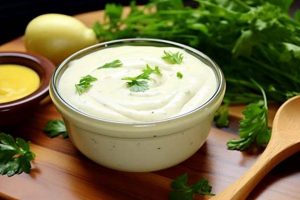
A professionally prepared Caesar dressing, often richer and more flavorful than homemade versions, typically emulsifies raw egg yolks, garlic, lemon juice, Worcestershire sauce, and Parmesan cheese with olive oil and/or anchovy paste. Variations may include Dijon mustard, black pepper, and other seasonings to achieve specific flavor profiles. These dressings are designed to complement romaine lettuce, croutons, and Parmesan cheesethe core components of a classic Caesar salad.
High-quality Caesar dressings contribute significantly to the overall dining experience. A well-executed emulsion creates a creamy texture and delivers a balanced, savory flavor that enhances the freshness of the romaine and the crunch of the croutons. Understanding the balance of ingredients and techniques used in professional kitchens provides valuable insight into culinary expertise and the pursuit of delivering exceptional flavors. Historically, the Caesar salad originated in Tijuana, Mexico, and its dressing has since evolved, influencing countless variations found in restaurants worldwide.
This exploration will delve into the nuances of crafting exceptional Caesar dressings, examining ingredient selection, emulsification techniques, and the historical evolution of this culinary staple.
Tips for Crafting Exceptional Caesar Dressing
Achieving a restaurant-quality Caesar dressing requires attention to detail and an understanding of fundamental culinary techniques. The following tips offer guidance on creating a balanced and flavorful emulsion.
Tip 1: Use Fresh, High-Quality Ingredients: The foundation of any good dressing lies in the quality of its components. Opt for fresh garlic, ripe lemons, and genuine Parmesan cheese for optimal flavor.
Tip 2: Emulsify Slowly and Steadily: A slow, steady drizzle of olive oil while whisking vigorously creates a stable and creamy emulsion. This prevents the dressing from breaking or becoming oily.
Tip 3: Balance Acidity and Salt: Lemon juice provides the necessary acidity, while Worcestershire sauce and Parmesan contribute saltiness. Taste and adjust these elements carefully to achieve a harmonious balance.
Tip 4: Consider Anchovy Paste: Anchovy paste adds a depth of umami flavor that complements the other ingredients. Start with a small amount and adjust according to preference.
Tip 5: Utilize Pasteurized Eggs: For food safety, pasteurized egg yolks are recommended, especially in professional settings. These provide the same emulsifying properties as raw yolks without the risk of salmonella.
Tip 6: Adjust Consistency as Needed: If the dressing is too thick, a small amount of water or additional lemon juice can be added to achieve the desired consistency.
Tip 7: Taste and Refine: Before serving, taste the dressing and adjust seasonings as needed. This final step ensures a balanced and delicious final product.
By following these tips, one can consistently create a Caesar dressing that elevates the classic salad to new heights, offering a truly restaurant-worthy experience.
This exploration concludes by emphasizing the importance of ingredient quality, emulsification technique, and flavor balance in achieving a superior Caesar dressing.
1. Emulsification Method

Emulsification is crucial in achieving the desired texture and flavor stability in restaurant-quality Caesar dressings. It involves combining two immiscible liquidsoil and an aqueous solutioninto a stable mixture. This process significantly impacts the dressing’s sensory experience, influencing its mouthfeel, appearance, and how flavors meld.
- Gradual Incorporation:
The gradual addition of oil to the aqueous phase, while whisking constantly, allows for the creation of small oil droplets dispersed evenly throughout the mixture. This creates a smooth, creamy texture characteristic of a well-emulsified dressing. Adding oil too quickly can lead to a broken emulsion, resulting in an oily, separated dressing.
- Emulsifying Agent:
Egg yolks, specifically the lecithin they contain, act as the primary emulsifying agent in traditional Caesar dressings. Lecithin molecules have both hydrophilic (water-loving) and hydrophobic (oil-loving) parts, allowing them to bridge the gap between the oil and water, stabilizing the emulsion. Other emulsifiers, such as Dijon mustard, can also be incorporated to enhance stability and add flavor complexity.
- Temperature Control:
Maintaining a consistent, cool temperature throughout the emulsification process aids in stability. Excessive heat can denature the egg proteins, compromising their emulsifying properties and leading to a broken emulsion. Room temperature ingredients are generally preferred.
- Equipment Selection:
While a whisk is traditionally used, a blender or food processor can create a more stable, thoroughly emulsified dressing, particularly for larger batches. These tools generate greater shear force, breaking down the oil into smaller droplets and creating a tighter emulsion.
Effective emulsification directly contributes to a restaurant-quality Caesar dressing, providing a luxurious texture and ensuring a harmonious blend of flavors. Mastery of this technique is essential for producing dressings that enhance the overall dining experience.
2. Fresh, High-Quality Ingredients

The hallmark of a truly exceptional restaurant-style Caesar salad dressing rests significantly on the selection of fresh, high-quality ingredients. Ingredient quality directly impacts the final flavor profile, texture, and overall sensory experience. Subpar ingredients can result in a dressing that lacks depth, vibrancy, and the nuanced complexity expected in a professional setting. The following facets highlight the crucial role of ingredient selection in crafting a superior Caesar dressing.
- Extra Virgin Olive Oil:
High-quality extra virgin olive oil provides a foundational flavor element in Caesar dressing. Its fruity, peppery notes contribute depth and complexity, while its smooth texture contributes to the emulsion’s richness. Using a lower-grade oil can introduce undesirable flavors and compromise the dressing’s overall quality. For instance, a robust Tuscan olive oil lends a distinct character compared to a milder Spanish variety. Selecting the right olive oil is paramount for achieving the desired flavor profile.
- Fresh Garlic:
Freshly minced or pressed garlic delivers a pungent, aromatic bite that balances the richness of the other ingredients. Pre-minced or jarred garlic often lacks the same intensity and can impart a slightly bitter taste. The difference between fresh and processed garlic is palpable, significantly influencing the dressing’s overall flavor. Fresh garlic is essential for achieving the characteristic pungent notes expected in an authentic Caesar dressing.
- Parmesan Cheese:
Authentic Parmesan cheese, preferably Parmigiano-Reggiano, provides a sharp, salty, and umami-rich element that is crucial to the dressing’s complexity. Pre-grated or lower-quality Parmesan substitutes lack the same depth of flavor and can result in a bland or gritty texture. The distinction between freshly grated Parmigiano-Reggiano and pre-grated alternatives is substantial, influencing both the taste and texture of the dressing. Using high-quality Parmesan contributes significantly to the overall sensory experience.
- Fresh Lemons:
Freshly squeezed lemon juice provides the essential acidity that balances the richness of the oil and cheese. Bottled lemon juice often contains additives and preservatives that can negatively impact the dressing’s flavor. Freshly squeezed lemon juice delivers a bright, clean acidity that enhances the other ingredients. This freshness elevates the dressing’s overall quality and contributes to a more vibrant flavor profile.
The careful selection of these core ingredients demonstrates a commitment to quality and ensures that the resulting Caesar dressing delivers an exceptional culinary experience. By prioritizing fresh, high-quality components, chefs can elevate this classic dressing to a new level of sophistication and flavor, showcasing the transformative power of superior ingredients.
3. Precise Ingredient Ratios

Precise ingredient ratios are fundamental to achieving a consistently balanced and flavorful restaurant-quality Caesar salad dressing. They dictate the interplay between acidity, saltiness, richness, and the overall flavor profile. Variations in these ratios can significantly impact the final product, resulting in a dressing that is too tart, excessively salty, bland, or otherwise unbalanced. Consistency in flavor profile is a key marker of professional food preparation, and achieving this consistency relies heavily on adherence to precise measurements.
For instance, the ratio of lemon juice to olive oil determines the dressing’s acidity level. Too much lemon juice can make the dressing overly tart, while too little can result in a flat, oily taste. Similarly, the amount of Parmesan cheese influences the dressing’s saltiness and umami character. An excess of Parmesan can create an overly salty and pungent dressing, whereas too little can diminish its savory depth. The balance between garlic and anchovy (or Worcestershire sauce) further contributes to the overall complexity and depth of flavor. These ingredients, when properly proportioned, create a symphony of flavors that characterize a well-executed Caesar dressing. Even slight deviations from established ratios can disrupt this delicate balance and compromise the intended flavor profile. Professional kitchens often develop and adhere to standardized recipes to ensure consistent results, highlighting the importance of precise measurements in culinary practice.
Understanding the impact of ingredient ratios empowers culinary professionals to create Caesar dressings tailored to specific preferences. Manipulating these ratios allows for fine-tuning the dressing’s characteristics, whether aiming for a brighter, more acidic profile or a richer, more savory experience. Mastery of these ratios is essential for producing consistently high-quality, balanced Caesar dressings that meet the exacting standards of professional culinary environments. It allows for adaptability while maintaining a foundation of balanced flavor, a hallmark of a skilled chef. This precision contributes not only to flavor consistency but also to cost control and efficient resource management, further underscoring its significance in a professional kitchen setting.
4. Flavor Balance (Acidity, Salt)
Flavor balance, particularly the interplay of acidity and salt, is paramount in a restaurant-quality Caesar salad dressing. These elements act as crucial pillars supporting the overall flavor profile, influencing not only the perceived taste but also the sensory experience of the dressing. Acidity, primarily derived from lemon juice, provides brightness and cuts through the richness of the oil and cheese. It stimulates salivation, enhancing the perception of other flavors and contributing to a refreshing quality. Salt, derived from Parmesan cheese, Worcestershire sauce (or anchovy paste), and potentially added salt, provides a savory depth and rounds out the flavor profile. It enhances the perception of sweetness and mitigates bitterness, creating a more harmonious and complex taste experience. The careful calibration of these elements prevents the dressing from becoming overly tart, excessively salty, or bland. The goal is to achieve a balanced, nuanced profile where each element complements the others, creating a symphony of flavors that elevate the dining experience.
Consider a Caesar dressing where the acidity is too pronounced. The sharp, tart flavor can overwhelm the palate, masking the subtle nuances of the other ingredients. Conversely, insufficient acidity can lead to a flat, oily taste, lacking the vibrancy and freshness expected in a high-quality dressing. Similarly, an overabundance of salt can create an unpleasant saline taste, while a lack of salt can result in a bland, uninspired dressing. A real-world example of flavor balance in action can be observed in the practice of adding a pinch of sugar to a Caesar dressing. This small addition doesn’t necessarily make the dressing sweet but rather tempers the acidity and enhances the savory notes, demonstrating the interconnectedness of flavor elements and the importance of meticulous balancing.
Understanding the dynamic relationship between acidity and salt allows for precise control over the final flavor profile of a Caesar dressing. It empowers culinary professionals to tailor the dressing to specific preferences and desired outcomes, whether aiming for a brighter, more acidic profile or a richer, more savory experience. Achieving this balance is a key indicator of culinary expertise and contributes significantly to the overall quality and enjoyment of a Caesar salad. It transforms a simple mixture of ingredients into a cohesive, harmonious, and ultimately, delicious culinary creation, showcasing the power of flavor balance in achieving culinary excellence.
5. Consistent Texture
Consistent texture is a defining characteristic of a restaurant-quality Caesar salad dressing, directly influencing its palatability and overall sensory appeal. A smooth, creamy, and homogenous emulsion signifies careful preparation and attention to detail, contributing to a more refined dining experience. Inconsistencies, such as oil separation, excessive thickness, or a gritty mouthfeel, detract from the perceived quality and can negatively impact enjoyment. Achieving a consistent texture relies on several factors within the dressing’s preparation, impacting both its immediate presentation and its stability over time. A smooth, emulsified dressing clings evenly to the lettuce leaves, ensuring consistent flavor distribution and enhancing the overall sensory experience. A broken emulsion, on the other hand, can lead to an uneven coating, with some leaves receiving an excessively oily dressing while others remain dry. This inconsistency compromises the balance of flavors and detracts from the intended culinary experience. For example, a dressing that is too thick may not adequately coat the lettuce, while one that is too thin might pool at the bottom of the bowl, creating an unbalanced and less appealing presentation.
Several factors contribute to the consistent texture of a Caesar dressing. Proper emulsification technique, using fresh, high-quality ingredients, and precise temperature control play crucial roles. A stable emulsion prevents oil separation and ensures a homogenous mixture. The quality of ingredients, particularly the freshness of the eggs and the type of Parmesan cheese used, can influence the dressing’s smoothness and prevent grittiness. Temperature fluctuations can destabilize the emulsion, leading to separation or thickening. For instance, adding cold oil to room-temperature ingredients can hinder proper emulsification, while exposing the dressing to excessive heat can cause it to thicken or break down. In a professional kitchen setting, maintaining consistent temperatures throughout the preparation process is essential for ensuring a smooth and stable dressing. Furthermore, the choice of equipment, such as using a whisk versus a blender, can also influence the final texture. A blender can create a more thoroughly emulsified and smoother dressing compared to a whisk, particularly when working with larger volumes.
Understanding the factors that contribute to consistent texture empowers culinary professionals to create high-quality, visually appealing, and consistently flavorful Caesar dressings. This attention to detail not only elevates the dining experience but also reflects a commitment to culinary excellence. Addressing potential challenges, such as preventing oil separation and maintaining the desired viscosity, ensures that the final product meets professional standards and delivers a consistently delightful culinary experience. This mastery over texture underscores the importance of precision and technique in professional cooking, distinguishing a truly exceptional Caesar salad dressing from a mediocre one.
6. Proper Storage Techniques

Proper storage techniques are essential for preserving the quality and safety of restaurant-style Caesar salad dressing. Improper storage can lead to ingredient degradation, flavor changes, emulsion breakdown, and potential bacterial growth. Maintaining optimal quality and ensuring food safety require adherence to specific storage practices tailored to the dressing’s composition and intended shelf life. Implementing these techniques safeguards against spoilage, preserves flavor integrity, and upholds professional culinary standards.
- Refrigeration Temperature:
Maintaining a consistent refrigeration temperature between 36-40F (2-4C) is crucial for inhibiting bacterial growth and slowing enzymatic activity that can degrade the dressing’s quality. Fluctuations in temperature can destabilize the emulsion, leading to oil separation and textural changes. Consistent refrigeration is fundamental to preserving the dressing’s freshness and preventing spoilage.
- Airtight Containers:
Storing Caesar dressing in airtight containers is essential for preventing oxidation and minimizing exposure to airborne contaminants. Oxidation can lead to off-flavors and a decrease in the quality of sensitive ingredients like olive oil. Airtight containers create a barrier that protects the dressing from these detrimental effects, preserving its intended flavor profile. This practice also helps maintain the emulsion’s stability by reducing evaporation and preventing the formation of a dry surface layer.
- Proper Labeling and Dating:
Clear labeling and dating of stored Caesar dressing are essential for inventory management and ensuring that dressings are used within their optimal shelf life. This practice aids in first-in, first-out (FIFO) rotation, minimizing waste and maximizing ingredient quality. Accurate labeling also facilitates traceability, which is crucial for food safety and quality control in professional kitchen environments. Proper labeling practices demonstrate a commitment to food safety standards and efficient inventory control.
- Limited Exposure to Light and Air:
Minimizing exposure to light and air further protects the delicate flavors and prevents oxidation in Caesar dressing. Storing the dressing in opaque or dark-colored containers, or in a dark area of the refrigerator, can help preserve its quality. Excessive exposure to light can degrade certain ingredients, such as olive oil, leading to undesirable flavor changes and a reduction in overall quality. These practices, when combined with appropriate temperature control and airtight storage, contribute to the longevity and flavor integrity of the dressing.
Adherence to these proper storage techniques demonstrates a commitment to food safety and quality control. These practices safeguard the dressing’s flavor integrity, textural stability, and overall quality, ultimately contributing to a superior and consistently satisfying culinary experience. By prioritizing proper storage, culinary professionals can minimize waste, optimize ingredient utilization, and ensure that every Caesar salad served meets the highest standards of quality and freshness. This attention to detail underscores the importance of proper storage in maintaining the quality and safety of prepared foods in a professional setting.
7. Food Safety Considerations
Food safety considerations are paramount in the preparation of restaurant Caesar salad dressing, particularly due to the traditional inclusion of raw eggs. Raw eggs present a risk of Salmonella contamination, a foodborne illness that can cause severe gastrointestinal distress. Consequently, adherence to rigorous food safety practices is crucial to mitigate this risk and ensure consumer well-being. A lapse in food safety protocols can have significant repercussions, ranging from reputational damage to legal liabilities. Real-world examples include restaurant closures due to Salmonella outbreaks traced back to Caesar salad dressing, highlighting the severe consequences of neglecting food safety.
Several strategies can be employed to address the inherent risks associated with raw eggs in Caesar dressing. Pasteurized egg yolks offer a safe alternative, providing the necessary emulsification properties without the risk of Salmonella. Thorough handwashing and sanitization of equipment are essential to prevent cross-contamination. Maintaining appropriate refrigeration temperatures throughout the preparation and storage processes further inhibits bacterial growth. Discarding dressing held at room temperature for extended periods is crucial, as temperature abuse can create an environment conducive to bacterial proliferation. These practices, when implemented consistently, significantly reduce the risk of foodborne illness and demonstrate a commitment to consumer safety.
Prioritizing food safety in Caesar salad dressing preparation safeguards public health and protects the restaurant’s reputation. Diligent adherence to established food safety guidelines, including the use of pasteurized eggs, proper sanitation, and temperature control, demonstrably minimizes risks. Integrating these practices into standard operating procedures ensures consistent quality and reinforces the importance of food safety in professional culinary operations. This commitment not only protects consumers but also contributes to the long-term success and sustainability of the food service establishment, emphasizing the critical link between food safety and responsible culinary practices.
Frequently Asked Questions
This section addresses common inquiries regarding restaurant-style Caesar salad dressing preparation, focusing on practical considerations and clarifying potential misconceptions.
Question 1: What is the key to achieving a perfectly emulsified Caesar dressing?
The key lies in the gradual addition of oil to the egg yolk and acid mixture while whisking constantly. This allows the emulsifier (lecithin in the egg yolk) to properly encapsulate the oil droplets, creating a stable and homogenous emulsion.
Question 2: Can pasteurized egg yolks be used as a substitute for raw egg yolks?
Yes, pasteurized egg yolks are a safe and effective alternative to raw egg yolks, eliminating the risk of Salmonella contamination while still providing the necessary emulsification properties.
Question 3: How does the quality of Parmesan cheese affect the dressing’s flavor?
Authentic Parmigiano-Reggiano offers a complex, sharp, and salty flavor that significantly enhances the dressing’s overall profile. Lower-quality substitutes often lack the same depth and can result in a bland or gritty texture.
Question 4: How long can Caesar dressing be stored in the refrigerator?
When stored properly in an airtight container at temperatures between 36-40F (2-4C), restaurant-prepared Caesar dressing typically lasts for 3-5 days, although variations may occur depending on specific ingredients and preparation methods.
Question 5: What causes Caesar dressing to separate, and how can it be prevented?
Separation occurs when the emulsion breaks down, typically due to improper emulsification techniques, temperature fluctuations, or the use of low-quality ingredients. Gradual addition of oil while whisking, using high-quality ingredients, and maintaining consistent, cool temperatures can prevent separation.
Question 6: What are the signs that Caesar dressing has spoiled?
Spoilage is often indicated by a noticeable change in odor (e.g., sour or rancid smell), visible mold growth, or a significant change in texture (e.g., curdling or excessive thickening). If any of these signs are present, the dressing should be discarded immediately.
Understanding these common concerns ensures the safe and successful preparation of restaurant-quality Caesar salad dressing, resulting in a consistently delicious and satisfying culinary experience.
This concludes the FAQ section. Let’s move forward.
Restaurant Caesar Salad Dressing Recipe
Exploration of restaurant Caesar salad dressing recipes reveals a complex interplay of culinary techniques and ingredient selection. Emulsification, balancing acidity and salt, utilizing fresh, high-quality components, and adhering to precise ratios are crucial for achieving the desired creamy texture, balanced flavor profile, and overall quality. Proper storage techniques and rigorous food safety practices, particularly regarding the use of eggs, are paramount for maintaining freshness, preventing spoilage, and mitigating health risks. These elements distinguish a professionally prepared dressing from simpler homemade versions, underscoring the attention to detail characteristic of culinary expertise.
The pursuit of crafting exceptional Caesar salad dressing represents a commitment to culinary excellence. Understanding the nuances of emulsification, flavor balance, and ingredient selection elevates this classic dressing beyond a simple condiment to a testament to culinary skill and an embodiment of flavor. Continued exploration and refinement of these techniques promise further enhancement of this culinary staple, ensuring its enduring presence in the world of gastronomy.