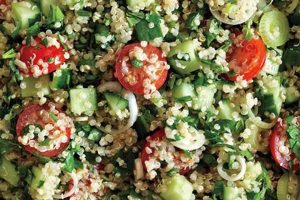
This dish typically combines cooked orzo pasta, crumbled feta cheese, and a variety of fresh ingredients such as chopped vegetables, herbs, and a flavorful vinaigrette. A classic example includes cherry tomatoes, cucumbers, red onion, Kalamata olives, fresh parsley, and a lemon-herb dressing. Variations can incorporate different cheeses, proteins like grilled chicken or shrimp, and other vegetables based on seasonal availability and preference.
The combination of ingredients offers a balance of textures and flavors. The orzo provides a hearty base, the feta delivers a salty tang, and the fresh produce contributes brightness and crunch. This versatility makes it suitable as a light lunch, a side dish, or a component of a larger buffet. Historically, the Mediterranean diet, known for its health benefits, has embraced similar combinations of grains, cheese, and fresh produce. This culinary heritage positions the dish within a broader context of wholesome, flavorful eating.
Further exploration of this culinary creation will encompass specific ingredient selections, preparation techniques, variations for different dietary needs, and suggested pairings to enhance the dining experience.
Tips for a Superior Orzo Feta Salad
Optimizing ingredient selection and preparation techniques elevates this dish from simple to exceptional. Attention to detail ensures a balanced flavor profile and pleasing textural contrast.
Tip 1: Orzo Selection and Cooking: Opt for high-quality orzo pasta. Cook according to package directions until al dente, ensuring a firm, slightly chewy texture. Rinsing the cooked orzo under cold water stops the cooking process and prevents sticking.
Tip 2: Feta Quality: Choose authentic feta cheese, preferably stored in brine, for the best flavor and texture. Crumble the feta into bite-sized pieces, ensuring even distribution throughout the salad.
Tip 3: Fresh Produce: Select ripe, flavorful produce. Consider seasonal vegetables for optimal taste and nutritional value. Thoroughly wash and chop all vegetables into uniform sizes for consistent texture and visual appeal.
Tip 4: Vinaigrette Preparation: A well-balanced vinaigrette is essential. Use fresh herbs and high-quality olive oil. Adjust the acidity to complement the other ingredients. Emulsifying the vinaigrette thoroughly creates a smooth, cohesive dressing.
Tip 5: Ingredient Incorporation: Gently combine all ingredients to avoid damaging delicate vegetables. Ensure the feta and dressing are evenly distributed throughout the salad.
Tip 6: Chilling and Serving: Allow the salad to chill for at least 30 minutes before serving. This allows the flavors to meld and enhances the overall taste experience. Serve chilled for optimal enjoyment.
By focusing on these key details, one can create a dish that showcases the harmonious blend of textures and flavors inherent in a well-crafted orzo feta salad.
These tips provide a framework for achieving culinary excellence. Experimentation with variations and personal preferences is encouraged to develop one’s unique interpretation of this classic.
1. High-quality Orzo
High-quality orzo plays a crucial role in the overall success of an orzo feta salad recipe. Orzo’s texture, when cooked properly, should be firm yet tender, providing a pleasant chewiness that complements the other ingredients. Inferior orzo can become mushy or sticky when cooked, detracting from the salad’s textural appeal and overall enjoyment. The orzo serves as the foundation of the dish, absorbing the flavors of the vinaigrette and providing a substantial counterpoint to the other components. Selecting high-quality orzo ensures this foundation is strong and enhances the overall balance of the salad. For example, using a bronze-die orzo, known for its rougher surface, allows the dressing to cling more effectively, resulting in a more flavorful and cohesive dish.
Beyond texture, the flavor of high-quality orzo can also contribute subtly to the overall complexity of the salad. Orzo made from semolina flour, a high-protein durum wheat, offers a slightly nutty flavor that complements the salty feta and the bright, fresh vegetables. This nuanced flavor profile enhances the overall sensory experience, adding depth to the salad. Conversely, lower-quality orzo may have a bland or even slightly bitter taste that can detract from the other ingredients. Selecting superior orzo ensures that its flavor enhances, rather than diminishes, the overall culinary composition.
Investing in high-quality orzo demonstrates a commitment to culinary excellence. While seemingly a minor detail, the choice of orzo significantly impacts the final product. This attention to detail elevates the orzo feta salad from a simple side dish to a truly satisfying culinary experience. Challenges in sourcing high-quality orzo can be overcome by exploring specialty food stores or online retailers. The benefits of using superior orzo, in terms of both texture and flavor, far outweigh any potential increase in cost or effort required for acquisition.
2. Authentic Feta

Authentic feta, made from sheep’s milk or a blend of sheep and goat’s milk, possesses a distinct tangy, salty flavor and a crumbly texture crucial to a successful orzo feta salad. Substitutes, often made from cow’s milk, lack the characteristic sharpness and creamy texture that elevate the dish. This distinction significantly impacts the overall sensory experience. The salty, briny notes of authentic feta contrast beautifully with the mild orzo and fresh vegetables, creating a balanced flavor profile. For instance, a salad made with authentic Greek feta offers a noticeably more complex and satisfying flavor compared to one made with a cow’s milk substitute. This difference stems from variations in milk composition and traditional production methods, which influence the cheese’s final taste and texture.
Beyond flavor, authentic feta contributes a unique textural element. Its crumbly nature allows it to distribute evenly throughout the salad, ensuring each bite contains pockets of salty goodness. This contrasts with the smoother texture of cow’s milk cheeses, which tend to clump together. The crumbly texture of authentic feta also absorbs the vinaigrette more effectively, enhancing its flavor and creating a more cohesive salad. Consider a salad with grilled vegetables: authentic feta, crumbled over the top, absorbs the smoky char and the vinaigrette, becoming an integral part of the dish’s overall flavor profile. This integration elevates the sensory experience, making the salad more than just a sum of its parts.
Choosing authentic feta demonstrates an understanding of its critical role in this culinary creation. The complexity it introduces, in terms of both flavor and texture, distinguishes a truly exceptional orzo feta salad from a mediocre one. Sourcing authentic feta may present challenges, particularly outside regions where it is traditionally produced. However, exploring specialty markets or online retailers often yields positive results. The heightened culinary experience resulting from the use of authentic feta justifies the effort required to procure it.
3. Fresh, seasonal produce

Fresh, seasonal produce forms the heart of a truly exceptional orzo feta salad. Seasonal ingredients offer peak flavor and nutritional value, significantly impacting the overall quality of the dish. Utilizing produce at its peak ripeness intensifies the salad’s brightness and complexity. For example, incorporating ripe summer tomatoes bursting with sweetness and juicy cucumbers during their peak season elevates the salad’s refreshing qualities. Conversely, using out-of-season tomatoes, often lacking flavor and texture, diminishes the overall sensory experience. This direct correlation between produce quality and the final dish underscores the importance of prioritizing seasonal selections.
Beyond flavor, the choice of seasonal produce allows for creative variations that reflect the time of year. Spring asparagus and peas bring a delicate sweetness, while summer corn and bell peppers offer a vibrant crunch. Autumnal options like roasted butternut squash and kale provide earthy depth. This adaptability allows the orzo feta salad to remain relevant and exciting throughout the year. Consider a late summer salad featuring ripe peaches and heirloom tomatoes alongside the traditional feta and orzo. This combination captures the essence of the season, providing a unique and memorable culinary experience that would be impossible to replicate with out-of-season ingredients.
Prioritizing fresh, seasonal produce demonstrates a commitment to both flavor and nutritional integrity. While challenges may arise in sourcing specific ingredients depending on location and season, the resulting culinary and nutritional benefits justify the effort. Farmers’ markets, local produce stands, and community-supported agriculture programs offer excellent resources for acquiring high-quality, seasonal ingredients. Ultimately, incorporating seasonal produce elevates the orzo feta salad from a simple dish to a celebration of nature’s bounty, offering a vibrant and flavorful experience that reflects the time of year. This connection to seasonality deepens the appreciation for both the ingredients and the culinary tradition itself.
4. Balanced Vinaigrette

A balanced vinaigrette constitutes a critical component of a successful orzo feta salad recipe, serving as the unifying element that harmonizes the diverse flavors and textures. The vinaigrette’s acidity, sweetness, and oil content must complement the salty feta, the starchy orzo, and the fresh produce. An overly acidic vinaigrette can overpower the delicate flavors of the other ingredients, while a bland dressing fails to provide the necessary contrast and depth. A well-balanced vinaigrette enhances the individual components while simultaneously creating a cohesive whole. For example, a lemon-herb vinaigrette, with its bright citrus notes and herbaceous undertones, complements the salty feta and enhances the flavors of fresh vegetables like cucumbers and tomatoes. This balance ensures that no single ingredient dominates, resulting in a harmonious and flavorful salad.
The vinaigrette also contributes significantly to the salad’s textural appeal. The oil in the dressing coats the orzo and vegetables, preventing them from drying out and adding a subtle sheen. The emulsification process, which combines the oil and acidic components, creates a smooth and creamy texture that clings lightly to the ingredients. This prevents the salad from becoming watery or the dressing from separating. Consider a vinaigrette made with high-quality extra virgin olive oil and a touch of Dijon mustard. The olive oil provides a rich, smooth mouthfeel, while the Dijon acts as an emulsifier, creating a creamy consistency that coats the orzo and vegetables, adding both flavor and a desirable texture.
Achieving a balanced vinaigrette requires careful consideration of the other ingredients in the salad. The intensity of the feta, the sweetness of the chosen vegetables, and the presence of any additional elements, such as herbs or spices, influence the ideal balance of acidity, sweetness, and oil. Challenges in achieving this balance can be overcome through experimentation and tasting. Adjusting the proportions of ingredients incrementally allows for fine-tuning and ensures the vinaigrette complements the overall composition of the salad. This iterative process demonstrates a commitment to culinary excellence, resulting in a vinaigrette that elevates the orzo feta salad to a truly exceptional dish. The balanced vinaigrette serves as a testament to the understanding that even seemingly minor components contribute significantly to the overall culinary experience.
5. Proper Chilling Time
Proper chilling time plays a crucial role in the final quality of an orzo feta salad. This period of refrigeration allows the flavors of the individual componentsthe orzo, feta, vegetables, and vinaigretteto meld and harmonize, resulting in a more cohesive and flavorful dish. Chilling also firms the orzo, enhancing its textural appeal, and allows the vinaigrette to further permeate the ingredients, intensifying their overall taste.
- Flavor Development
Chilling allows the diverse flavors within the salad to marry and mature. The initially disparate notes of the salty feta, the tangy vinaigrette, and the fresh vegetables gradually integrate during refrigeration. This fusion creates a more complex and nuanced flavor profile, where the individual components contribute to a harmonious whole. For instance, the vinaigrette’s herbs and spices infuse the orzo and vegetables, while the feta’s saltiness mellows, resulting in a more balanced and flavorful outcome.
- Texture Enhancement
The chilling process positively impacts the orzo’s texture. While initially tender after cooking, the orzo firms up during refrigeration, providing a more pleasant chewiness. This enhanced texture complements the other ingredients, creating a more satisfying mouthfeel. This firming also prevents the orzo from becoming overly soft or mushy, preserving its textural integrity within the salad.
- Vinaigrette Absorption
Chilling allows the vinaigrette to penetrate the orzo and vegetables more thoroughly. This deeper absorption enhances the flavor of each component, ensuring consistent taste throughout the salad. The vinaigrette’s oils and acids further tenderize the vegetables, while its herbs and spices infuse them with additional flavor. This process contributes to the overall complexity and balance of the final dish.
- Temperature and Palatability
Serving the salad chilled enhances its palatability, especially during warmer months. The cool temperature provides a refreshing contrast to the richness of the feta and the heartiness of the orzo. This also helps to preserve the freshness of the vegetables, maintaining their crispness and preventing them from wilting. A chilled salad offers a more invigorating and enjoyable culinary experience.
The benefits of proper chilling time contribute significantly to the overall success of an orzo feta salad recipe. This seemingly simple step elevates the dish from a collection of individual ingredients to a cohesive and flavorful culinary creation. Understanding the impact of chilling on flavor development, texture enhancement, vinaigrette absorption, and palatability allows for a more informed approach to preparation and ensures a more satisfying dining experience. Neglecting this crucial step compromises the final product, diminishing its potential and ultimately detracting from its overall enjoyment.
Frequently Asked Questions
This section addresses common inquiries regarding orzo feta salad preparation and variations.
Question 1: Can other cheeses be substituted for feta?
While substitutions are possible, authentic feta provides a distinct flavor profile difficult to replicate fully. Cheeses like goat cheese, queso fresco, or ricotta salata can offer alternative flavor profiles but may alter the overall balance of the dish. Consider how the substitute cheese’s saltiness, tanginess, and texture will interact with the other ingredients.
Question 2: What are suitable protein additions?
Grilled chicken, shrimp, chickpeas, or white beans complement this salad well. The choice of protein should consider the overall flavor profile desired. For example, grilled chicken provides a savory element, while chickpeas offer a nutty, earthy dimension.
Question 3: How long can the salad be stored?
Properly stored in an airtight container, the salad typically lasts for three to five days in the refrigerator. However, the quality of fresh ingredients degrades over time. Consume the salad as soon as possible for optimal flavor and texture.
Question 4: Can the orzo be cooked in advance?
Cooking the orzo in advance is acceptable. Ensure it is cooled completely and stored separately from other ingredients before combining. Toss the orzo with a small amount of olive oil to prevent sticking and maintain its individual grains.
Question 5: What variations exist for dietary restrictions?
Adapting the recipe for various dietary needs is readily achievable. Gluten-free orzo provides an alternative for those with gluten sensitivities. Vegan feta cheese alternatives can be incorporated for plant-based diets. Adjustments to the vinaigrette, such as using maple syrup instead of honey, can accommodate specific dietary restrictions.
Question 6: How can the salad’s flavor profile be adjusted?
Fresh herbs, spices, and different types of vinaigrettes significantly alter the flavor profile. Experimentation with ingredients like mint, dill, or roasted red peppers adds complexity and depth. Varying the vinaigrette, using balsamic vinegar instead of lemon juice, for example, can introduce contrasting flavors.
Understanding these common inquiries aids in successful preparation and customization. Careful consideration of ingredient selection and preparation techniques ensures an optimal culinary outcome.
This comprehensive exploration has provided foundational knowledge. Culinary experimentation and personalized adjustments are encouraged to fully explore the recipe’s potential.
Orzo Feta Salad Recipe
Exploration of the orzo feta salad recipe reveals a dish reliant on high-quality ingredients and thoughtful preparation. Authentic feta cheese, fresh seasonal produce, and a balanced vinaigrette prove essential for achieving optimal flavor and texture. Proper cooking of the orzo and adequate chilling time further contribute to the dish’s success. Adaptability to dietary restrictions and variations in flavor profiles highlight the recipe’s versatility.
Culinary traditions evolve through mindful engagement with ingredients and techniques. This exploration serves as a foundation for further experimentation and personalized interpretations of the orzo feta salad recipe, encouraging a deeper understanding of its potential within the broader culinary landscape.