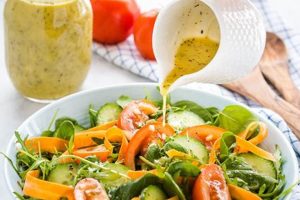
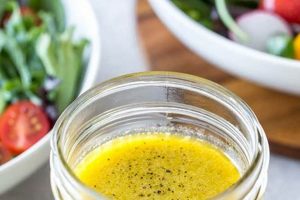
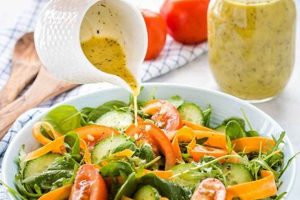
Individuals seeking healthier eating habits often look for ways to reduce added sugars in their diets. Prepared salad dressings are a common source of hidden sugars. Creating dressings at home allows for complete control over ingredients, eliminating unnecessary sugars and incorporating preferred flavors. A homemade vinaigrette, for example, can be made with healthy oils, vinegar, and herbs, offering a flavorful, low-sugar alternative to commercial products.
The rising awareness of the negative health impacts of excessive sugar consumption fuels the demand for sugar-free options. Managing sugar intake can contribute to weight management, improved blood sugar control, and reduced risk of certain chronic diseases. Opting for homemade, sugar-free dressings empowers individuals to align their dietary choices with their health goals. This approach also provides an opportunity to explore fresh, seasonal ingredients and develop unique flavor profiles.
This article will delve into various aspects of crafting delicious and healthful sugar-free salad dressings. Topics covered will include the selection of suitable oils and vinegars, incorporating herbs and spices, exploring sugar substitutes, and providing practical recipes to inspire culinary creativity.
Tips for Creating Sugar-Free Salad Dressings
Creating flavorful sugar-free salad dressings at home involves understanding key ingredients and techniques. These tips offer guidance for achieving delicious results without relying on added sugars.
Tip 1: Embrace the Power of Acid. Acidity plays a crucial role in balancing flavors and adding brightness to dressings. Vinegars, such as apple cider, red wine, or balsamic, provide distinct flavor profiles and contribute to a vibrant taste. Citrus juices, like lemon or lime, offer another avenue for achieving a tangy, sugar-free dressing.
Tip 2: Explore Healthy Fats. High-quality oils form the foundation of most salad dressings. Extra virgin olive oil, avocado oil, and flaxseed oil contribute healthy fats and distinct flavors. Experimenting with different oils allows for diverse flavor profiles.
Tip 3: Maximize Flavor with Herbs and Spices. Fresh or dried herbs and spices add depth and complexity to sugar-free dressings. Consider dill, parsley, oregano, basil, chives, or cilantro. Spices such as garlic powder, onion powder, paprika, or cumin can also enhance the overall flavor profile.
Tip 4: Consider Sugar Alternatives Sparingly. While some sugar substitutes can be used in moderation, relying on the natural sweetness of ingredients like roasted vegetables or fruits can often create a more balanced and less processed dressing.
Tip 5: Emulsify for Texture. Proper emulsification creates a smooth and creamy texture. Whisking ingredients vigorously or using a blender helps combine oil and vinegar effectively, preventing separation.
Tip 6: Taste and Adjust. Tasting the dressing throughout the preparation process is essential. Adjusting the balance of acid, oil, and seasonings ensures the desired flavor profile.
Tip 7: Proper Storage. Store homemade dressings in airtight containers in the refrigerator. This preserves freshness and prevents spoilage, typically for up to a week.
By following these tips, individuals can create a wide array of flavorful, sugar-free salad dressings tailored to individual preferences and dietary needs. This approach offers a healthier and more creative alternative to commercially produced dressings.
This article will now conclude with a collection of easy-to-follow recipes for creating delicious sugar-free salad dressings at home.
1. Healthy Fats

Healthy fats are fundamental to a successful sugar-free salad dressing, contributing to both flavor and texture while offering nutritional benefits. They provide the base of the dressing, carrying other flavors and creating a satisfying mouthfeel. Understanding the role of healthy fats is crucial for crafting a delicious and healthful dressing.
- Monounsaturated Fats
Found in oils like olive oil and avocado oil, monounsaturated fats offer a neutral flavor profile that allows other ingredients to shine. They contribute to a smooth, creamy texture and are associated with various health benefits, including improved heart health. In sugar-free dressings, they provide a stable base that complements the acidity of vinegar and the flavors of herbs and spices.
- Polyunsaturated Fats
Oils such as flaxseed oil and walnut oil contain polyunsaturated fats, including omega-3 fatty acids, which are essential for optimal health. These oils often have more distinct flavors that can add complexity to a dressing. However, their flavor can be more pronounced, so they are best used in moderation or in combination with milder oils. Due to their delicate nature, they are best used in dressings that are not heated.
- Saturated Fats
While some saturated fats can be incorporated, moderation is key. Coconut oil, for example, can add a subtle sweetness and creamy texture, but its strong flavor may not complement all dressings. Overuse of saturated fats can detract from the fresh, vibrant flavors desired in a salad dressing.
- Avoiding Unhealthy Fats
Trans fats and highly processed oils should be avoided entirely. These fats offer no nutritional value and can negatively impact health. Sticking to natural, unrefined oils ensures a healthier and more flavorful dressing.
The careful selection of healthy fats is paramount in creating a sugar-free salad dressing that is both nutritious and delicious. The right balance of fats contributes to the overall flavor profile, texture, and health benefits of the dressing, making it an essential component of any recipe.
2. Flavorful Acids
Flavorful acids provide the essential counterpoint to fats and sweetness in sugar-free salad dressings, contributing brightness, complexity, and balance. They are crucial for creating a vibrant and palatable dressing that complements the flavors of the salad ingredients. Without the sharpness of acids, dressings can taste flat and overly rich. Understanding the role and variety of acids is key to mastering sugar-free dressing recipes.
- Vinegars
Vinegars, derived from fermented fruits or grains, offer a wide range of flavor profiles suitable for various salad dressings. Apple cider vinegar provides a slightly sweet and tart flavor, while red wine vinegar lends a more robust, complex note. Balsamic vinegar, with its rich, syrupy consistency and deep sweetness, can be used sparingly to add depth. White wine vinegar offers a crisp, clean acidity. The choice of vinegar significantly influences the overall character of the dressing.
- Citrus Juices
Citrus juices, such as lemon, lime, and orange, provide a refreshing and vibrant acidity. Lemon juice is a versatile option, complementing a wide array of flavors. Lime juice adds a zesty, tropical note, while orange juice contributes a touch of sweetness. Freshly squeezed juices are preferred over bottled varieties for their superior flavor and lack of additives.
- Other Fruit Juices
Beyond citrus, other fruit juices like pomegranate or cranberry can introduce unique flavor dimensions and sweetness. These juices can be particularly effective in dressings intended for fruit salads or salads with richer ingredients. However, their inherent sweetness should be considered when balancing the overall flavor profile.
- Acidic Ingredients
Ingredients like buttermilk or yogurt, while not primarily acidic, can contribute a subtle tang that complements other flavors in a dressing. Their creamy texture can also enhance the mouthfeel of the dressing. When using dairy-based ingredients, consider their potential impact on the overall flavor and storage life of the dressing.
The strategic use of flavorful acids is paramount in crafting a well-balanced and delicious sugar-free salad dressing. Balancing the acidity with the other ingredients, such as fats and herbs, ensures a harmonious and satisfying culinary experience. The right acid can elevate a simple salad into a flavorful and healthful dish.
3. Fresh Herbs

Fresh herbs play a crucial role in elevating sugar-free salad dressings from simple to sophisticated. Their contribution extends beyond mere flavor enhancement; they introduce complexity, aroma, and visual appeal. In the absence of added sugars, herbs become even more critical for creating a balanced and satisfying taste profile. The aromatic oils present in fresh herbs provide depth and nuance, compensating for the lack of sweetness. For instance, a sugar-free vinaigrette featuring fresh basil, oregano, and thyme offers a Mediterranean-inspired flavor profile that stands on its own, without relying on added sugars for balance. Similarly, a dressing with fresh cilantro, mint, and lime juice can evoke vibrant Southeast Asian flavors.
The choice of herbs should complement the other ingredients in the dressing and the salad itself. A delicate salad with light greens might benefit from milder herbs like chives, parsley, or dill. A more robust salad with roasted vegetables or grilled protein could support stronger flavors like rosemary, thyme, or sage. The interplay between the herbs and the acidity of the dressing is also essential. The brightness of vinegar or citrus juice amplifies the herbaceous notes, creating a harmonious balance. Furthermore, fresh herbs offer visual appeal, adding a vibrant green element to the finished dressing. This visual enhancement contributes to the overall sensory experience of enjoying a salad.
Incorporating fresh herbs effectively requires proper handling and preparation. Gently washing and drying the herbs before use prevents wilting and ensures optimal flavor. Chopping or tearing the leaves releases their aromatic oils, maximizing their impact in the dressing. Adding the herbs towards the end of the preparation process preserves their delicate flavors and prevents them from becoming bruised or bitter. Understanding the role and application of fresh herbs allows one to create sugar-free salad dressings that are not only healthy but also flavorful and visually appealing. This approach emphasizes the importance of fresh, natural ingredients in achieving culinary excellence without relying on refined sugars.
4. Creative Spices
Creative spice utilization is paramount in formulating compelling sugar-free salad dressings. Without relying on sugar’s sweetness, spices provide depth, complexity, and intrigue, elevating the overall sensory experience. Careful spice selection and application are essential for achieving balanced and nuanced flavor profiles. The following facets illustrate the integral role of spices in sugar-free salad dressing creation.
- Flavor Enhancement
Spices amplify the inherent flavors of other dressing components, such as oils, vinegars, and herbs. Common spices like garlic powder, onion powder, and paprika provide foundational savory notes, while more pungent options like chili powder or cayenne pepper introduce heat. The interplay between spices and other ingredients creates a synergistic effect, resulting in a more complex and satisfying flavor profile. For example, cumin complements the earthiness of roasted vegetables in a vinaigrette, while smoked paprika enhances the smokiness of a chipotle-based dressing. The judicious use of spices compensates for the absence of sugar, ensuring the dressing remains flavorful and engaging.
- Balancing Acidity
Spices can temper the sharpness of acidic ingredients like vinegar or citrus juice, creating a more rounded and balanced flavor profile. Warm spices like cinnamon or nutmeg, when used sparingly, can soften the acidity while adding a subtle sweetness. This balancing act is crucial in sugar-free dressings where the absence of sugar can accentuate the acidity. For instance, a pinch of cinnamon in a lemon vinaigrette can create a harmonious balance, preventing the dressing from tasting overly tart.
- Creating Depth and Complexity
Layering spices contributes to the depth and complexity of a sugar-free salad dressing. A combination of paprika, cumin, and coriander creates a warm, earthy base, while the addition of a pinch of cayenne pepper introduces a subtle heat. This layering approach allows for the development of unique and nuanced flavor profiles, preventing the dressing from tasting one-dimensional. For example, a blend of turmeric, ginger, and black pepper can create a vibrant and aromatic dressing with a subtle warmth.
- Regional Flavor Profiles
Specific spice combinations can evoke distinct regional flavor profiles. A blend of oregano, basil, and thyme creates a Mediterranean-inspired dressing, while a combination of cumin, coriander, and turmeric evokes Indian flavors. This targeted approach allows for the creation of dressings tailored to specific cuisines or personal preferences. Using spices to create regional flavor profiles provides a creative and flavorful alternative to relying on added sugars for taste.
Strategic spice incorporation is essential for creating dynamic and flavorful sugar-free salad dressings. By understanding the interplay between spices and other ingredients, one can craft dressings that are not only healthy but also complex, nuanced, and satisfying. This approach emphasizes the importance of culinary creativity in achieving delicious results without relying on refined sugars.
5. No Refined Sugars

The absence of refined sugars is the defining characteristic of sugar-free salad dressings, directly impacting flavor, health implications, and ingredient selection. This focus necessitates a shift in approach, emphasizing natural flavors and alternative methods for achieving sweetness and balance. Formulating a successful sugar-free dressing requires careful consideration of alternative ingredients and their synergistic effects.
- Health Implications
Eliminating refined sugars aligns with broader health goals, including weight management, improved blood sugar control, and reduced risk of chronic diseases. Excessive sugar consumption is linked to various health issues, making sugar-free options a preferable choice for health-conscious individuals. This health focus drives the demand for sugar-free alternatives across various food categories, including salad dressings.
- Flavor Balancing
Without refined sugar’s sweetness to mask other flavors, achieving a balanced taste profile becomes more challenging. The inherent flavors of other ingredients, such as oils, vinegars, and herbs, become more pronounced. Balancing these flavors requires careful consideration and often involves incorporating acidic ingredients, spices, and flavorful herbs to create a harmonious blend. This balancing act is crucial for creating a palatable and enjoyable sugar-free dressing.
- Ingredient Selection
Crafting a sugar-free dressing necessitates careful ingredient selection. Natural sweeteners, like small amounts of honey or maple syrup, or sugar substitutes like stevia or erythritol can be used judiciously. However, the focus should be on maximizing the flavors of natural ingredients, such as fresh herbs, spices, and flavorful oils and vinegars. This approach emphasizes whole foods and minimizes processed ingredients, aligning with a health-conscious approach to eating.
- Recipe Adaptation
Adapting traditional salad dressing recipes to be sugar-free often requires more than simply omitting sugar. The entire balance of flavors must be reconsidered. Acidity levels may need adjusting, and the inclusion of herbs and spices becomes even more critical for creating a complex and satisfying flavor profile. This adaptation process encourages culinary creativity and experimentation, leading to the discovery of new flavor combinations.
The exclusion of refined sugars in salad dressings represents a conscious choice toward healthier eating habits. It necessitates a thoughtful approach to recipe development, emphasizing the interplay of natural flavors and the importance of ingredient selection. This focus on whole foods and balanced flavors contributes to a more healthful and satisfying culinary experience.
6. Proper Emulsification

Proper emulsification is crucial for the texture and stability of sugar-free salad dressings. It refers to the process of combining two immiscible liquids, typically oil and vinegar, into a stable mixture. In the context of sugar-free dressings, where the absence of sugar can sometimes lead to a thinner consistency, achieving a proper emulsion is particularly important for creating a desirable mouthfeel and preventing the dressing from separating.
- Temporary vs. Permanent Emulsions
Temporary emulsions, like a simple vinaigrette, require whisking or shaking immediately before use as the ingredients separate quickly. Permanent emulsions, often achieved with emulsifying agents like egg yolks or mustard, create a stable mixture that does not separate. Sugar-free dressings often benefit from permanent emulsions as they provide a richer, creamier texture that might otherwise be lacking due to the absence of sugar.
- The Role of Emulsifiers
Emulsifiers contain both hydrophilic (water-loving) and hydrophobic (oil-loving) components, allowing them to bridge the gap between oil and vinegar, creating a stable mixture. In sugar-free dressings, common emulsifiers include mustard, egg yolks, tahini, or even avocado. These ingredients contribute to a creamy texture and prevent the dressing from separating, which is especially important when the dressing is stored.
- Techniques for Emulsification
Effective emulsification can be achieved through various techniques. Vigorous whisking by hand creates a temporary emulsion suitable for vinaigrettes. A blender or food processor creates a more stable and homogenous emulsion, particularly for dressings containing emulsifying agents. The chosen technique influences the final texture of the dressing. For a thicker, creamier sugar-free dressing, a blender is often preferred.
- Impact on Flavor and Mouthfeel
Proper emulsification significantly impacts the flavor and mouthfeel of sugar-free salad dressings. A well-emulsified dressing coats salad ingredients evenly, distributing flavor more effectively. It also provides a more pleasing texture, contributing to a more satisfying culinary experience. A separated dressing can lead to uneven flavor distribution and a less enjoyable textural experience.
In conclusion, proper emulsification is an essential element in crafting successful sugar-free salad dressings. It contributes to the desired texture, stability, and flavor delivery, compensating for the absence of sugar and enhancing the overall culinary experience. Understanding the principles of emulsification allows for greater control over the final product and ensures a more satisfying and healthful dressing.
7. Seasoning Balance
Seasoning balance is paramount in sugar-free salad dressing formulation. Without sugar to mask or soften other flavors, careful attention to the interplay of salty, acidic, and savory elements is crucial. A balanced seasoning profile elevates the overall taste experience, compensating for the lack of sweetness and creating a harmonious flavor profile. The following facets illustrate the critical role of seasoning balance in sugar-free salad dressings.
- Salt’s Importance
Salt enhances other flavors and provides a foundational savory element in sugar-free dressings. It counterbalances acidity and rounds out the overall taste profile. However, over-salting can easily overwhelm other delicate flavors, particularly in the absence of sugar. Careful salt addition, preferably using fine sea salt or kosher salt, and frequent tasting during the preparation process ensure proper balance. The right amount of salt amplifies the flavors of other ingredients without dominating the palate.
- Acidity’s Role
Acidity, derived from vinegar or citrus juice, provides brightness and complexity. It cuts through the richness of fats and balances the savory notes of herbs and spices. However, excessive acidity can create a harsh and unpleasant taste. Careful balancing with other seasonings is essential, especially in sugar-free recipes where the absence of sugar can accentuate tartness. A well-balanced dressing features a pleasant tang without being overly sour.
- Savory Elements
Savory elements, derived from herbs, spices, garlic, and onions, contribute depth and complexity to sugar-free dressings. These ingredients compensate for the lack of sweetness by providing a rich, umami-rich flavor profile. The careful selection and combination of savory elements create a balanced and nuanced flavor profile that satisfies the palate without relying on sugar. Experimenting with different herb and spice combinations allows for the creation of unique and flavorful dressings.
- The Interplay of Tastes
Seasoning balance involves the harmonious interplay of salt, acidity, and savory notes. No single element should dominate; rather, they should complement each other, creating a complex and nuanced flavor profile. Frequent tasting and adjustment throughout the preparation process are crucial for achieving this balance. A well-balanced sugar-free dressing is a testament to the chef’s understanding of flavor dynamics and their ability to create a harmonious taste experience without relying on refined sugars.
In conclusion, seasoning balance is the cornerstone of successful sugar-free salad dressing creation. It requires careful consideration of the interplay between salt, acidity, and savory elements, and a willingness to experiment and adjust flavors until a harmonious balance is achieved. Mastering this aspect of recipe development elevates the taste experience, making sugar-free dressings not just a healthy alternative, but a truly enjoyable culinary creation.
Frequently Asked Questions
This section addresses common inquiries regarding sugar-free salad dressing formulation, offering practical guidance for achieving optimal results.
Question 1: What are the primary benefits of using sugar-free salad dressings?
Sugar-free dressings offer several health advantages, including reduced sugar intake, which can contribute to weight management and improved blood sugar control. They also allow for greater control over ingredients and flavor profiles.
Question 2: How can one achieve sweetness in salad dressings without using refined sugar?
Natural sweetness can be achieved through incorporating ingredients like balsamic vinegar, roasted vegetables, or small amounts of fruit. Sugar substitutes can also be used sparingly, but should be chosen carefully based on individual dietary needs and preferences.
Question 3: What are the best oils to use in sugar-free salad dressings?
Extra virgin olive oil, avocado oil, and flaxseed oil are excellent choices due to their flavor profiles and health benefits. The specific oil chosen depends on the desired flavor profile of the dressing.
Question 4: How can homemade sugar-free dressings be stored effectively?
Storing dressings in airtight containers in the refrigerator preserves freshness and prevents spoilage. Most homemade dressings will last for up to a week when properly refrigerated.
Question 5: How can one adapt existing recipes to be sugar-free?
Adapting recipes often requires more than simply omitting sugar. The balance of flavors needs to be adjusted, potentially increasing acidity and incorporating herbs and spices to compensate for the lack of sweetness.
Question 6: Are sugar-free dressings suitable for all dietary needs?
While generally healthier, individuals with specific dietary restrictions should carefully consider ingredients. Those with allergies should check labels or recipes for potential allergens. Individuals monitoring carbohydrate intake should consider the carbohydrate content of any sugar substitutes used.
Careful consideration of these frequently asked questions empowers individuals to create and enjoy delicious, healthful sugar-free salad dressings tailored to individual needs and preferences.
This concludes the FAQ section. The following section will offer a collection of sample recipes.
Recipe for Sugar-Free Salad Dressing
This exploration of sugar-free salad dressing recipes has highlighted the importance of mindful ingredient selection, emphasizing the interplay of healthy fats, flavorful acids, fresh herbs, and creative spices. Achieving proper emulsification and seasoning balance are crucial for creating dressings that are not only free of refined sugars but also flavorful and texturally satisfying. The absence of sugar necessitates a shift in approach, focusing on the inherent flavors of natural ingredients and their synergistic effects. Adapting recipes or creating new ones requires careful consideration of flavor balance, often increasing the importance of herbs, spices, and acidity to compensate for the lack of sweetness. Practical tips and techniques outlined herein provide a foundation for crafting dressings tailored to individual preferences and dietary needs.
The increasing awareness of the health implications of excessive sugar consumption underscores the value of exploring sugar-free alternatives. Embracing a sugar-free approach to salad dressings empowers individuals to make healthier choices without sacrificing flavor or satisfaction. This culinary shift allows for greater control over ingredients and fosters creativity in the kitchen, promoting a more healthful and enjoyable dining experience. Continued exploration and experimentation with diverse ingredients and flavor combinations will undoubtedly yield further innovation in the realm of sugar-free culinary creations.