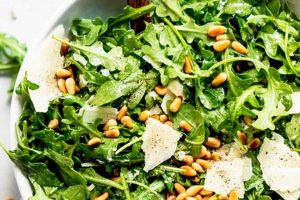
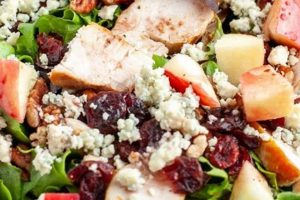
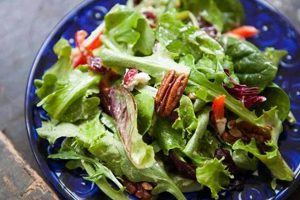
Simple salads incorporating avocado offer a versatile and nutritious meal option. These dishes often feature readily available ingredients combined with minimal preparation, making them ideal for quick lunches or light dinners. For instance, a basic avocado salad might include mixed greens, cherry tomatoes, cucumber, red onion, and a simple vinaigrette, all complemented by the creamy texture and healthy fats of avocado. Variations can include grilled chicken or fish, different types of greens, or other readily accessible vegetables.
The rising popularity of these salads stems from increased awareness of healthy eating and convenience. Avocado, rich in monounsaturated fats, fiber, and vitamins, contributes significantly to nutritional value, promoting heart health and satiety. This, coupled with the ease and speed of preparation, positions these salads as an attractive choice for busy individuals seeking wholesome meals. Furthermore, the versatility of avocado allows for creative flavor combinations, accommodating various dietary preferences and culinary traditions.
This exploration will delve into specific examples of such salads, highlighting ingredient choices, preparation methods, and nutritional benefits. Further discussion will encompass variations suitable for different dietary needs and preferences, offering a comprehensive guide to incorporating avocado into simple yet satisfying salads.
Tips for Creating Simple and Delicious Avocado Salads
Creating a satisfying salad with avocado as a central ingredient requires attention to a few key details. These tips ensure optimal flavor, texture, and nutritional value.
Tip 1: Select ripe avocados. Ripe avocados yield a creamy texture essential for salads. Gently squeeze the avocado; it should yield slightly to pressure but not feel mushy.
Tip 2: Prevent browning. Avocado oxidizes quickly upon exposure to air. To prevent browning, toss avocado slices with lemon or lime juice immediately after cutting.
Tip 3: Balance flavors. Avocado’s rich flavor pairs well with acidic, sweet, and savory ingredients. Consider incorporating ingredients like tomatoes, citrus fruits, red onion, or feta cheese for a balanced flavor profile.
Tip 4: Choose complementary greens. Robust greens like spinach or kale hold up well against the creamy avocado. Delicate greens like butter lettuce offer a contrasting textural element.
Tip 5: Consider healthy fats. While avocado provides healthy fats, adding a small amount of olive oil or a sprinkle of nuts and seeds can enhance the flavor and nutritional value.
Tip 6: Add protein for a complete meal. Grilled chicken, fish, beans, or lentils can transform a simple avocado salad into a substantial and protein-rich meal.
Tip 7: Don’t overcomplicate. A few high-quality ingredients, simply prepared, often yield the most satisfying results.
By following these tips, one can consistently create flavorful and nutritious salads featuring avocado as a star ingredient. Proper avocado selection, browning prevention, and thoughtful ingredient pairings contribute to a truly enjoyable culinary experience.
In conclusion, these insights provide a solid foundation for crafting delicious and healthy avocado salads. Experimentation with different flavor combinations and ingredient choices further expands the possibilities of this versatile dish.
1. Fresh Ingredients

Fresh ingredients are fundamental to a successful, simple avocado salad. Avocado, the star ingredient, offers optimal flavor and texture when ripe and recently harvested. Its delicate flavor profile is easily overwhelmed by less-than-fresh components. Consider the contrast between a vibrant, crisp lettuce leaf and one that is wilted or browned. The latter introduces an unpleasant bitterness that detracts from the overall experience. Similarly, using out-of-season tomatoes or stale herbs diminishes the salad’s vibrancy and appeal. A simple salad thrives on the inherent flavors of its components; freshness ensures these flavors shine through.
The emphasis on fresh ingredients extends beyond the core components. Consider the supporting elements: a bright vinaigrette made with freshly squeezed lemon juice offers a far superior flavor profile compared to one made with bottled concentrate. Even seemingly minor additions, such as freshly cracked black pepper, contribute significantly to the overall sensory experience. The delicate, peppery notes of freshly ground peppercorns are far more nuanced than the dull flavor of pre-ground pepper. These nuances collectively elevate a simple salad from ordinary to exceptional.
Selecting fresh, high-quality ingredients directly correlates with the ease of preparation inherent in these salads. Minimal processing is required when the ingredients themselves are flavorful and vibrant. Washing and simply chopping fresh produce is all that’s needed. Overly ripe or subpar produce often requires additional steps to salvage, such as removing bruised sections or attempting to revive wilted leaves. This undermines the very concept of an “easy” salad recipe. Therefore, prioritizing fresh ingredients not only enhances flavor but also streamlines the preparation process, ensuring a truly satisfying and convenient culinary experience.
2. Ripe Avocados

Ripe avocados are fundamental to easy salad recipes featuring this versatile fruit. The ripeness of an avocado directly impacts the flavor, texture, and ease of preparation, making proper selection crucial for a successful salad. An underripe avocado offers a subpar culinary experience, while an overripe one can be difficult to handle and may introduce off-flavors. This section explores the critical aspects of selecting and utilizing ripe avocados in simple salad preparations.
- Texture and Consistency
A perfectly ripe avocado yields to gentle pressure but retains its shape. This creamy texture allows for easy slicing, dicing, or mashing, depending on the desired salad presentation. An underripe avocado feels firm and resists pressure, making it difficult to work with and resulting in a less desirable, almost crunchy texture. Conversely, an overripe avocado feels mushy and may have browned or bruised sections, making it unsuitable for salads.
- Flavor Profile
Ripeness unlocks the full flavor potential of the avocado. A ripe avocado offers a rich, buttery flavor that complements other salad ingredients. Underripe avocados lack this characteristic richness, presenting a bland and almost grassy taste. Overripe avocados, while initially flavorful, can quickly develop off-flavors, detracting from the overall salad experience.
- Ease of Preparation
Ripe avocados contribute to the ease of preparation inherent in simple salad recipes. Their yielding texture facilitates effortless slicing and dicing, eliminating the need for complex preparation techniques. The smooth consistency of a ripe avocado also allows for easy mashing, creating a creamy base for dressings or a topping for salads. Underripe or overripe avocados complicate preparation, requiring extra effort to peel, pit, and incorporate into the salad.
- Visual Appeal
The vibrant green flesh of a ripe avocado enhances the visual appeal of any salad. Its color contrasts beautifully with other ingredients, creating an appetizing presentation. Underripe avocados often appear pale and unappealing, while overripe avocados can exhibit browning, diminishing the overall aesthetic of the dish. The visual appeal of a salad contributes significantly to the dining experience, and ripe avocados play a crucial role in achieving this.
In conclusion, the ripeness of an avocado is paramount in creating easy and delicious avocado salads. Selecting perfectly ripe avocados ensures optimal flavor, texture, ease of preparation, and visual appeal. Careful attention to these factors elevates the simple salad to a satisfying and enjoyable culinary experience.
3. Simple Dressings
Simple dressings play a crucial role in easy salad recipes featuring avocado. The delicate, buttery flavor of avocado benefits from dressings that complement rather than overwhelm. Overly complex or heavy dressings can mask the avocado’s subtle nuances, diminishing its contribution to the overall flavor profile. A simple vinaigrette, for instance, composed of olive oil, lemon juice, salt, and pepper, provides a bright, acidic counterpoint to the richness of the avocado without overshadowing other ingredients. This approach allows the inherent flavors of the fresh produce to shine through, creating a balanced and harmonious salad experience. Conversely, a creamy ranch dressing, while flavorful, can overpower the subtle taste of the avocado and other delicate components.
The practicality of simple dressings aligns perfectly with the “easy” aspect of these salad recipes. A basic vinaigrette requires minimal ingredients and preparation time, often involving simply whisking together a few pantry staples. This ease of preparation contributes to the overall convenience of the salad, making it an attractive option for quick meals. Furthermore, simple dressings offer versatility. The basic vinaigrette template can be easily adapted with additions such as herbs, spices, or a touch of honey or mustard, allowing for customization without sacrificing simplicity. For example, a cilantro-lime vinaigrette complements avocado beautifully, while a balsamic vinaigrette adds a touch of sweetness and complexity. These adaptable dressings provide a foundation for diverse flavor profiles without demanding extensive preparation or specialized ingredients.
In essence, simple dressings are integral to the success of easy avocado salad recipes. Their ability to enhance rather than mask flavors, combined with their inherent convenience and versatility, makes them an ideal choice. Understanding this connection allows for the creation of salads that are not only flavorful and nutritious but also easy to prepare, aligning perfectly with the demand for simple, healthy meal options. This approach celebrates the natural flavors of fresh ingredients, highlighting the unique contribution of avocado without unnecessary complexity.
4. Quick Preparation
Quick preparation is integral to the concept of easy avocado salad recipes. The appeal of these recipes lies in their convenience, offering a nutritious meal option without demanding extensive time commitments. This speed relies heavily on the inherent qualities of the ingredients and the simplicity of the preparation methods. Avocados, once ripe, require minimal processing; simple slicing or dicing suffices. Complementary ingredients, such as pre-washed greens, cherry tomatoes, and pre-cooked proteins like grilled chicken, further expedite the process. A straightforward vinaigrette, quickly whisked together, eliminates the need for complex sauces or dressings. This streamlined approach allows for a complete salad assembly within minutes, aligning perfectly with busy lifestyles and the demand for quick, healthy meals. For example, a salad combining sliced avocado, pre-cooked shrimp, mixed greens, and a lemon vinaigrette requires mere minutes to assemble.
The emphasis on quick preparation extends beyond ingredient selection. Efficient kitchen practices further minimize preparation time. Utilizing pre-chopped vegetables, if available, or employing effective chopping techniques can shave valuable minutes off the process. Having all necessary ingredients readily available and organized before commencing preparation also streamlines the workflow. These practical considerations, while seemingly minor, contribute significantly to the overall speed and ease of creating the salad. Consider the difference between having all ingredients prepped and measured versus searching for a misplaced ingredient mid-preparation. The former ensures a smooth and efficient process, while the latter introduces unnecessary delays and disruptions.
In conclusion, quick preparation is not merely a desirable attribute but a defining characteristic of easy avocado salad recipes. The ability to assemble a nutritious and flavorful salad within minutes hinges on ingredient selection, simple preparation methods, and efficient kitchen practices. Understanding this connection allows for the creation of meals that satisfy both nutritional needs and time constraints, contributing to a healthier and more convenient lifestyle. This efficiency is particularly valuable in today’s fast-paced environment, where time is often a limiting factor in meal preparation. Easy avocado salad recipes offer a practical solution, providing a balanced and delicious meal without sacrificing valuable time.
5. Versatile Combinations

Avocado’s inherent versatility significantly contributes to the creation of easy salad recipes. Its neutral flavor profile and creamy texture readily complement a wide range of ingredients, accommodating diverse culinary traditions and dietary preferences. This adaptability simplifies recipe development, allowing for numerous ingredient combinations without compromising flavor or requiring complex preparation techniques. The inclusion of readily available components, such as various greens, vegetables, fruits, nuts, seeds, and proteins, further enhances the ease and convenience of these salads. For instance, a simple base of mixed greens and avocado can be transformed with additions like grilled chicken or chickpeas for a protein boost, berries and feta cheese for a sweeter profile, or corn and black beans for a southwestern flair. This adaptability not only simplifies meal planning but also reduces reliance on specialized or hard-to-find ingredients.
The practical implications of avocado’s versatility extend beyond ingredient combinations. This adaptability accommodates seasonal variations, allowing for year-round enjoyment of these easy salads. Utilizing in-season produce not only maximizes flavor but also supports local agriculture and reduces environmental impact. Furthermore, avocado’s versatility allows for easy customization based on individual preferences and dietary needs. A vegan option might incorporate roasted vegetables and toasted seeds, while a pescatarian version could include grilled fish and a lemon vinaigrette. These adjustments can be implemented without altering the fundamental simplicity and ease of preparation inherent in these salads. This adaptability fosters culinary creativity and ensures accessibility for a wider range of individuals.
In conclusion, the versatility of avocado as a salad ingredient is a key factor in the creation of easy and adaptable recipes. This characteristic simplifies meal planning, accommodates seasonal variations, and allows for personalized customization based on dietary preferences. Understanding and utilizing this versatility expands culinary possibilities while maintaining the core principles of simplicity and convenience. This adaptability contributes significantly to the appeal of avocado salads as a healthy and accessible meal option, promoting both culinary enjoyment and nutritional well-being. The ability to effortlessly incorporate a variety of ingredients, adapt to seasonal changes, and accommodate diverse dietary needs solidifies avocado’s position as a versatile and valuable component in simple salad creations.
6. Nutritional Value
Nutritional value represents a significant advantage of easy salad recipes incorporating avocado. These salads offer a readily accessible pathway to incorporating essential nutrients into one’s diet, contributing to overall health and well-being. The nutritional profile of avocados, coupled with the inclusion of other fresh ingredients, creates a synergistic effect, maximizing the health benefits of these simple meals.
- Healthy Fats
Avocados are a rich source of monounsaturated fats, known for their beneficial impact on cardiovascular health. These fats contribute to lower LDL cholesterol levels (often referred to as “bad” cholesterol) and promote HDL cholesterol (the “good” cholesterol), reducing the risk of heart disease. Incorporating avocado into easy salad recipes provides a convenient way to increase healthy fat intake within a balanced diet. For instance, a salad with avocado, mixed greens, and grilled chicken offers a heart-healthy meal option.
- Fiber Content
Avocados contribute significant dietary fiber, essential for digestive health and promoting satiety. Fiber aids in regulating bowel movements, preventing constipation, and supporting a healthy gut microbiome. Furthermore, fiber’s ability to promote feelings of fullness can assist in weight management by reducing overall calorie intake. Easy salad recipes featuring avocado, often incorporating other fiber-rich vegetables, offer a simple way to boost fiber consumption. A salad combining avocado, black beans, corn, and bell peppers exemplifies this benefit.
- Vitamins and Minerals
Avocados are a good source of various vitamins and minerals, including vitamins K, C, E, and potassium. Vitamin K plays a crucial role in blood clotting and bone health. Vitamin C acts as an antioxidant, protecting cells from damage, while vitamin E supports immune function. Potassium is essential for maintaining healthy blood pressure levels. Easy avocado salads, particularly those incorporating a variety of colorful vegetables, contribute to overall micronutrient intake. A salad combining avocado, spinach, tomatoes, and red onion offers a spectrum of essential vitamins and minerals.
- Nutrient Absorption
The healthy fats in avocados facilitate the absorption of fat-soluble nutrients from other salad ingredients. Vitamins A, D, E, and K are fat-soluble, meaning their absorption is enhanced when consumed with dietary fats. Incorporating avocado into a salad containing ingredients rich in these vitamins, such as carrots (vitamin A) or leafy greens (vitamin K), maximizes their nutritional benefit. This synergistic effect highlights the importance of considering nutrient interactions when constructing easy and nutritious avocado salads. A salad combining avocado, spinach, and a light vinaigrette exemplifies this principle.
In conclusion, the nutritional value of easy salad recipes featuring avocado stems from the combined benefits of healthy fats, fiber, vitamins, minerals, and enhanced nutrient absorption. These salads offer a convenient and palatable way to incorporate essential nutrients into one’s diet, contributing to overall health and well-being. This nutritional density, coupled with the ease of preparation, positions these salads as an ideal choice for individuals seeking convenient and healthful meal options. The inclusion of avocado not only enhances flavor and texture but also elevates the nutritional profile of these simple culinary creations.
Frequently Asked Questions
This section addresses common inquiries regarding simple salad recipes incorporating avocado, providing concise and informative responses.
Question 1: How can browning of avocados be prevented in prepared salads?
Avocado oxidation, resulting in browning, can be minimized by coating exposed avocado surfaces with an acidic agent such as lemon or lime juice. Prompt refrigeration also helps slow the browning process.
Question 2: What are optimal avocado storage practices for maximizing freshness?
Whole, unripe avocados should be stored at room temperature until ripe. Ripe avocados can be refrigerated for up to a week. Cut avocado, coated with lemon or lime juice and tightly wrapped, can be refrigerated for one to two days.
Question 3: Beyond basic vinaigrettes, what other dressings complement avocado in simple salads?
Light, flavorful dressings such as a cilantro-lime dressing, a honey-mustard vinaigrette, or a Greek yogurt-based dressing complement avocado without overwhelming its flavor. Creamy dressings should be used sparingly to avoid masking the avocado’s delicate taste.
Question 4: What protein sources pair well with avocado in these salad recipes?
Grilled chicken, fish, shrimp, beans, lentils, and tofu complement avocado’s flavor and contribute protein for a more substantial meal. The choice of protein can influence the overall flavor profile of the salad, offering further customization options.
Question 5: Can frozen avocado be used in these salads?
While frozen avocado can be utilized, its texture changes upon thawing, becoming softer and potentially watery. This altered texture is less suitable for salads where distinct avocado slices or chunks are desired. Frozen avocado is better suited for blended applications like dressings or dips.
Question 6: How can these easy salad recipes be adapted for different dietary needs, such as vegan or gluten-free diets?
Adapting these recipes is generally straightforward. For vegan diets, ensure all added ingredients, including dressings, are plant-based. Most recipes are inherently gluten-free, but attention should be paid to specific ingredients like croutons or pre-made dressings, which may contain gluten.
Understanding these common considerations further simplifies the creation of delicious and convenient avocado salads. These insights contribute to a more informed and enjoyable culinary experience.
The following sections will provide specific recipe examples, illustrating practical applications of these principles.
Easy Salad Recipes with Avocado
Easy salad recipes with avocado offer a compelling intersection of convenience, nutrition, and culinary versatility. Exploration of this topic has highlighted the significance of fresh ingredients, ripe avocados, simple dressings, and quick preparation techniques in creating satisfying and healthful meals. Avocado’s adaptability allows for diverse ingredient combinations, accommodating various dietary preferences and seasonal variations. The nutritional density of these salads, stemming from avocado’s rich profile of healthy fats, fiber, vitamins, and minerals, further amplifies their value as a dietary staple.
The simplicity and adaptability of these recipes empower culinary exploration and promote healthful eating habits. Continued experimentation with diverse ingredients and flavor combinations promises further expansion of culinary horizons, fostering a deeper appreciation for the versatility and nutritional potency offered by easy salad recipes with avocado.