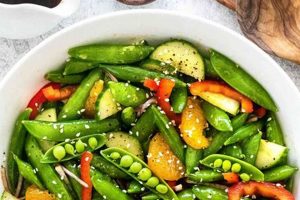
A simple summer dish featuring sliced tomatoes, fresh basil leaves, and a light dressing typically composed of olive oil, vinegar, and seasonings. Variations can include other ingredients such as mozzarella cheese, onions, or balsamic glaze. This type of salad highlights the fresh, vibrant flavors of peak-season produce.
Highlighting ripe, seasonal ingredients, this salad provides essential vitamins and antioxidants. The simplicity of preparation contributes to its appeal, allowing the natural flavors to shine. Its versatility allows for adaptation based on personal preference and ingredient availability, serving as a refreshing side dish or a light lunch. Historically, variations of tomato salads have existed in numerous cultures, showcasing the enduring popularity of this combination.
Further exploration will cover optimal tomato varieties, basil types and their flavor profiles, dressing variations, and complementary pairings with other dishes. Detailed instructions and tips for achieving the perfect balance of flavors and textures will also be provided.
Tips for a Superior Tomato and Basil Salad
Achieving optimal flavor and texture requires attention to detail. These tips will elevate a simple tomato and basil salad from satisfactory to exceptional.
Tip 1: Tomato Selection is Key: Opt for ripe, in-season tomatoes. Heirloom varieties offer a diverse range of flavors and colors. Avoid overly ripe or bruised tomatoes.
Tip 2: Basil Handling: Gently tear basil leaves instead of chopping to prevent bruising and preserve flavor. Add basil just before serving to maintain its vibrant color and aroma.
Tip 3: Dressing Matters: High-quality olive oil and vinegar are essential. A simple vinaigrette is often best, allowing the tomato and basil flavors to take center stage. Experiment with different vinegar types like balsamic, red wine, or apple cider vinegar.
Tip 4: Seasoning with Care: Freshly cracked black pepper and sea salt enhance the natural sweetness of the tomatoes. Avoid over-salting, as it can mask delicate flavors.
Tip 5: Ingredient Timing: Dress the salad shortly before serving to prevent the tomatoes from becoming soggy. This preserves texture and prevents the basil from wilting.
Tip 6: Enhancements: Consider additions such as fresh mozzarella, thinly sliced red onion, or a sprinkle of balsamic glaze. These additions can complement the core flavors without overpowering them.
Tip 7: Serving Temperature: Serve the salad slightly chilled, not ice cold. This allows the full spectrum of flavors to develop.
By following these guidelines, one can consistently create a refreshing and flavorful tomato and basil salad that showcases the peak of summer’s bounty.
These techniques contribute to a vibrant, flavorful, and aesthetically pleasing salad, making it a delightful addition to any meal.
1. Ripe Tomatoes
Ripe tomatoes are fundamental to a successful tomato and basil salad. Tomato selection significantly influences the overall flavor, texture, and visual appeal of the dish. The ripeness of the tomatoes dictates the balance of sweetness, acidity, and juiciness, impacting the final result.
- Flavor Profile:
Ripe tomatoes possess a complex flavor profile characterized by a balance of sweetness and acidity. Underripe tomatoes lack sweetness and can taste tart, while overripe tomatoes can be overly sweet and mushy. The ideal ripe tomato offers a harmonious blend of these flavors, enhancing the overall taste of the salad.
- Texture and Juiciness:
Ripeness affects the texture and juiciness of tomatoes. Ripe tomatoes have a firm yet yielding texture, with ample juice that contributes to the salad’s moisture and flavor. Underripe tomatoes are often hard and lack juiciness, while overripe tomatoes can be mealy and excessively juicy, leading to a soggy salad.
- Visual Appeal:
The vibrant color of ripe tomatoes enhances the visual appeal of the salad. Deep red or multicolored heirloom tomatoes contribute to an aesthetically pleasing dish, stimulating appetite and adding to the overall dining experience. The visual appeal is an important aspect of any culinary creation, and ripe tomatoes play a significant role in this regard.
- Variety Selection:
Different tomato varieties offer unique flavor profiles and textures. Heirloom tomatoes, known for their diverse colors and flavors, can add complexity to the salad. Cherry tomatoes provide bursts of sweetness, while larger beefsteak tomatoes offer a more robust flavor. Choosing the right variety contributes significantly to the overall success of the dish.
The careful selection of ripe tomatoes is crucial for achieving a well-balanced and flavorful tomato and basil salad. The interplay of flavor, texture, visual appeal, and variety selection contributes to a delightful culinary experience, showcasing the versatility and simplicity of this classic summer dish.
2. Fresh Basil
Fresh basil constitutes an essential component of a tomato and basil salad, contributing significantly to the overall flavor profile, aroma, and visual appeal. The aromatic oils present in fresh basil leaves provide a distinctive peppery, slightly sweet flavor that complements the acidity and sweetness of ripe tomatoes. This synergistic relationship creates a balanced and refreshing taste experience. Using dried basil or a basil substitute fails to replicate this nuanced flavor profile, diminishing the overall quality of the salad. For example, a Genovese basil’s anise notes contrast beautifully with the sweetness of heirloom tomatoes, while a Thai basil’s licorice notes enhance the flavor profile of a tomato salad with a spicy dressing.
Beyond flavor, fresh basil contributes a vibrant green color and pleasing aroma to the salad. The visual contrast between the red tomatoes and green basil enhances the dish’s aesthetic appeal, making it more enticing. The fragrant oils released when basil leaves are torn or gently bruised further enhance the sensory experience. These olfactory cues stimulate appetite and contribute to the overall enjoyment of the meal. Practical applications include selecting basil varieties based on their flavor profiles, ensuring proper storage to maintain freshness, and adding the basil just before serving to maximize its impact.
In summary, the inclusion of fresh basil elevates the tomato and basil salad from a simple dish to a culinary experience. Its distinctive flavor, aroma, and visual appeal create a synergistic effect with the other ingredients. Understanding the importance of fresh basil and its impact on the final product allows for informed decisions regarding ingredient selection, preparation, and overall culinary execution, ultimately enhancing the quality and enjoyment of the dish. Overlooking this crucial component compromises the intended flavor profile and diminishes the sensory experience.
3. Balanced Vinaigrette

A balanced vinaigrette is crucial for a successful tomato and basil salad. It provides the necessary acidity to cut through the richness of the tomatoes and complements the peppery notes of the basil. An overly acidic or overly oily dressing can mask the delicate flavors of the core ingredients, while a well-balanced vinaigrette enhances them, creating a harmonious flavor profile.
- Acidity Level
The acidity of the vinaigrette plays a key role in balancing the sweetness of the tomatoes. Vinegars such as red wine vinegar, white wine vinegar, balsamic vinegar, or apple cider vinegar offer varying levels of acidity and unique flavor profiles. The correct acidity level brightens the salad without overpowering the other flavors. For instance, a balsamic vinaigrette with its subtle sweetness pairs well with ripe heirloom tomatoes, while a brighter red wine vinaigrette complements the sweetness of cherry tomatoes.
- Oil Selection
The type of oil used significantly impacts the vinaigrette’s flavor and texture. Extra virgin olive oil is a popular choice, offering a fruity and peppery flavor that complements both tomatoes and basil. Other options, such as avocado oil or grapeseed oil, provide a more neutral flavor profile, allowing the other ingredients to shine. The quality of the oil is as important as the type, as it directly affects the overall taste of the vinaigrette. For example, a robust extra virgin olive oil can enhance the peppery notes of the basil, while a lighter olive oil allows the sweetness of the tomatoes to take center stage.
- Emulsification
A stable emulsion, where the oil and vinegar are properly combined, is essential for a smooth and evenly distributed dressing. Proper emulsification prevents the oil and vinegar from separating, ensuring that each bite of salad is coated with a balanced mixture. Techniques like whisking or using a blender help create a stable emulsion, resulting in a more cohesive and flavorful dressing.
- Seasoning
Careful seasoning further enhances the balance of the vinaigrette. Sea salt and freshly cracked black pepper are standard additions, enhancing the other flavors without overpowering them. Additional seasonings, such as Dijon mustard, garlic, or herbs, can add complexity, but should be used sparingly to avoid masking the delicate flavors of the tomatoes and basil. A pinch of sugar can also help balance the acidity of the vinegar, creating a more rounded flavor profile. For instance, a touch of Dijon mustard in a red wine vinaigrette can add a subtle tanginess that complements the basil’s peppery notes.
The careful consideration of these elements ensures that the vinaigrette not only complements but enhances the inherent flavors of the tomatoes and basil, resulting in a balanced and refreshing salad. A well-executed vinaigrette elevates the dish from a simple combination of ingredients to a harmonious culinary experience.
4. Minimalist Seasoning
Minimalist seasoning plays a crucial role in a tomato and basil salad recipe. The inherent sweetness of ripe tomatoes and the peppery, slightly anise-flavored basil require a delicate approach to seasoning. Over-seasoning can easily mask these subtle, fresh flavors, diminishing the overall quality of the salad. The goal is to enhance, not overpower, the natural flavors of the primary ingredients. Salt, specifically sea salt or kosher salt, is typically the primary seasoning agent. Its role is to amplify the existing sweetness of the tomatoes and create a balanced flavor profile. Freshly cracked black pepper adds a subtle layer of complexity and enhances the peppery notes of the basil.
A common mistake is to add excessive salt or incorporate complex spice blends. This often results in a salad that tastes predominantly of salt or spices rather than the fresh, vibrant flavors of tomato and basil. For instance, adding garlic powder or onion powder, while seemingly complementary, can overpower the delicate basil notes. Similarly, pre-mixed Italian seasoning blends, while convenient, can introduce conflicting flavors that detract from the salad’s intended simplicity. A practical application of minimalist seasoning is to taste the tomatoes and basil individually before seasoning the salad. This provides a baseline understanding of their inherent flavors and guides seasoning choices. Starting with a small amount of salt and pepper and gradually adding more, tasting as adjustments are made, ensures the seasoning remains balanced and complementary.
Effective minimalist seasoning elevates the natural flavors of the tomatoes and basil without introducing competing or distracting elements. This approach allows the inherent freshness and quality of the ingredients to shine, resulting in a balanced and refreshing culinary experience. Understanding the impact of seasoning choices on the final product allows for informed decision-making, enhancing the overall quality and enjoyment of the tomato and basil salad. Appropriate seasoning choices contribute directly to the dish’s success, demonstrating a sophisticated understanding of flavor balance and ingredient synergy.
5. Proper Timing

Proper timing is essential for maximizing the flavor and textural integrity of a tomato and basil salad. This encompasses not only when to harvest and use ingredients but also when to combine and serve the salad. Careful attention to timing ensures that the salad is served at its peak, with vibrant flavors and optimal textures.
- Ingredient Ripeness
Peak ripeness is paramount for both tomatoes and basil. Tomatoes should be harvested or purchased at their peak ripeness, exhibiting vibrant color and a slight give when gently squeezed. Basil should be harvested before flowering, when the leaves are most flavorful. Utilizing ingredients at their peak ensures optimal flavor and aroma.
- Basil Incorporation
Basil is delicate and prone to wilting and oxidation, which can negatively impact both its flavor and appearance. Therefore, basil should be added to the salad just before serving. This preserves its vibrant green color and maximizes its aromatic contribution to the dish.
- Dressing Application
The timing of dressing application is crucial for maintaining the salad’s texture. Tomatoes, especially ripe ones, have a high water content. Adding dressing too far in advance can cause the tomatoes to release excess moisture, resulting in a soggy salad. Dressing the salad shortly before serving preserves the tomatoes’ texture and prevents the basil from wilting.
- Serving Time
Tomato and basil salad is best served immediately after preparation. This ensures that the flavors are at their brightest and the textures are at their peak. Allowing the salad to sit for extended periods, even after dressing, can lead to flavor degradation and textural changes. Consume the salad promptly after preparation to fully appreciate the fresh, vibrant flavors and textures.
Adhering to these timing guidelines ensures a tomato and basil salad that showcases the peak of flavor and texture. Each step, from ingredient selection to serving time, contributes to the final product. Proper timing maximizes the inherent qualities of the ingredients, resulting in a truly exceptional culinary experience. Neglecting these timing considerations can compromise the quality of the dish, diminishing its overall appeal.
Frequently Asked Questions
This section addresses common inquiries regarding the preparation and enjoyment of tomato and basil salads.
Question 1: Can other herbs be substituted for basil?
While basil is traditional, other herbs like oregano, mint, or tarragon can offer interesting flavor variations. However, these substitutions will alter the classic profile of the dish.
Question 2: How should tomatoes be stored for optimal flavor?
Tomatoes are best stored at room temperature, away from direct sunlight. Refrigeration can negatively impact their flavor and texture.
Question 3: What type of vinegar is best for the vinaigrette?
Various vinegars, including red wine, white wine, balsamic, and apple cider, can be used. Selection depends on personal preference and the desired flavor profile. Balsamic offers sweetness, while red wine vinegar provides a sharper tang.
Question 4: Can this salad be made ahead of time?
While the components can be prepared in advance, it’s recommended to combine and dress the salad just before serving to maintain optimal texture and prevent sogginess.
Question 5: How can one prevent the salad from becoming watery?
Salting the sliced tomatoes and allowing them to rest in a colander for a short period before assembling the salad can help draw out excess moisture. Additionally, dressing the salad immediately before serving minimizes the time tomatoes sit in the dressing.
Question 6: What are ideal pairings for a tomato and basil salad?
This salad pairs well with grilled meats, fish, pasta dishes, and crusty bread. Its refreshing qualities provide a counterpoint to richer dishes.
Careful consideration of these frequently asked questions ensures optimal preparation and enjoyment of a tomato and basil salad. Attention to detail regarding ingredient selection, storage, and preparation techniques results in a flavorful and aesthetically pleasing culinary experience.
The following section will delve into variations of the classic tomato and basil salad, exploring additional ingredients and flavor combinations.
Tomato Basil Salad Recipe
Exploration of the tomato basil salad recipe reveals the importance of ingredient quality, careful preparation, and precise timing. Optimal flavor and texture derive from ripe tomatoes, fresh basil, a balanced vinaigrette, minimalist seasoning, and timely assembly. These elements, when combined thoughtfully, elevate a simple combination of ingredients into a vibrant and refreshing dish. Emphasis on ingredient selection, proper handling techniques, and an understanding of flavor interactions ensures a consistently satisfying culinary experience.
The enduring appeal of the tomato basil salad lies in its simplicity and adaptability. While adherence to core principles ensures quality, variations in tomato varieties, basil types, vinaigrette compositions, and complementary additions offer opportunities for culinary exploration. Continued appreciation for fresh, seasonal ingredients and a commitment to thoughtful preparation will undoubtedly maintain this salad’s position as a culinary classic.