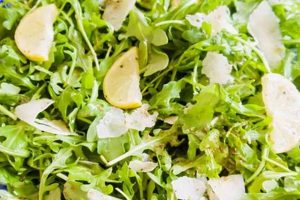
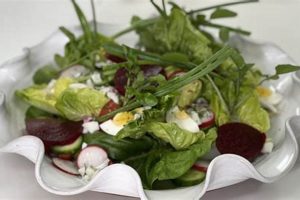
Simple salads featuring peppery arugula require minimal ingredients and preparation time. For instance, a basic version might combine fresh arugula with shaved Parmesan cheese, a squeeze of lemon, and a drizzle of olive oil. Variations can include additions such as cherry tomatoes, toasted pine nuts, or crumbled bacon.
Quick and flavorful, these salads offer a healthy and satisfying meal option. Arugula, a nutrient-rich leafy green, contributes vitamins A, C, and K, as well as folate and calcium. Furthermore, such salads can be adapted to suit various dietary needs and preferences, using different vegetables, proteins, cheeses, nuts, and dressings. From simple weeknight meals to elegant accompaniments for more elaborate dinners, these dishes have long held a place in culinary traditions worldwide.
This article will explore a range of readily accessible recipes, covering diverse flavor profiles and ingredient combinations to inspire both novice and experienced cooks.
Tips for Preparing Simple Arugula Salads
Achieving optimal flavor and texture with minimal effort requires attention to key preparation details. The following tips offer guidance for creating exceptional arugula salads.
Tip 1: Select Fresh, Vibrant Arugula: Look for deep green leaves without signs of wilting or discoloration. Proper storage in a refrigerator crisper drawer, loosely wrapped in a damp paper towel, maintains freshness.
Tip 2: Wash and Dry Thoroughly: Gentle rinsing removes soil and debris. Thorough drying, preferably with a salad spinner, prevents a soggy salad and ensures the dressing adheres properly.
Tip 3: Dress Lightly: Arugula’s peppery flavor can be easily overwhelmed. A light hand with dressing, whether a simple vinaigrette or a creamy dressing, allows the natural taste to shine.
Tip 4: Add Ingredients Strategically: Consider the texture and flavor of each addition. Toasted nuts provide crunch, while dried cranberries offer sweetness. Strong cheeses, like Parmesan or blue cheese, pair well with arugula’s bite.
Tip 5: Balance Flavors: Combine contrasting flavors and textures to create a well-rounded salad. The bitterness of arugula can be balanced with sweet elements, such as fruits or balsamic glaze, and creamy or crunchy components.
Tip 6: Season Appropriately: Simple seasonings, like salt and freshly cracked black pepper, enhance the overall flavor profile. Experiment with other spices, such as red pepper flakes or garlic powder, for added complexity.
Tip 7: Serve Immediately: Arugula salads are best enjoyed fresh. Dress the salad just before serving to prevent the leaves from wilting.
By following these guidelines, one can consistently create delicious and satisfying arugula salads that showcase the versatility and flavor of this nutritious green.
These simple yet effective tips pave the way for a diverse array of culinary creations, allowing for endless experimentation and personalization within the realm of arugula salad preparation.
1. Fresh, High-Quality Arugula
The foundation of any successful arugula salad lies in the quality of the arugula itself. Fresh, high-quality arugula provides the optimal flavor and texture necessary for a simple yet satisfying dish. Selecting and handling arugula appropriately ensures the best possible outcome for these easy recipes.
- Visual Indicators of Freshness
Vibrant, deep green leaves, free from wilting or yellowing, signify fresh arugula. Avoid bunches with slimy or damaged leaves. Crisp, firm texture indicates optimal quality. Recognizing these visual cues ensures selection of the freshest ingredients for simple, flavorful salads.
- Aroma and Taste Profile
Fresh arugula possesses a distinctive peppery, slightly bitter aroma. A clean, pungent taste, not overly bitter or sour, characterizes high-quality leaves. Deviations from this profile may indicate age or improper storage, compromising the final dish.
- Proper Storage Techniques
Storing arugula correctly maintains freshness and extends shelf life. Refrigeration in a loosely sealed bag or container with a damp paper towel helps preserve moisture and prevents wilting. Avoiding excessive moisture or airtight containers minimizes spoilage and maintains the arugula’s optimal texture.
- Impact on Recipe Simplicity
Starting with fresh, high-quality arugula simplifies the recipe process. Minimal handling and preparation are required, focusing primarily on combining the arugula with complementary ingredients and a light dressing. The inherent flavor of fresh arugula shines through, requiring fewer additions to achieve a delicious outcome.
Prioritizing fresh, high-quality arugula ensures that easy arugula salad recipes remain simple, flavorful, and satisfying. The inherent qualities of the arugula contribute significantly to the overall culinary experience, minimizing the need for complex preparations or elaborate ingredients.
2. Complementary Ingredients
Complementary ingredients elevate simple arugula salad recipes from basic to nuanced and flavorful. Careful selection of these additions enhances arugula’s peppery bite and creates textural complexity. Ingredient pairings depend on desired flavor profiles, ranging from sweet and savory to tangy and rich. Consider the interplay between ingredients and their impact on the overall composition of the salad.
Tomatoes, a classic pairing, offer sweetness and juiciness, contrasting with arugula’s peppery notes. Cherry tomatoes provide bursts of bright flavor, while sun-dried tomatoes offer a deeper, more intense sweetness. Cheese, such as Parmesan or goat cheese, introduce salty, creamy, or tangy elements. Toasted nuts, like pine nuts, walnuts, or pecans, add crunch and richness. Dried cranberries or other dried fruits introduce sweetness and chewiness. Proteins, like grilled chicken or shrimp, transform the salad into a complete meal.
Practical application requires thoughtful consideration of balance. Too many strong flavors can overwhelm the delicate arugula. Emphasis should remain on simplicity and freshness. A well-composed arugula salad highlights the interplay of flavors and textures, creating a harmonious and satisfying culinary experience. Understanding the role of complementary ingredients allows for informed choices that elevate these seemingly simple salads to new heights.
3. Balanced Flavor Profiles

Balanced flavor profiles are crucial for creating delicious and easy arugula salad recipes. The inherent peppery, slightly bitter taste of arugula provides a foundation that requires careful consideration of complementary flavors. A well-balanced salad avoids overwhelming the arugula’s unique character while enhancing its inherent qualities through strategic ingredient pairings.
- Balancing Bitterness
The bitterness of arugula benefits from the inclusion of sweet or acidic elements. Sweet ingredients, such as dried cranberries, roasted beets, or a drizzle of honey, directly counteract bitterness. Acidity, from ingredients like lemon juice, balsamic vinegar, or citrus segments, provides a contrasting tang that complements the peppery notes.
- Incorporating Saltiness and Richness
Salty and rich elements provide depth and complexity to arugula salads. Cheese, such as Parmesan, feta, or goat cheese, contributes saltiness and varying levels of richness and tang. Nuts, like toasted pine nuts, walnuts, or almonds, offer richness and textural contrast. These additions balance the peppery and sometimes sharp notes of the arugula.
- Textural Considerations
Texture plays a significant role in achieving balanced flavor profiles. Crunchy elements, like toasted nuts, croutons, or thinly sliced vegetables, contrast with the soft texture of the arugula. Creamy components, from cheese or avocado, add a smooth counterpoint. These textural variations create a more engaging and satisfying sensory experience.
- Simplicity and Freshness
While flavor balance is essential, simplicity remains key in easy arugula salad recipes. Overly complex combinations can detract from the fresh, vibrant nature of the dish. A few well-chosen, high-quality ingredients, combined with a light and flavorful dressing, typically achieve the most satisfying and balanced results.
Successfully balancing these flavor and texture components results in easy arugula salad recipes that are both simple to prepare and complex in flavor. The interplay of contrasting elements enhances the arugula’s inherent qualities, creating a harmonious and enjoyable culinary experience.
4. Simple, Light Dressings

Simple, light dressings play a crucial role in easy arugula salad recipes. Arugula possesses a distinctive peppery, sometimes bitter, flavor that can be easily overpowered by heavy or overly complex dressings. Light dressings allow the arugula’s natural taste to shine through, complementing rather than masking its inherent qualities. This approach aligns with the concept of easy recipes, emphasizing minimal preparation and reliance on fresh, high-quality ingredients.
A classic example is a simple lemon vinaigrette. A combination of fresh lemon juice, extra virgin olive oil, salt, and pepper provides a bright, acidic counterpoint to arugula’s peppery notes. The acidity of the lemon cuts through the bitterness, while the olive oil adds a touch of richness without being heavy. Another suitable option is a balsamic vinaigrette, offering a subtle sweetness and tang. Even a simple drizzle of high-quality olive oil and a sprinkle of sea salt can effectively enhance the flavor of arugula while maintaining the salad’s lightness and simplicity.
Understanding the importance of simple, light dressings enables cooks to create easy arugula salads that are both flavorful and healthy. Heavy dressings often contain excessive amounts of fat, sugar, and sodium. Light dressings, particularly those made with fresh ingredients, offer a healthier alternative without sacrificing flavor. This knowledge contributes to creating balanced, nutritious meals that require minimal preparation, aligning perfectly with the objectives of easy arugula salad recipes.
5. Quick Preparation Methods

Quick preparation methods are integral to the concept of easy arugula salad recipes. Minimal cooking and processing times contribute significantly to the convenience and appeal of these dishes. Efficiency in preparation allows for quick assembly, making arugula salads a practical choice for time-constrained individuals. An examination of key facets reveals the connection between rapid preparation and the ease of creating these salads.
- Minimal Pre-cooking Requirements
Arugula salads rarely necessitate extensive pre-cooking. Ingredients often require only washing, chopping, or quick toasting. This minimal pre-cooking contributes to the overall speed and simplicity of the recipe. For example, cherry tomatoes can be halved, and nuts toasted in a dry pan in a matter of minutes.
- Simplified Dressing Preparation
Dressings for arugula salads are often as simple as whisking together a few readily available pantry staples. Olive oil, lemon juice, vinegar, salt, and pepper are common components of quick and flavorful dressings. Pre-made dressings offer further convenience, though homemade versions often provide fresher, brighter flavors.
- Fast Assembly and Serving
Once ingredients are prepared, assembling an arugula salad takes mere moments. Combining washed and dried arugula with other components and dressing just before serving ensures optimal freshness and texture. This rapid assembly makes arugula salads an ideal choice for impromptu meals or quick side dishes.
- Adaptability to Pre-prepared Ingredients
The simplicity of arugula salads lends itself well to the use of pre-prepared ingredients. Pre-washed arugula, pre-cut vegetables, and pre-cooked proteins further streamline the preparation process. Utilizing such ingredients maximizes efficiency without sacrificing flavor or nutritional value.
The convergence of these elementsminimal pre-cooking, simple dressings, quick assembly, and adaptability to pre-prepared ingredientsunderscores the efficiency inherent in easy arugula salad recipes. This inherent speed and simplicity make these salads an attractive option for individuals seeking nutritious, flavorful meals without extensive time investment in the kitchen.
6. Versatile Serving Options

Versatile serving options significantly enhance the practicality and appeal of easy arugula salad recipes. This adaptability stems from the salad’s inherent simplicity and its ability to complement a wide range of dishes and culinary contexts. A clear understanding of these diverse applications expands the utility of arugula salads within meal planning and various dining scenarios.
Arugula salads function effectively as standalone light lunches or dinners. Their inherent nutritional value, combined with the potential for incorporating protein elements like grilled chicken, fish, or tofu, creates satisfying and complete meals. Alternatively, they serve as versatile side dishes, complementing heartier main courses such as grilled meats, roasted vegetables, or pasta dishes. The peppery bite of arugula provides a refreshing counterpoint to richer flavors. Furthermore, arugula can serve as a base for more complex salads, incorporating a broader range of ingredients and textures. Adding roasted vegetables, grains, or cheeses elevates the salad from a simple side to a more substantial offering. Consider, for example, an arugula salad with roasted butternut squash, crumbled goat cheese, and toasted pecans, which transforms the dish into a robust and flavorful meal.
The adaptability of arugula salads extends beyond specific meal categories. They are equally suitable for casual weeknight dinners, festive holiday gatherings, or elegant dinner parties. This versatility stems from the ease of customization and the ability to scale recipes up or down based on serving needs. Moreover, arugula salads often require minimal advance preparation, allowing for flexibility in timing and serving. This adaptability simplifies meal planning and reduces culinary stress, particularly in time-sensitive situations. Recognizing the inherent versatility of easy arugula salad recipes maximizes their utility in diverse culinary settings, contributing to a more adaptable and enjoyable dining experience.
Frequently Asked Questions
This section addresses common inquiries regarding the preparation and enjoyment of easy arugula salad recipes. Clarification on these points aims to facilitate successful culinary experiences.
Question 1: How can one mitigate the bitterness sometimes associated with arugula?
Balancing the peppery, sometimes bitter, taste of arugula can be achieved through the incorporation of sweet and acidic elements. Ingredients such as dried cranberries, roasted beets, or a drizzle of honey offer sweetness. Lemon juice, balsamic vinegar, or citrus segments provide contrasting acidity.
Question 2: What are suitable protein additions for a more substantial arugula salad?
Grilled chicken, fish, shrimp, or tofu are excellent protein additions. These options complement arugula’s flavor profile and contribute to a more complete and satisfying meal.
Question 3: Can pre-washed arugula be used in these recipes?
Pre-washed arugula is acceptable, further simplifying the preparation process. Ensure thorough drying to prevent a soggy salad and allow the dressing to adhere properly.
Question 4: Beyond olive oil, what other oils are suitable for arugula salad dressings?
Avocado oil offers a neutral flavor and high smoke point, while walnut oil contributes a subtle nutty taste. Grapeseed oil provides a light, clean flavor that won’t overpower the arugula.
Question 5: How long can prepared arugula salad be stored?
Arugula salad is best consumed immediately after preparation. Storage, even for short periods, can lead to wilting and a less desirable texture. If storage is necessary, dress the salad just before serving to maximize freshness.
Question 6: Are there specific types of arugula better suited for salads?
Both “wild” arugula (sylvetta arugula) and “cultivated” arugula (eruca sativa) are suitable for salads. Wild arugula offers a more intense, peppery flavor, while cultivated arugula has a milder taste. The choice depends on individual preference.
Addressing these frequently asked questions provides further clarity and guidance for preparing and enjoying flavorful, easy arugula salads. The simplicity and adaptability of these recipes encourage culinary exploration and customization based on individual preferences and dietary needs.
This concludes the FAQ section. Readers are encouraged to explore the subsequent sections for further culinary inspiration and practical advice related to easy arugula salad preparation.
Easy Arugula Salad Recipes
Exploration of easy arugula salad recipes reveals accessible pathways to nutritious and flavorful meals. Emphasis on fresh, high-quality arugula, complemented by strategically chosen ingredients and light dressings, underscores the simplicity and adaptability of these dishes. Quick preparation methods and versatile serving options further enhance their appeal for time-constrained individuals and diverse culinary contexts. Understanding flavor balance, textural considerations, and proper storage techniques contributes to consistently successful outcomes.
Culinary experimentation within this framework offers opportunities for personalized flavor experiences. The inherent adaptability of arugula as a base ingredient allows for a wide range of creative expressions, ensuring continued enjoyment and exploration of this versatile leafy green.