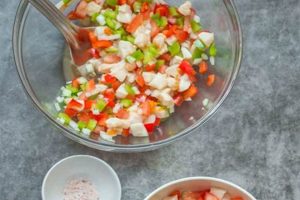
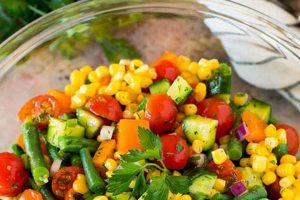
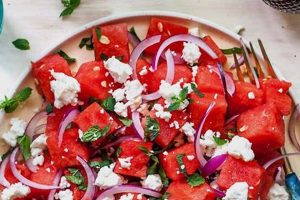
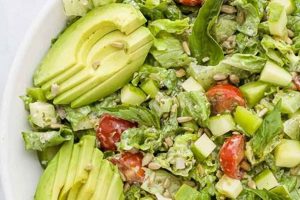
Dishes featuring cooked quinoa, combined with crumbled feta cheese and other complementary ingredients, offer a nutritious and flavorful meal option. These versatile combinations can incorporate a wide variety of vegetables, herbs, and dressings, ranging from simple lemon vinaigrette to more complex, globally-inspired flavors. For instance, a Mediterranean-style version might include chopped cucumbers, tomatoes, red onion, Kalamata olives, and fresh parsley, dressed with a lemon-herb vinaigrette.
Such culinary creations are valued for their nutritional density and balanced flavor profiles. Quinoa provides a complete protein source, rich in essential amino acids, while feta contributes calcium and a salty, tangy element. The inclusion of fresh vegetables adds vitamins, minerals, and fiber. Historically, quinoa has been a staple food in the Andean region for centuries, while feta cheese has its roots in ancient Greece. The modern combination of these ingredients reflects the increasing globalization of culinary traditions and the growing appreciation for healthy, flavorful cuisine.
Further exploration of this topic will cover variations in ingredient combinations, preparation methods, and nutritional information, offering a complete guide to creating and enjoying these versatile and wholesome meals.
Tips for Preparing Quinoa Salad with Feta
Optimizing ingredient selection and preparation techniques enhances the flavor and texture of these versatile salads.
Tip 1: Rinse the quinoa. Rinsing removes the naturally occurring bitter coating (saponins) for a more palatable final product.
Tip 2: Toast the quinoa. Briefly toasting the grains in a dry pan before cooking adds a nutty depth of flavor.
Tip 3: Cook quinoa properly. Use a 2:1 ratio of water to quinoa for light and fluffy results. Avoid overcooking, which can make the quinoa mushy.
Tip 4: Use high-quality feta. Opt for feta packed in brine for optimal flavor and texture. Crumble the feta rather than slicing for better distribution throughout the salad.
Tip 5: Incorporate diverse vegetables. A variety of textures and flavors elevates the salad. Consider roasted vegetables like bell peppers or zucchini for added depth.
Tip 6: Dress thoughtfully. A simple lemon vinaigrette complements the flavors of quinoa and feta. Experiment with herbs, spices, and other acidic elements like red wine vinegar.
Tip 7: Balance flavors. Consider the interplay of salty (feta), acidic (dressing), and sweet (vegetables like roasted sweet potatoes or dried cranberries) elements for a well-rounded flavor profile.
Tip 8: Chill before serving. Allowing the salad to chill for at least 30 minutes allows the flavors to meld and enhances the overall dining experience.
By following these guidelines, one can create flavorful and satisfying dishes that showcase the versatility of quinoa and feta as key ingredients.
This thorough exploration of preparation techniques leads naturally to concluding remarks regarding the overall appeal and adaptability of these salads within various dietary preferences and culinary traditions.
1. Ingredient Quality

Ingredient quality significantly impacts the overall success of quinoa salad with feta recipes. The inherent flavors and textures of individual components contribute directly to the final dish’s sensory experience. For example, using fresh, high-quality feta, preferably stored in brine, delivers a creamy texture and a distinctive salty tang. Conversely, dry or lower-quality feta can result in a crumbly, less flavorful outcome. Similarly, opting for rinsed and properly cooked quinoa ensures a light, fluffy texture and a mild, nutty flavor, contrasting with the potential bitterness or mushiness resulting from inadequate preparation or lower-quality grains. The freshness and quality of produce, such as vibrant vegetables and fragrant herbs, also play a crucial role, adding depth and complexity to the overall flavor profile.
Selecting ripe, flavorful tomatoes, crisp cucumbers, and vibrant herbs elevates the salad beyond a simple combination of ingredients to a nuanced culinary experience. Furthermore, using high-quality olive oil for the vinaigrette contributes a subtle fruitiness and richness that complements the other flavors. The interplay of these individual components, each selected for its optimal quality, creates a synergistic effect, where the whole becomes greater than the sum of its parts. Conversely, compromising on ingredient quality can lead to a less satisfying dish, lacking the vibrancy and balance achievable with superior components.
Ultimately, prioritizing ingredient quality ensures a superior culinary experience. This attention to detail elevates the simple combination of quinoa, feta, and other components into a cohesive and satisfying dish that showcases the individual flavors and textures while creating a balanced and harmonious whole. Investing in high-quality ingredients is an investment in the overall dining experience.
2. Flavor Balance

Flavor balance is paramount in successful quinoa salad with feta recipes. The inherent saltiness of feta cheese necessitates careful consideration of other ingredients and the dressing to achieve a harmonious flavor profile. The goal is not to mask the feta’s flavor, but to complement and enhance it through contrasting and complementary tastes. Acidity plays a crucial role; a bright vinaigrette, often lemon-based, cuts through the richness of the cheese and adds a refreshing element. This acidic counterpoint prevents the saltiness from becoming overwhelming. Sweetness, often introduced through dried fruits like cranberries or roasted vegetables like sweet potatoes, adds another layer of complexity and further balances the salty and acidic components. Herbs and spices provide aromatic depth and can enhance the overall flavor profile, with options ranging from the Mediterranean notes of oregano and mint to the bolder flavors of cumin and coriander. A well-balanced salad offers a complex interplay of salty, acidic, sweet, and savory notes, creating a dynamic and satisfying sensory experience. For instance, a salad with feta, roasted sweet potatoes, dried cranberries, and a lemon-herb vinaigrette exemplifies this balance.
Achieving flavor balance requires an understanding of the interplay between different taste profiles. The inherent bitterness of some vegetables, like kale or radicchio, can be offset by the sweetness of dried fruit or the creaminess of avocado. Textural contrast also contributes to a more engaging culinary experience; crunchy elements like toasted nuts or seeds offer a counterpoint to the soft quinoa and creamy feta. This textural diversity prevents the salad from becoming monotonous and adds another dimension to the overall enjoyment. Practical application of these principles involves tasting and adjusting throughout the preparation process. Incremental additions of acid, sweetness, or herbs allow for fine-tuning the balance until the desired flavor profile is achieved. Overly salty salads can often be remedied with a touch more acid or sweetness, while bland salads may benefit from a bolder dressing or the addition of more flavorful herbs and spices. The ability to recognize and adjust flavor imbalances is crucial for consistent culinary success.
In conclusion, flavor balance is a fundamental element in successful quinoa salad with feta recipes. It involves a thoughtful selection of ingredients and a keen understanding of how different flavors interact. The interplay of salty, acidic, sweet, and savory elements, combined with textural variety, creates a dynamic and enjoyable culinary experience. Practical application of these principles allows for consistent creation of flavorful and balanced salads, demonstrating a mastery of culinary technique and an appreciation for the nuances of flavor.
3. Textural Contrast

Textural contrast significantly elevates quinoa salad with feta recipes from simple to sophisticated. The inherent textures of quinoa and fetalight and fluffy, and creamy, respectivelybenefit from the incorporation of contrasting elements. This interplay of textures creates a more dynamic and engaging sensory experience. Consider the effect of adding toasted nuts or seeds: their crispness provides a stark contrast to the softer components, adding a satisfying crunch. Similarly, incorporating raw vegetables like chopped cucumber or bell pepper introduces a refreshing crispness, further enhancing the textural diversity. Roasted vegetables, on the other hand, offer a slightly softer, yet still distinct, textural element. The caramelization process concentrates their flavors and often results in slightly crisp edges, adding another layer of complexity.
The practical significance of understanding textural contrast lies in the ability to create a more balanced and satisfying dish. A salad composed solely of soft ingredients can feel monotonous, lacking the dynamism that contrasting textures provide. Imagine a salad with quinoa, feta, and avocadowhile flavorful, the overall texture might be perceived as heavy and homogenous. Introducing toasted pine nuts or chopped red onion immediately transforms the dish, adding a welcome crispness that balances the softer elements. Furthermore, the interplay of textures can enhance the perception of flavors. The crunch of a toasted nut, followed by the creamy feta and fluffy quinoa, creates a more complex and enjoyable tasting experience. This dynamic interplay of textures stimulates the palate and keeps each bite interesting.
In conclusion, textural contrast plays a crucial role in optimizing quinoa salad with feta recipes. The deliberate incorporation of contrasting elements, such as toasted nuts, raw vegetables, or roasted vegetables, elevates the sensory experience and creates a more balanced and satisfying dish. Understanding and applying these principles allows for a deeper appreciation of the nuances of texture and its impact on overall culinary enjoyment. This attention to textural detail transforms a simple salad into a sophisticated culinary creation.
4. Preparation Methods

Preparation methods significantly influence the final outcome of quinoa salad with feta recipes. Careful consideration of each step, from rinsing the quinoa to combining the ingredients, ensures optimal flavor, texture, and overall quality. Rinsing the quinoa removes the naturally occurring bitter saponins, crucial for palatability. Proper cooking techniques, involving a specific water-to-quinoa ratio and controlled cooking time, result in light and fluffy grains, avoiding a mushy texture. Similarly, the handling of feta cheese contributes to the final dish. Crumbling the feta, rather than slicing, ensures even distribution and optimal integration with other ingredients. The order of ingredient addition also plays a role; delicate herbs, for example, are often added just before serving to prevent wilting and preserve their fresh flavor. Consider the difference between adding a lemon vinaigrette to hot versus cold quinoa; the former may lead to a slightly bitter taste, while the latter preserves the brightness of the lemon.
Specific examples illustrate the practical impact of these methods. Toasting quinoa before cooking enhances its nutty flavor, adding depth to the overall profile. Roasting vegetables, such as bell peppers or zucchini, concentrates their sweetness and creates appealing caramelization. Conversely, neglecting proper preparation can result in undesirable outcomes. Overcooked quinoa becomes mushy, while prematurely adding dressing can lead to soggy ingredients and a less appealing presentation. Understanding these nuances empowers culinary control, facilitating consistent creation of high-quality dishes. These choices extend beyond basic functionality; they become tools for flavor manipulation and textural enhancement, allowing for personalized adaptations and creative variations.
In conclusion, preparation methods are integral to successful quinoa salad with feta recipes. Mastery of these techniques extends beyond basic culinary skills; it enables a deeper understanding of the interplay between ingredients and processes, resulting in a more nuanced and enjoyable culinary experience. Careful execution of each step, from rinsing the quinoa to incorporating the final touches, ensures a harmonious blend of flavors and textures, elevating the dish from a simple combination of ingredients to a carefully orchestrated culinary creation.
5. Nutritional Value
Nutritional value represents a significant aspect of dishes featuring quinoa, feta, and complementary ingredients. Quinoa, a complete protein source containing all nine essential amino acids, contributes significantly to the overall protein content. This characteristic makes these salads particularly appealing to vegetarians and vegans seeking plant-based protein options. Furthermore, quinoa offers a good source of dietary fiber, promoting digestive health and contributing to satiety. Feta cheese, while calorie-dense, provides calcium and contributes to the overall flavor profile. The inclusion of diverse vegetables further enhances the nutritional density, providing essential vitamins, minerals, and antioxidants. For example, a salad incorporating leafy greens like spinach or kale increases the vitamin K and folate content, while the addition of bell peppers contributes vitamin C. The specific nutritional profile varies depending on the chosen ingredients and their proportions.
Understanding the nutritional composition of individual components allows for strategic ingredient selection to meet specific dietary needs. Individuals seeking to increase iron intake might include iron-rich vegetables like spinach or incorporate dried apricots. Those managing sodium intake can opt for lower-sodium feta varieties or adjust the overall quantity used. The versatility of these salads permits adjustments to align with various dietary goals, whether focused on increasing protein, fiber, or specific micronutrients. Furthermore, the nutritional benefits extend beyond individual components; the combination of protein, fiber, and healthy fats contributes to sustained energy levels and overall well-being. This synergistic effect makes such a salad a more nutritious and satisfying meal compared to options lacking these balanced nutritional components.
In summary, nutritional value constitutes a key element of quinoa salad with feta recipes. The inherent nutritional properties of quinoa, combined with the contributions of feta cheese and diverse vegetables, create a nutrient-rich meal option adaptable to various dietary needs. Understanding the nutritional composition of individual ingredients enables informed choices that maximize health benefits and align with individual dietary goals. This awareness transforms the dish from simply a culinary creation to a source of sustained nourishment and well-being.
6. Serving Suggestions

Serving suggestions enhance the versatility of quinoa salad with feta recipes, adapting them to various culinary contexts and maximizing their appeal. Consideration of presentation, accompaniments, and timing elevates these salads from simple side dishes to standalone meals or components of more complex menus.
- Meal Context
Quinoa salad with feta functions effectively as a light lunch, a refreshing dinner, or a substantial side dish. As a main course, larger portions and the inclusion of protein-rich additions, such as grilled chicken or chickpeas, enhance its satiety value. As a side, smaller portions complement grilled meats, fish, or other main courses. The adaptability of this salad allows for seamless integration into diverse meal structures.
- Complementary Dishes
Pairing quinoa salad with feta involves considering complementary flavors and textures. Grilled or roasted vegetables, such as asparagus or zucchini, provide a natural pairing, enhancing the Mediterranean character often present in these salads. Heartier dishes, such as roasted lamb or salmon, benefit from the salad’s lightness and contrasting flavors. Careful consideration of accompanying dishes ensures a balanced and harmonious meal.
- Presentation
Presentation elevates the dining experience. Serving the salad on a bed of fresh greens adds visual appeal and incorporates additional nutrients. Garnishing with fresh herbs, a sprinkle of toasted nuts, or a drizzle of high-quality olive oil enhances both visual and textural elements. Thoughtful presentation transforms a simple salad into a visually appealing culinary creation.
- Seasonal Adaptations
Adapting the salad to seasonal ingredients maximizes flavor and nutritional value. Spring variations might incorporate fresh peas and asparagus, while summer versions benefit from ripe tomatoes and cucumbers. Autumnal adaptations could include roasted butternut squash or dried cranberries. This flexibility ensures year-round enjoyment while showcasing seasonal produce.
By considering these serving suggestions, quinoa salad with feta recipes transition from basic preparations to versatile culinary components, adaptable to various occasions and palates. This adaptability underscores their value as a foundational element in a diverse and dynamic culinary repertoire.
Frequently Asked Questions
This section addresses common inquiries regarding quinoa salad with feta recipes, providing clear and concise information to facilitate successful preparation and enjoyment.
Question 1: Can quinoa be prepared in advance for these salads?
Yes, quinoa can be cooked ahead of time and stored refrigerated for up to 3 days. This allows for convenient salad assembly when desired. Allowing the cooked quinoa to cool completely before refrigeration prevents excess moisture and maintains its texture.
Question 2: What are suitable substitutes for feta cheese?
Goat cheese offers a comparable tangy flavor and creamy texture. Ricotta salata provides a firmer, saltier alternative. For vegan options, crumbled tofu marinated in a mixture of nutritional yeast, lemon juice, and garlic can mimic feta’s savory profile.
Question 3: How can excess moisture be avoided in the salad?
Ensuring the quinoa is well-drained after cooking and the vegetables are thoroughly dried prevents excess moisture. Adding the dressing just before serving also helps maintain the desired texture and prevents the salad from becoming soggy.
Question 4: What are effective methods for enhancing the flavor profile?
Toasted nuts or seeds, such as pine nuts, walnuts, or sunflower seeds, add a crunchy texture and nutty flavor. Dried fruits, like cranberries or apricots, introduce a touch of sweetness. Fresh herbs, such as mint, parsley, or dill, contribute brightness and aromatic complexity.
Question 5: Can these salads be adapted for specific dietary restrictions?
Yes, ingredient substitutions readily accommodate dietary needs. Gluten-free versions require ensuring all added ingredients, such as dressings or other grains, are also gluten-free. Vegan adaptations can utilize tofu as a feta substitute and ensure the dressing contains no animal products.
Question 6: How should leftover salad be stored?
Leftover salad should be stored in an airtight container in the refrigerator for up to 2 days. However, optimal flavor and texture are experienced when consumed within 24 hours of preparation.
Understanding these key points facilitates successful preparation and enjoyment of various quinoa salad with feta recipes. These insights address common concerns and empower culinary experimentation while ensuring optimal results.
This comprehensive FAQ section segues naturally into exploring specific recipe variations and their unique characteristics.
Conclusion
Exploration of quinoa salad with feta recipes reveals a versatile culinary foundation adaptable to diverse palates and dietary preferences. Emphasis on ingredient quality, flavor balance, textural contrast, and proper preparation methods ensures optimal culinary results. Nutritional value, derived from the complete protein in quinoa, combined with the calcium and healthy fats in feta, further enhances the appeal. Serving suggestions and adaptations for specific dietary restrictions expand the utility of these recipes. Addressing common inquiries through frequently asked questions empowers culinary experimentation and ensures consistent success.
Culinary exploration extends beyond mere sustenance; it delves into the art of combining flavors, textures, and nutritional elements to create harmonious and satisfying experiences. Quinoa salad with feta recipes represent a microcosm of this principle, offering a platform for creative expression and nutritional optimization. Continued exploration of culinary possibilities, informed by an understanding of fundamental principles, enriches not only individual meals but also the broader appreciation for the art of food preparation.