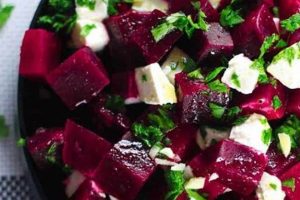
Salads featuring this vibrant cruciferous vegetable offer a spectrum of flavors and textures, from crisp and refreshing to tangy and sweet. These dishes often incorporate complementary ingredients such as carrots, apples, nuts, and dried fruits, and are typically dressed with vinaigrettes featuring acidic components like vinegar or citrus juice. A simple example might include shredded red cabbage, julienned carrots, and toasted sunflower seeds, tossed in a lemon-tahini dressing.
Beyond their culinary appeal, these salads provide significant nutritional benefits. Red cabbage is rich in antioxidants, vitamins (C and K), and fiber, contributing to overall health and well-being. Historically, cabbages have been a dietary staple in many cultures, valued for their hardiness and nutritional density. Their inclusion in salads offers a palatable way to incorporate these beneficial compounds into the diet.
This exploration will delve into various aspects of incorporating this versatile vegetable into salads, encompassing everything from basic techniques and ingredient pairings to more elaborate and creative culinary preparations.
Tips for Crafting Exceptional Red Cabbage Salads
Achieving optimal flavor and texture requires attention to detail throughout the preparation process. The following tips provide guidance for creating salads that highlight the unique qualities of this versatile vegetable.
Tip 1: Proper Slicing Technique: Thinly slicing or shredding the cabbage is crucial for achieving a pleasant texture. A sharp knife or mandoline slicer ensures consistent, delicate pieces that incorporate well into the salad.
Tip 2: Balancing Flavors: The inherent peppery notes of red cabbage benefit from balancing flavors. Sweet and acidic elements, such as apple cider vinegar and chopped apples, provide a harmonious counterpoint.
Tip 3: Enhancing Color Vibrancy: A brief soak in cold water after slicing helps maintain the cabbage’s vibrant color. Adding a touch of acidity to the soaking water further enhances this effect.
Tip 4: Strategic Ingredient Pairing: Nuts, seeds, and dried fruits add textural complexity and complementary flavors. Toasted pecans, sunflower seeds, or dried cranberries offer delightful contrasts.
Tip 5: Dressing Considerations: Vinaigrettes with a base of vinegar or citrus juice complement the cabbage’s flavor profile. Creamy dressings, while permissible, should be used sparingly to avoid overwhelming the delicate texture.
Tip 6: Timing of Dressing Application: Adding the dressing just before serving prevents the cabbage from becoming soggy and maintains its crispness.
Tip 7: Mindful Storage: Storing the salad separately from the dressing until serving preserves optimal texture and prevents premature wilting.
By following these guidelines, one can elevate red cabbage salads from simple side dishes to culinary centerpieces, maximizing flavor, texture, and visual appeal.
Through careful preparation and attention to detail, salads featuring this vibrant vegetable can become a staple in any culinary repertoire.
1. Ingredient Selection
Ingredient selection significantly impacts the overall success of a purple cabbage salad. Careful consideration of complementary flavors, textures, and nutritional profiles elevates the dish from simple to exceptional. The inherent peppery notes and crisp texture of purple cabbage provide a versatile base, allowing for a wide range of ingredient pairings. The goal is to create a balanced and harmonious composition that highlights the cabbage’s unique qualities.
For example, incorporating acidic elements like apple cider vinegar or citrus juice balances the cabbage’s subtle bitterness. Sweet components, such as chopped apples, dried cranberries, or mandarin oranges, provide contrasting flavors and contribute textural diversity. Adding toasted nuts or seeds, like walnuts, pecans, or sunflower seeds, introduces both textural complexity and healthy fats. Protein sources, such as grilled chicken, chickpeas, or crumbled feta cheese, can transform the salad into a more substantial meal. These choices demonstrate how ingredient selection directly influences the final flavor profile, nutritional value, and overall sensory experience.
Understanding the interplay of ingredients is crucial for crafting a successful purple cabbage salad. Consider the balance of sweet and acidic components, the inclusion of textural variety, and the potential addition of protein or healthy fats. By thoughtfully selecting ingredients, one can create a vibrant and flavorful salad that showcases the versatility and nutritional benefits of purple cabbage.
2. Slicing Techniques

Slicing techniques significantly influence the final texture, flavor absorption, and overall aesthetic of purple cabbage salads. The method employed directly impacts how the cabbage interacts with other ingredients and the dressing. Thinly sliced or shredded cabbage offers a delicate texture and allows for greater absorption of the vinaigrette, resulting in a more flavorful and evenly coated salad. Conversely, thicker cuts provide a more substantial bite and retain a crisper texture, potentially limiting flavor penetration. The choice of slicing technique depends on the desired outcome and the overall composition of the salad. For example, a finely shredded cabbage works well in salads with delicate dressings and ingredients, while thicker slices might be preferred in salads with heartier components and bolder flavors.
Different slicing techniques offer varied textural experiences. A mandoline slicer produces uniform, thin slices, ideal for salads emphasizing delicate textures and even dressing distribution. Shredding, either by hand or using a food processor, creates finer pieces that readily absorb flavors and contribute to a lighter, fluffier salad. Chopping, while less common, yields larger pieces that provide a more substantial bite and visual contrast. Understanding these nuances allows for deliberate manipulation of texture, contributing to a more complex and enjoyable culinary experience. A slaw, for instance, typically benefits from finely shredded cabbage, while a salad featuring grilled chicken and a robust vinaigrette might be better served by thicker, chopped pieces.
Careful consideration of slicing techniques elevates purple cabbage salads from simple to sophisticated. The choice of method impacts not only the texture but also the flavor absorption and overall visual appeal. Matching the slicing technique to the other ingredients and the desired outcome ensures a harmonious balance of flavors, textures, and aesthetics. This attention to detail distinguishes a well-crafted salad from a merely adequate one, showcasing the culinary potential of this versatile vegetable.
3. Flavor Balancing

Flavor balancing is paramount in crafting successful purple cabbage salads. The inherent peppery, sometimes slightly bitter, notes of this cruciferous vegetable necessitate thoughtful consideration of complementary and contrasting flavors. A well-balanced salad harmonizes these inherent characteristics with other ingredients and the dressing, creating a complex and palatable culinary experience. Without proper balance, the cabbage’s assertive flavors can overpower the dish, resulting in a less enjoyable outcome.
- Acidity
Acidity plays a crucial role in tempering the peppery notes of purple cabbage. Ingredients such as vinegar (apple cider, red wine, or balsamic), citrus juice (lemon, lime, or orange), or acidic fruits (like pomegranate seeds) provide a bright counterpoint, cutting through the richness and adding a refreshing dimension. The level of acidity should be carefully calibrated to complement, not overpower, the other flavors.
- Sweetness
Sweetness offers another critical balancing element. Incorporating sweet ingredients like fruits (apples, pears, or dried cranberries), or sweeteners like honey or maple syrup, creates a harmonious contrast to the cabbage’s peppery and sometimes bitter notes. This interplay of contrasting flavors adds depth and complexity to the salad. The choice of sweetener and its quantity should be judiciously considered to avoid an overly sweet profile.
- Saltiness
Salt enhances the flavors of all ingredients, including purple cabbage. It helps to round out the flavor profile and bring all the elements together. Sources of saltiness can include salt itself, salty cheeses (feta, goat, or parmesan), cured meats, or briny ingredients like olives or capers. However, over-salting can easily mask the delicate nuances of the other ingredients, so moderation is key.
- Fats
Fats contribute richness and mouthfeel to purple cabbage salads. Incorporating healthy fats through ingredients like avocados, nuts (walnuts, pecans, or almonds), seeds (sunflower, pumpkin, or sesame), or olive oil not only enhances the flavor but also creates a more satisfying and texturally complex experience. The type of fat and its quantity influence the overall richness and flavor profile of the salad.
The interplay of these four elementsacidity, sweetness, saltiness, and fatsdefines the flavor profile of a purple cabbage salad. Achieving a harmonious balance among these elements is crucial for maximizing the vegetable’s culinary potential. A well-balanced salad showcases the cabbage’s vibrant color and crisp texture while delivering a complex and satisfying sensory experience. Overemphasis on any single element can detract from the overall balance, so careful consideration of each component’s contribution is essential.
4. Dressing Choices
Dressing choices profoundly influence the overall flavor profile and textural experience of purple cabbage salads. The dressing acts as a unifying element, binding the ingredients together while imparting complementary flavors and enhancing the cabbage’s inherent qualities. A well-chosen dressing elevates the salad from a simple collection of ingredients to a cohesive and flavorful dish. Conversely, an ill-suited dressing can mask the delicate nuances of the cabbage and other components, resulting in a less harmonious and enjoyable outcome.
The ideal dressing complements the natural peppery notes of purple cabbage without overpowering its subtle sweetness and crisp texture. Vinaigrettes, with their balanced acidity and light texture, often prove particularly well-suited. A classic apple cider vinaigrette, for instance, provides a refreshing tang that cuts through the richness of the cabbage while accentuating its natural sweetness. Similarly, a lemon-tahini dressing offers a creamy texture and nutty flavor that complements the cabbage’s earthiness. Creamy dressings, while permissible, require careful consideration. Overly rich or heavy dressings can overwhelm the delicate cabbage, masking its texture and flavor. A lighter, yogurt-based dressing with fresh herbs might provide a suitable alternative to heavier mayonnaise-based options.
Strategic dressing selection requires careful consideration of the other salad components. A salad featuring roasted nuts and dried fruit might benefit from a slightly sweeter dressing, while a salad incorporating bolder flavors like blue cheese or bacon could accommodate a more robust vinaigrette. Furthermore, the timing of dressing application impacts the final texture. Adding the dressing too early can lead to a soggy salad, particularly if using a vinaigrette. Ideally, dressings should be added just before serving to maintain the cabbage’s crispness and prevent the salad from becoming overly saturated. Understanding the interplay between dressing choices and other salad components is essential for crafting a balanced, flavorful, and texturally satisfying dish.
5. Textural Contrast

Textural contrast significantly enhances the sensory experience of purple cabbage salads. A variety of textures creates a more dynamic and engaging culinary experience, preventing monotony and stimulating the palate. The inherent crispness of purple cabbage provides a foundation upon which to build textural complexity. Incorporating ingredients with contrasting textures elevates the salad from simple to sophisticated, offering a more satisfying and memorable dining experience.
- Crunchy Elements
Crunchy elements provide a counterpoint to the cabbage’s crisp texture. These additions might include nuts (toasted almonds, walnuts, or pecans), seeds (sunflower, pumpkin, or sesame), or croutons. The interplay of varying degrees of crunch adds depth and complexity, preventing the salad from feeling one-dimensional. Roasted chickpeas also offer a satisfying crunch and a boost of protein.
- Soft Components
Soft components offer a textural contrast to the crisp cabbage and crunchy additions. Incorporating ingredients like dried fruits (cranberries, raisins, or apricots), avocado, or crumbled cheese (feta, goat, or blue) introduces a softer, smoother element that complements the other textures. These additions contribute to a more balanced and nuanced textural profile.
- Chewy Inclusions
Chewy inclusions further diversify the textural landscape. Adding ingredients like cooked grains (quinoa, farro, or barley) or dried, chewy fruits introduces a pleasant chewiness that contrasts with the crisp and crunchy elements. This interplay of textures creates a more dynamic and engaging mouthfeel.
- Smooth and Creamy Textures
Smooth and creamy textures, while used judiciously, can contribute to a more luxurious and satisfying salad. A dollop of Greek yogurt, a drizzle of tahini dressing, or the addition of avocado provides a creamy counterpoint to the other textures. However, moderation is key, as an excess of creamy elements can overwhelm the delicate textures of the cabbage and other ingredients.
The strategic incorporation of contrasting textures transforms purple cabbage salads into multi-dimensional culinary experiences. The interplay of crisp, crunchy, soft, chewy, and creamy elements creates a dynamic interplay that stimulates the palate and elevates the overall enjoyment of the dish. Thoughtful consideration of textural contrast distinguishes a well-crafted salad from a merely adequate one, showcasing the culinary potential of this versatile vegetable.
6. Presentation Aesthetics
Presentation aesthetics play a crucial role in the overall perception and enjoyment of purple cabbage salad recipes. Visual appeal significantly enhances the dining experience, stimulating appetite and creating a sense of anticipation. A thoughtfully presented salad elevates the dish beyond mere sustenance, transforming it into a visually engaging culinary creation. The vibrant hues and diverse textures inherent in purple cabbage salads provide a foundation for creative presentation, allowing for a range of aesthetic approaches.
- Color Enhancement
The natural vibrancy of purple cabbage offers a striking visual anchor. Strategic ingredient choices further enhance this inherent color appeal. Incorporating contrasting colors, such as bright orange carrots, deep green spinach, or ruby red pomegranate seeds, creates a visually dynamic composition. The interplay of colors stimulates visual interest and enhances the perceived freshness and flavor of the salad. Garnishing with fresh herbs, like parsley or cilantro, provides an additional layer of color and visual texture.
- Textural Arrangement
The diverse textures commonly found in purple cabbage saladsfrom the crisp cabbage to crunchy nuts and seedslend themselves to visually appealing arrangements. Creating layers and height within the salad adds visual depth and showcases the variety of ingredients. For example, layering shredded cabbage with chopped nuts and dried fruit creates a visually engaging presentation that highlights the textural contrasts. Additionally, considering the size and shape of ingredients allows for deliberate arrangement, enhancing the overall aesthetic.
- Plating Techniques
Plating techniques significantly influence the visual presentation. Using appropriate servingware, such as white plates or bowls, provides a neutral backdrop that accentuates the vibrant colors of the salad. Consider the shape and size of the serving vessel in relation to the salad’s volume and composition. A shallow bowl might showcase a layered salad effectively, while a larger platter might better suit a composed salad with distinct elements. Attention to plating details, such as avoiding overcrowding and ensuring even distribution of ingredients, further enhances the visual appeal.
- Garnishing and Finishing Touches
Garnishes provide the final flourish, adding a touch of elegance and visual interest. A sprinkle of toasted sesame seeds, a scattering of fresh herbs, or a drizzle of dressing adds a finishing touch that elevates the presentation. Garnishes should complement the flavors and colors of the salad without overpowering the other elements. A simple yet thoughtfully chosen garnish enhances the overall visual appeal and signals attention to detail.
By considering these aesthetic elements, purple cabbage salads transform from simple dishes into visually captivating culinary creations. The interplay of color, texture, plating techniques, and garnishes elevates the dining experience, demonstrating the significant impact of visual presentation on overall enjoyment. A well-presented salad not only stimulates the appetite but also communicates care and attention to detail, enhancing the perceived value and enjoyment of the dish.
7. Nutritional Value
Nutritional value represents a significant factor in the appeal of salads featuring purple cabbage. This cruciferous vegetable offers a dense array of vitamins, minerals, and antioxidants, contributing to overall dietary health. Specifically, purple cabbage provides substantial amounts of Vitamin C, a potent antioxidant supporting immune function; Vitamin K, essential for blood clotting and bone health; and anthocyanins, the pigments responsible for the vibrant purple hue, which possess anti-inflammatory and antioxidant properties. The fiber content in purple cabbage promotes digestive health and contributes to satiety, aiding in weight management. Furthermore, the presence of glucosinolates, sulfur-containing compounds, offers potential benefits in detoxification processes.
The nutritional profile of a purple cabbage salad extends beyond the central ingredient. Ingredient choices play a crucial role in the overall nutritional composition. Incorporating other vegetables, such as carrots, bell peppers, and spinach, further amplifies the vitamin and mineral content. Adding lean protein sources, like grilled chicken or fish, enhances the salad’s satiating power and contributes to muscle maintenance. Healthy fats, from sources like avocados, nuts, and seeds, provide essential fatty acids and support nutrient absorption. Therefore, a well-composed purple cabbage salad provides a nutrient-dense meal option, contributing to a balanced and healthful diet. For example, a salad combining purple cabbage, shredded carrots, grilled chicken breast, and a light vinaigrette offers a complete meal rich in vitamins, minerals, protein, and healthy fats.
Understanding the nutritional composition of purple cabbage salads allows for informed dietary choices. Recognizing the contributions of individual ingredients empowers individuals to tailor their salads to meet specific dietary needs and preferences. This awareness facilitates the creation of meals that not only satisfy the palate but also contribute to long-term health and well-being. While the nutritional benefits of purple cabbage itself are substantial, the overall nutritional value of the salad depends on the combined effects of all ingredients and the dressing. Careful consideration of these factors ensures a nutritionally balanced and satisfying meal.
Frequently Asked Questions
This section addresses common inquiries regarding salads featuring purple cabbage, offering concise and informative responses.
Question 1: How can one prevent purple cabbage from bleeding its color into other salad ingredients?
Briefly soaking shredded cabbage in cold water helps seal the pigment, minimizing color transfer. Adding a touch of acidity, such as vinegar or lemon juice, to the water further stabilizes the color.
Question 2: What are suitable dressing options beyond vinaigrettes?
While vinaigrettes are often preferred, lighter creamy dressings based on yogurt or tahini can also complement purple cabbage. However, heavier mayonnaise-based dressings may overwhelm the salad’s delicate texture.
Question 3: How long can a purple cabbage salad be stored?
Storing the salad and dressing separately maximizes shelf life. Once dressed, the salad is best consumed within a few hours to maintain optimal texture and prevent wilting. Undressed, the salad can typically be stored for 2-3 days.
Question 4: Can purple cabbage be substituted with green cabbage in salads?
While green cabbage can be substituted, it lacks the distinct peppery flavor and vibrant color of purple cabbage, impacting the overall sensory experience. Green cabbage also has a slightly different nutritional profile.
Question 5: How can one reduce the peppery taste of purple cabbage in salads?
Soaking shredded cabbage in cold water for a short period can mellow the peppery flavor. Combining the cabbage with sweeter ingredients, like apples or dried fruit, and acidic components, such as vinegar or citrus juice, also helps balance the flavor profile.
Question 6: Beyond raw consumption, how else can purple cabbage be incorporated into salads?
Briefly roasting or sauting purple cabbage can add depth of flavor and a softer texture to salads. This preparation method offers a nuanced alternative to raw cabbage while retaining its nutritional benefits.
Understanding these aspects optimizes preparation techniques and ensures enjoyable, flavorful salads highlighting purple cabbage’s versatility.
The following section offers a curated selection of recipes demonstrating the diverse culinary possibilities of purple cabbage salads.
Purple Cabbage Salad Recipes
Exploration of salads featuring purple cabbage reveals a versatile culinary landscape. From fundamental slicing techniques and flavor balancing principles to the nuanced interplay of textures and aesthetic considerations, crafting these salads offers a dynamic interplay of culinary art and nutritional awareness. Ingredient selection, dressing choices, and mindful presentation contribute significantly to the final product, transforming simple combinations into vibrant, healthful, and visually appealing culinary creations. Understanding these elements unlocks the full potential of purple cabbage as a key component in salads.
Culinary innovation with purple cabbage continues to evolve. Exploration of diverse flavor profiles, global influences, and novel ingredient pairings promises an expanding repertoire of recipes. The nutritional density and inherent versatility of this cruciferous vegetable underscore its enduring relevance in culinary traditions worldwide, ensuring its continued presence as a vibrant and healthful element in salads for generations to come.