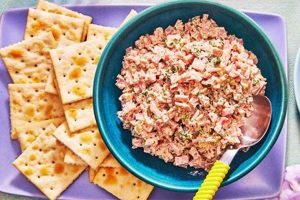
Desserts often inspire unusual savory dishes. A fruit salad incorporating the sweet and spiced flavors of a canned peach pie filling, often combined with other ingredients like whipped cream, cream cheese, or miniature marshmallows, exemplifies this culinary crossover. Variations can include fresh peaches, different cheeses, or nuts for added texture and flavor complexity.
Such a salad offers a unique blend of sweet and creamy textures, making it a popular choice for potlucks, picnics, and holiday gatherings. Its historical roots likely lie in the mid-20th century when convenience foods like canned pie fillings became more readily available, fostering experimentation in home kitchens. This easy preparation and adaptability contribute to its enduring appeal. The dish’s affordability and capacity for customization make it accessible to a wide range of cooks and palates.
This exploration will delve further into specific ingredient combinations, preparation methods, and serving suggestions, providing readers with a complete understanding of this distinctive dish. Nutritional information and variations catering to dietary restrictions will also be addressed.
Tips for Peach Pie Filling Salad Preparation
Successful preparation of this unique salad relies on careful ingredient selection and attention to detail. The following tips offer guidance for optimal results.
Tip 1: Balance Sweetness and Acidity. The inherent sweetness of canned peach pie filling can be tempered by incorporating acidic elements. A small amount of lemon juice or a few tart berries can provide necessary balance.
Tip 2: Texture Variation. A purely smooth texture can become cloying. Consider adding chopped pecans, walnuts, or slivered almonds to introduce textural contrast.
Tip 3: Chill Thoroughly. This salad is best served cold. Allow sufficient chilling time, preferably a minimum of two hours, to allow flavors to meld and the salad to firm up.
Tip 4: Fresh Peach Integration. For a brighter, more nuanced flavor profile, incorporate fresh, diced peaches alongside the canned filling. Ensure the fresh peaches are ripe but firm.
Tip 5: Dairy Selection. While whipped cream is traditional, consider alternatives like Greek yogurt or mascarpone cheese for a richer, tangier flavor and increased protein content.
Tip 6: Presentation. Elevate the dish beyond its simple nature through thoughtful presentation. Serve in individual glasses or a decorative bowl, garnished with fresh mint or a sprinkle of cinnamon.
Tip 7: Scaling the Recipe. The recipe is easily scalable for larger gatherings. Simply adjust ingredient quantities proportionally while maintaining flavor balance.
Adhering to these guidelines will ensure a successful outcome, resulting in a balanced and flavorful salad. Careful consideration of these factors will significantly elevate the final dish.
These insights offer a starting point for crafting this classic dish. Experimentation and personal preference can further refine the recipe, resulting in a truly personalized culinary experience.
1. Ingredients

Ingredient selection significantly impacts the final character of a peach pie filling salad. The quality and type of ingredients directly influence the flavor, texture, and overall appeal of the dish. Canned peach pie filling provides the foundational sweetness and characteristic spices like cinnamon and nutmeg. However, the specific brand chosen can affect the level of sweetness and spice intensity. Opting for a filling with larger peach pieces contributes a more substantial texture compared to one with smaller, diced pieces.
Beyond the core ingredient of peach pie filling, the selection of dairy components plays a crucial role. Whipped cream contributes lightness and airiness, while cream cheese adds a tangy richness and denser texture. The fat content of the chosen dairy influences both the richness and caloric density of the salad. Further ingredient additions, such as fresh fruit or nuts, provide opportunities to introduce contrasting flavors and textures. Fresh raspberries offer a tart counterpoint to the sweetness of the peaches, while chopped pecans introduce a welcome crunch. The quantity of each ingredient also requires careful consideration to maintain balance.
Understanding the interplay of these ingredients is paramount to achieving a successful outcome. Balancing sweetness and acidity, incorporating textural variety, and utilizing high-quality ingredients elevate this simple dish beyond its basic components. Informed ingredient selection empowers one to tailor the salad to individual preferences, dietary needs, or specific occasions. The resulting dish reflects the care and attention invested in the selection and combination of its constituent parts.
2. Preparation

Preparation methods significantly influence the final quality and appeal of a peach pie filling salad. While inherently simple, attention to detail during the preparation process ensures optimal flavor development and textural integrity. Understanding the nuances of combining ingredients and managing chilling times contributes to a successful outcome.
- Combining Ingredients
The order and manner in which ingredients are combined impact the final texture and flavor distribution. Gently folding ingredients together, rather than vigorous mixing, helps maintain the integrity of delicate components like whipped cream and prevents the mixture from becoming overly dense. Ensuring even distribution of ingredients contributes to a consistent flavor experience in each bite. Overmixing can lead to a homogenous, less appealing texture, while undermixing may result in pockets of unincorporated ingredients.
- Chilling Time
Adequate chilling time is essential for flavor melding and optimal texture development. Chilling allows the flavors of the various components to harmonize, resulting in a more cohesive flavor profile. Furthermore, chilling firms the salad, making it easier to serve and enhancing its textural appeal. Insufficient chilling may result in a runny consistency and less pronounced flavors, while excessive chilling can dull the flavors and make the texture overly firm. A chilling period of two to four hours generally yields desirable results.
- Ingredient Temperature
The temperature of ingredients at the time of combination affects the final product. Using chilled ingredients, particularly dairy components, helps maintain the stability of the salad and prevents premature softening or melting. Introducing room-temperature ingredients, especially fresh fruit, can introduce excess moisture and compromise the overall texture. Maintaining consistent ingredient temperatures promotes a balanced and stable final product.
- Equipment Selection
Appropriate equipment simplifies the preparation process and contributes to the desired outcome. Using a large bowl provides ample space for combining ingredients without overcrowding. A rubber spatula or large spoon allows for gentle folding and even distribution of ingredients. Choosing the right tools facilitates efficient and effective preparation, minimizing the risk of overmixing or damaging delicate ingredients.
Careful consideration of these preparation steps elevates the peach pie filling salad from a simple mixture to a well-executed dish. Precise execution of these techniques ensures a harmonious balance of flavors and textures, creating a more enjoyable culinary experience. The resulting salad demonstrates an attention to detail that enhances its overall appeal.
3. Variations

The adaptability of the peach pie filling salad recipe allows for extensive variation, transforming a simple concept into a versatile dish adaptable to diverse tastes and occasions. This inherent flexibility stems from the recipe’s straightforward nature, offering a blank canvas for culinary creativity. Variations can range from subtle tweaks in flavor profiles to significant additions that introduce entirely new textural dimensions. The capacity for customization makes this salad suitable for everything from casual gatherings to more formal events.
Several factors drive the need for variations. Seasonal availability of fresh fruit influences ingredient choices. Substituting fresh peaches for canned filling during peak season enhances flavor and nutritional value. Dietary restrictions also necessitate modifications. Substituting dairy-free whipped topping and yogurt allows individuals with lactose intolerance to enjoy the dish. Personal preferences further contribute to recipe variations. Some may prefer a nuttier profile, incorporating pecans or almonds, while others might opt for a more tropical twist with the addition of shredded coconut or pineapple. These examples demonstrate the practical significance of understanding the recipe’s adaptability.
Specific examples illustrate the range of possibilities. A “Southern Belle” variation might incorporate pecans, bourbon extract, and a sprinkle of brown sugar, evoking the flavors of classic Southern desserts. A lighter, “Summer Breeze” variation could feature fresh raspberries, blueberries, and a dollop of Greek yogurt for a refreshing twist. For a more decadent approach, a “Caramel Peach Dream” could include a drizzle of caramel sauce and crumbled shortbread cookies. These examples demonstrate the versatility of the peach pie filling salad recipe and the potential for personalized expression.
The ability to incorporate variations empowers individuals to not only tailor the dish to specific needs and preferences but also to elevate it beyond its humble origins. Thoughtful variations can transform a simple dessert salad into a culinary statement. By understanding the interplay of ingredients and the impact of substitutions, one can create truly unique and memorable variations of this adaptable recipe.
4. Serving

Serving a peach pie filling salad effectively enhances the dining experience. Consideration of portion size, presentation, and accompanying elements contributes to the dish’s overall appeal. Appropriate serving practices ensure the salad’s delicate flavors and textures are showcased optimally. Individual portions, presented in small bowls or glasses, offer a controlled and elegant approach. This method also facilitates even distribution of ingredients and prevents the salad from becoming watery as it sits. For larger gatherings, a decorative serving bowl, garnished with fresh mint or a sprinkle of cinnamon, creates a visually appealing centerpiece.
Accompanying elements can further elevate the serving experience. A dollop of whipped cream or a scattering of toasted nuts adds textural contrast and visual interest. Serving the salad alongside complementary dishes, such as grilled meats or crisp green salads, creates a balanced and satisfying meal. For a lighter option, the salad can be served with fruit skewers or yogurt parfaits. The choice of accompaniments should consider the overall context of the meal and the preferences of those being served. Seasonal considerations also influence serving choices; chilled salad provides a refreshing contrast to heavier dishes during warmer months. Offering a variety of serving options allows guests to personalize their experience.
Effective serving practices highlight the salad’s unique qualities while ensuring practicality and enjoyment. Attention to detail, from portioning to presentation, demonstrates care and elevates the perceived value of the dish. Thoughtful consideration of these aspects transforms a simple dessert salad into a memorable culinary experience. This understanding allows one to tailor the serving style to complement the occasion and maximize enjoyment.
5. Storage
Proper storage is crucial for maintaining the quality and safety of peach pie filling salad. This dish, containing dairy and potentially fresh fruit, is susceptible to spoilage if not handled correctly. Storage practices directly impact the salad’s texture, flavor, and microbiological safety. Neglecting proper storage can lead to undesirable outcomes, including bacterial growth, textural degradation, and flavor deterioration. Understanding the factors influencing spoilage and implementing appropriate storage techniques are essential for preserving the salad’s desirable characteristics.
Refrigeration is the primary method for storing peach pie filling salad. An airtight container prevents the salad from absorbing odors and maintains its moisture content. Storing the salad at a temperature below 40F (4C) inhibits bacterial growth and slows enzymatic activity that contributes to spoilage. Duration of safe storage depends on ingredient freshness and specific preparation methods. Generally, the salad remains safe to consume for up to three days when refrigerated properly. However, incorporating highly perishable ingredients, such as fresh whipped cream or cut fruit, may shorten the safe storage period. Freezing is generally not recommended, as it negatively impacts the texture of dairy components and can cause the fruit to become mushy upon thawing. Practical application of these principles ensures food safety and minimizes waste.
Effective storage practices contribute significantly to food safety and enjoyment of this dish. Adhering to recommended temperature and container guidelines preserves the salad’s intended flavor and texture, minimizing the risk of foodborne illness. Careful attention to storage practices ultimately enhances the overall dining experience by ensuring a safe and palatable product. Failure to implement these guidelines can result in unpleasant sensory experiences and potential health risks. Thus, proper storage is an integral component of responsible food handling and contributes to the successful preparation and consumption of peach pie filling salad.
6. History
Understanding the historical context of the peach pie filling salad recipe provides insight into its evolution and enduring appeal. This seemingly simple dish reflects broader culinary trends, particularly the rise of convenience foods in the mid-20th century and the evolving role of desserts in American cuisine. Examining these historical influences illuminates the recipe’s cultural significance and its place within the larger narrative of American foodways.
- Post-War Convenience
The post-World War II era witnessed a surge in the popularity of convenience foods, driven by increased disposable income, changing family structures, and the desire for time-saving meal solutions. Canned goods, including peach pie filling, became pantry staples, offering a readily available and affordable ingredient for home cooks. This availability contributed directly to the emergence of recipes like the peach pie filling salad, which capitalized on the convenience and affordability of canned ingredients. The salad’s simplicity aligned with the fast-paced lifestyle of the era, making it a practical and appealing dish for busy families.
- Evolution of Dessert Salads
The peach pie filling salad reflects a broader trend in American cuisine: the blurring of lines between sweet and savory dishes. Dessert salads, often featuring combinations of fruit, whipped cream, and other sweet ingredients, gained popularity during this period. These salads offered a lighter, less formal alternative to traditional layered cakes and pies, aligning with evolving tastes and entertaining styles. The peach pie filling salad, with its blend of sweet and creamy elements, exemplifies this trend, occupying a unique space between dessert and side dish.
- Regional and Community Variations
As the peach pie filling salad gained popularity, regional and community variations emerged, reflecting local ingredient availability and culinary traditions. The addition of ingredients like pecans in the South or cranberries in the Northeast demonstrates how the basic recipe adapted to different culinary landscapes. Community cookbooks and church potlucks served as important vectors for the dissemination and adaptation of the recipe, fostering a sense of shared culinary heritage. These variations underscore the dynamic nature of the recipe and its capacity to reflect diverse culinary influences.
- The Enduring Appeal of Nostalgia
The continued presence of the peach pie filling salad in contemporary cuisine speaks to the enduring appeal of nostalgic dishes. For many, this salad evokes memories of family gatherings, holidays, and community events, connecting to a sense of comfort and tradition. This nostalgic association contributes significantly to the recipe’s enduring popularity, transcending mere culinary preference to become a symbol of shared cultural memory.
By exploring these historical facets, one gains a deeper appreciation for the peach pie filling salad recipe, recognizing its significance as more than just a simple combination of ingredients. This dish reflects broader cultural and culinary shifts, offering a palatable lens through which to examine the evolution of American foodways. Understanding this historical context enriches the experience of preparing and consuming this seemingly humble, yet culturally resonant, dish.
Frequently Asked Questions
This section addresses common inquiries regarding peach pie filling salad, providing clear and concise answers to facilitate understanding and successful preparation.
Question 1: Can fresh peaches be substituted for canned peach pie filling?
While fresh peaches offer a brighter flavor, they lack the thickened, spiced syrup characteristic of canned pie filling. Using fresh peaches requires adjustments to the recipe, such as adding sugar, spices, and a thickening agent.
Question 2: What can be used as a dairy-free alternative to whipped cream?
Dairy-free whipped toppings, readily available in most supermarkets, provide a suitable substitute. Coconut cream, when whipped, also offers a rich, non-dairy alternative.
Question 3: How long can peach pie filling salad be stored safely?
Refrigerated in an airtight container, the salad typically remains safe for consumption up to three days. However, the presence of fresh fruit or dairy products may shorten this timeframe.
Question 4: Can this salad be frozen?
Freezing is not recommended. Freezing negatively impacts the texture of dairy components, resulting in a less desirable consistency upon thawing. Fruit within the salad can also become mushy after freezing.
Question 5: What are common variations of this recipe?
Common variations include the addition of nuts, such as pecans or walnuts, or the incorporation of other fruits, like raspberries or grapes. Some recipes incorporate mini marshmallows or shredded coconut for added texture and flavor.
Question 6: Is this salad considered a dessert or a side dish?
Its categorization varies depending on regional traditions and personal preferences. The salad’s sweetness often designates it as a dessert, but it can also function as a side dish, particularly alongside grilled meats or savory casseroles.
Addressing these frequently asked questions provides a comprehensive understanding of peach pie filling salad preparation and its adaptable nature. Careful consideration of these points ensures a successful and enjoyable culinary experience.
This concludes the exploration of peach pie filling salad. The information presented should empower readers to confidently approach this unique dish, appreciating its versatility and historical context.
Peach Pie Filling Salad Recipe
This exploration of peach pie filling salad recipes has provided a comprehensive overview, from ingredient selection and preparation techniques to variations, serving suggestions, storage guidelines, and historical context. The adaptability of this dish, allowing for personalized modifications based on dietary needs, ingredient availability, and individual preferences, has been highlighted. Emphasis has been placed on the balance of sweetness, acidity, and textural elements crucial for a successful outcome. Proper storage practices, essential for maintaining food safety and quality, have also been addressed.
The peach pie filling salad recipe, while seemingly simple, offers a lens through which to examine broader culinary trends. Its connection to the rise of convenience foods in the mid-20th century and its reflection of evolving dessert traditions position it within a larger cultural narrative. Further exploration of individual variations and regional adaptations promises to enrich culinary understanding and offer opportunities for creative expression in the kitchen. This dish invites continued experimentation and adaptation, ensuring its enduring presence in the evolving landscape of American cuisine.