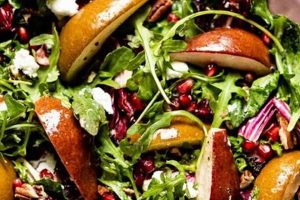
A vibrant and refreshing dish, this salad typically features peas, often combined with other vegetables like celery, onions, and peppers. A creamy dressing, commonly mayonnaise-based, binds the ingredients together. Variations may include hard-boiled eggs, cheese, or fresh herbs. This particular style omits bacon, catering to dietary preferences or restrictions.
This variation offers a lighter alternative to traditional versions, reducing saturated fat and cholesterol. It also provides an excellent source of plant-based protein and fiber from the peas and other vegetables. This style aligns with the growing interest in vegetarian and flexitarian diets, expanding culinary options for individuals seeking flavor and health benefits. Historically, vegetable salads gained popularity as a refreshing accompaniment to heavier meals, and this version continues that tradition with a contemporary twist.
This exploration will delve into specific ingredient choices, dressing variations, and serving suggestions for crafting the perfect meat-free pea salad. Techniques for achieving optimal texture and flavor will also be addressed.
Tips for a Delicious Meat-Free Pea Salad
Achieving a flavorful and well-balanced pea salad requires attention to detail. The following tips offer guidance for creating a successful dish.
Tip 1: Use Fresh, High-Quality Peas: Fresh peas provide optimal sweetness and texture. Frozen peas can be substituted if fresh are unavailable; however, ensure they are thawed and drained thoroughly before incorporating them into the salad.
Tip 2: Balance Sweetness and Acidity: The dressing should complement the sweetness of the peas with a touch of acidity. A squeeze of lemon juice or a splash of apple cider vinegar can achieve this balance.
Tip 3: Enhance Flavor with Fresh Herbs: Fresh herbs such as dill, mint, or chives can elevate the overall flavor profile. Chopped parsley adds a classic touch.
Tip 4: Consider Textural Variety: Chopped celery, red onion, or bell peppers add satisfying crunch. Blanched and chopped green beans offer another layer of texture and flavor.
Tip 5: Achieve Creamy Consistency without Overdoing Mayonnaise: While mayonnaise provides a classic creamy base, consider using Greek yogurt or a combination of mayonnaise and yogurt for a lighter, tangier dressing.
Tip 6: Seasoning is Key: Salt and freshly ground black pepper are essential. A pinch of sugar can further enhance the sweetness of the peas.
Tip 7: Chill Thoroughly Before Serving: Chilling allows the flavors to meld and enhances the refreshing quality of the salad. Aim for at least 30 minutes of refrigeration before serving.
By following these suggestions, one can create a vibrant, satisfying, and healthful pea salad without relying on bacon for flavor.
These tips offer a foundation for creating a successful dish. Experimentation with ingredients and flavors will further refine the recipe and personalize it to individual preferences.
1. Fresh or Frozen Peas

The foundation of any pea salad rests upon the quality of its central ingredient: peas. Within the context of a recipe omitting bacon, the peas’ inherent sweetness and texture become even more pronounced, demanding careful consideration of their source. Fresh peas, harvested at peak ripeness, offer optimal sweetness and a tender-crisp bite. Their vibrant green color contributes to the salad’s visual appeal. However, fresh peas have a limited seasonality. Frozen peas provide a convenient and often nutritionally comparable alternative. Rapid freezing shortly after harvest helps preserve their flavor and nutrients. The choice between fresh and frozen peas directly impacts the final dish’s taste, texture, and overall quality. For instance, a summer picnic featuring a pea salad benefits from the bright, fresh flavor of in-season peas, whereas a winter gathering might utilize frozen peas with minimal compromise on taste.
The preparation of peas also varies depending on their form. Fresh peas typically require a brief blanch in boiling water to enhance their tenderness while retaining their vibrant color. Frozen peas, on the other hand, benefit from gentle thawing to avoid mushiness. Overcooked peas, regardless of their origin, result in a less appealing texture and diminished flavor. Understanding these nuances is crucial for optimizing the pea salad’s quality. For example, adding still-frozen peas directly to the salad can lead to excess moisture, diluting the dressing and compromising the overall flavor balance. Conversely, over-blanching fresh peas can result in a dull, olive-green hue and a soft, unappetizing texture.
Selecting and preparing peas appropriately forms a critical step in creating a successful bacon-free pea salad. The choice between fresh and frozen, as well as the subsequent handling, directly influences the final dish’s sensory appeal and nutritional value. Prioritizing quality and applying proper techniques ensures that the peas contribute their full potential to the salad, compensating for the absence of bacon and enhancing the overall culinary experience. Successfully incorporating peas provides a solid foundation for building a delicious and satisfying salad.
2. Complementary Vegetables

Within the context of a pea salad recipe omitting bacon, complementary vegetables play a crucial role in enhancing flavor, texture, and nutritional value. These additions contribute complexity and balance, compensating for the absence of bacon’s characteristic smokiness and saltiness. Selecting appropriate vegetables elevates the salad from a simple side dish to a more substantial and satisfying culinary experience.
- Textural Contrast
Vegetables offering a contrasting texture to the peas create a more dynamic and enjoyable sensory experience. Crisp elements like chopped celery, diced red onion, or sliced bell peppers provide a satisfying crunch against the softer texture of the peas. This interplay of textures adds complexity and prevents the salad from becoming monotonous. For example, the subtle sharpness of raw red onion offers a textural and flavor counterpoint to the sweet peas.
- Flavor Enhancement
Complementary vegetables contribute diverse flavor profiles that enhance the overall taste of the salad. Chopped water chestnuts impart a mild sweetness and satisfying crunch, while shredded carrots introduce a subtle earthy sweetness. Diced cucumbers provide a refreshing coolness. These nuanced flavors interact with the sweetness of the peas and the tanginess of the dressing, creating a well-rounded and balanced flavor profile.
- Nutritional Value
Incorporating a variety of vegetables increases the nutritional density of the salad. Different vegetables offer different vitamins, minerals, and antioxidants. For instance, red bell peppers are rich in vitamin C, while carrots provide beta-carotene. This diversity contributes to a more healthful and nutritious meal, particularly in the absence of bacon, which is often high in saturated fat and sodium.
- Visual Appeal
The inclusion of colorful vegetables enhances the visual appeal of the salad. The vibrant green of peas can be complemented by the bright red of bell peppers, the deep purple of red onion, or the orange of carrots. This colorful presentation makes the salad more visually appealing and appetizing, adding to the overall dining experience. A visually appealing salad is often more enticing and enjoyable to consume.
The strategic inclusion of complementary vegetables in a pea salad without bacon is essential for creating a well-rounded and satisfying dish. By considering factors such as texture, flavor, nutrition, and visual appeal, one can elevate the salad beyond a simple side dish, transforming it into a flavorful, healthful, and visually appealing culinary creation. The careful selection and preparation of these vegetables ensures a balanced and enjoyable eating experience, compensating for the absence of bacon and maximizing the salad’s potential.
3. Creamy Dressing (No Bacon)

In a pea salad recipe explicitly omitting bacon, the creamy dressing takes center stage. It provides the foundational flavor profile and binds the ingredients together. The absence of bacon necessitates a dressing that compensates for the missing smoky, salty, and umami notes typically contributed by the cured meat. Therefore, understanding the components and variations of a suitable creamy dressing is crucial for achieving a successful and satisfying salad.
- Mayonnaise-Based Dressings
Traditional pea salads often rely on mayonnaise as the primary base for the creamy dressing. Its rich texture and tangy flavor complement the sweetness of the peas. However, in the absence of bacon, adjustments to the mayonnaise base become necessary to achieve a balanced flavor profile. Adding a squeeze of lemon juice or a splash of apple cider vinegar introduces acidity, balancing the richness of the mayonnaise and preventing the salad from tasting overly sweet. Incorporating Dijon mustard contributes a subtle sharpness that complements the peas and other vegetables. These adjustments ensure the dressing remains flavorful and balanced without relying on the flavor contributions of bacon.
- Yogurt-Based Dressings
For a lighter and tangier alternative, Greek yogurt can replace or partially substitute mayonnaise in the dressing. Yogurt offers a lower fat content and a higher protein content compared to mayonnaise, aligning with health-conscious dietary preferences. The tanginess of yogurt provides a refreshing contrast to the sweetness of the peas. Similar to mayonnaise-based dressings, incorporating lemon juice, vinegar, or herbs like dill or chives further enhances the flavor profile and compensates for the absence of bacon. The lighter texture of yogurt-based dressings also allows the flavors of the other vegetables to shine through.
- Vegan Alternatives
Vegan creamy dressings provide options for individuals following plant-based diets. These dressings often utilize cashew cream, avocado, or silken tofu as a base to achieve a creamy consistency. Nutritional yeast can be added to mimic the savory, slightly cheesy flavor often associated with traditional dressings. Lemon juice, apple cider vinegar, and herbs provide the necessary acidity and flavor complexity to balance the sweetness of the peas and other vegetables. These vegan options demonstrate that a flavorful and satisfying creamy dressing can be achieved without relying on animal products or bacon.
- Flavor Balancing
Regardless of the chosen base, achieving a balanced flavor profile in a bacon-free pea salad dressing requires careful consideration. The absence of bacon’s saltiness and smokiness necessitates the strategic use of other seasonings. A pinch of sugar can enhance the sweetness of the peas while a touch of black pepper adds depth. Fresh or dried herbs, such as dill, mint, or chives, introduce aromatic complexity. The careful balance of these elements ensures the dressing contributes significantly to the overall flavor of the salad, compensating for the absence of bacon and creating a harmonious blend of flavors.
The creamy dressing in a pea salad without bacon is not merely a binding agent; it is a critical component that defines the salad’s overall character. By understanding the various base options, flavor balancing techniques, and the importance of acidity and seasonings, one can create a dressing that delivers a complex and satisfying flavor profile, proving that a delicious and fulfilling pea salad can be achieved without relying on bacon.
4. Flavorful Herbs and Spices

Flavorful herbs and spices play a crucial role in elevating a pea salad recipe that omits bacon. The absence of bacon’s distinctive smoky and salty notes creates a need for alternative flavor dimensions. Herbs and spices offer a diverse palette of aromas and tastes, compensating for the missing elements and contributing complexity to the overall flavor profile. This careful integration of herbs and spices is essential for transforming a potentially bland salad into a vibrant and satisfying culinary experience.
Specific herbs and spices offer distinct contributions to a bacon-less pea salad. Fresh dill, with its bright, slightly tangy flavor, complements the sweetness of peas and adds a refreshing note. Mint provides a cooling contrast and enhances the overall brightness of the salad. Chives offer a subtle oniony flavor that harmonizes well with the other ingredients. For those preferring a more savory profile, a pinch of dried tarragon or marjoram can introduce earthy and slightly peppery notes. The selection of herbs and spices should be tailored to individual preferences and the overall desired flavor profile. For example, a Mediterranean-inspired pea salad might benefit from the addition of oregano and basil, while a more classic approach might utilize dill and parsley. Experimentation is key to discovering optimal flavor combinations.
Successfully incorporating herbs and spices into a pea salad without bacon involves understanding their individual characteristics and how they interact with other ingredients. Fresh herbs are typically added towards the end of the preparation process to preserve their delicate flavors and vibrant colors. Dried herbs, on the other hand, can be incorporated earlier, allowing their flavors to infuse the dressing. The quantity of herbs and spices used should be carefully considered. While they enhance the flavor profile, excessive amounts can overpower the delicate sweetness of the peas and other vegetables. A balanced approach ensures that the herbs and spices complement, rather than dominate, the overall flavor composition. This understanding of herb and spice integration is crucial for crafting a well-balanced and flavorful pea salad that stands on its own merit, even without the presence of bacon.
5. Balanced Sweetness and Acidity

Balanced sweetness and acidity form a cornerstone of successful pea salad recipes, especially when omitting bacon. Bacon, inherently salty and smoky, often masks imbalances in sweetness and acidity. Its absence exposes these nuances, demanding a more refined approach to flavor composition. The interplay between sweet and tart elements creates a dynamic flavor profile that elevates the salad beyond a simple combination of ingredients. This balance prevents the sweetness of the peas from becoming cloying and ensures the overall flavor experience remains refreshing and nuanced. For instance, a dressing relying solely on mayonnaise, without an acidic counterpoint, can result in a flat, overly rich flavor. Conversely, excessive acidity can overpower the delicate sweetness of the peas and other vegetables.
This balance can be achieved through various methods. Incorporating acidic ingredients like lemon juice, vinegar, or certain types of mustard into the dressing provides the necessary tartness to counteract the sweetness of peas. The specific type of acid used also influences the overall flavor profile. Lemon juice offers a bright, citrusy note, while apple cider vinegar contributes a subtle sweetness alongside its tartness. The quantity of acid used must be carefully calibrated to complement, not overpower, the sweetness of the peas and other ingredients. Achieving this balance requires careful tasting and adjustment throughout the preparation process. The ratio of sweet to tart elements can be adjusted based on individual preferences and the specific ingredients used. For example, if using sweeter peas, a slightly higher proportion of acid might be necessary to achieve the desired balance. Conversely, if incorporating other tart vegetables like red onion, the acidity in the dressing can be reduced accordingly.
Mastering the balance of sweetness and acidity in a pea salad without bacon is essential for creating a truly satisfying culinary experience. This balance elevates the inherent sweetness of the peas and other vegetables, preventing the salad from tasting one-dimensional. It also contributes to a more refreshing and palate-cleansing effect, making the salad a welcome addition to any meal. Ignoring this principle can result in a dish that is either overly sweet or excessively tart, failing to showcase the full potential of the individual ingredients. Therefore, careful consideration of this balance is paramount in crafting a successful and enjoyable bacon-free pea salad.
6. Proper Chilling Time

Proper chilling time is essential for a successful pea salad recipe, particularly when omitting bacon. Chilling allows the flavors of the various componentspeas, other vegetables, and dressingto meld and harmonize. This melding creates a more cohesive and complex flavor profile, compensating for the absence of bacon’s intense flavor contributions. The temperature reduction also enhances the salad’s refreshing quality, a particularly desirable attribute in warmer weather. Insufficient chilling results in a salad with disparate, underdeveloped flavors, where individual components taste isolated rather than integrated. For example, a freshly made pea salad might taste predominantly of mayonnaise, with the sweetness of the peas and the sharpness of other vegetables remaining distinct and separate. Adequate chilling, however, allows these flavors to blend, creating a more balanced and nuanced taste experience.
The practical significance of proper chilling extends beyond flavor development. Chilling also firms the texture of the vegetables, enhancing their crispness and preventing them from becoming mushy. This textural improvement is particularly noticeable with frozen peas, which can become overly soft if not chilled thoroughly after thawing. Furthermore, chilling stabilizes the emulsion of the dressing, particularly mayonnaise-based dressings, preventing separation and maintaining the desired creamy consistency. This stabilization is crucial for the salad’s overall presentation and mouthfeel. A well-chilled pea salad presents a visually appealing and texturally satisfying experience, contributing to its overall enjoyment. Conversely, a salad that has not been chilled sufficiently might exhibit a watery, separated dressing and limp vegetables, diminishing its appeal.
In summary, proper chilling time is not merely a final step but an integral part of crafting a high-quality pea salad, especially one without bacon. It allows flavors to meld, textures to firm, and the dressing to stabilize, culminating in a cohesive and refreshing culinary experience. Neglecting this step compromises the salad’s flavor complexity, textural appeal, and overall quality. Chilling ensures the delicate balance of flavors and textures is optimized, making the salad a more enjoyable and satisfying dish, even in the absence of bacon’s robust flavor profile.
7. Creative Presentation

Creative presentation elevates a pea salad recipe without bacon from a simple dish to a visually appealing culinary creation. The absence of bacon, often a visually dominant ingredient, necessitates a thoughtful approach to plating and presentation. A visually engaging salad enhances the dining experience, stimulating appetite and creating a sense of occasion. This is particularly relevant for pea salad, which, without bacon, can appear somewhat monochromatic. Consider, for instance, a simple mound of pea salad served on a plain white plate. While the salad itself might be flavorful, its visual presentation lacks impact. However, the same salad, arranged on a bed of crisp lettuce leaves, garnished with fresh herbs, and served with colorful crudits, transforms into a visually enticing dish.
Several techniques can enhance the visual appeal of a bacon-less pea salad. Utilizing a variety of colorful vegetables within the salad itself creates visual interest. Red onion, bell peppers, and carrots introduce vibrant hues that contrast with the green peas. The salad can also be molded using a ring mold or scooped onto individual lettuce cups for a more elegant presentation. Garnishes play a crucial role in adding visual flair. Fresh herbs like dill, mint, or parsley provide pops of color and enhance the aroma of the dish. Edible flowers or a sprinkle of microgreens add a touch of sophistication. Serving the salad alongside complementary dishes, such as grilled chicken or fish, also contributes to a more visually appealing and complete meal. Imagine a summer luncheon where the pea salad, artfully arranged on a platter, is served alongside grilled salmon and a colorful quinoa salad. The vibrant colors and textures create a visually harmonious and appealing dining experience.
While flavor and texture undoubtedly contribute to a successful pea salad, creative presentation amplifies its appeal, especially when bacon is omitted. The thoughtful arrangement, use of color, and incorporation of garnishes elevate the salad from a simple side dish to a centerpiece-worthy creation. This attention to visual detail compensates for the absence of bacon’s visual presence, enhancing the overall dining experience and demonstrating that even a simple salad can be a feast for the eyes. This understanding underscores the importance of presentation as an integral part of culinary art, transforming a basic pea salad into a visually captivating and memorable dish.
Frequently Asked Questions
This section addresses common inquiries regarding pea salad recipes that omit bacon.
Question 1: Can frozen peas be used if fresh peas are unavailable?
Frozen peas are a suitable substitute for fresh peas, particularly when fresh peas are out of season. Ensure they are fully thawed and drained before incorporating them into the salad to prevent excess moisture.
Question 2: How can one achieve a creamy dressing without using excessive mayonnaise?
Greek yogurt offers a lighter alternative to mayonnaise, providing creaminess while reducing fat content. A combination of mayonnaise and Greek yogurt can also be used to achieve the desired consistency and flavor.
Question 3: What can be added to compensate for the absence of bacon’s smoky flavor?
Smoked paprika or a small amount of liquid smoke can impart a subtle smoky flavor. Alternatively, incorporating roasted or grilled vegetables, such as red peppers or zucchini, can introduce a depth of flavor that complements the sweetness of the peas.
Question 4: How long should the salad be chilled before serving?
Chilling for at least 30 minutes allows the flavors to meld and enhances the salad’s refreshing quality. Longer chilling times, up to several hours, further develop the flavors.
Question 5: What are some suitable serving suggestions for this type of pea salad?
This salad pairs well with grilled meats, fish, or sandwiches. It can also be served as a light lunch or as part of a buffet spread.
Question 6: How can one prevent the salad from becoming watery?
Thoroughly draining all vegetables, including thawed frozen peas, is crucial. Ensuring the dressing is not overly thin also helps prevent excess moisture in the salad.
Understanding these common points of inquiry facilitates the creation of a successful and satisfying pea salad without relying on bacon.
This concludes the frequently asked questions section. The following section will offer a sample recipe for a delicious and easy-to-prepare pea salad without bacon.
Pea Salad Recipe Without Bacon
This exploration of pea salad recipes without bacon has highlighted the importance of fresh ingredients, balanced flavors, and thoughtful preparation. Key elements include selecting high-quality peas, incorporating complementary vegetables for texture and flavor, crafting a creamy dressing that balances sweetness and acidity without relying on bacon, and utilizing herbs and spices to enhance the overall flavor profile. Proper chilling allows flavors to meld, while creative presentation elevates the dish visually. Addressing common questions regarding ingredient substitution, flavor balancing, and chilling times provides a comprehensive understanding of crafting this dish successfully.
Pea salad, even without bacon, offers a versatile and refreshing culinary experience. Its adaptability to various dietary preferences and ease of preparation make it a valuable addition to any menu. Further exploration of flavor combinations and presentation techniques allows for continued culinary creativity and enjoyment within this classic dish’s framework. The potential for innovation within this seemingly simple salad underscores the ongoing evolution of culinary traditions and the enduring appeal of fresh, flavorful ingredients.