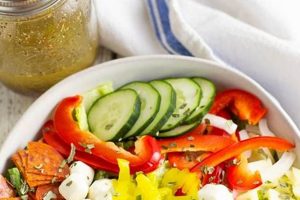
A vibrant citrus salad typically combines thinly sliced fennel bulb, segments of fresh oranges, and often other complementary ingredients. These can include red onion, olives, fresh herbs (such as mint or parsley), and a light vinaigrette. The contrasting flavors and textures create a refreshing and flavorful dish. For example, one might find a version with toasted almonds and a lemon-herb dressing.
This type of salad offers nutritional benefits from the vitamin C-rich oranges and the fiber and antioxidants found in fennel. The combination of sweet citrus and subtly licorice-flavored fennel creates a balanced flavor profile that can complement various cuisines, from Mediterranean to modern American. While specific origins are difficult to trace, the combination of citrus and fennel has likely been enjoyed for centuries in regions where both ingredients are readily available.
Further exploration will delve into variations of this salad, offering detailed instructions and ingredient lists for different preparations. Techniques for achieving optimal flavor and texture will also be discussed, along with suggestions for complementary dishes and wine pairings.
Tips for a Perfect Orange and Fennel Salad
Achieving optimal flavor and texture requires attention to detail. The following tips offer guidance for creating a successful and satisfying salad.
Tip 1: Selecting Ingredients: Choose firm fennel bulbs with bright white color and no signs of bruising. Opt for sweet, in-season oranges, such as navel or Cara Cara.
Tip 2: Fennel Preparation: Slice the fennel bulb very thinly, preferably using a mandoline slicer or sharp knife, for optimal texture and flavor release. Discard the core and any tough outer layers.
Tip 3: Orange Preparation: Supreme the oranges to remove all pith and membrane for a cleaner, more pleasant eating experience. Alternatively, segment the oranges for a more rustic presentation.
Tip 4: Balancing Flavors: Consider adding complementary ingredients like thinly sliced red onion for a bit of sharpness, Kalamata olives for a salty briny element, or toasted nuts for crunch.
Tip 5: Dressing Selection: A light vinaigrette complements the delicate flavors of the salad. A simple lemon vinaigrette, or one with a touch of Dijon mustard and honey, works well. Avoid heavy, creamy dressings.
Tip 6: Proper Chilling: Chill the fennel and oranges separately before combining to maintain crispness and prevent the fennel from becoming soggy.
Tip 7: Timing is Key: Dress the salad just before serving to prevent the citrus and fennel from becoming limp. This preserves the salad’s fresh and vibrant character.
By following these guidelines, one can elevate this simple salad to a truly exceptional dish, showcasing the beautiful interplay of flavors and textures.
These techniques, when implemented correctly, ensure a delicious and visually appealing salad. The final section will offer variations and serving suggestions.
1. Fresh, Seasonal Ingredients
The success of an orange and fennel salad hinges on the quality of its core components. Utilizing fresh, seasonal ingredients elevates this simple dish, maximizing flavor and nutritional value. Seasonality ensures peak ripeness and optimal flavor profiles, crucial for a salad where the inherent flavors of the primary ingredients take center stage.
- Peak Season Produce:
Choosing oranges and fennel at their peak ripeness guarantees the best flavor and texture. In-season oranges offer a vibrant sweetness and juiciness, while fennel harvested during its prime exhibits a delicate, less intense anise flavor. Selecting produce at its peak minimizes the need for excessive seasoning, allowing the natural flavors to shine.
- Enhanced Flavor Profiles:
Seasonal variations in produce subtly influence the salad’s overall character. For example, winter oranges, like blood oranges, contribute a unique tartness and color, while spring fennel offers a slightly sweeter, milder flavor. Recognizing and utilizing these seasonal nuances allows for greater depth and complexity in the final dish.
- Nutritional Value:
Produce harvested in season boasts higher nutrient content. Fruits and vegetables allowed to ripen fully on the vine or tree develop a richer concentration of vitamins and minerals. This translates to a more nutritious and flavorful salad, maximizing the health benefits derived from these ingredients.
- Supporting Local Agriculture:
Opting for seasonal ingredients often means supporting local farmers and reducing the environmental impact associated with long-distance transportation. Choosing locally sourced produce promotes sustainable agricultural practices and contributes to the local economy.
By prioritizing fresh, seasonal ingredients, one ensures a superior culinary experience. The resulting orange and fennel salad benefits from enhanced flavor, maximized nutritional value, and a connection to the natural rhythm of the seasons. The emphasis on quality ingredients underscores the simplicity and elegance of this dish, allowing the natural flavors to shine through.
2. Precise slicing techniques

Precise slicing techniques significantly influence the final quality of an orange and fennel salad. Uniformity of cuts impacts not only the visual appeal but also the texture and flavor release. Thinly and evenly sliced fennel ensures a pleasant mouthfeel, preventing fibrous strands and maximizing the release of the delicate anise flavor. Consistent sizing allows for even marinating and distribution of the dressing, ensuring each bite offers a balanced combination of flavors. Conversely, thick or unevenly cut fennel can result in a tough, stringy texture and uneven flavor distribution.
Consider the difference between coarsely chopped fennel and thinly shaved fennel. The coarsely chopped version offers a more assertive crunch, potentially overpowering the delicate orange. Thinly shaved fennel, on the other hand, integrates seamlessly with the other ingredients, providing a subtle anise note and a delicate texture that complements the citrus. This illustrates the importance of precise slicing in achieving a harmonious balance of flavors and textures.
Mastery of knife skills or the use of a mandoline slicer allows for consistent, thin slices, crucial for a successful salad. This precision ensures optimal flavor release and textural harmony. While achieving paper-thin slices may present a challenge, the resulting improvement in the salad’s overall quality justifies the effort. This highlights the direct correlation between precise cutting techniques and the overall dining experience. Consistent cuts contribute to the visual appeal, ensuring a professional and elegant presentation.
3. Balanced Flavor Profiles

A successful orange and fennel salad hinges on a carefully orchestrated balance of flavors. The inherent sweetness of oranges and the subtle anise notes of fennel provide a foundation requiring thoughtful additions to achieve a harmonious and complex flavor profile. This balance prevents any single flavor from dominating, resulting in a more nuanced and enjoyable culinary experience.
- Acidity:
Acidity plays a crucial role in cutting through the sweetness of the oranges and brightening the fennel’s flavor. A citrus-based vinaigrette, often incorporating lemon juice or vinegar, provides the necessary acidity. This tartness not only balances the sweetness but also enhances the overall freshness of the salad. Without sufficient acidity, the salad may taste overly sweet and lack vibrancy.
- Salt:
Salt enhances the sweetness of the oranges and amplifies the other flavors in the salad. A pinch of sea salt in the dressing or the addition of salty elements, such as olives or feta cheese, provides a savory counterpoint to the sweetness and anise. The correct amount of salt heightens the overall flavor profile, while too much can overpower the delicate balance.
- Fat:
A small amount of healthy fat, typically from olive oil in the vinaigrette, contributes richness and mouthfeel. The fat carries flavor and helps distribute the other ingredients evenly throughout the salad. It also creates a more satisfying and texturally appealing dish. The choice of oil can also subtly influence the overall flavor profile, with extra virgin olive oil imparting a peppery fruitiness.
- Aromatic Complexity:
Adding fresh herbs or spices can introduce further complexity to the flavor profile. Fresh mint or dill complement the fennel, while a pinch of red pepper flakes adds a subtle heat. These additions create layers of flavor, preventing the salad from tasting one-dimensional. However, restraint is crucial; overpowering aromatics can mask the delicate balance of the core ingredients.
Careful consideration of these elements ensures a harmonious flavor profile. The interplay of acidity, salt, fat, and aromatics elevates the simple combination of orange and fennel into a complex and satisfying dish. Achieving this balance distinguishes a truly exceptional orange and fennel salad from a merely adequate one.
4. Complementary Textures

Textural interplay significantly contributes to the overall enjoyment of an orange and fennel salad. The combination of crisp, succulent, and potentially crunchy elements elevates this simple salad, offering a more engaging and satisfying sensory experience. A variety of textures adds depth and complexity, preventing the salad from feeling monotonous.
- Crisp Fennel:
Thinly sliced fennel provides a refreshing crispness, acting as a foundation for the other textural elements. This crispness contrasts with the softer textures of the oranges and other potential additions. Proper slicing techniques are essential to maintain this desirable texture; thick or unevenly sliced fennel can result in an unpleasant fibrousness. The crisp fennel provides a structural element to the salad, preventing it from becoming overly soft or mushy.
- Succulent Oranges:
The juicy segments of orange offer a burst of sweetness and a contrasting textural element to the crisp fennel. The succulent nature of the orange segments adds a refreshing juiciness, balancing the potentially dry crispness of the fennel. This interplay of crisp and juicy textures creates a dynamic mouthfeel, enhancing the overall enjoyment of the salad. Supreming the oranges, a technique that removes all pith and membrane, enhances this succulence and provides a cleaner, more pleasant eating experience.
- Crunchy Additions:
Incorporating crunchy elements like toasted nuts or seeds introduces another layer of textural complexity. Toasted almonds, walnuts, or sunflower seeds provide a satisfying contrast to the crisp fennel and juicy oranges. This added crunch enhances the overall sensory experience, providing an element of surprise and preventing the salad from becoming texturally one-dimensional. These crunchy additions also contribute to the salad’s visual appeal, adding another element of interest.
- Soft Herbs:
The inclusion of fresh herbs introduces a soft, delicate texture that complements the other elements. Fresh mint, dill, or parsley contribute a subtle textural variation and aromatic complexity. These soft herbs provide a counterpoint to the crisp and crunchy components, creating a more balanced and nuanced textural profile. The delicate nature of these herbs emphasizes the importance of adding them just before serving to prevent wilting.
The interplay of these varying texturescrisp, succulent, crunchy, and softcreates a dynamic and satisfying sensory experience. Each bite offers a combination of contrasting textures, enhancing the overall enjoyment of the orange and fennel salad. This careful consideration of texture elevates the salad from a simple combination of ingredients to a more complex and engaging culinary creation.
5. Appropriate Dressing Choice

Dressing selection significantly impacts the overall balance and success of an orange and fennel salad. The right dressing complements the inherent flavors of the orange and fennel without overpowering their delicate balance. An inappropriate dressing can mask these subtle flavors, resulting in a less harmonious and enjoyable dish. The following facets explore the key considerations for selecting the most appropriate dressing.
- Acidity Level:
The dressing’s acidity plays a crucial role in balancing the sweetness of the oranges and enhancing the brightness of the fennel. A vinaigrette with a moderate acidity level, typically achieved through citrus juice or vinegar, provides the necessary tartness without overwhelming the other flavors. Excessive acidity can make the salad taste overly sharp, while insufficient acidity can leave it tasting flat and overly sweet. Lemon juice, red wine vinegar, and white wine vinegar are common choices, each offering distinct flavor nuances. A lemon vinaigrette, for instance, complements the citrus notes of the oranges, while a red wine vinaigrette adds a subtle depth and complexity.
- Flavor Intensity:
The dressing’s flavor intensity should complement, not compete with, the delicate flavors of the orange and fennel. A simple vinaigrette with subtle herbaceous notes or a light touch of Dijon mustard allows the primary ingredients to shine. Heavy or overly assertive dressings, such as creamy dressings or those with strong spices, can mask the delicate anise flavor of the fennel and the sweetness of the oranges. A delicate balance ensures the dressing enhances the existing flavors rather than dominating them.
- Oil Selection:
The type of oil used in the vinaigrette contributes to the dressing’s overall flavor and mouthfeel. Extra virgin olive oil offers a peppery fruitiness that complements both orange and fennel. Other lighter oils, such as grapeseed or avocado oil, can also be used, providing a more neutral flavor profile. Heavier oils, like walnut or sesame oil, may overpower the delicate flavors of the salad. The oil should contribute to the overall balance and harmony of the dish.
- Emulsification:
A properly emulsified vinaigrette clings lightly to the salad ingredients, ensuring even distribution of flavor and preventing the salad from becoming soggy. A stable emulsion, where the oil and vinegar are combined effectively, creates a smooth and cohesive dressing that coats the ingredients evenly. This prevents the oil from separating and pooling at the bottom of the salad bowl. A well-emulsified dressing contributes to both the flavor and the visual appeal of the salad.
Selecting the appropriate dressing elevates the orange and fennel salad from a simple combination of ingredients to a harmonious and flavorful dish. Careful consideration of acidity, flavor intensity, oil selection, and emulsification ensures the dressing complements the primary ingredients, creating a balanced and enjoyable culinary experience. The dressing acts as a unifying element, bringing together the distinct flavors and textures of the orange and fennel into a cohesive whole.
Frequently Asked Questions
This section addresses common inquiries regarding the preparation and enjoyment of orange and fennel salad.
Question 1: Can the fennel bulb be prepared in advance?
While slicing the fennel bulb immediately before serving is ideal for optimal texture, advance preparation is possible. Store sliced fennel in an airtight container submerged in ice water to maintain crispness. This method helps prevent oxidation and softening, preserving the fennel’s delicate texture for a few hours.
Question 2: What are suitable substitutes for oranges?
While oranges provide a signature sweetness and juiciness, other citrus fruits can offer interesting variations. Grapefruit segments contribute a pleasant tartness, while mandarins offer a sweeter, more delicate flavor profile. Consider the overall flavor balance when substituting, adjusting the dressing accordingly.
Question 3: How can one mitigate the strong anise flavor of fennel?
The anise flavor of fennel can be subtly modulated through preparation techniques. Soaking thinly sliced fennel in ice water for a short period can mellow the intensity. Additionally, using only the bulb, discarding the stalks and fronds, minimizes the anise presence. Combining fennel with other strong flavors, such as olives or strong cheeses, also helps balance the overall taste.
Question 4: What dressings complement orange and fennel beyond a standard vinaigrette?
While vinaigrettes are a classic pairing, other dressings can complement this salad. A light citrus-infused yogurt dressing offers a creamy counterpoint to the crisp vegetables. Alternatively, a tahini-based dressing introduces nutty and savory notes. Ensure the dressing complements, rather than overwhelms, the delicate flavors of the salad.
Question 5: How should leftover salad be stored?
Storing leftover salad requires careful consideration to maintain optimal texture and flavor. Store dressed and undressed components separately in airtight containers refrigerated at or below 40F (4C). Consume leftover salad within 24 hours for best quality, recognizing that some textural changes may occur.
Question 6: Can this salad be served as a main course?
While often served as a side dish or appetizer, this salad can become a light main course with the addition of protein. Grilled chicken or fish, chickpeas, or lentils complement the flavors and increase the nutritional value. Consider the added protein when adjusting the dressing and other components to maintain a balanced flavor profile.
Understanding these common points of inquiry allows for greater success and enjoyment in preparing and serving orange and fennel salad. Proper preparation and storage techniques preserve the salad’s freshness and flavor, ensuring an optimal culinary experience.
The following sections will explore variations on this classic recipe, offering creative twists and additions to expand culinary horizons.
Orange and Fennel Salad Recipe
Exploration of this recipe reveals a dish reliant on fresh, high-quality ingredients and precise techniques. Balancing the sweetness of oranges with fennel’s subtle anise flavor requires careful consideration of acidity, salt, and textural elements. Proper slicing techniques maximize flavor release and contribute to a pleasing mouthfeel. Appropriate dressing selection, often a light vinaigrette, enhances without masking the core ingredients. This analysis underscores the importance of seemingly simple choices, from ingredient selection to knife skills, in creating a successful culinary outcome.
The seemingly simple combination of orange and fennel offers a canvas for culinary creativity. Variations incorporating diverse ingredients and dressings expand the possibilities of this refreshing salad. Continued exploration of flavor profiles and textural combinations promises further culinary discoveries. One can anticipate increased appreciation for the versatility and potential of this deceptively simple yet elegant dish as culinary knowledge expands.