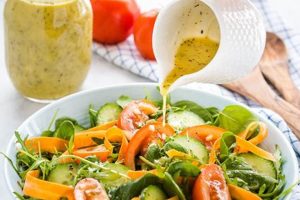
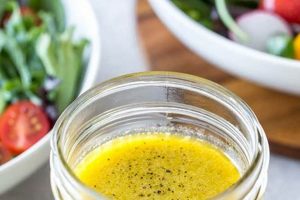
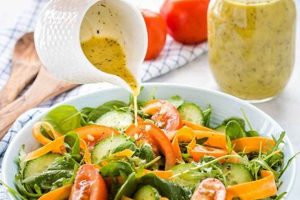
Vinaigrettes based on flavorful liquids like vinegar, citrus juice, or vegetable broth, often enhanced with herbs, spices, and other flavoring agents, offer a healthy and flavorful alternative to traditional oil-based dressings. For example, a simple lemon-herb vinaigrette can be made with fresh lemon juice, Dijon mustard, minced garlic, and chopped herbs.
Such dressings are ideal for individuals seeking to reduce their fat intake or adhere to specific dietary restrictions. They can contribute to lower calorie meals and support heart health by minimizing saturated and unsaturated fat consumption. Historically, before the widespread use of oil in culinary applications, dressings relied primarily on acidic components and aromatics for flavor. The resurgence of these methods reflects modern dietary trends and a renewed appreciation for fresh, natural ingredients.
This exploration will delve into various aspects of preparing oil-free dressings, including ingredient selection, flavor balancing techniques, and creative recipe ideas. It will also address the culinary versatility of these dressings and offer practical tips for incorporating them into diverse dishes.
Tips for Crafting Delicious Oil-Free Salad Dressings
Creating flavorful dressings without oil requires attention to balancing acidity, sweetness, and savory elements. The following tips offer guidance for achieving optimal results.
Tip 1: Embrace Acidity as a Foundation. Vinegars, citrus juices, and other acidic liquids form the base of most oil-free dressings. Experiment with different types of vinegar, such as apple cider, balsamic, or red wine vinegar, to discover preferred flavor profiles. Lemon, lime, and orange juices offer brighter, more citrusy notes.
Tip 2: Harness the Power of Emulsifiers. While oil typically acts as an emulsifier, alternatives like Dijon mustard, tahini, or mashed avocado can help create a creamy, cohesive texture in oil-free versions. These ingredients bind the other components together, preventing separation.
Tip 3: Explore Flavor Combinations. Fresh herbs, spices, garlic, ginger, and shallots offer depth and complexity. Consider combinations like lemon-dill, balsamic-herb, or ginger-soy for dynamic flavor profiles.
Tip 4: Balance Flavors with Sweetness. A touch of sweetness can balance the acidity of the dressing. A small amount of maple syrup, honey, or agave nectar can enhance the overall flavor profile.
Tip 5: Adjust Consistency with Liquid. Vegetable broth or water can be used to thin the dressing to the desired consistency. Start with a small amount and add more as needed.
Tip 6: Season Judiciously. Salt and freshly ground black pepper enhance the flavors of the other ingredients. Start with a small amount of each and adjust to taste.
Tip 7: Taste and Adjust. Tasting the dressing and adjusting seasonings as needed is crucial for achieving the desired balance of flavors. This allows for personalized customization.
By following these tips, one can create flavorful and healthful dressings that complement a variety of salads and dishes. These techniques empower culinary creativity and expand dietary options.
These insights provide a solid foundation for exploring specific recipes and further experimentation with oil-free dressings.
1. Health Benefits

Oil-free salad dressings offer significant health advantages compared to traditional oil-based counterparts. Eliminating oil reduces caloric intake and minimizes consumption of saturated and unsaturated fats, contributing to improved overall well-being and disease prevention.
- Reduced Calorie Intake
Oil is a calorie-dense ingredient. Removing it from salad dressings significantly lowers the caloric content, supporting weight management and reducing the risk of obesity-related health issues. A two-tablespoon serving of olive oil contains approximately 240 calories, while a comparable serving of an oil-free vinaigrette might contain only 20-30 calories. This difference can significantly impact daily caloric intake, especially for individuals consuming multiple servings of salad.
- Lower Fat Consumption
Oil, even healthy varieties, contains high levels of fat. While some fats are essential for bodily functions, excessive fat intake can contribute to weight gain, cardiovascular issues, and other health problems. Oil-free dressings minimize fat consumption, promoting heart health and reducing the risk of chronic diseases. Substituting an oil-based dressing with a vinegar-based alternative can considerably reduce daily fat intake.
- Improved Blood Lipid Profiles
Consuming large amounts of dietary fat, especially saturated and trans fats, can negatively impact blood lipid profiles, increasing levels of LDL cholesterol (often referred to as “bad” cholesterol) and triglycerides. Oil-free dressings help maintain healthier blood lipid levels by reducing overall fat intake, contributing to improved cardiovascular health. Studies have shown a correlation between reduced dietary fat intake and improved cholesterol levels.
- Enhanced Nutrient Absorption
While some nutrients require fat for absorption, many vitamins and minerals are water-soluble. Oil-free dressings, being primarily water-based, can facilitate the absorption of these essential nutrients. Furthermore, the absence of oil allows the flavors of fresh vegetables and other salad components to shine, encouraging consumption of nutrient-rich foods. The high concentration of antioxidants and phytochemicals in vegetables is better absorbed with less dietary fat.
These health benefits highlight the advantages of incorporating oil-free salad dressings into a balanced diet. By reducing calorie and fat intake, improving blood lipid profiles, and enhancing nutrient absorption, these dressings contribute to overall health and well-being while offering diverse and flavorful culinary experiences. This approach to healthy eating aligns with dietary guidelines promoting lower fat consumption and increased intake of fruits and vegetables.
2. Flavor Variations
Flavor variation is a crucial aspect of no-oil salad dressing recipes. The absence of oil, a dominant flavor carrier in traditional dressings, necessitates creative exploration of alternative flavoring agents. This exploration opens doors to a wide range of flavor profiles, often brighter and more nuanced than those achieved with oil. Acidity, sweetness, savory notes, and aromatics become primary tools for building complexity and depth.
The interplay of these elements creates diverse flavor experiences. For example, the sharpness of vinegar can be balanced by the sweetness of maple syrup, while the pungent notes of garlic or ginger can be tempered by the freshness of herbs. A balsamic vinaigrette gains complexity from a touch of Dijon mustard and minced shallots, while a citrus-based dressing benefits from the addition of zest and fresh herbs like dill or mint. The variety extends beyond Western culinary traditions, incorporating ingredients like miso, tahini, and gochujang for unique flavor profiles. These variations ensure that oil-free dressings do not compromise on taste, offering satisfying and exciting culinary experiences. Furthermore, the emphasis on fresh ingredients enhances the nutritional value of the dressings, aligning with health-conscious dietary choices.
Understanding the role of each flavor component allows for precise tailoring of dressings to complement specific ingredients and cuisines. The versatility of no-oil dressings extends beyond salads, enhancing marinades, dips, and vegetable dishes. Mastery of flavor balancing enables the creation of dressings that are both healthful and delicious, showcasing the potential of oil-free culinary creations. This focus on flavor ensures that dietary restrictions do not limit culinary enjoyment, but rather inspire exploration and creativity in the kitchen.
3. Ingredient Selection

Ingredient selection is paramount in crafting successful no-oil salad dressings. The absence of oil necessitates careful consideration of components that contribute flavor, texture, and emulsification. Each ingredient plays a crucial role in the final product, impacting both taste and nutritional value. Strategic choices ensure a balanced and flavorful dressing that complements the other dish components without relying on oil.
- Acidic Base
The acidic base provides the foundational flavor profile of the dressing. Vinegars, ranging from apple cider and balsamic to red wine and rice vinegar, offer diverse levels of sharpness and sweetness. Citrus juices, like lemon, lime, or orange, contribute brightness and acidity. The choice of acidic base influences the overall character of the dressing and its compatibility with other ingredients. A balsamic vinaigrette pairs well with robust greens and roasted vegetables, while a citrus vinaigrette complements delicate herbs and seafood.
- Flavor Enhancers
Flavor enhancers contribute depth and complexity. Fresh herbs, such as parsley, dill, mint, or chives, introduce aromatic notes. Spices, including garlic powder, onion powder, or smoked paprika, add warmth and intensity. Other flavoring agents like Dijon mustard, grated ginger, or minced shallots contribute savory notes and textural nuances. These elements create layered flavor profiles and offer endless possibilities for customization. A combination of Dijon mustard and maple syrup in a vinaigrette adds a touch of sweetness and tang, while fresh herbs provide a burst of freshness.
- Emulsifiers
Emulsifiers help bind the ingredients and create a cohesive texture, preventing separation. While oil traditionally acts as an emulsifier, no-oil dressings require alternatives. Dijon mustard, tahini, mashed avocado, or silken tofu contribute creaminess and stability. These ingredients help create a smooth and well-integrated dressing that clings to salad components without relying on oils emulsifying properties. Tahini provides a creamy base for a lemon-tahini dressing, while mashed avocado adds richness to a cilantro-lime dressing.
- Sweeteners (Optional)
Sweeteners balance acidity and add complexity to the flavor profile. Maple syrup, honey, agave nectar, or even a pinch of sugar can enhance the overall taste. The choice and quantity of sweetener depend on the desired level of sweetness and the other ingredients in the dressing. A touch of maple syrup balances the tartness of apple cider vinegar in a vinaigrette, while a drizzle of honey complements the citrus notes of a lemon-herb dressing. However, some dressings, particularly those emphasizing savory flavors, may not require any added sweetness.
Careful selection of these ingredients is essential for creating balanced and flavorful no-oil salad dressings. The interplay of acidity, flavor enhancers, emulsifiers, and optional sweeteners allows for a diverse range of flavor profiles tailored to individual preferences and dietary needs. This approach to ingredient selection demonstrates that flavorful and healthful dressings can be created without relying on oil, expanding culinary possibilities and promoting healthier eating habits.
4. Preparation Methods

Preparation methods significantly influence the final texture and flavor profile of no-oil salad dressings. Because these dressings lack oil, which typically contributes to both emulsification and flavor binding, the chosen preparation method becomes crucial for achieving desired consistency and ensuring that individual ingredients integrate harmoniously.
- Whisking
Whisking is a fundamental technique for combining ingredients in no-oil dressings. It effectively blends acidic components, such as vinegar or citrus juice, with flavor enhancers like herbs, spices, and sweeteners. Whisking creates a light and airy texture, particularly suitable for vinaigrettes. This method is ideal for dressings with minimal emulsifying agents, relying on thorough incorporation of ingredients for a smooth consistency. A simple lemon-herb vinaigrette exemplifies a dressing easily prepared by whisking.
- Blending
Blending, typically using an immersion or countertop blender, creates a smoother, more emulsified texture compared to whisking. It effectively incorporates ingredients like nuts, seeds, fruits, or vegetables into the dressing, creating a creamy consistency without relying on oil. This method is particularly useful for dressings containing thicker ingredients or those requiring a more homogenous texture, such as a creamy avocado-lime dressing or a roasted red pepper vinaigrette. Blending emulsifies the ingredients, resulting in a thicker, more stable dressing.
- Muddling
Muddling involves gently crushing ingredients, such as herbs, spices, or fruits, to release their flavors and aromas. This technique adds depth and complexity to no-oil dressings. Muddling fresh mint leaves with sugar before adding other vinaigrette components intensifies the mint flavor, while muddling berries with balsamic vinegar creates a flavorful base for a fruit-forward dressing. This method enhances the aromatic profile of the dressing and is often used in conjunction with whisking or blending.
- Marinating
Marinating specific ingredients, such as chopped onions or garlic, in the acidic base of the dressing before combining other components can mellow harsh flavors and infuse the dressing with deeper complexity. Marinating red onions in red wine vinegar before adding other vinaigrette ingredients reduces the onions’ pungency while adding a subtle sweetness to the dressing. This technique allows for greater control over individual flavor profiles and enhances the overall balance of the dressing.
Selecting the appropriate preparation method contributes significantly to the success of a no-oil salad dressing. Consideration of the desired texture, the ingredients used, and the overall flavor profile informs the choice between whisking, blending, muddling, and marinating. Often, a combination of methods yields optimal results, creating dressings that are both flavorful and visually appealing. The selected method impacts not only the final product but also the efficiency of preparation, ensuring that creating delicious and healthy no-oil dressings remains a practical and enjoyable culinary endeavor.
5. Versatile Applications

The versatility of no-oil salad dressings extends beyond their traditional role in salads. Their inherent flavor profiles and adaptability make them suitable for a wide range of culinary applications, enhancing the taste and nutritional value of various dishes while adhering to dietary restrictions or preferences. This expands their utility beyond a simple salad topping and integrates them into a broader culinary context.
- Marinades
No-oil dressings function effectively as marinades for meat, poultry, fish, and vegetables. Their acidic base tenderizes proteins and infuses them with flavor. A lemon-herb vinaigrette serves as a bright marinade for grilled chicken or fish, while a balsamic-herb blend complements roasted vegetables or tofu. The absence of oil in the marinade allows for healthier cooking methods, such as grilling or baking, without added fat.
- Dipping Sauces
These dressings readily transform into dipping sauces for raw vegetables, chips, or crackers. Their diverse flavor profiles offer healthy and flavorful alternatives to traditional dips often laden with oil or cream. A creamy avocado-lime dressing provides a refreshing dip for crudits, while a spicy ginger-soy blend complements spring rolls or dumplings. This application reduces reliance on less healthful processed dips and expands options for incorporating fresh produce into snacks and meals.
- Sauce for Cooked Vegetables
No-oil dressings provide a flavorful finishing touch for cooked vegetables, adding brightness and complexity without excess fat. A simple lemon-dill vinaigrette enhances the flavor of steamed green beans, while a tahini-based dressing complements roasted root vegetables. This application offers a healthier alternative to butter or oil-based sauces often used with cooked vegetables, contributing to a more balanced and nutritious meal.
- Grain Bowl Component
Incorporating no-oil dressings into grain bowls adds flavor and moisture, binding the various components together. A vibrant citrus vinaigrette brightens a quinoa bowl with roasted vegetables and chickpeas, while a creamy tahini dressing complements a brown rice bowl with roasted tofu and kale. This application contributes to the overall flavor profile of the bowl while adhering to the principles of healthy eating and dietary balance. The dressings’ diverse flavor profiles complement the variety of textures and tastes typically found in grain bowls.
These varied applications highlight the adaptability of no-oil salad dressings. Their versatility extends beyond salads, transforming them into valuable culinary tools for flavor enhancement and dietary compliance. By exploring these alternative uses, individuals can integrate healthier choices into their diets without sacrificing flavor or culinary creativity. This adaptability encourages broader adoption of no-oil dressings as a flexible component of a well-rounded and health-conscious culinary approach.
6. Dietary Adaptations

Dietary adaptations often necessitate modifications to traditional recipes, and no-oil salad dressings provide a prime example of this adaptability. Various dietary restrictions, including veganism, vegetarianism, low-fat diets, and those focused on reducing saturated or unsaturated fats, benefit significantly from the elimination of oil in salad dressings. This connection arises from the inherent properties of oil and its impact on various dietary parameters.
Oil, a significant source of fat and calories, poses challenges for individuals adhering to specific dietary guidelines. No-oil dressings address these challenges by replacing oil with alternative ingredients that contribute flavor and texture without compromising dietary adherence. For individuals following a vegan diet, eliminating oil ensures compliance with plant-based principles, while those on low-fat diets benefit from the reduced caloric and fat content. Specific medical conditions, such as heart disease or high cholesterol, may require limitations on saturated and unsaturated fat intake, making no-oil dressings a crucial component of dietary management. For instance, a person managing high cholesterol might replace a traditional ranch dressing with a no-oil lemon-herb vinaigrette, significantly reducing saturated fat intake while maintaining flavor and enjoyment. Similarly, individuals with sensitivities to certain oils can find suitable alternatives through no-oil options.
Understanding the role of no-oil salad dressings in facilitating dietary adaptations empowers individuals to maintain flavorful and enjoyable meals while adhering to specific restrictions. This connection emphasizes the practical significance of recipe modification and highlights the potential of no-oil dressings as a versatile culinary tool. By focusing on alternative flavoring agents and emulsification techniques, these dressings not only address dietary limitations but also expand culinary possibilities and promote healthier eating habits. The ability to adapt recipes based on individual needs underscores the importance of culinary flexibility and its contribution to overall well-being.
Frequently Asked Questions
This section addresses common inquiries regarding no-oil salad dressings, offering practical insights and clarifying potential uncertainties.
Question 1: How can one achieve a creamy texture without oil?
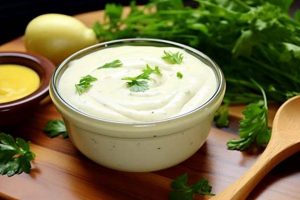
Creaminess in no-oil dressings can be achieved through the use of ingredients like mashed avocado, silken tofu, tahini, or cashew cream. These ingredients provide a smooth, rich texture that mimics the mouthfeel of oil-based dressings.
Question 2: Are no-oil dressings suitable for all types of salads?
While generally versatile, certain no-oil dressings pair better with specific salad components. Lighter vinaigrettes complement delicate greens and vegetables, while creamier dressings are suitable for heartier salads or grain bowls.
Question 3: How long can no-oil dressings be stored?
Storage duration varies depending on the ingredients. Most no-oil dressings can be refrigerated for up to five days in an airtight container. Dressings containing fresh herbs or fruits may have a shorter shelf life.
Question 4: Can no-oil dressings be used in warm dishes?
While primarily used for cold preparations, some no-oil dressings, particularly those with a vinegar base, can be added at the end of cooking to enhance the flavor of warm dishes like steamed vegetables or grains.
Question 5: Do no-oil dressings require any special equipment for preparation?
Most no-oil dressings require minimal equipment. A whisk, blender, or mortar and pestle suffice for most recipes. Specialized equipment is generally not necessary.
Question 6: Are no-oil dressings always lower in calories than oil-based dressings?
While typically lower in calories due to the absence of oil, the caloric content can vary depending on the other ingredients. Dressings containing significant amounts of nuts, seeds, or dried fruits may have higher calorie counts.
Understanding these aspects facilitates informed choices and encourages broader adoption of no-oil salad dressings as a versatile and healthful culinary component.
Further exploration of specific recipes and techniques empowers culinary creativity and provides practical tools for integrating no-oil dressings into diverse dietary preferences and lifestyles.
Conclusion
Exploration of no-oil salad dressing recipes reveals a versatile and healthful approach to culinary preparation. From enhancing flavor profiles and accommodating dietary restrictions to promoting lower fat consumption and increasing nutrient absorption, the advantages are substantial. Careful ingredient selection, coupled with appropriate preparation techniques, yields dressings that rival traditional oil-based counterparts in both taste and texture. The adaptability of these dressings extends beyond salads, encompassing marinades, dips, and sauces for various dishes.
Embracing no-oil salad dressing recipes offers a pathway to a more health-conscious and flavorful culinary experience. This approach demonstrates that dietary restrictions need not limit culinary creativity but can inspire innovation and a deeper appreciation for the diverse world of flavors achievable through mindful ingredient selection and preparation. Continued exploration and experimentation within this culinary realm promise further development of innovative and delicious no-oil dressing options.